Why I Run the best shoulder exercises for all 3 heads in Reverse
I used to walk into my garage, load 225 on the bar, and grind out overhead presses until my vision blurred. I thought that was the only way to earn wide shoulders. But after a decade of training and enough gear testing to fill a warehouse, I realized my shoulders looked like lightbulbs from the front and flat pancakes from the side. I was doing the best shoulder exercises for all 3 heads, but I was doing them in the exact order that guaranteed failure.
- Rear delts are the most neglected and should be trained when you have the most focus.
- Lateral raises build width but fail when you use momentum from a fatigued core.
- Front delts are heavily taxed during bench press, so they don't need heavy loading first.
- Reversing your workout order creates a 3D look without adding extra sets or time.
Why Your Current Routine Is Only Building 1.5 Delts
Most of us were raised on the 'press first' mentality. It makes sense on paper: do the heaviest compound lift while you are fresh. The problem is that a heavy overhead press is a massive drain on your central nervous system. By the time you finish four sets of heavy OHP, your triceps are smoked and your upper traps are screaming. You have nothing left for the small, stubborn muscles that actually create shoulder width.
When you prioritize the press, you end up with massive front delts and almost nothing in the back. This creates that 'slumped' look common in garage gym lifters who spend too much time on the bench. If you aren't mastering all shoulder exercises by balancing your volume, you’re just building a postural nightmare. Your front delts are already doing 70% of the work on chest day; they don't need to be the star of shoulder day too.
The 'Reverse Order' Method for True 3D Shoulders
The fix is simple but bruises the ego: flip the script. We are going to start with the rear head, move to the lateral head, and finish with the front. It sounds counterintuitive to start with a 'small' isolation move, but it’s the only way to ensure those fibers actually fire. Finding shoulder exercises that work all 3 heads is only half the battle; the sequence is what dictates your growth.
By the time you get to your heavy presses at the end, your shoulders are already engorged with blood. This 'pre-exhaust' method means you won't need to move 200 pounds to get a training effect. You can move 135 with better form, less joint stress, and more muscle fiber recruitment. It’s a smarter way to train if you want to stay in the game for another twenty years.
The Rear Delt: Stop Treating It Like an Afterthought
The rear delt is the 'secret' to looking like you actually lift. It provides the 'cap' on the back of the shoulder. My go-to is the chest-supported rear delt row. I set my incline bench to about 45 degrees and lay face down. This is non-negotiable because it takes your lower back and ego out of the equation. You can't swing the weights up when your chest is pinned to the pad.
Focus on pulling with your elbows and keeping your hands wide. You want to build 3D delts with targeted lifts that isolate the muscle rather than letting your traps take over. If you feel this in your mid-back, you're pulling too far back. Stop when your elbows are in line with your shoulders. Since this is your first move of the day, you can actually use a challenging weight instead of the 10-pound dumbbells you usually grab at the end of a workout.
The Lateral Head: Taking Momentum Out of the Equation
Side delts create the illusion of a small waist. Most people ruin lateral raises by swinging the weights like a bird trying to take flight. To fix this, I prefer the dead-stop lateral raise. Sit on the end of your bench with the dumbbells resting on the seat next to your thighs. By starting each rep from a dead stop, you eliminate the stretch reflex and force the lateral head to do 100% of the work.
If you have a cable setup in your rack, a leaning cable raise is even better because it provides constant tension. But for most garage lifters, dumbbells are the reality. Keep your pinkies slightly higher than your thumbs at the top of the movement. You don't need 50-pounders here. If you're doing these right after your rear delt work, 20 or 25 pounds will feel like a ton of bricks.
The Front Delt: Why It Barely Needs Your Help
By the time you reach the front delt portion of the routine, you've already hit shoulder exercises all three heads indirectly. Your front delts have been stabilizing the previous movements. Now, we finish them off with a seated dumbbell press. Because you’re already fatigued, you’ll find that a pair of 50s or 60s provides a massive stimulus.
The beauty of doing presses last is safety. Your joints are warm, your stabilizers are awake, and you aren't tempted to go for a risky 1-rep max. You’re training for hypertrophy and shoulder health, not a powerlifting total. Keep the reps in the 10-12 range and focus on a slow eccentric. This is the 'finisher,' not the main event.
Putting the Reverse Routine Together in Your Garage Gym
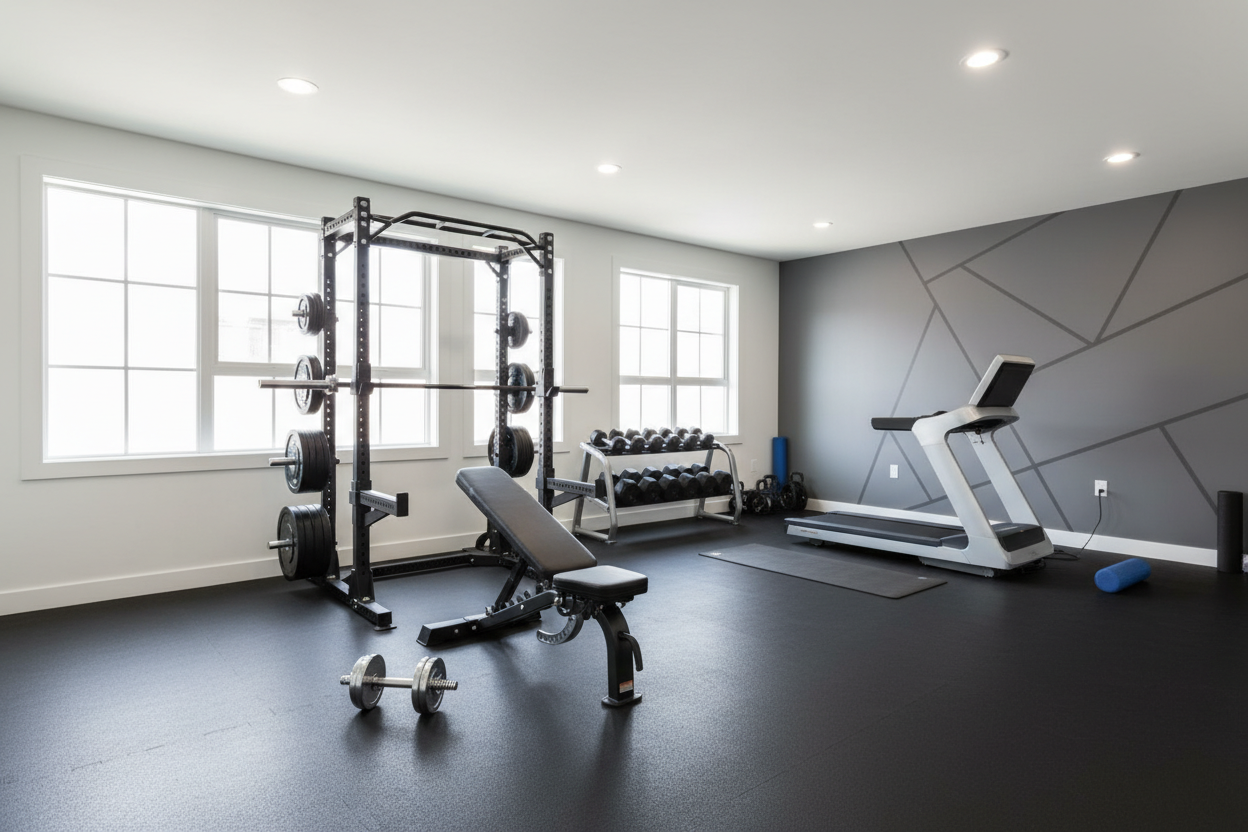
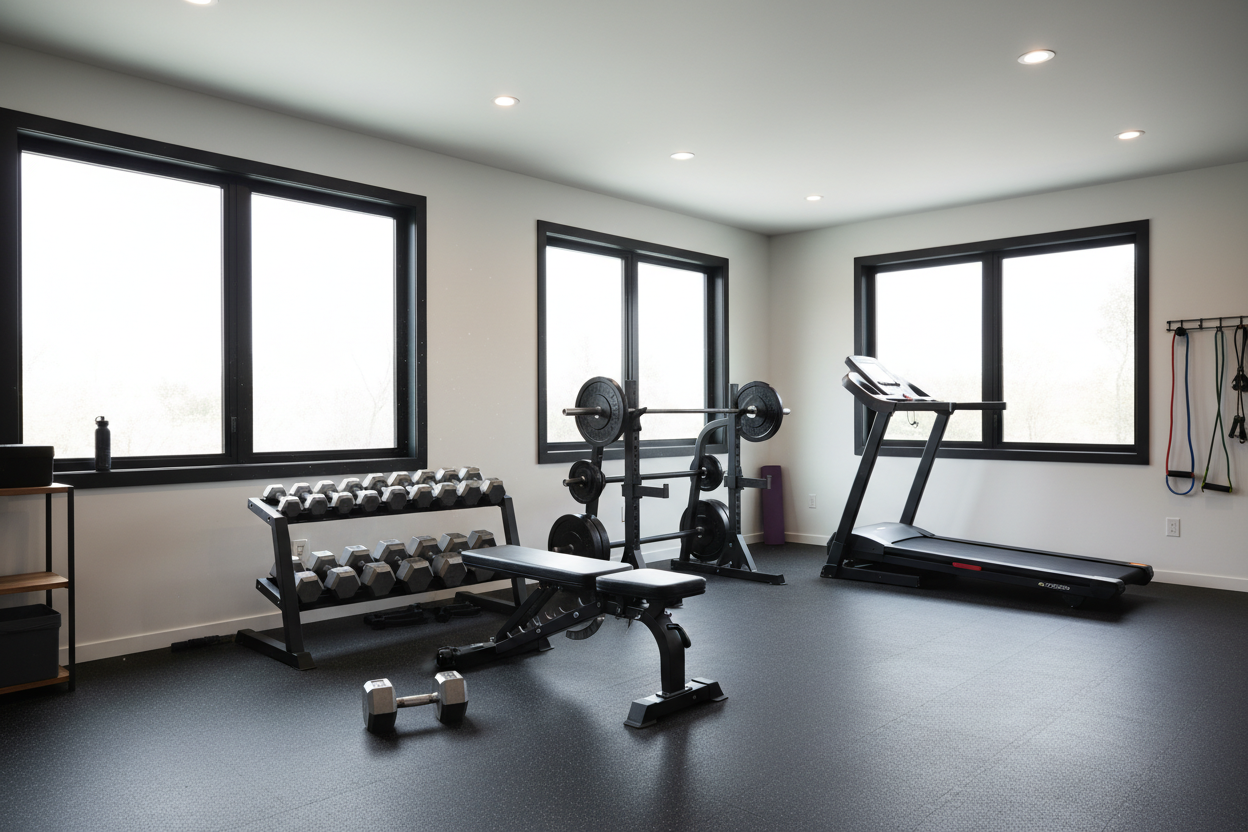
You don't need a 10,000-square-foot facility to do this. I run this entire circuit with an adjustable bench and a set of dumbbells. To keep things stable, I make sure my bench is on extra wide exercise mats. There is nothing worse than your bench sliding backward while you’re trying to press 80-pounders over your face.
Set your bench at 45 degrees for the rear delt rows, drop it to flat for the seated lateral raises, and then kick the backrest up to 85 degrees for the presses. It’s a compact, efficient way to train that respects your space and your time. No machines required, just smart sequencing and a lot of effort.
Is overhead pressing bad for shoulders?
No, but doing it exclusively as your first movement for years can lead to imbalances. By moving it to the end of your workout, you reduce the total load on the joint while maintaining the muscle-building benefits.
How often should I do this reverse routine?
Once or twice a week is plenty. If you're doing a lot of heavy benching on other days, your front delts are already getting hammered, so one dedicated 'reverse' shoulder day is usually the sweet spot for growth.
Can I use a barbell for the rear delt portion?
You can, but it’s harder to isolate the rear head. Barbells tend to force you into a position where the traps and lats want to take over. Dumbbells allow for a more natural arc that keeps the tension on the shoulder.