Why I Run My Bodybuilding Mass Program Completely Backwards
I remember staring at my squat rack three years ago, knees aching and my quads looking exactly the same as they did six months prior. I was following the 'rules'—hitting the heavy triples first, then moving to accessory work. It felt like I was training for a powerlifting meet I never signed up for while my actual goal of building a bodybuilding mass program was stalling out.
The traditional logic says you have to move the most weight when you are freshest. But for those of us training in garages and spare rooms, that 'freshness' often goes straight to our central nervous system and connective tissue, leaving the actual muscle fibers under-stimulated. I decided to flip my entire bodybuilding mass workout on its head, and the results were immediate.
- Pre-exhausting muscles protects joints by requiring less total weight on compound lifts.
- Systemic fatigue is managed by hitting isolations while the CNS is still sharp.
- Target muscles become the 'weak link' in big lifts, ensuring they actually reach failure.
- You’ll need better floor traction because fatigued stabilizers make you wobbly.
The Problem With the Standard 'Heavy First' Rule
Most programs demand you start with the big three: Squat, Bench, and Deadlift. The logic is sound if your goal is moving the maximum number of plates. However, if you are chasing hypertrophy, your nervous system often taps out before your chest or quads do. You finish a heavy set of five, your brain is fried, but your pec fibers are barely getting started.
When you lead with heavy compounds, your secondary movers—like your triceps during a bench press—often take over as the primary movers fatigue. You end up with tired arms and a chest that hasn't been fully taxed. By the time you get to your isolation work at the end of the session, you're too exhausted to give those movements the intensity they need to actually grow.
Why Flipping the Script Forces Faster Muscle Growth
The 'Reverse Sequencing' method relies on pre-exhaustion. By hitting a chest fly or a lateral raise first, you fatigue the specific muscle you want to grow. When you finally move to the barbell or the heavy dumbbells, that target muscle is already at 60% capacity. This forces it to be the absolute weak link during the compound movement.
This isn't just about 'feeling the burn.' It’s about mechanical tension. If your quads are already toasted from the leg extension machine, they have no choice but to work at 100% output during a subsequent set of lunges or squats. You won't need 405 pounds to trigger growth; 225 will feel like a ton and provide a better stimulus with half the injury risk.
Structuring a Backwards Bodybuilding Mass Workout
In a typical push day, you might do Bench Press, Overhead Press, then Triceps. In my reversed version, we start with cable crossovers or dumbbell flyes, move to a close-grip press, and finish with the heavy compound work. It feels weird at first, but the pump is undeniable. You can find more foundational templates to adapt in our workout hub.
The goal is to move from the most specific isolation to the most general compound. On a pull day, this looks like straight-arm pulldowns and face pulls followed by heavy rows. You’ll find that your mind-muscle connection is through the roof because the muscle is already engorged with blood before you even touch a barbell.
The Leg Day Example (And Why Ground Contact Matters)
Leg day is where this method truly shines—and where it gets dangerous. I start with four sets of brutal leg extensions and seated leg curls. By the time I walk over to the rack to squat, my legs feel like jelly. This is where you need to refer to a definitive mass guide for legs to ensure your exercise selection is on point.
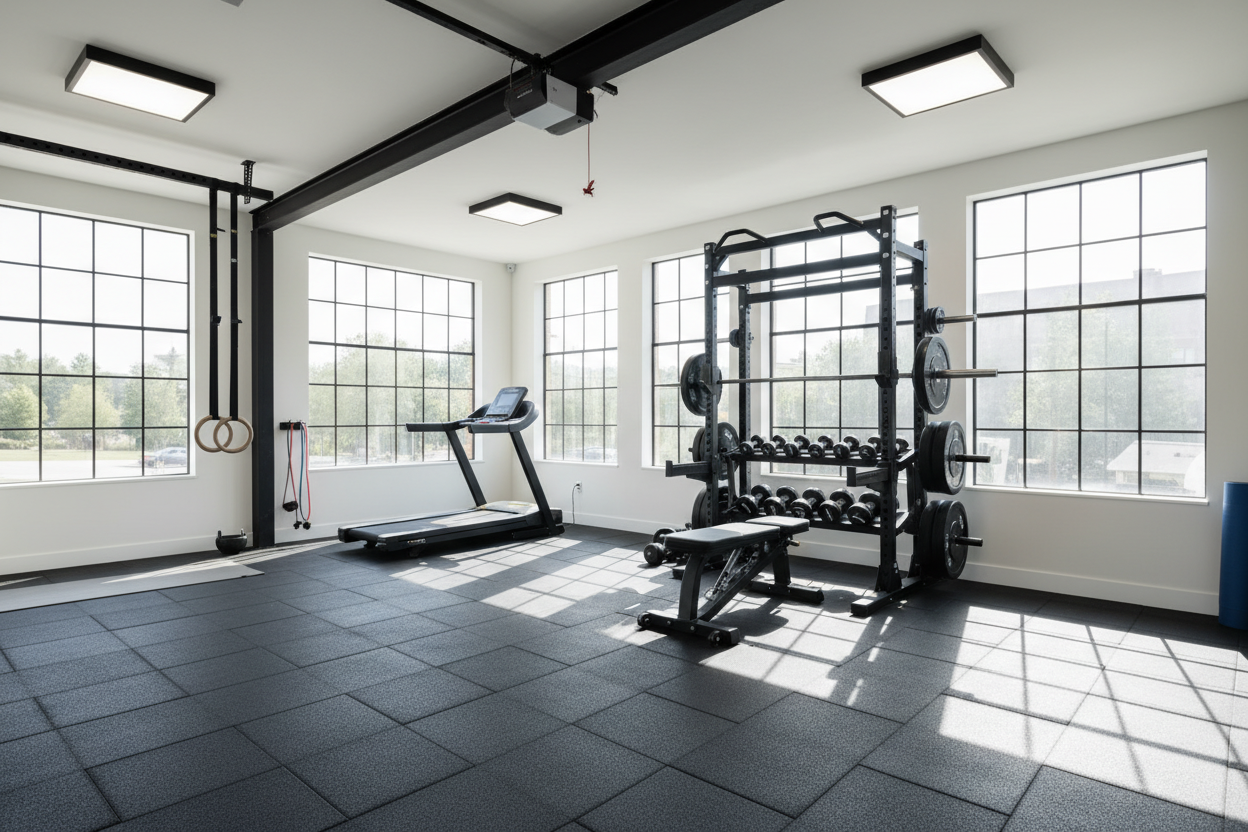
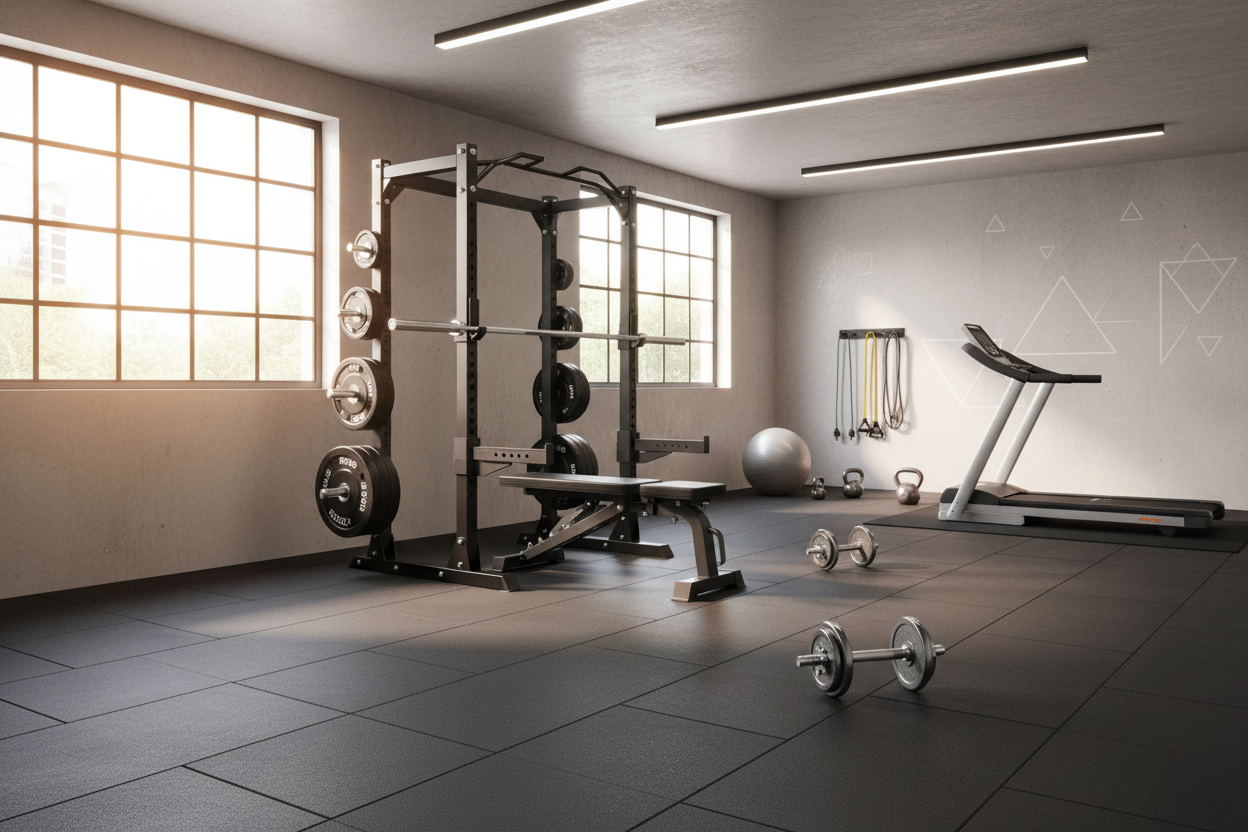
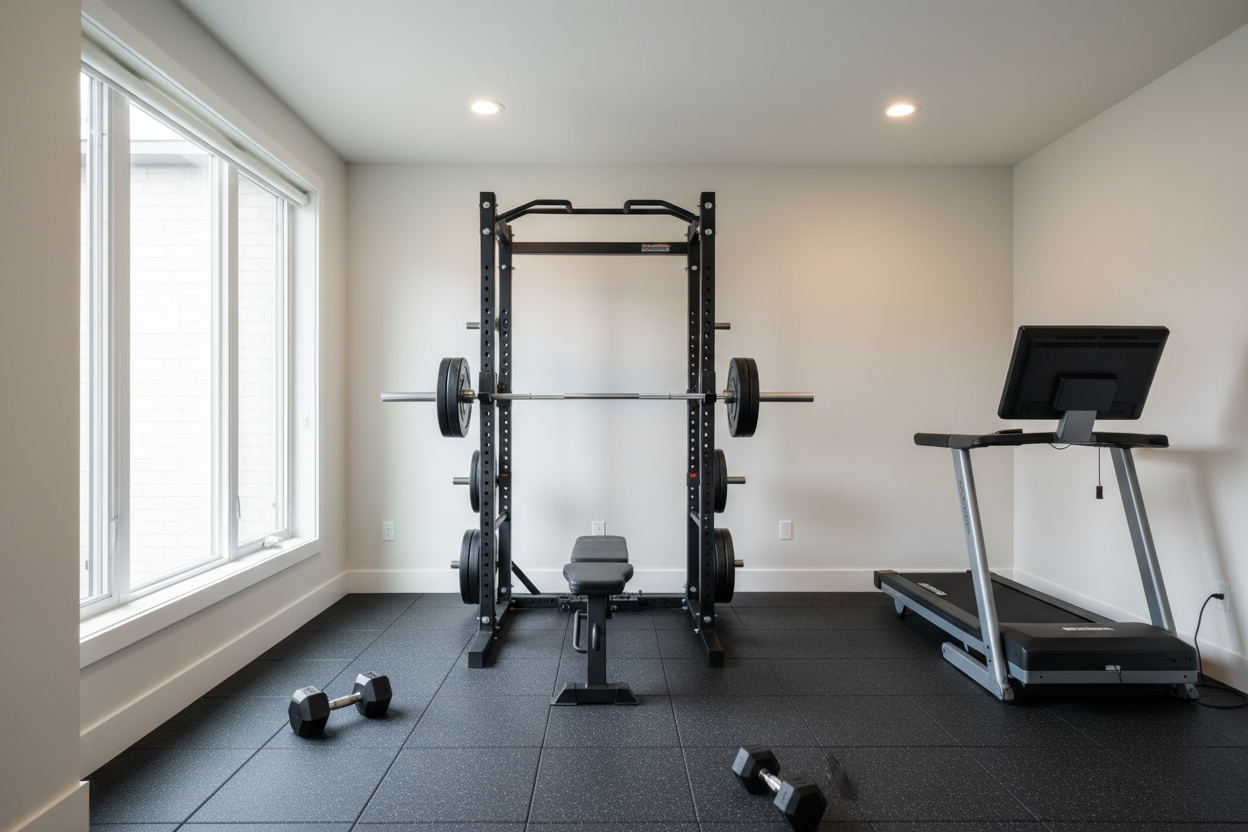
Because your stabilizers are fatigued, your balance will be tested. I learned the hard way that lifting on dusty concrete or a cheap, thin mat is a recipe for a disaster when your quads are shaking. I eventually upgraded to a 6x8ft exercise mat that actually grips the floor. Having that extra traction is a massive safety net when you’re doing heavy compounds at the end of a session.
The Ego Check: Surviving the Inevitable Weight Drop
Here is the hard truth: your numbers are going to suck. If you normally bench 225 for reps, you might struggle with 185 after pre-exhausting with flyes. Your ego will want to revert to the old way so you can put more plates on the bar. You have to remember that your muscles can't read the numbers stamped on the iron; they only feel tension.
I had to get over the embarrassment of squatting 'beginner' weights while my quads were screaming. But within three months, my legs had grown more than they had in the previous two years. If you’re more worried about your Instagram PRs than your actual physique, this program isn't for you. But if you want to fill out your sleeves, the weight on the bar is secondary.
How to Phase This Into Your Current Split
Don't flip your entire week at once. Start by reversing one body part—ideally your weakest one. If your back is lagging, try doing your pull-overs and rear delt work before your deadlifts for two weeks. See how your body recovers. The DOMS (delayed onset muscle soreness) can be aggressive when you first switch because you're hitting fibers that have been coasting for years.
Once you've adjusted, you can move to a full 'backwards' split. I typically run this for 6-8 weeks before cycling back to a more traditional strength-focused block. This prevents your joints from taking a constant beating while ensuring you never hit a plateau in muscle thickness.
My Personal Experience: The 'Slippery' Mistake
I once tried to go 'all-in' on a reversed leg day in my humid garage. I did five sets of high-rep leg presses and extensions until I could barely stand, then tried to finish with heavy Bulgarian split squats. Because I was using a cheap, 1/4-inch yoga mat that slid on the concrete, my back foot slipped out mid-rep. I didn't get hurt, but I looked like a fool. It taught me that when you're training to failure with pre-exhaustion, your equipment—especially your flooring and the knurling on your bars—needs to be top-tier because your body won't be there to bail you out.
FAQ
Won't I get weaker doing this?
Your absolute 1-rep max might dip temporarily because you aren't practicing the skill of heavy lifting while fresh. However, your muscle mass will increase, which provides a higher ceiling for strength later on.
Is this safe for beginners?
Actually, it's often safer. Since you are forced to use lighter weights on the big, complex movements, there is less shear force on your spine and joints. Just make sure your form is locked in before you're tired.
Can I do this for every workout?
You can, but it's taxing. I prefer using it as a 'shock' cycle for 6-8 weeks or applying it specifically to lagging muscle groups that aren't responding to heavy weights.