Why I Refuse to Program Standard 'Exercise for Old People'
I walked into a local community center last week and watched a group of capable-looking 70-somethings being told to sit in folding chairs and wave colorful silk scarves around. It made my blood boil. We have been sold a lie that exercise for old people needs to be some watered-down, bubble-wrapped version of movement that barely breaks a sweat. If you treat a human being like they are made of glass, they will eventually shatter.
I have spent years in the trenches of garage gyms and commercial facilities, and I have seen 75-year-olds pull 200 pounds off the floor with better form than college athletes. The industry wants to sell you 'light' routines because they are easy to manage and low-liability, but they do almost nothing to actually improve your quality of life. Real strength is the only thing that keeps you independent.
Quick Takeaways
- Muscle loss (sarcopenia) requires heavy resistance, not just movement, to reverse.
- Floor-based training is a life-saving skill that prevents 'the long lie' after a fall.
- Compound movements like squats and carries translate directly to daily independence.
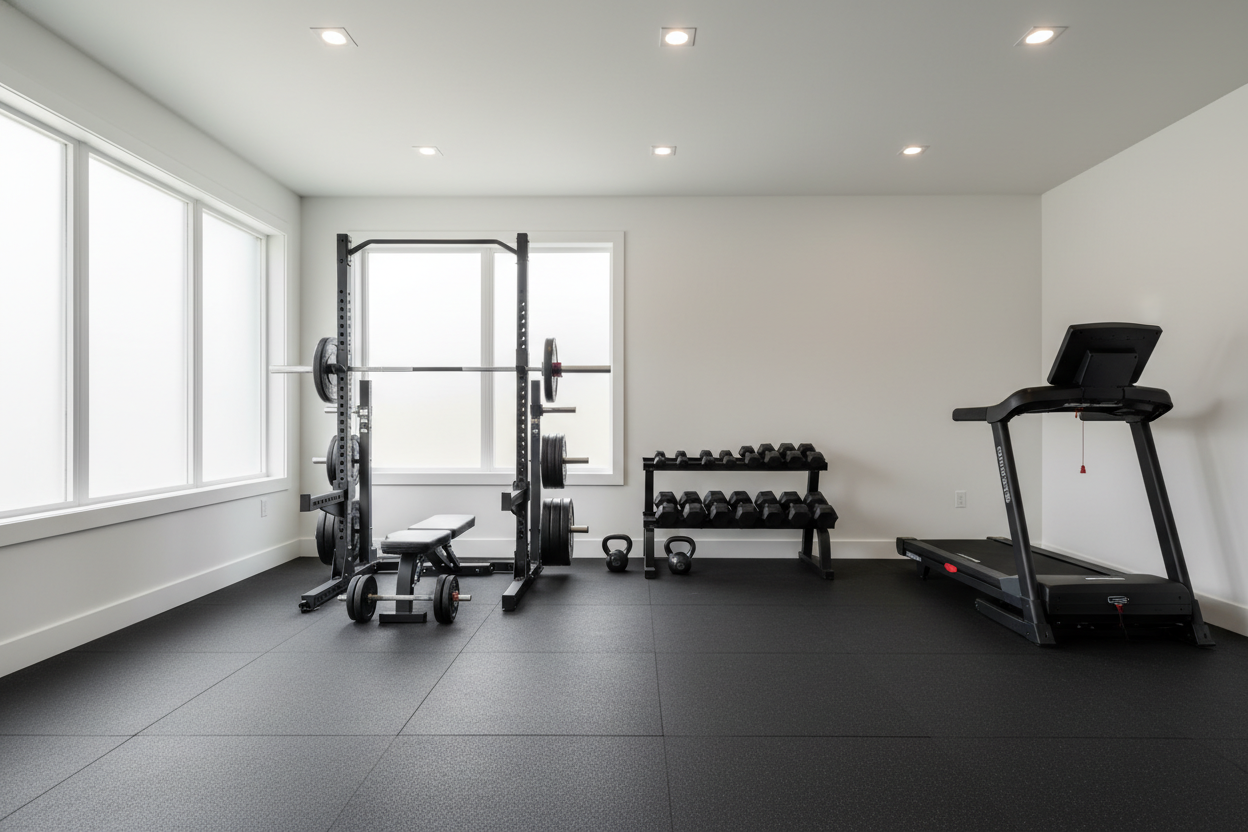
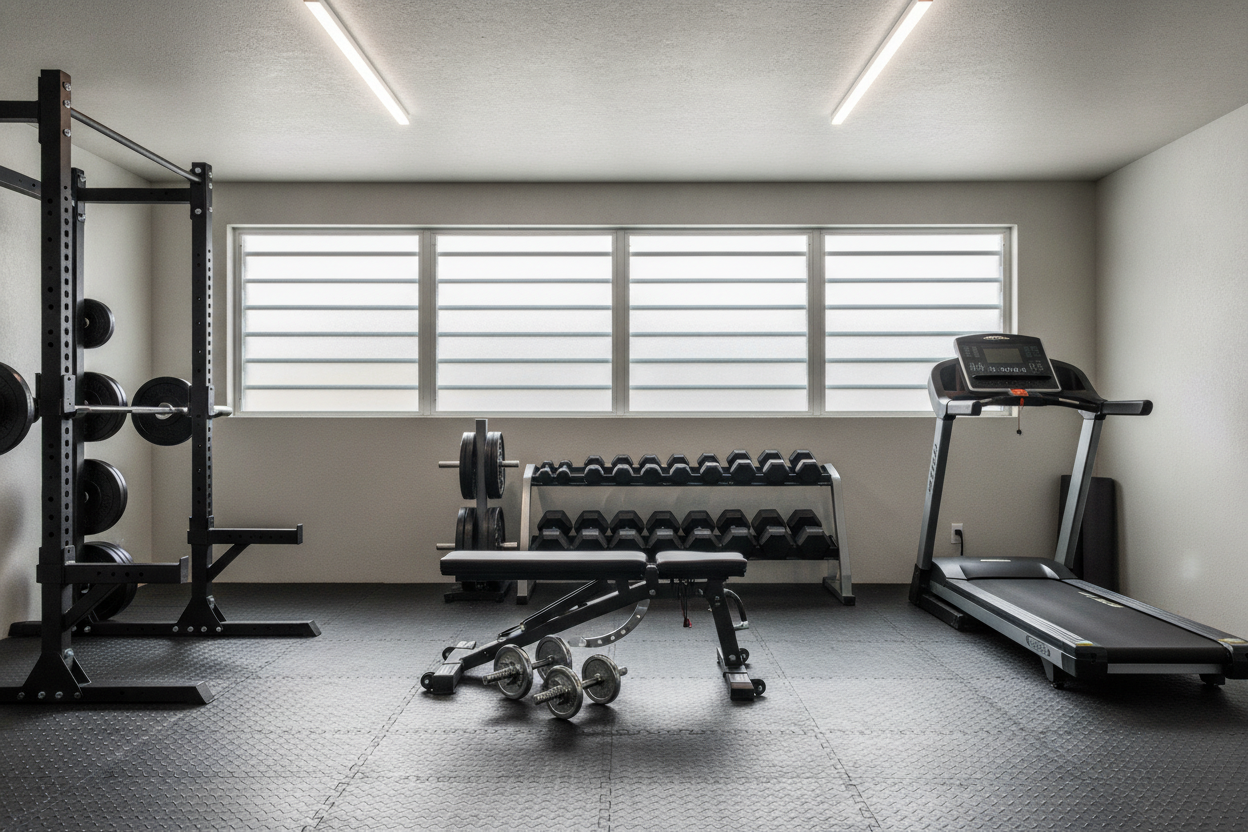
- A safe, dedicated lifting space is better than a cluttered living room for training.
The 'Fragile Aging' Myth We Need to Kill
The fitness industry treats exercise for older adult populations like a medical condition rather than a physical opportunity. I see it every day: healthy seniors being handed 2lb pink dumbbells and told to do seated bicep curls. It is an insult to their potential. When we assume that 'old' equals 'fragile,' we stop providing the stimulus the body needs to stay resilient.
Physical exercises for elderly people shouldn't just be about 'staying active.' They should be about building a reserve of strength. If your hardest daily task is picking up a gallon of milk, and you only ever train with 2lb weights, you have zero margin for error. We need to stop programming exercise for the aged as if they are one step away from the hospital bed and start training them to be the strongest version of themselves.
What Happens When You Actually Load the Body?
Let’s talk about sarcopenia. It sounds like a scary diagnosis, but it is just the natural decline of muscle mass as we age. The problem is that light physical exercise for seniors—like walking or those seated 'silver' classes—doesn't trigger the neurological adaptations required to stop it. You need to recruit high-threshold motor units. That only happens when you move something heavy.
When you put a load on the spine and the long bones, you aren't just building muscle; you are increasing bone density. Exercise older adults should focus on 'mechanical tension.' This doesn't mean you have to break world records, but it does mean the last two reps of a set should feel genuinely difficult. Without that struggle, your body has no reason to adapt, and the muscle continues to wither.
Rethinking Safety: Why the Floor is Your Best Tool
Most trainers are terrified to let their older clients get on the ground. This is a massive mistake. The ability to transition from the floor to a standing position is one of the most accurate predictors of longevity. I spend a huge amount of time teaching getting up off the floor because it builds the specific core and hip power needed to survive a fall.
To do this safely, you can't be working on a hardwood floor or a thin, slippery yoga mat. You need a dedicated, high-density large exercise mat for home gym use. A thicker surface protects the knees and elbows during these transitions, allowing you to focus on the movement pattern rather than the discomfort of the floor. If you can't get down and up comfortably, you lose the freedom to play with grandkids or garden.
3 Movement Patterns That Preserve Real Independence
If you want to stay out of a nursing home, you don't need a leg extension machine. You need three things: the carry, the hinge, and the squat. Exercises for elderly adults often neglect the carry, but walking with a heavy weight in each hand (a farmer's walk) is the ultimate 'functional' move. It builds grip strength, which is directly correlated to heart health and longevity.
Then there is the squat. I am a firm believer in mastering the goblet squat. By holding a weight at chest level, you create a counterbalance that helps you sit back into your hips while keeping your spine vertical. This isn't just an exercise; it's the movement you use every time you sit down on a toilet or get out of a car. Exercises for the elderly should look like real life, just slightly harder.
How to Set Up a Safe Space for Older Lifters at Home
Training at home is often the best move for older adults because it removes the 'gym-timidation' factor. However, safety is paramount. You need a clear zone with zero tripping hazards. I always recommend starting with a 6x8ft exercise mat to define the training area. This provides a slip-free foundation and enough space to perform lateral movements without stepping off the edge onto carpet or tile.
Avoid the temptation to buy cheap, adjustable dumbbells that feel shaky or have sharp plastic edges. Get a solid set of kettlebells or hex dumbbells. If you are doing exercise for elders, the equipment should feel substantial and safe. A cluttered space is a dangerous space, so keep your gear organized and your floor clear. Real strength training requires focus, not dodging furniture.
My Personal Experience with Aging Athletes
I remember training my own father after he turned 70. I made the classic mistake of being too protective. I gave him light bands and bodyweight movements. He was bored out of his mind and his 'nagging' back pain didn't go away. It wasn't until I put a 25lb kettlebell in his hands and taught him how to deadlift that his posture improved and his pain vanished. He didn't need 'light' work; he needed to be challenged. My mistake was assuming his age was a disability. It wasn't.
FAQ
Is lifting weights dangerous for people over 70?
Not if you learn the form. What is actually dangerous is being too weak to catch yourself if you trip or too frail to carry your own groceries. Inactivity is the real risk.
Do I need a lot of equipment for elderly exercise?
No. A single kettlebell, a sturdy chair for balance, and a high-quality mat are enough to build a massive amount of functional strength at home.
How often should older adults strength train?
Two to three times a week is the sweet spot. Recovery takes a bit longer as we age, so you don't need to lift every day. Consistency beats intensity every single time.