Why I Refuse to Buy a Massive Hip Thrust Maquina
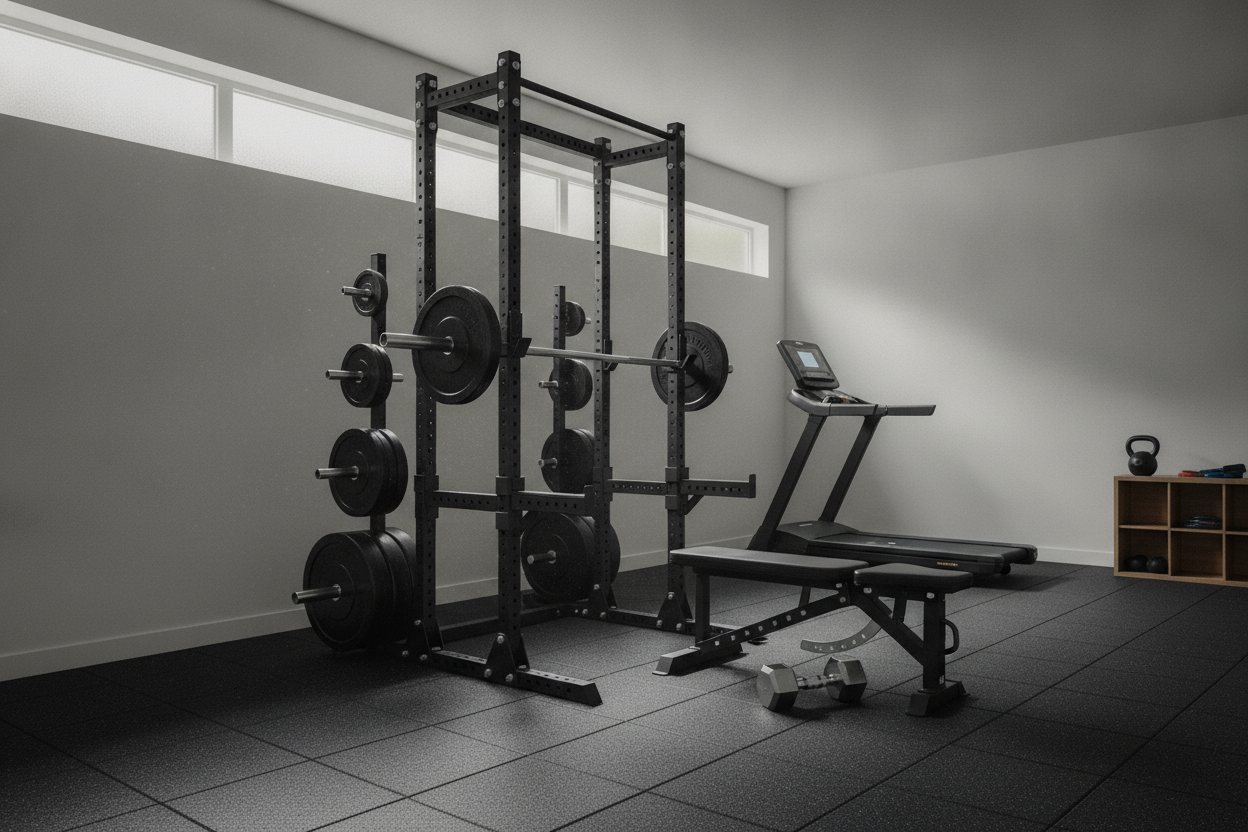
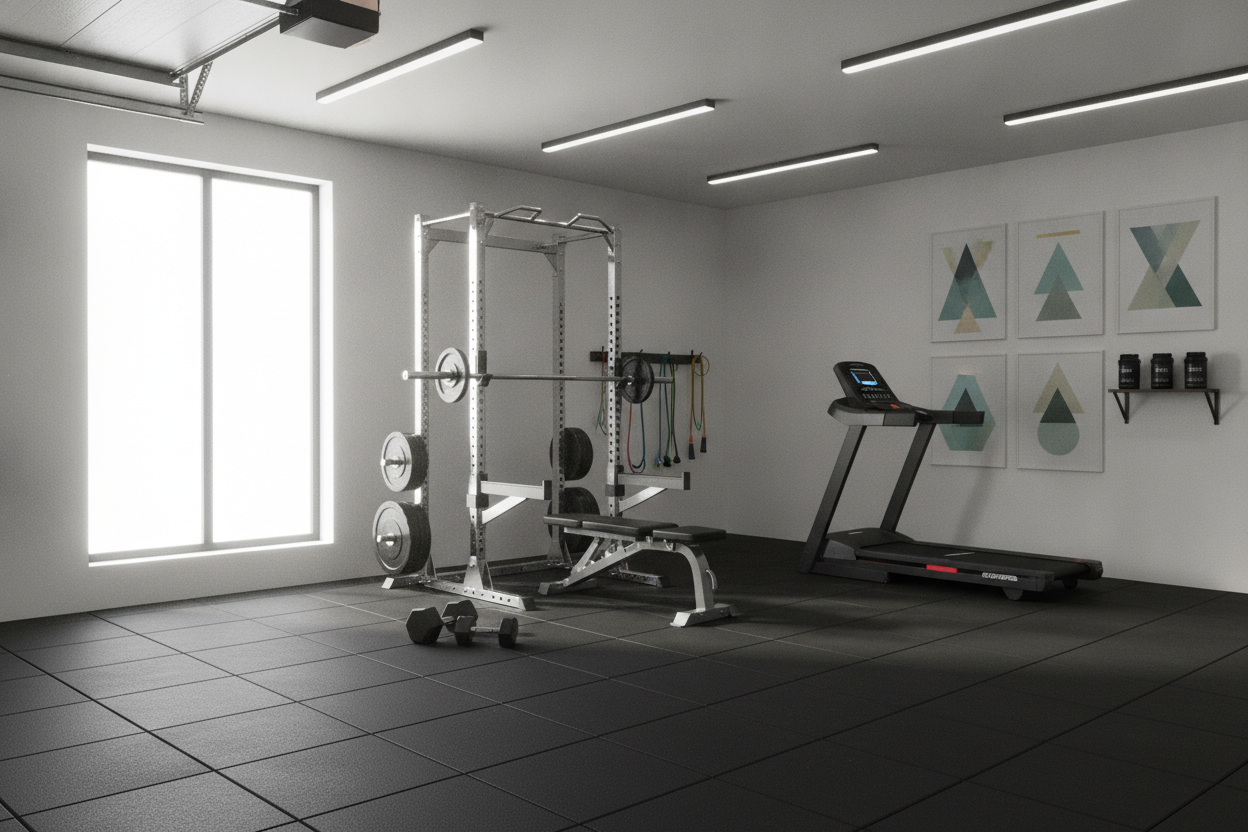
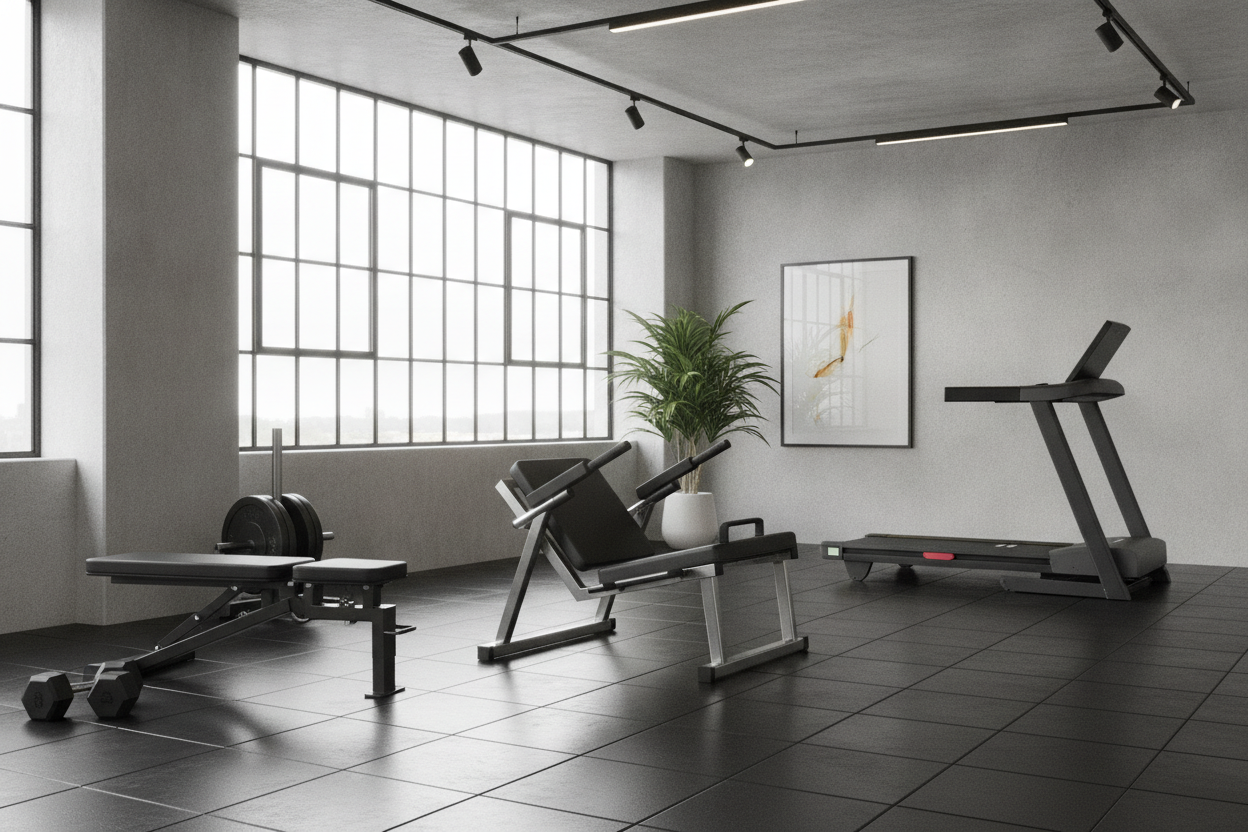
I spent twenty minutes yesterday trying to shimmy my lawnmower past a power rack just to reach my kettlebells. If you have a garage gym, you know the 'Tetris' struggle is real. Every square inch of rubber flooring is a premium asset, yet I see lifters constantly eyeing a shiny new hip thrust maquina to round out their leg day. It looks cool, sure, but in a small space, it is a total space hog.
Look, I get the appeal. Setting up a heavy barbell hip thrust is a chore. You are wrestling with a 45-lb bar, trying to find a pad that actually protects your hips, and hoping the bench does not slide across the floor mid-set. But before you drop $800 on a maquina hip thrust that only does one thing, let’s talk about why your floor space deserves better than a single-use unit.
Quick Takeaways
- Dedicated machines take up roughly 15-20 square feet of precious floor space.
- Commercial-grade glute drives often cost as much as a high-end power rack.
- You can replicate the exact tension profile using a Smith machine or a specialized bench.
- Versatility is king in a home gym; single-use items are for people with 5,000-square-foot warehouses.
The Allure of the Single-Use Glute Machine
I will admit, the first time I used a dedicated glute drive at a commercial facility, I was hooked. There is no balancing a wobbly barbell on your pelvis while trying to maintain your dignity. You just sit in, strap the belt across your hips, and drive. The stability is unmatched. Because the weight follows a fixed path, you can really focus on the mind-muscle connection rather than worrying about the bar tilting to the left.
These machines remove the 'pain factor' of the barbell digging into your hip bones. Even with a thick foam pad, 405 lbs on a barbell feels like a lead pipe. A machine distributes that load through a wide, padded belt. It makes it incredibly easy to reach true muscular failure without your setup failing you first. For a high-volume bodybuilder, it is a dream. For a guy with a two-car garage? It is a logistical nightmare.
Why a Dedicated Hip Thrust Maquina Is a Garage Gym Killer
Real estate is the most expensive part of any home gym. A standard commercial glute drive has a footprint of about 60 inches by 45 inches. That is nearly the same footprint as a 4-post power rack. When you choose to put a machine in that spot, you are saying that hip thrusts are more important than pull-ups, squats, presses, and rows combined. That is a bold statement.
Most of these machines are heavy, awkward, and impossible to move once they are assembled. Unless you are buying a model with high-quality casters, it stays where it is born. If you ever need to pull your car into the garage or reorganize your space, you are going to regret that 150-lb hunk of steel. I have seen too many people buy these, use them for three months, and then use them as an expensive rack to hang damp gym towels on.
The Smith Machine Hack That Changes Everything
If you want the stability of a machine without the dedicated footprint, look at your Smith machine. It is the ultimate middle ground. By setting up your Smith machine hip thrust correctly, you get the fixed path and the safety of the hooks, but the machine still allows you to do dozens of other exercises like lunges, presses, and rows. It is about maximizing the utility of every bolt in your gym.
To do this right, you need a stable bench and a pair of aerobic steps to elevate your feet if the Smith machine bar does not go low enough. Position the bench perpendicular to the bar, sit on the floor, and roll the bar over your lap. The beauty here is the 'self-spotting' mechanism. If your glutes give out, you just flick your wrists and the bar is locked. No more getting pinned under a heavy barbell like a turtle on its back.
For the best results, use a thick pad. A standard 2-inch foam pad works, but if you really want to mimic that machine feel, use a heavy-duty hip thrust pad that wraps fully around the Smith bar. This setup gives you 95% of the benefit of a standalone machine for 0% of the extra floor space.
What If You Train at a Commercial Gym?
Maybe you do not have a home gym and you are just tired of waiting for the one glute machine at your local big-box gym. It is frustrating when the 'influencer' crowd camps out on the glute drive for forty minutes. You do not need to wait. You can still build glutes without a hip thrust machine by utilizing heavy dumbbells or the cables.
A heavy dumbbell hip thrust with your back against a stable bench is underrated. While you cannot go as heavy as a barbell, the setup is instant. If the Smith machine is busy, head to the cable crossover. Use a D-handle or a rope attachment between your legs while facing away from the stack (the cable pull-through). It targets the same peak contraction of the glutes without needing a specialized maquina hip thrust at all. Don't let a lack of equipment be your excuse for a skipped leg day.
The Minimalist Fix: Ditch the Machine, Upgrade Your Bench
If the barbell setup is what you hate, the problem is likely your bench, not the bar. Standard weight benches are often too tall (17-18 inches), which puts your torso at a weird angle for thrusting. They also slide around on stall mats. Instead of a massive machine, I recommend a dedicated foam hip thrust bench. These are usually 12-14 inches tall, which is the 'goldilocks' height for most lifters to get full hip extension.
These foam blocks are light, they do not slide, and they can be stood up on their end in a corner when you are done. I swapped my bulky adjustable bench for a dedicated thrust block and it was the best $150 I ever spent. It turned a chore of an exercise into something I actually look forward to. You get the stability of a machine but you can still toss the block into a closet when guests come over. That is how you win the garage gym game.
Final Verdict: Keep Your Money (and Your Floor Space)
Unless you are a professional bikini competitor or you have a 10,000-square-foot facility, buying a dedicated hip thrust maquina is overkill. It is a luxury item that solves a problem you can fix with a $20 pad and a better bench. Keep your floor space open for things that matter—like a bigger rack or more plates. Your glutes won't know the difference, but your wallet and your garage certainly will.
Personal Experience: My Biggest Equipment Regret
A few years back, I bought a budget-tier 'glute drive' off a random fitness site. It looked great in the photos. In reality? It was made of thin 14-gauge steel and wobbled like a Jenga tower once I put more than two plates on each side. I ended up selling it on Marketplace for half what I paid just to get my floor space back. I went back to the Smith machine and never looked back. Sometimes, the simplest solution really is the best one.
FAQ
Is a hip thrust machine better than a barbell?
Not necessarily. A machine offers more stability and a faster setup, but a barbell forces you to use more stabilizer muscles. Both will grow your glutes effectively if you train to failure.
How much space does a glute drive need?
Plan for at least a 5x4 foot area for the machine itself, plus another 2 feet on each side so you can actually load the weight plates onto the pegs.
Can I use a leg extension machine for hip thrusts?
You can, but it is awkward. You lean your back against the seat and put your hips under the leg pad. It works in a pinch at a hotel gym, but it is not a long-term solution for heavy loading.