Why I Link My Exercises for the Shoulder Into One Brutal Drop Set
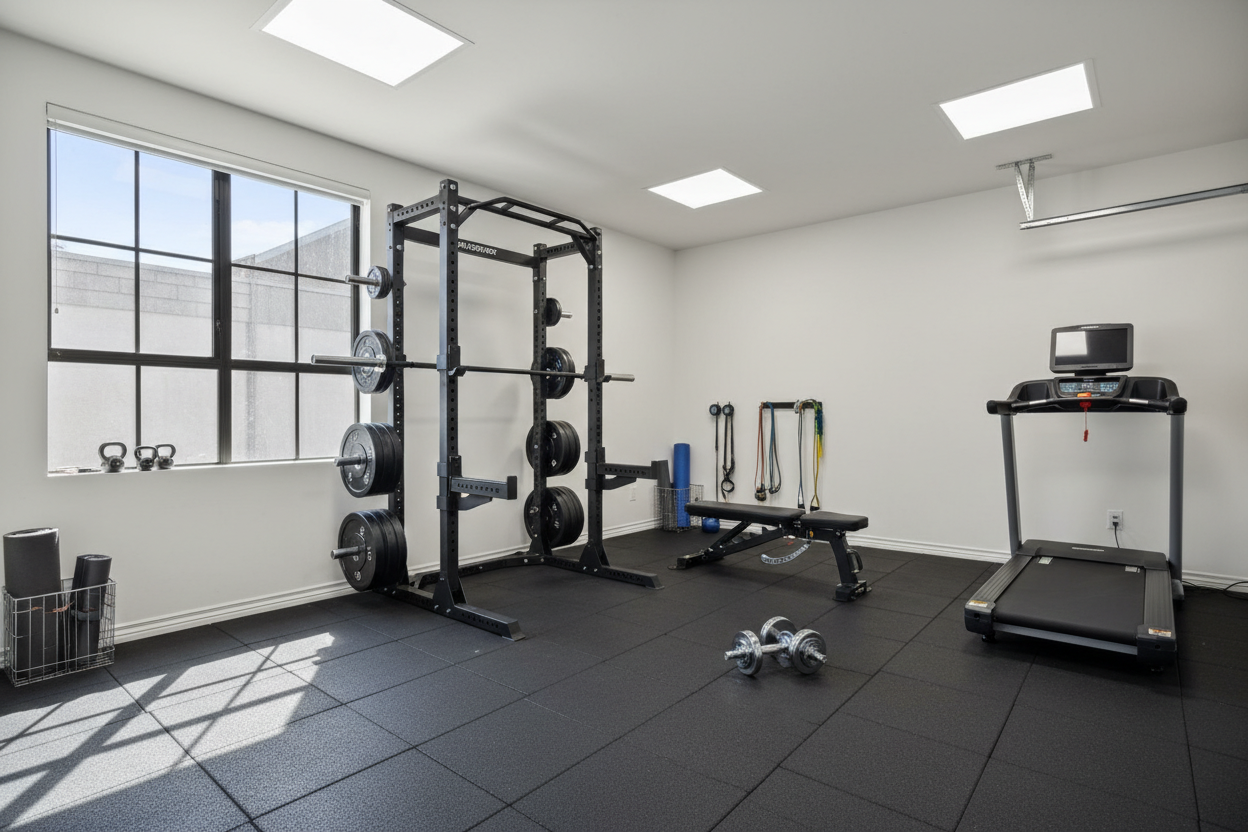
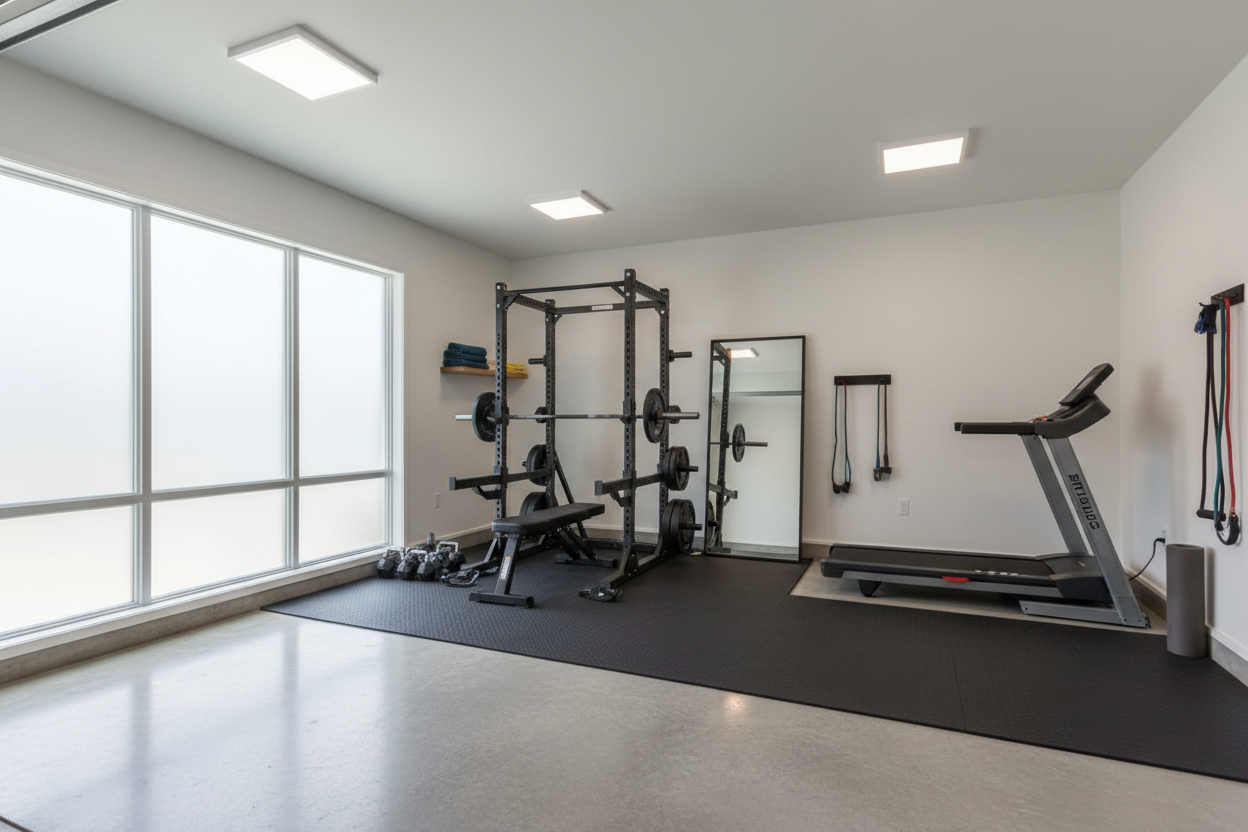
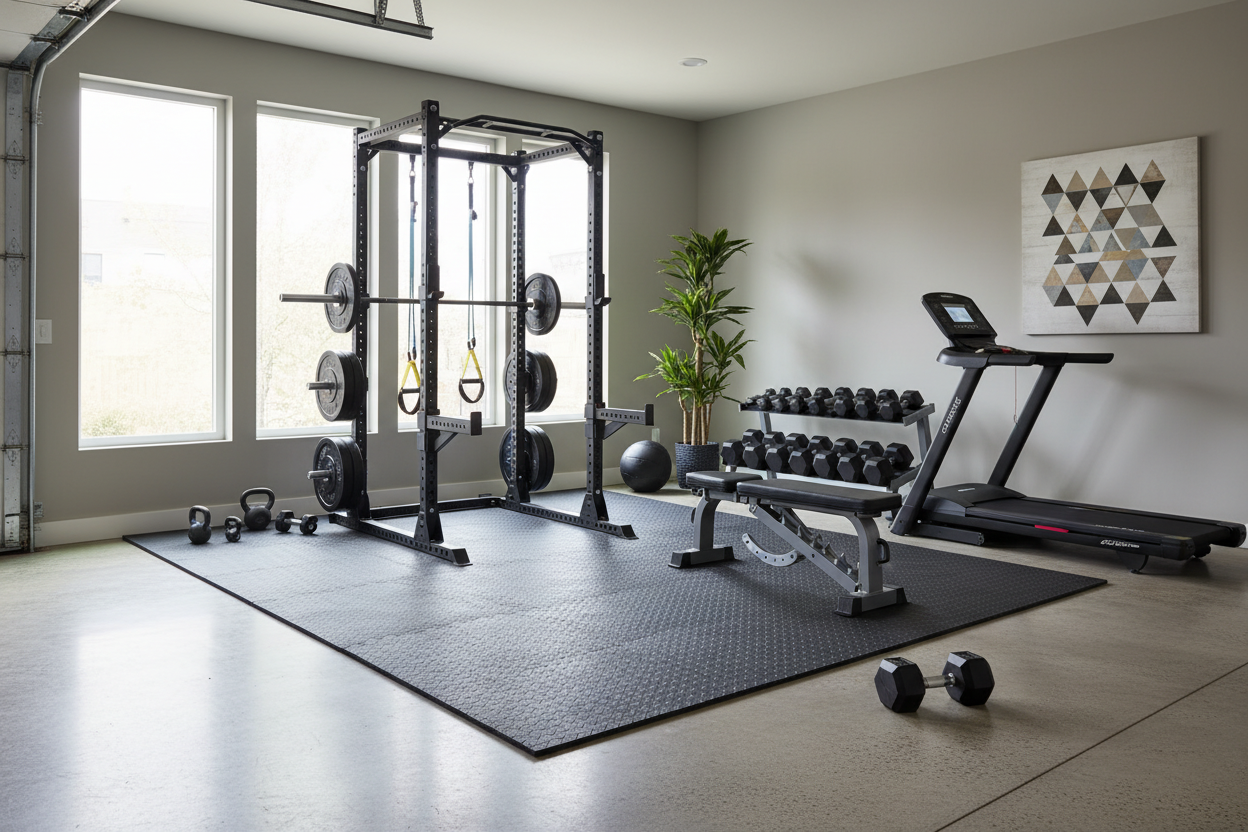
I remember when I finally moved my training into the garage. I had a pair of adjustable dumbbells that topped out at 50 lbs and a rickety bench. For curls, 50 lbs was plenty. But for overhead pressing, I outgrew them in about three weeks. I didn't have the cash for a full run of iron dumbbells, and I certainly didn't have the floor space for a massive rack of weights. That's when I realized that doing standard exercises for the shoulder wasn't going to cut it anymore.
If you're like me, you've probably tried to force progression by grabbing weights that are just a bit too heavy for your current strength level. You end up using body English, bouncing the weight, and eventually, your AC joint starts clicking like a ballpoint pen. There is a better way to get a massive pump and actual growth without needing a 100-lb dumbbell set.
- Efficiency: Hits all three deltoid heads in under three minutes.
- Safety: Uses lighter weights to achieve failure, saving your joints.
- Space-Saving: Only requires one pair of dumbbells.
- Intensity: High metabolic stress for better hypertrophy.
The Problem With Chasing Heavy Weights in the Garage
Most home gym owners hit a wall early on. You either run out of heavy dumbbells, or you realize that heavy overhead pressing is a high-risk move when you're training alone without a spotter. I've seen too many guys tweak their necks or shoulders trying to grind out a rep with a weight they have no business holding. It’s a recipe for a three-month layoff.
Instead of chasing a bigger number on the side of the dumbbell, I started focus on extending the set. By changing the angle of the movement—shifting from a position where you are weak to a position where you are strong—you can keep the muscle under tension for much longer. This isn't about lifting the house; it's about making a 25-lb dumbbell feel like a 70-lb one by the time you're done.
What the Hell is a Mechanical Drop Set?
A mechanical drop set is a simple, brutal concept. In a standard drop set, you finish a set and then grab lighter weights to keep going. In a mechanical drop set, you keep the same weight but change the exercise to give yourself a mechanical advantage. You start with the hardest move and transition to the easiest as you fatigue.
This method is effective because it allows you to hit different fibers across the entire shoulder complex. Using the best shoulder exercises for all 3 heads in a single chain ensures that no part of the deltoid escapes the fire. You’re essentially tricking your body into doing more work than it thinks it can.
The 3-Move Chain: Exercises for the Shoulder Muscles That Actually Flow
When you select the right exercises for the shoulder muscles, the transition between them should be seamless. You shouldn't be walking across the gym or resetting your stance for a minute. You want the tension to stay on the muscle. This specific three-move chain is my go-to for building width and thickness without needing a commercial-grade dumbbell rack.
Move 1: The Strict Lateral Raise (Weakest Leverage)
Start with the dumbbells at your sides. This is your weakest point because the weight is furthest from your body’s midline. Keep your arms mostly straight with a slight bend in the elbows. No swinging. No shrugging. Raise them until they are level with your shoulders and control the descent.
Go until you literally cannot perform another clean rep. Because the leverage is so poor here, you’ll hit failure quickly. This targets the lateral deltoid, which is what gives you that 'capped' shoulder look.
Move 2: The Dumbbell Upright Row (Medium Leverage)
The moment you can't do another lateral raise, don't put the weights down. Immediately transition into an upright row. By bending your elbows and pulling the weight close to your chest, you shorten the lever arm. This makes the weight feel significantly lighter, even though it’s the same dumbbell.
Now, your traps and biceps are helping the delts. Squeeze out another 6 to 8 reps here. You’ll feel a deep burn in the traps and the front delts as they take over to support the fatigued lateral heads.
Move 3: The Push Press (Strongest Leverage)
This is the grand finale. Once your upright rows fail, rack the dumbbells at your shoulders. Use a slight dip of the knees and drive the weights overhead. You are now using your entire lower body to assist your exhausted shoulders. This is your strongest leverage position.
Drive through your heels and lock them out. Since your shoulders are already fried, even a light weight will feel heavy here. Go until you reach absolute muscular failure. This is where the real growth happens.
Programming Your Shoulder and Exercises Chain
Integrating this shoulder and exercises chain into your routine doesn't require a total overhaul. I usually save this for the end of my upper body days as a 'finisher.' Because the intensity is so high, you don't need a massive amount of volume. Two to three rounds of this chain is usually more than enough to leave your arms hanging like noodles.
When choosing the exercises for your shoulder, start with a weight that is roughly your 12-15 rep max for lateral raises. If you go too heavy, you won't be able to finish the lateral raises with good form. Keep the rest between rounds to about 90 seconds. To keep things safe, I always suggest looking into safe shoulder exercises for injury free gains to ensure you aren't overtaxing the connective tissue.
Why This Beats Standard Rep Schemes
Standard rep schemes often lead to a plateau in a home gym. When you're stuck with limited equipment, you eventually hit a point where you can't add weight. This mechanical drop set solves that by increasing the 'density' of your workout. You’re doing more work in less time with the same tools.
When you look at different shoulder exercises exercises like these allow for maximum fatigue without the joint-crushing impact of heavy singles. Once you hit that final failure on the push press, make sure you're dropping the weights safely on a large exercise mat for home gym use. Your floor—and your neighbors—will thank you. Grab a pair of 25s and give this a shot today. You'll realize pretty quickly that you don't need a wall of iron to build serious shoulders.
Personal Experience: The Ego Check
I used to be the guy trying to seated press 80-lb dumbbells in my garage. I had to 'kick' them up with my knees, and half the time I felt like I was going to drop one on my head. My shoulders constantly hurt, and my progress stalled for months. Switching to this mechanical drop set with 35-lb dumbbells was a total ego check. It hurt more, my shoulders grew faster, and the nagging pain in my rotator cuff finally vanished. It taught me that tension is king, not the number on the dumbbell.
FAQ
Do I need heavy dumbbells for this?
No. In fact, most people use weights that are too heavy. Start with a pair of dumbbells that you can lateral raise for 12 clean reps. For most men, 20-30 lbs is plenty; for women, 5-15 lbs is a great starting point.
Can I do this every workout?
I wouldn't. This is a high-intensity technique that creates a lot of fatigue. Use it 1-2 times a week at the end of your shoulder or upper body session to avoid burnout.
What if my wrists hurt during upright rows?
If the standard grip hurts, try a wider grip or slightly rotate the dumbbells so your palms are facing more towards your body. If it still hurts, swap the upright row for a high-pull where you use a bit more body momentum.