Why I Had to Completely Rethink Weight Lifting at 40
I remember the exact moment I realized I wasn't 22 anymore. I was in my garage, staring at a 315-pound barbell, trying to channel the same 'rip-it-off-the-floor' energy I had in college. I pulled, something in my lower back made a sound like a dry twig snapping, and I spent the next three days rolling from my bed to the floor just to stand up. Weight lifting at 40 isn't about being a coward; it’s about being a strategist.
- Recovery is your new primary metric, not your one-rep max.
- Movement quality beats total poundage every single time.
- Ditch the machines that lock you into unnatural planes of motion.
- Invest in a bench that doesn't wobble when you're under 200 pounds.
The Ego Check: Why You Aren't 22 Anymore
The hardest part of training after 40 isn't the physical work; it's the mental shift. When you're in your twenties, your joints are made of rubber and your central nervous system recovers from a night of bad sleep and cheap pizza like it's nothing. At 40, your tendons have lost some of that 'snap,' and your recovery window has narrowed significantly. If you try to run the same high-volume, high-frequency programs you did in your youth, you're going to hit a wall of systemic fatigue that no amount of pre-workout can fix.
I had to stop looking at my old logbooks. Comparing your current self to a version of you that didn't have a mortgage or a lingering knee issue is a recipe for depression and injury. We need to focus on longevity. It’s the kind of training guide I wish I had at 20, back when I thought more was always better. Now, I know better is always better.
How to Start Weight Training at 40 (Without Tearing Something)
If you're just starting to lift weights at 40, or returning after a decade on the couch, do not start with a max-effort day. Your first month should be about greasing the groove. You’re teaching your brain how to recruit muscle fibers again. Focus on the 'minimum effective dose.' If you can get a stimulus from three sets of ten with a controlled tempo, there is absolutely no reason to go for a grinding set of five that makes your eyeballs feel like they’re going to pop out.
Start weight training at 40 by prioritizing the big, functional movements: squats, hinges, pushes, and pulls. But here is the catch—you need to earn the right to use heavy weight. Use a 3-0-3 tempo (three seconds down, no pause, three seconds up) to ensure you aren't using momentum to move the load. This protects the connective tissue while still forcing the muscle to grow. You’ll find that 135 pounds moved slowly feels a lot heavier—and is a lot safer—than 225 pounds bounced off your chest.
Why I Replaced Commercial Gym Gear with Free Weights
A lot of guys think weight lifting for 40 year olds should involve more machines to 'stay safe.' I think that’s dead wrong. I found that being locked into the tracks of rigid weight lifting machines was actually doing more harm than good. Those machines force your joints to follow a path determined by an engineer in a factory, not by your own unique anatomy. If your shoulder wants to rotate slightly during a press, but the machine says 'no,' your tendons pay the price.
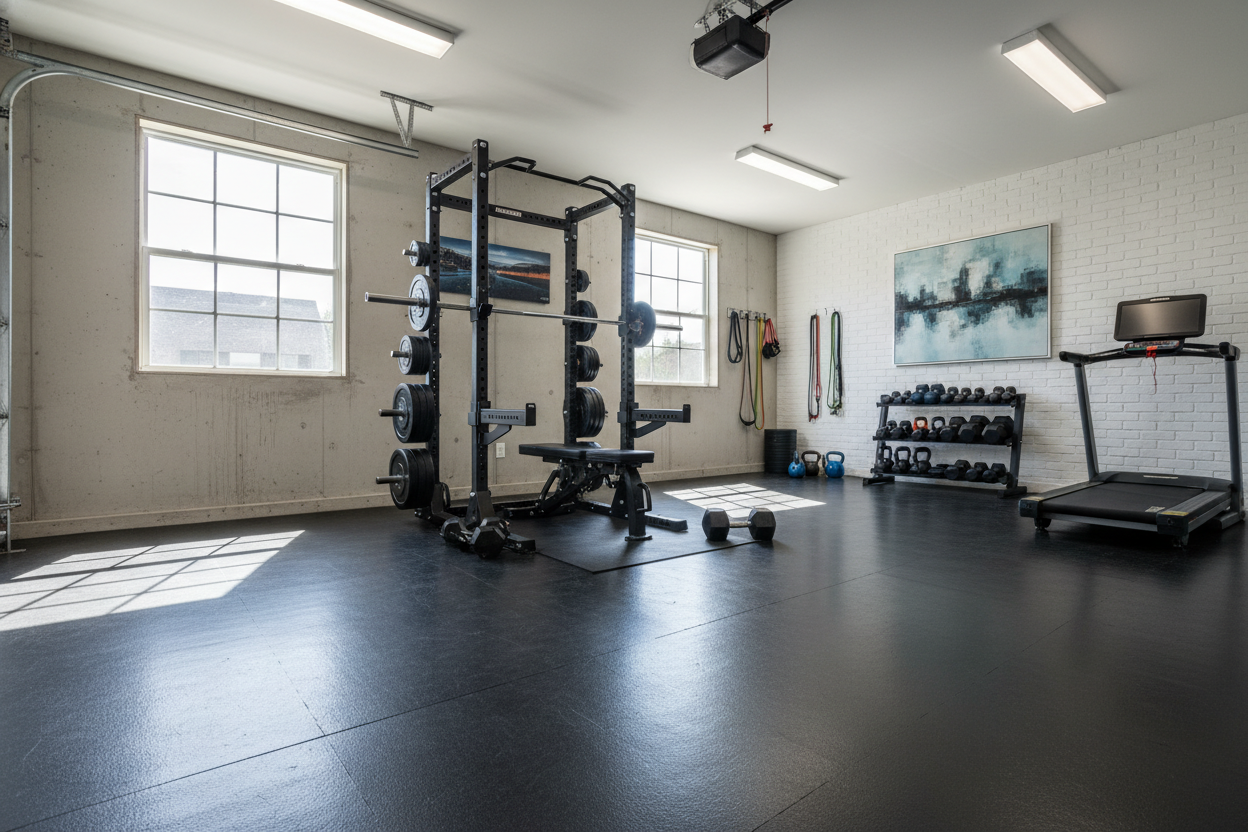
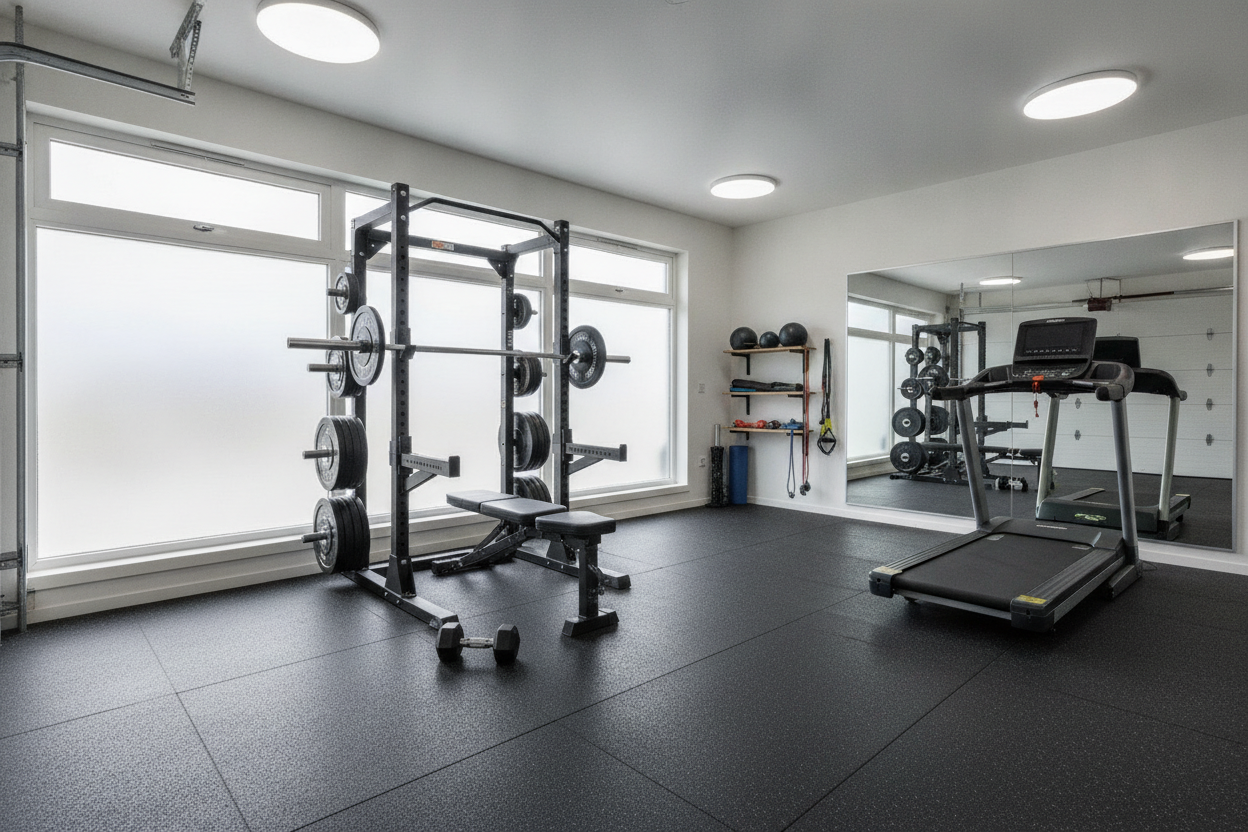
I cleared out the clutter and went back to basics. A simple home setup allows your body to find its natural path of least resistance. Instead of a basement full of single-use isolation equipment, I invested in a solid power rack and bench. When you use a barbell or dumbbells, your stabilizing muscles have to work. This builds the 'old man strength' that actually translates to real life, like lugging 80-pound bags of mulch without throwing your back out.
Your Shoulders Demand a Better Bench Setup
Let’s talk about the bench press. It’s the king of upper body lifts, but it’s also the king of shoulder impingements for the over-40 crowd. Most of the time, the problem isn't the lift itself; it's the equipment. If you’re using a cheap, narrow bench with no grip, your shoulder blades are going to slide around the second you start to sweat. When those blades aren't pinned, your rotator cuffs take the brunt of the load.
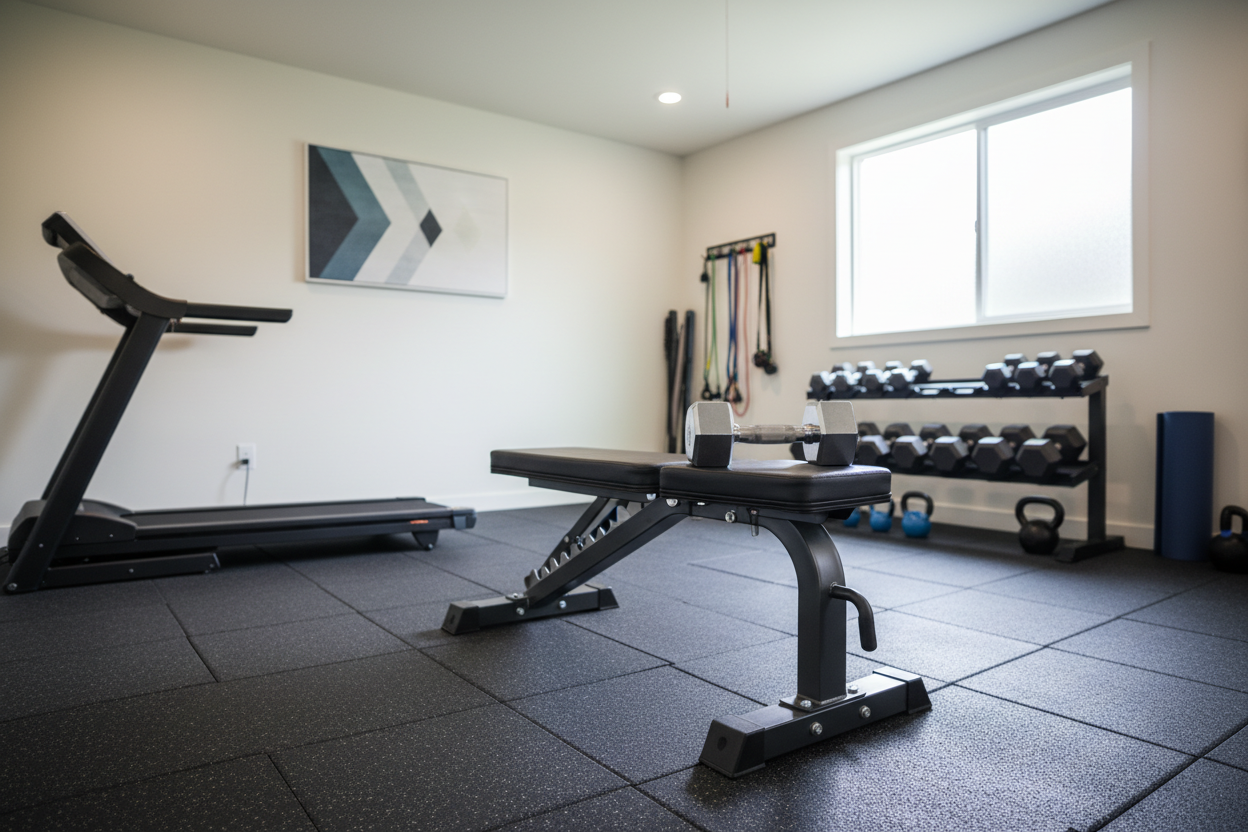
Don't skimp here. Upgrading to a heavy-duty adjustable weight bench ensures your shoulder blades stay pinned and stable during heavy presses. Look for a bench with a high-density foam pad and a 'sticky' vinyl cover. You want to feel like you're glued to the bench. This stability allows you to drive from your legs and keep the tension on your pecs, where it belongs, rather than on the delicate front delts and tendons that have already seen four decades of wear and tear.
Less Frequency, More Intensity: The Golden Rule
The 'grind' culture is a lie for us. Lifting after 40 requires you to respect the rest day. I used to think I needed to be in the gym six days a week to see results. All that did was leave me chronically inflamed and irritable. Now, I train three or four days a week, but I make those sessions count. When you have more rest days, you can actually bring more intensity to the days you do train.
You aren't losing gains by taking a Wednesday off; you're allowing your hormones and joints to recover so you can hit it hard on Thursday. That's exactly why I ditched the six-day split. My muscle mass has actually increased since I started training less frequently because I'm finally recovering from the work I'm putting in. If you're constantly sore, you aren't growing—you're just vibrating at a high level of fatigue.
My Biggest Mistake: Ignoring the Warm-up
When I was 25, my 'warm-up' was doing two reps with the empty bar and then jumping straight to 135. If I try that now, my elbows feel like they're being stabbed with ice picks. My biggest mistake was thinking I could skip the 'boring' stuff. Now, I spend 10 minutes on mobility—shoulder circles, cat-camels, and bodyweight squats—before I even touch a plate. It’s not sexy, but it’s the reason I can still squat deep without my knees screaming at me. If you don't have time to warm up, you don't have time to lift.
FAQ
Can I still build muscle at 40?
Absolutely. You might not pack it on as fast as a teenager on a growth spurt, but with consistent protein intake and progressive overload, you can build significant lean mass. In fact, many men find they have better 'muscle maturity' and mind-muscle connection in their 40s.
How many days a week should I lift?
For most people over 40, three to four days is the sweet spot. This allows for 48 to 72 hours of recovery between hitting the same muscle groups, which is crucial for joint health and hormonal balance.
Should I stop doing heavy squats and deadlifts?
Not necessarily, but you should evaluate your 'risk to reward' ratio. If conventional deadlifts hurt your back, try trap bar deadlifts. If back squats bother your shoulders, try front squats or Goblet squats. There are no mandatory exercises, only mandatory movements.