Why I Finally Started Taking Shoulder Elbow Exercises Seriously
I spent a decade chasing a 315-pound bench press while ignoring the clicking in my rotator cuff and the nagging fire in my lateral epicondyle. For a long time, I thought joint pain was just the 'tax' you paid for lifting heavy in a garage gym. I was wrong. It wasn't until I couldn't even pick up a 20-pound dumbbell without a sharp jab in my forearm that I realized my shoulder elbow exercises were non-existent.
- Stop the Ego: High-volume pressing without rear delt work is a recipe for disaster.
- Stability First: Your elbow pain is often a symptom of a 'leaky' shoulder joint.
- Gear Matters: Cheap, wobbly benches force your stabilizers to work overtime in the wrong ways.
- Consistency: Five minutes of pre-hab daily beats an hour of physical therapy once a month.
Why Your Upper Body Joints Are Screaming at You
The human body is a master of compensation. If your shoulder lacks the stability to overhead press 100 pounds, your body doesn't just stop; it shifts the load down the kinetic chain. Usually, your elbow is the one that picks up the tab. I’ve seen guys wonder if their arm shoulder exercises giving you tennis elbow because they are gripping the bar too hard, but the reality is their scapula isn't moving correctly.
When the shoulder blade is stuck or the rotator cuff is weak, the humerus doesn't sit properly in the socket. This creates a leverage disadvantage that puts massive strain on the tendons connecting at the elbow. It’s a chain reaction. You can't fix a distal problem (the elbow) without addressing the proximal cause (the shoulder).
The Pre-Hab Movements I Actually Do (No Fluff)
I don't have 45 minutes to roll around on a foam roller or do 'corrective' stretches that feel like nothing. I need high-impact movements that prepare me for a heavy session. You don't need a medical degree or a specialized clinic to fix this. In fact, most of these can be done with basic dumbbell exercises for neck and shoulder strength that you can perform right in your rack.
Bottoms-Up Kettlebell Presses
This is the ultimate diagnostic tool. Grab a kettlebell (start light, like 15 or 20 lbs) and hold it upside down. The handle is in your palm, and the heavy bell is balancing on top. Now, press it overhead. If your shoulder is unstable or your elbow tracking is off, that bell is going to flop over immediately. It forces your rotator cuff to fire and keeps your elbow tucked in a safe, strong position.
Banded Face Pulls with External Rotation
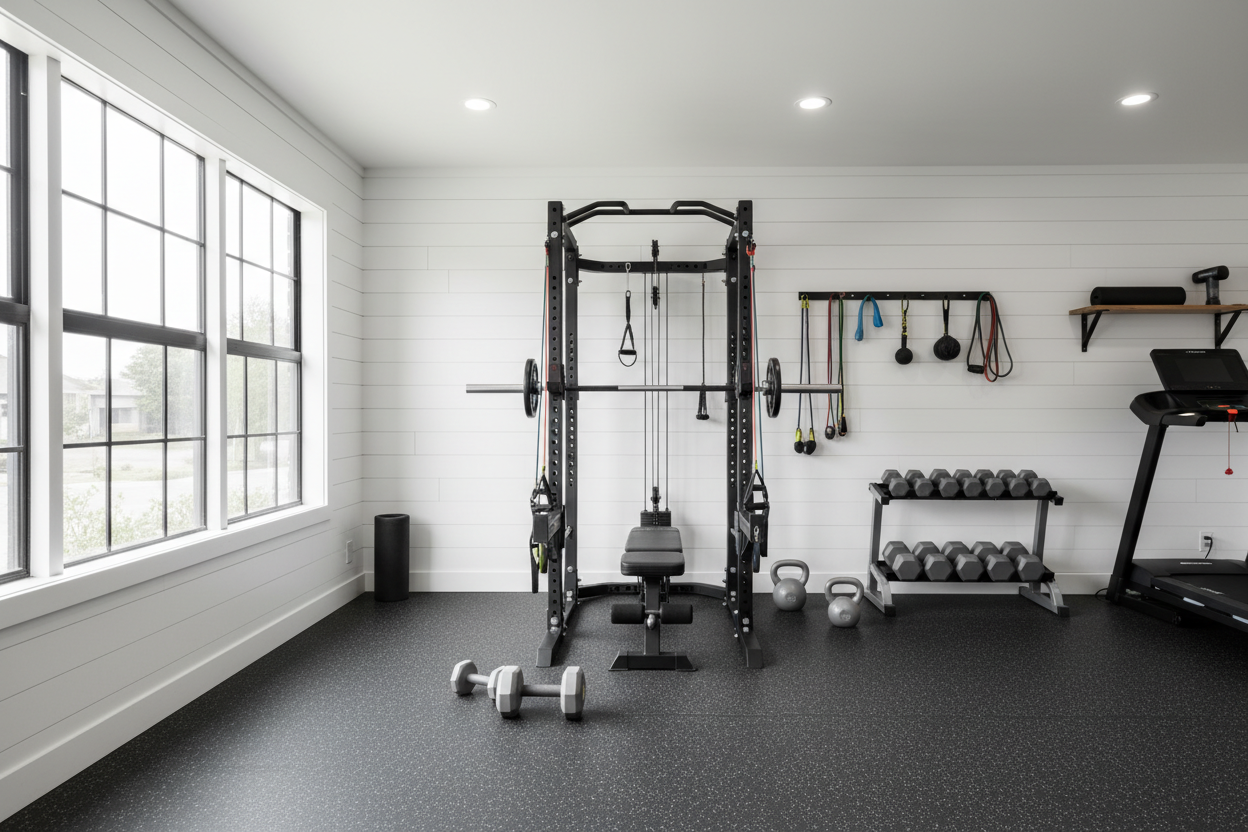
I keep a light resistance band looped over my power rack at all times. The key here isn't just pulling the band to your forehead; it's the 'flip' at the end. Pull the band toward your eyes, then rotate your knuckles back so they face the wall behind you. This hits the rear delts and the infraspinatus, taking the 'hunch' out of your posture and relieving the constant tension on your elbow tendons.
How to Program Shoulder and Elbow Exercises Without Wasting Time
The biggest mistake is treating shoulder and elbow exercises as a separate workout. You'll skip it. Instead, I use them as 'fillers' or active rest. While I'm resting between sets of heavy squats or deadlifts, I’ll knock out 15 face pulls. It keeps the blood flowing without taxing my central nervous system.
Another trick is to use them as a finisher. After your main pressing work, do three rounds of bottoms-up carries. Walk 40 feet with a kettlebell held in that bottoms-up position at shoulder height. Your forearms will burn, but your shoulders will feel more 'packed' and secure than they ever have. This builds the structural integrity needed for those 1RM attempts.
Ditch the Wobbly Gear: Setup Matters
You can do all the pre-hab in the world, but if you’re pressing on a bench that has three inches of side-to-side play, you’re fighting a losing battle. Micro-wobbles are the silent killer of joints. Your brain senses the instability and sends signals to your muscles to tighten up, often in a protective, non-athletic way. Investing in a reliable weight set and bench provides the literal foundation for joint health. A 3-inch wide pad and a frame that doesn't budge allows you to focus on the lift rather than staying balanced.
Personal Experience: The 3-Month Rehab
Two years ago, I bought a cheap, bolt-together bench from a big-box store. It was rated for 500 pounds, but it shook like a leaf. Within a month, I had a 'stabbing' pain in my left elbow every time I touched the bar to my chest. I blamed my age. I blamed my programming. I finally realized the bench was forcing my left shoulder to dip to compensate for a floor that wasn't level and a frame that was crooked. I swapped the bench, added 5 sets of face pulls a week, and the pain vanished in 90 days. Don't let cheap steel ruin your tendons.
FAQ
Do I need heavy weights for elbow pre-hab?
No. For the elbow specifically, high-rep, low-load work is better. Think 20-30 reps with a light resistance band to flush the area with blood. Tendons have poor blood supply, so volume is your friend here.
How often should I do these exercises?
If you're currently in pain, do them every single day. If you're just trying to stay healthy, 2-3 times a week as a warm-up is plenty to maintain stability.
Can I just use dumbbells instead of kettlebells?
You can, but the offset weight of a kettlebell makes it much more effective for 'bottoms-up' work. A dumbbell is balanced, so it doesn't challenge your stabilizers nearly as much.