Why I Ditched the Traditional upper body workout split
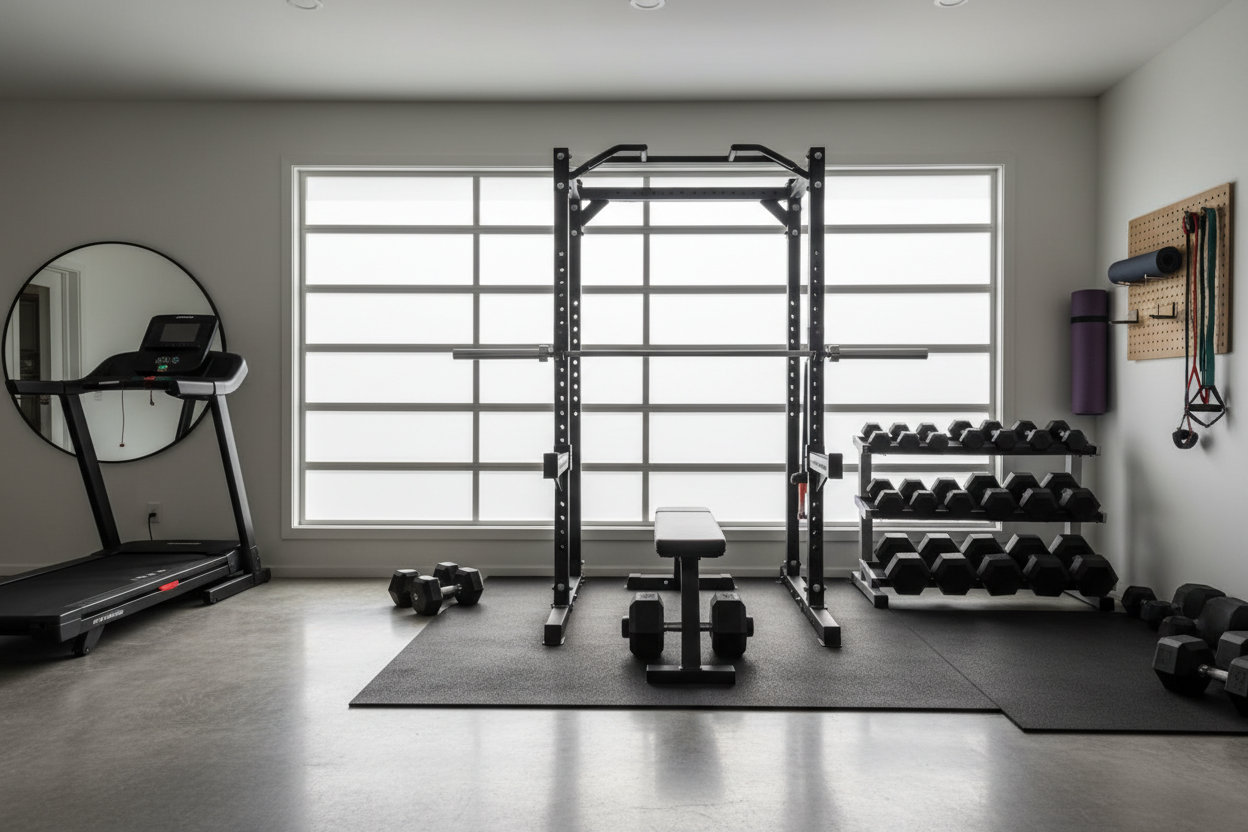
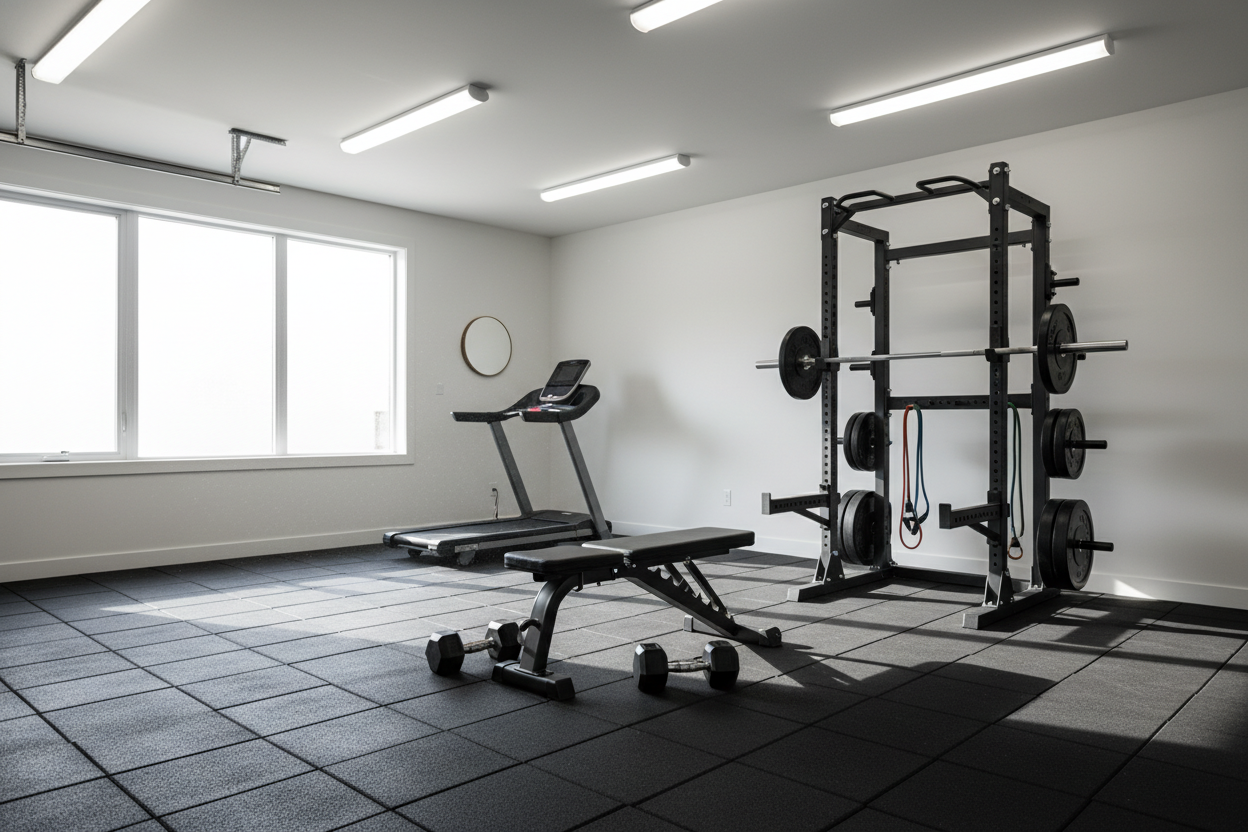
I remember standing in my garage at 9 PM, staring at my rack and feeling completely uninspired by the thought of another 'Chest Day.' I’d been following the same upper body workout split I used in college—chest on Monday, back on Tuesday, shoulders on Wednesday. It was boring, it took forever, and my progress had plateaued harder than a cheap barbell after a 400-pound drop. If you are training in a home gym, you do not have the luxury of spending two hours isolating a single muscle group with six different variations of a fly.
Quick Takeaways
- Traditional bro-splits often leave 5-6 days between stimulating the same muscle group, which is inefficient for natural lifters.
- Antagonistic pairing (push vs. pull) allows one muscle to recover while the other works, increasing total workout density.
- A high-frequency approach hits muscle groups twice a week, doubling the opportunities for growth.
- Using floor-based movements requires proper flooring to protect your joints from concrete impact.
Why the Standard 'Bro Split' Doesn't Work at Home
The 'Bro Split' was born in gold-era gyms where people had three hours a day and a pharmacy of 'supplements' to aid recovery. For the rest of us hitting the iron in a 10x10 spare room, it’s a waste of time. When you isolate chest and back on different days, you’re only stimulating those fibers once every seven days. Research shows muscle protein synthesis returns to baseline within 36 to 48 hours for most natural lifters. By the time your next Monday chest session rolls around, you’ve spent four days in a neutral state rather than an anabolic one.
In a home gym environment, your most valuable asset is your time and your ability to explore different training styles in our workout hub. Splitting your upper body into tiny, isolated pieces makes it impossible to maintain the frequency needed for real strength gains. You end up doing 'junk volume'—those fifth and sixth sets of cable crossovers that don't actually add slabs of meat to your frame but do add wear and tear to your rotator cuffs.
The Fix: An Antagonistic upper body training split
The most effective way to overhaul your routine is to move to an antagonistic upper body training split. This means you pair a pushing movement directly with a pulling movement. Think Bench Press followed immediately by a Barbell Row. This isn't just about saving time; it’s about performance. While your chest is contracting during the press, your lats are being stretched and receiving blood flow. When you flip to the row, the opposite happens.
This structure allows you to keep the intensity high because you aren't waiting three minutes between sets doing nothing. You rest 60-90 seconds between the push and the pull, which keeps your heart rate elevated and improves your work capacity. I’ve found that my second exercise in a pair often feels stronger because the opposing muscle group has been 'woken up' by the previous set. It’s a more athletic way to train that builds a balanced physique without the typical 'rounded shoulder' look of someone who only cares about their bench press numbers.
Exactly how to split upper body workout days
If you're wondering how to split upper body workout sessions across a week, don't overcomplicate it. I recommend a four-day split: Upper A, Lower A, Rest, Upper B, Lower B, Rest, Rest. This ensures you hit every upper body muscle twice a week while giving your central nervous system enough breathing room to recover. In a garage gym, you don't need a dozen machines; you need a solid barbell, a set of dumbbells, and a plan that prioritizes big, compound movements over fluff.
Session A: Heavy Mechanical Tension
The first upper body split workout of the week is all about raw strength. We’re working in the 4-6 rep range. I focus on heavy floor presses and weighted pull-ups. Floor presses are a staple for me because they limit the range of motion just enough to protect the shoulders while allowing you to move massive weight. Pair these with a heavy Pendlay row. You want the kind of weight that makes your 11-gauge steel rack groan a little. Focus on explosive concentric movements and controlled eccentrics. You’re not chasing a pump here; you’re chasing a higher number on the plates.
Session B: High-Volume and Metabolic Stress
Session B is where we drive blood into the muscle and focus on hypertrophy. We’re moving into the 12-15 rep range. Instead of the barbell, grab the dumbbells. Pair incline dumbbell presses with one-arm rows. The goal here is short rest periods and maximum tension. If you’re feeling particularly gassed or just want to mix things up, you can even pivot this into a quick 30-min HIIT workout to sculpt upper body. It’s a great way to build work capacity while still getting the volume in for your shoulders and arms without the joint stress of another heavy session.
Protecting Your Joints During Floor-Based Lifts
Training in a garage usually means dealing with concrete. If you’re doing floor presses, skull crushers, or dumbbell pullovers, your elbows and spine are going to take a beating if you aren't careful. I learned this the hard way after a month of floor-pressing on a thin yoga mat—my elbows felt like they’d been hit with a ball-peen hammer. You need a dedicated lifting surface that offers enough compression to save your joints but enough density that you don't lose your stability.
I eventually upgraded to a heavy-duty 6x8ft exercise mat. It’s thick enough to dampen the impact when I drop a 50-lb dumbbell, and it provides a consistent grip so my feet don't slide during a heavy press. If you’re serious about this split, stop lifting on bare concrete. Your future self’s joints will thank you.
My Personal Experience
I spent three years chasing a 315-lb bench press using a standard chest day once a week. I got stuck at 275 for nearly 18 months. It wasn't until I switched to this antagonistic split—hitting my chest and back twice a week—that I finally broke the plateau. The downside? I had to humble myself. I couldn't move as much weight on Day 1 because I was supersetting with heavy rows. But within six weeks, my total volume had skyrocketed, and my back was wider than it had ever been. The lesson: frequency beats ego every single time.
FAQ
Can I do this split with only dumbbells?
Absolutely. Just increase the rep ranges slightly if your dumbbells don't go heavy enough to hit that 4-6 rep failure point. The antagonistic principle stays the same regardless of the tool.
Is this split good for weight loss?
It’s excellent. Because you’re supersetting push and pull movements, your heart rate stays significantly higher than a traditional body-part split, turning your strength session into a high-calorie-burning event.
How long should I rest between supersets?
Aim for 60 seconds between the push and the pull, then take a full 2 minutes before starting the next pair. This gives your ATP stores enough time to recover so you can keep the intensity high.