Why I Ditched My Separate Equipment for a Combo Rack (And You Might Too)
When I first started getting serious about strength training, my garage looked like a jigsaw puzzle of mismatched equipment. I had a basic bench press setup in one corner, a squat rack squeezed against the wall, and barely enough room to actually move between them. Sound familiar? It wasn't until I discovered the combo rack that my training space—and my entire approach to lifting—completely changed.
For anyone who's passionate about building strength but doesn't have a commercial gym's worth of space, understanding what a combo rack offers can be absolutely game-changing. Let me walk you through everything I've learned about these brilliant pieces of kit.
What Exactly Is a Bench and Squat Rack Combo?
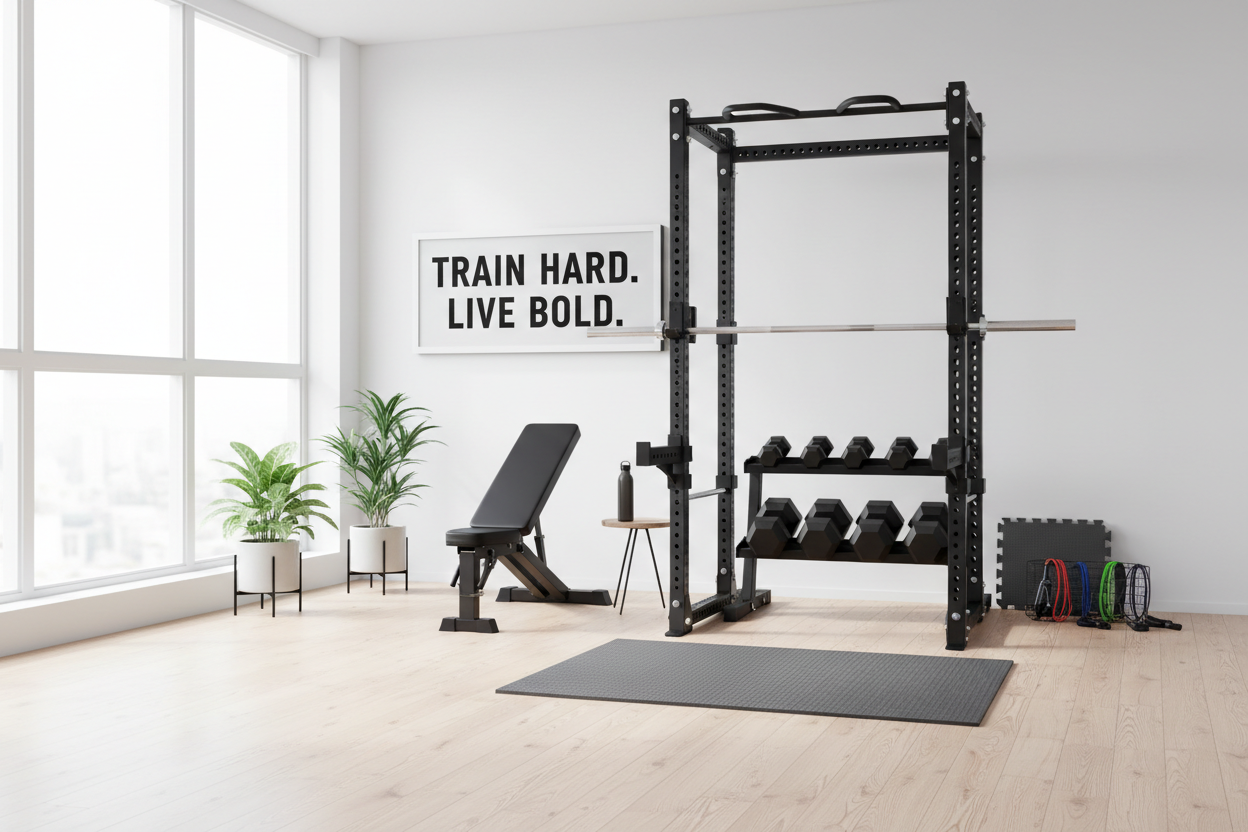
A bench press squat rack combination is essentially two fundamental pieces of strength equipment merged into one intelligent design. Rather than having separate stations for your squats and bench work, a bench squat rack combo provides a single, sturdy frame that accommodates both exercises safely and efficiently.
The beauty of a squat rack and bench press combo lies in its versatility. You've got adjustable uprights for squatting at various heights, integrated safety catches (absolutely essential, trust me), and either an attached bench or compatible bench positioning for pressing movements. Some models even include pull-up bars, plate storage, and other additions that make them proper training stations rather than just racks.
The Space-Saving Reality
Here's something nobody tells you when you start building a home gym: space disappears faster than you'd think. A standard power rack can take up 4-6 feet of floor space, and then you need additional room for a separate bench setup. Before you know it, you're training in what feels like a cupboard.
A squat rack bench press combo typically occupies the same footprint as a single power rack but gives you the functionality of multiple pieces. When I switched to a combo squat rack, I suddenly had room to actually do my warm-up mobility work, store my plates properly, and—this was revolutionary—walk around my equipment without doing that awkward sideways shuffle.
Competition-Grade Options: Are They Worth It?
If you're training seriously or considering competing, you've probably come across the competition bench and squat rack combo. These aren't just marketing fluff—there's genuine value here for dedicated lifters.
A competition rack is built to meet specific federation standards, typically featuring precise measurements, commercial-grade steel construction, and the kind of stability that doesn't wobble when you're unracking 150kg. The competition powerlifting rack will usually have wider spacing options, band pegs for accommodating resistance, and the exact specifications you'd encounter on the platform.
I'll be honest: when I first saw the price difference between a basic combo rack and an IPF combo rack, I nearly fell off my bench. But here's what I've learned from training with both—if you're regularly lifting heavy, testing your maxes, or preparing for actual competition, that investment in a powerlifting combo rack pays for itself in confidence and safety. There's something about knowing your equipment won't fail that lets you push harder.
Finding the Right Combo Rack for Your Needs
Shopping for a combo power rack can feel overwhelming because there's such a range available. I've seen people get paralyzed by choice and end up buying nothing, or worse, grabbing the first cheap combo rack they find and regretting it within months.
Start with your actual training style. Are you a powerlifter who needs those competition specs? A CrossFit enthusiast who wants pull-up bars and flexibility? Or someone who just wants to squat and bench safely at home? Your answer determines whether you need a full competition setup or a simpler bench and rack combo.
When I was researching combo racks for sale, I made a checklist: weight capacity (always go higher than you think you'll need), hole spacing on the uprights (smaller spacing means more precise height adjustments), bench quality if it's included, and safety features. Those safety catches have saved me more than once when training alone, and they're non-negotiable in my book.
The Combo Rack vs Power Rack Debate
This question comes up constantly: should you get a combo rack or just invest in a separate power rack and bench? I've trained with both setups extensively, and here's my honest take.
A traditional power rack offers maximum versatility. You can position a bench anywhere within the cage, you've got four posts for ultimate stability, and many exercises become possible with the enclosed design. However, they're larger, often more expensive, and if you're tight on space, they can dominate your entire training area.
The bench rack combo sacrifices some of that enclosed versatility for a smaller footprint and often a lower price point. You're typically working with a half-rack or squat stand design with an integrated or attachable bench. For most home lifters, this is plenty. I've built genuine strength using a combo bench setup, and I never felt limited by the equipment—only by my own effort (or lack thereof on tough days).
Budget Considerations and Smart Shopping
Let's talk money, because that's real. A powerlifting combo rack for sale can range from a few hundred pounds to several thousand. I've seen people drop serious cash on equipment they barely use, and I've seen others get incredible value from mid-range options.
If you're looking at a cheap combo rack, don't just chase the lowest price. I learned this the hard way with my first setup—I bought what seemed like a bargain, and within six months, the welds were sketchy, the bench wobbled, and I genuinely worried about safety. Sometimes spending an extra couple hundred pounds upfront saves you from replacing equipment (or worse, dealing with an injury from failed equipment).
That said, you don't need the most expensive IPF combo rack unless you're actually competing at that level. There's a sweet spot in the mid-range where you get solid construction, good weight capacity, and features that matter without paying for brand prestige or specs you'll never use.
My Personal Experience: What Actually Matters
After years of training with various setups, here's what I've found genuinely matters in a squat bench combo: stability is everything. When you're under a heavy bar, you need to trust your equipment completely. The mental game of lifting is hard enough without wondering if your rack might shift.
Second, adjustability makes or breaks your experience. I'm not particularly tall, so having multiple height options for both squatting and benching means I can set up perfectly every time. This isn't just comfort—it's safety and efficiency.
Third, the bench quality (if included) deserves serious attention. I've used combo racks with flimsy, narrow benches that made pressing feel unstable, and I've used ones with proper, wide, commercial-style benches. The difference in your pressing strength and confidence is remarkable.
Making Your Decision
Choosing the right combo squat rack comes down to honest assessment of your goals, space, and budget. If you're training for powerlifting competitions, investing in a competition-grade setup makes sense. If you're a fitness enthusiast who wants to build strength at home, a quality mid-range option will serve you brilliantly for years.
Don't get caught up in having every feature or the absolute top-of-the-line model. I've seen incredible physiques built with basic equipment and poor results from people with state-of-the-art gear. The rack doesn't build your strength—your consistency and effort do. The equipment just needs to be safe, stable, and suitable for your training style.
Whatever you choose, make sure it fits your space properly (measure twice, order once), meets your weight capacity needs with room to grow, and comes from a reputable manufacturer with decent customer support. Your home gym should inspire you to train, not frustrate you with equipment limitations or safety concerns.
The combo rack that transformed my garage gym might not be the perfect choice for you, but understanding what these versatile pieces of equipment offer puts you in a much better position to make the right call for your training journey.