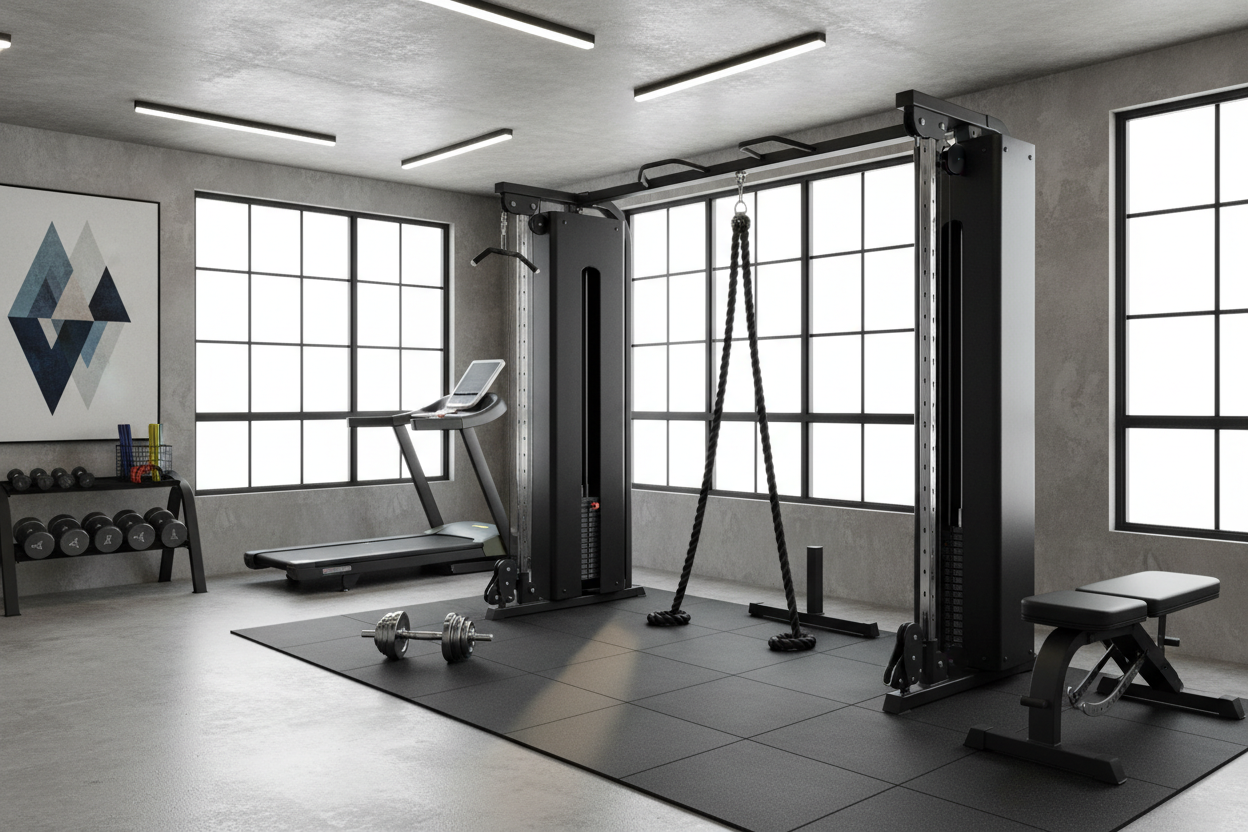
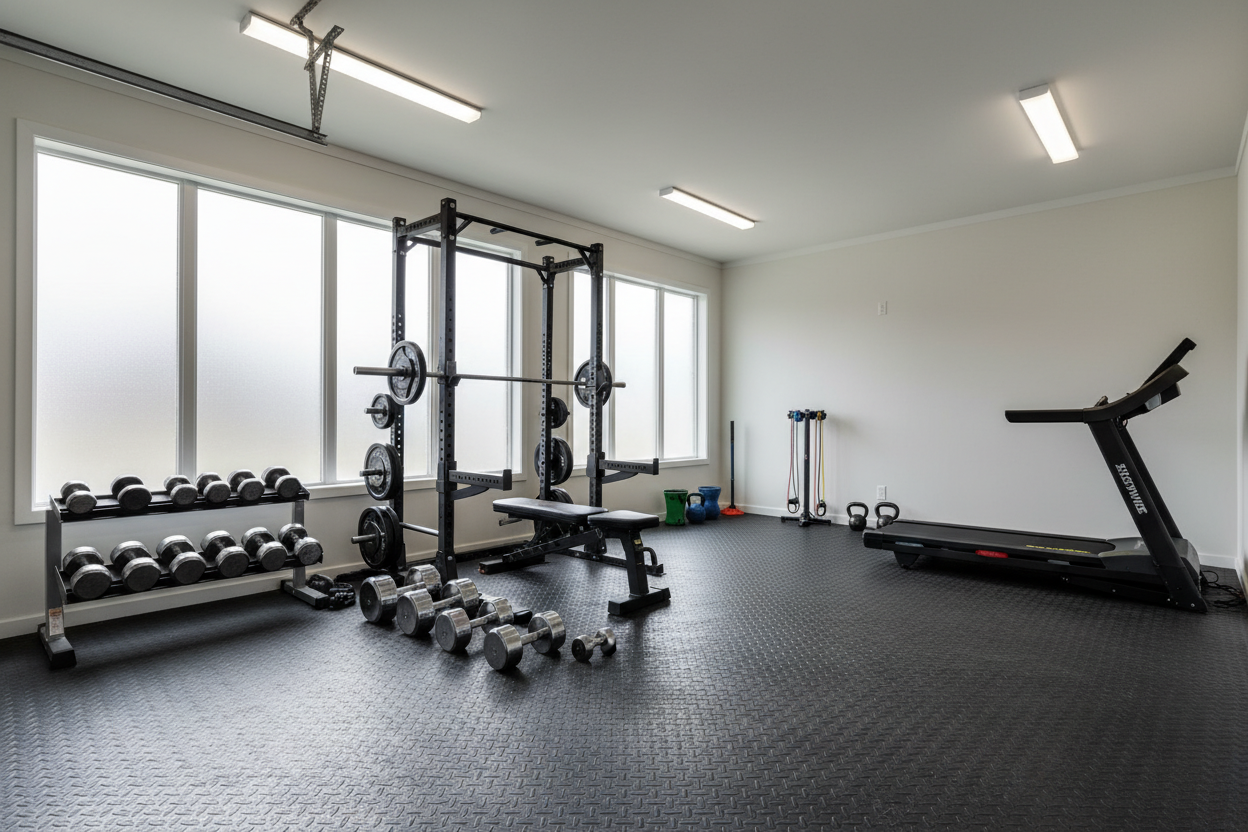
Why I Always Pick This for My First Exercise in Gym
I remember the first time I walked into a 'real' commercial gym. It smelled like rubber and cheap cologne, and I felt like a total fraud. I spent ten minutes pretending to tie my shoes and checking my phone while I scanned the floor, looking for a first exercise in gym that wouldn't make me look like a complete amateur.
Walking into a sea of power racks and specialized machines is intimidating even for veterans. If you do not have a plan, you end up pacing the floor, which spikes your cortisol and makes you want to leave before you even touch a barbell. You need a win, and you need it fast.
Quick Takeaways
- The seated cable row is the ultimate 'icebreaker' because it requires zero complex setup.
- Starting with a machine removes the fear of dropping weights or losing your balance.
- Doing a simple movement first builds the mental momentum needed for a first workout.
- You can practice the hard stuff like squats and deadlifts in private before bringing them to the gym floor.
The 'Wandering Around Aimlessly' Trap
Most people fail their first workout in gym settings not because they aren't strong enough, but because they get paralyzed by choice. You see a guy deadlifting 500 pounds in the corner, a group of teenagers hogging the bench press, and suddenly, you feel like you are in the way.
This 'wandering around aimlessly' is a session killer. Every minute you spend looking for a vacant piece of equipment is a minute your anxiety has to grow. You need a designated 'home base'—one machine that is almost always available and incredibly easy to use.
Why You Need an Icebreaker for Your First Workout in Gym
An icebreaker movement is about psychology, not just physiology. You want a machine that is bolted to the floor, has a clear diagram on the side, and keeps you out of the high-traffic 'shark tank' where the heavy free weights live. It lets you get your heart rate up and your muscles moving without the stress of a technical setup.
When you sit down and start moving, you stop being a spectator and start being an athlete. That shift in identity is the most important part of your first session. Once you have a pump in your back and arms, the rest of the gym suddenly looks a lot less scary.
Meet Your New Best Friend: The Seated Cable Row
The seated cable row is my go-to recommendation for anyone starting out. Physically, it is one of the safest movements you can do. You are sitting on a bench, your feet are braced, and the weight is on a controlled pulley system. There is no risk of a bar falling on your chest or losing your balance and tipping over.
It is also a 'high-visibility' exercise. You can see the whole gym from the row station. It gives you a chance to scout out which machines are free and how other people are using the equipment while you are actually working. It’s like a scouting mission that also builds a thick back.
How to Sit Down and Pull Without Overthinking
Don't overcomplicate the form. Sit down, grab the handle (usually a V-bar), and plant your feet firmly on the pads. Keep a slight bend in your knees—never lock them out. Pull the handle toward your stomach, focusing on driving your elbows back behind your body rather than just pulling with your hands.
Think about squeezing your shoulder blades together like you are trying to hold a pen between them. If you are worried about how your back should look, checking out these Home Gym Workout Routines With Pictures: Form-First Guide can help you visualize the movement. Keep your chest up and avoid leaning too far back as you pull.
What to Do After You Break the Ice
Once you’ve finished three sets of rows, the ice is officially broken. Your blood is flowing, and you've established your right to be on the floor. From here, I suggest sticking to a simple circuit of machines. Hit the chest press, the leg press, and maybe a lat pulldown.
Machines are your friends during those first few weeks. They have fixed paths of motion, which means you don't have to worry about stabilizing a wobbly barbell. Save the complex stuff for later once your 'gym legs' are under you.
Practicing the Hard Stuff Away From the Crowds
Here is a secret: you do not have to learn how to squat or lunge in front of a crowd. If the thought of the free weight section still makes you sweat, start training those patterns at home. Your First Beginner Workout With Weights Doesn't Need a Gym to be effective; you can master the basics with just your body weight or a single kettlebell.
I often tell my friends to set up a Large Exercise Mat For Home Gym use in their garage or living room. It gives you a dedicated, slip-free space to record your form on your phone and fix your technique in private. By the time you take those moves to the commercial gym, you'll have the muscle memory to do them with total confidence.
Personal Experience: My First Day Fails
I once spent 15 minutes trying to figure out how to adjust the seat on a leg extension machine because I didn't want to ask for help. I ended up doing the exercise with the pad hitting my mid-shin, which felt terrible and looked even worse. I was so worried about 'looking like I knew what I was doing' that I actually did it wrong.
The lesson? Everyone is looking at their own reflection or their phone. No one is watching you as closely as you think. If I had just started with a simple cable row, I would have settled my nerves and probably realized that the seat adjustment was just a simple yellow pin.
FAQ
What if the cable row is taken?
Go to the lat pulldown. It’s the same basic principle—a cable machine with a simple seat. If that's also busy, find any selectorized machine (the ones with the weight stacks and pins) and just get moving.
How much weight should I start with?
Start with the lightest weight on the stack. Do five reps. If it feels like nothing, move the pin down two plates. Your goal for the first day is to feel the muscle work, not to find your absolute limit.
Is it okay to only use machines?
Absolutely. Some of the biggest bodybuilders in the world rely heavily on machines. They are great for isolating muscles and staying safe. You can move to barbells whenever you feel ready, or never at all.