Why Gaining 10 lbs of Muscle in 4 Weeks Is a Biological Joke
I was scrolling through my feed the other night, right after a heavy squat session that left my knees feeling like they were filled with gravel. An ad popped up promising 10 lbs of muscle in 4 weeks. It had the classic ‘before’ photo of a guy looking like a sad noodle and an ‘after’ photo where he looked like he’d been inflated with an air compressor.
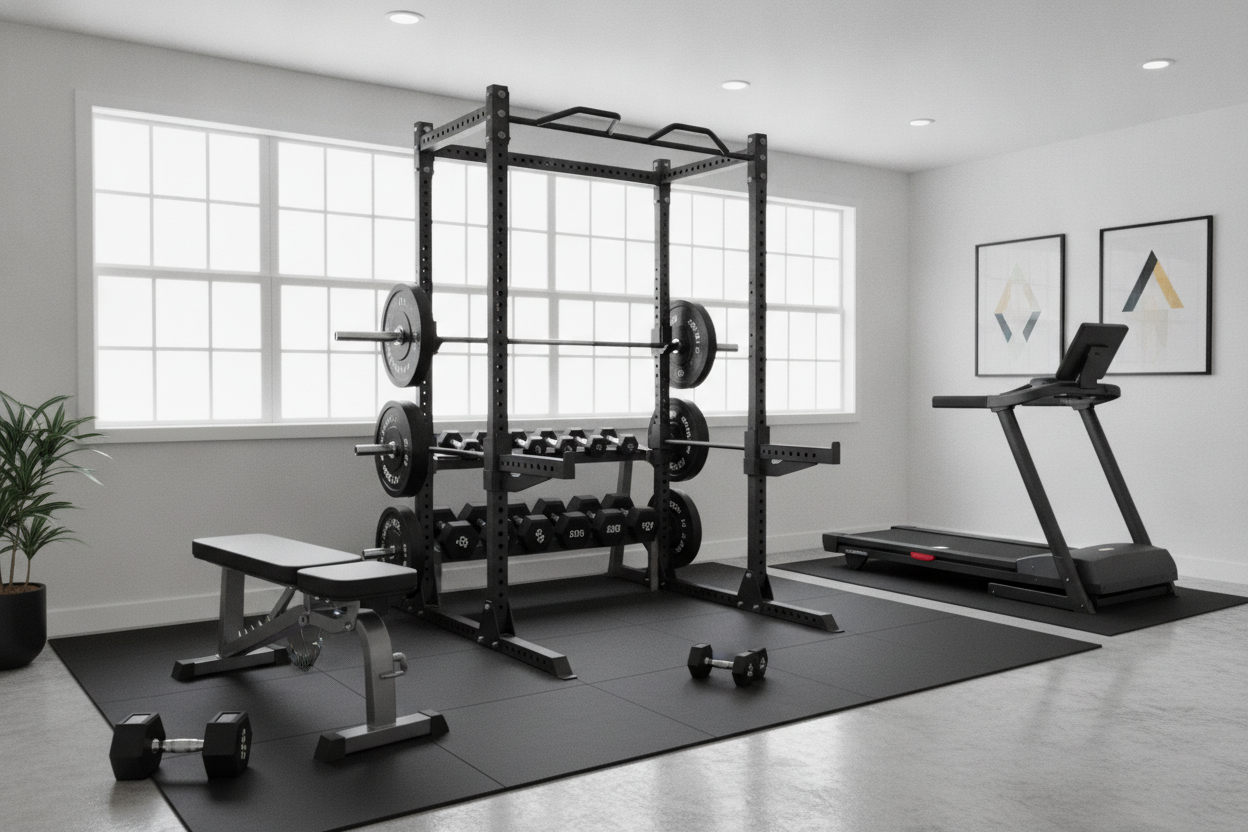
I’ve spent fifteen years in my garage gym, moving thousands of pounds of iron and testing every rack and barbell that hits the market. I’ve seen guys go from 135-lb bench presses to 405-lb grinders. Not one of them—not even the ones on ‘special’ supplements—put on ten pounds of actual, dry contractile tissue in a single month. It’s a biological impossibility for a natural lifter, and it’s time we stopped falling for the marketing fluff.
Quick Takeaways
- Actual muscle growth is a slow, metabolic process that takes months, not weeks.
- The initial weight gain seen in programs promising 10 pounds muscle 4 weeks is mostly water and glycogen.
- Gaining weight on the scale is easy; gaining lean tissue is hard.
- Focusing on progressive overload is better than chasing a 30-day scale goal.
The Supplement Industry's Favorite Lie
The 30-day window is the sweet spot for scammers. It’s long enough for you to see the number on the scale move, but short enough that you’ll buy the ‘mass gainer’ powder or the ‘anabolic’ training program before you realize you’re just getting soft around the middle. When people search for 10 pounds of muscle in 4 weeks, they are looking for a shortcut that doesn't exist.
Magazines and YouTube thumbnails love this lie because it creates urgency. If they told you the truth—that you might gain one pound of muscle a month if you do everything perfectly—you wouldn't buy their $60 tub of sugar-filled protein. They sell the dream of a total body transformation in the time it takes to grow a decent beard. It’s predatory, and it sets beginners up for massive disappointment when the ‘muscle’ they gained disappears the moment they stop eating 4,000 calories of junk.
What Happens When You Try for 10 Pounds of Muscle in 4 Weeks
If you step on the scale after four weeks of ‘bulking’ and you’re up 10 pounds, you didn't just defy the laws of human physiology. You just got better at holding onto fluids. Real muscle—the stuff that actually makes you stronger and looks dense under a shirt—is incredibly ‘expensive’ for your body to build and maintain.
When you see a claim of 10 pounds of muscle in 4 weeks, you’re looking at a mix of things. You’ve got intramuscular water, increased blood volume, more food sitting in your digestive tract, and, yes, a fair amount of body fat. If you’re lucky, maybe 0.5 to 1 pound of that is actual muscle fiber. The rest is just filler that makes your scale feel good while your waistline expands.
The Glycogen and Water Illusion
Here is the trick: when you start a high-volume program and eat a massive caloric surplus, your body stores more glycogen in the muscles. Glycogen is basically stored sugar. For every gram of glycogen your body stores, it pulls in about three to four grams of water.
If you haven't been training hard and suddenly start, your muscles will ‘inflate’ with this water and sugar. You look bigger in the mirror and the scale jumps. This is the ‘newbie gain’ illusion. It’s not new muscle tissue; it’s just your muscles becoming better-hydrated sponges. As soon as you drop your calories back to normal, that ‘muscle’ vanishes in a weekend of frequent bathroom trips.
Your Body's Actual Speed Limit for Muscle Growth
Your body has a speed limit for muscle protein synthesis. Even if you have elite genetics and you’re sleeping 10 hours a day, your body can only stitch together so much new protein into muscle fibers in 24 hours. For a beginner, gaining 1 to 2 pounds of actual muscle in a month is a massive win. For an intermediate or advanced lifter, you’re lucky to see 0.5 pounds.
It is helpful to understand What 10 lbs of Muscle Before and After Actually Looks Like. Ten pounds of real lean tissue is enough to change your entire physical presence. It’s the difference between looking like you ‘work out’ and looking like a competitive athlete. Trying to force that much growth in 28 days is like trying to grow a redwood tree in a flower pot using extra fertilizer. You’ll just end up with a mess.
How to Train for Real, Keepable Mass
If you want to actually look different a year from now, stop trying to get huge by next month. You need a program that focuses on progressive overload—adding five pounds to the bar or doing one more rep than last time. I’ve wasted months on ‘high-intensity’ programs that burned me out before I realized that consistency beats intensity every time.
I personally found that I made much better progress when I stopped trying to kill myself in the gym six days a week. Giving your body time to actually repair the damage you do is where the growth happens. I’ve seen better results switching to a 3 days muscle building workout because it allowed me to actually recover and hit my heavy sets with 100% effort. If you’re always sore, you aren't growing; you’re just staying injured.
Stop Chasing the Scale (And Do This Instead)
The scale is a liar. It doesn't know the difference between a new pound of bicep tissue and a pound of water retention from that salty pizza you had last night. If you want to track real progress, buy a tape measure and a notebook. Are your arms getting bigger while your waist stays the same? Are you adding weight to your 5-rep max on the overhead press?
Stop chasing 10 lbs of muscle in 4 weeks. It’s a ghost. Instead, aim to be slightly stronger every single week. If you put 50 pounds on your squat over the next six months and keep your body weight relatively stable, I guarantee you’ll look better than the guy who ‘bulked’ 20 pounds in a month and now gets winded walking up the stairs. Real mass takes time. Grab a heavy bar, eat your protein, and settle in for the long haul.
FAQ
Can a beginner gain 10 lbs of muscle in a month?
No. They can gain 10 lbs of weight, but it will be a combination of water, glycogen, and fat. Actual muscle tissue growth for a beginner tops out at around 2 pounds per month in the best-case scenario.
Is 10 lbs of muscle a lot?
Yes, it’s a massive amount of tissue. Ten pounds of lean muscle spread across your frame will completely change how your clothes fit and how your physique looks. It usually takes a natural lifter 6 to 12 months of dedicated training to gain that much real muscle.
Why did the scale go up 5 lbs in my first week of training?
That is almost certainly water retention and increased glycogen storage. Your muscles are reacting to the new stress by pulling in more fuel and fluid to prepare for the next workout. It’s a good sign you’re working hard, but it isn't permanent muscle yet.