Why Failing on Purpose Solved How to Gain Muscles Faster for Me
I remember staring at my squat rack three years ago, frustrated that my shirt sleeves were still loose despite five days a week in my garage. I was buying every supplement on the shelf and following the same 'pro' splits I saw on Instagram, but the scale wasn't moving. I finally realized that my search for how to gain muscles faster was missing the most obvious variable: I was simply being too nice to myself during my sets.
The Big Lie We All Tell Ourselves About Effort
Most of us are allergic to actual effort. We talk about Reps in Reserve (RIR), but we're usually lying to our logs. If you think you have one rep left, you probably have four. This gap is exactly why you aren't growing. You stop when the lactic acid stings, but the real growth happens when the muscle fibers are forced to move a load they can barely handle.
When you stop a set because it 'got hard,' you're leaving the most effective reps on the table. To get muscles quick, you have to bridge the gap between discomfort and actual physical limitation. If you can still talk or breathe normally after a set of ten, you didn't actually do a set of ten; you did a warm-up.
- RPE 10 means zero reps left in the tank.
- Most lifters train at RPE 6 while claiming it's an 8.
- Intensity is the primary driver of hypertrophy, not just time spent in the gym.
What True Muscular Failure Actually Feels Like
True failure isn't a feeling; it's a speed. When you're grinding out a rep and the bar slows down despite you pushing with everything you've got—that's involuntary bar speed reduction. That is the magic zone for anyone wondering how to get muscles fast. It's not about the 'pump' or the sweat. It's about mechanical tension.
This is especially true on leg day, where most people quit because their lungs hurt or their brain wants to stop, not because their quads actually gave out. If you want to know How To Gain Muscle In Legs Fast The Hypertrophy Blueprint, you have to learn to distinguish between being out of breath and local muscular failure. You need to reach the point where the weight literally stops moving, no matter how much you scream at it.
Why You Need a Safe Setup to Push the Limits
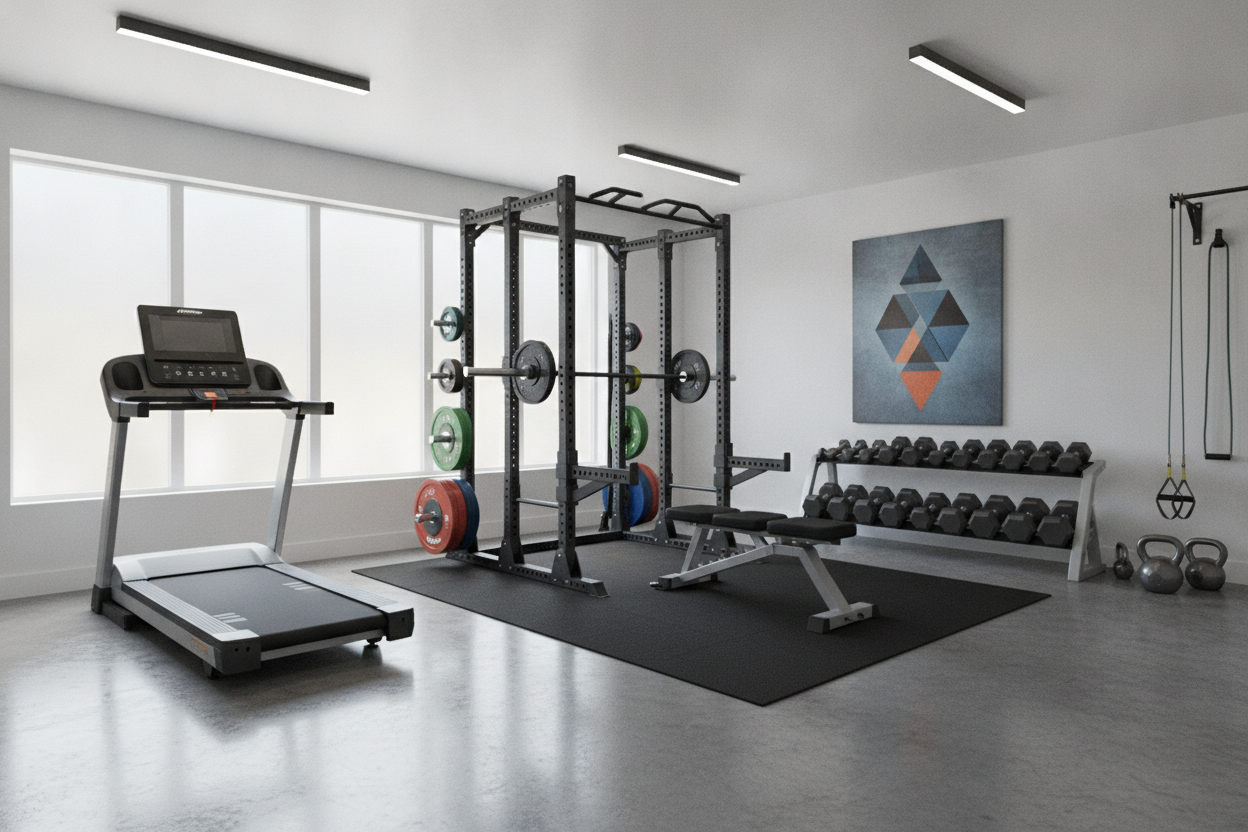
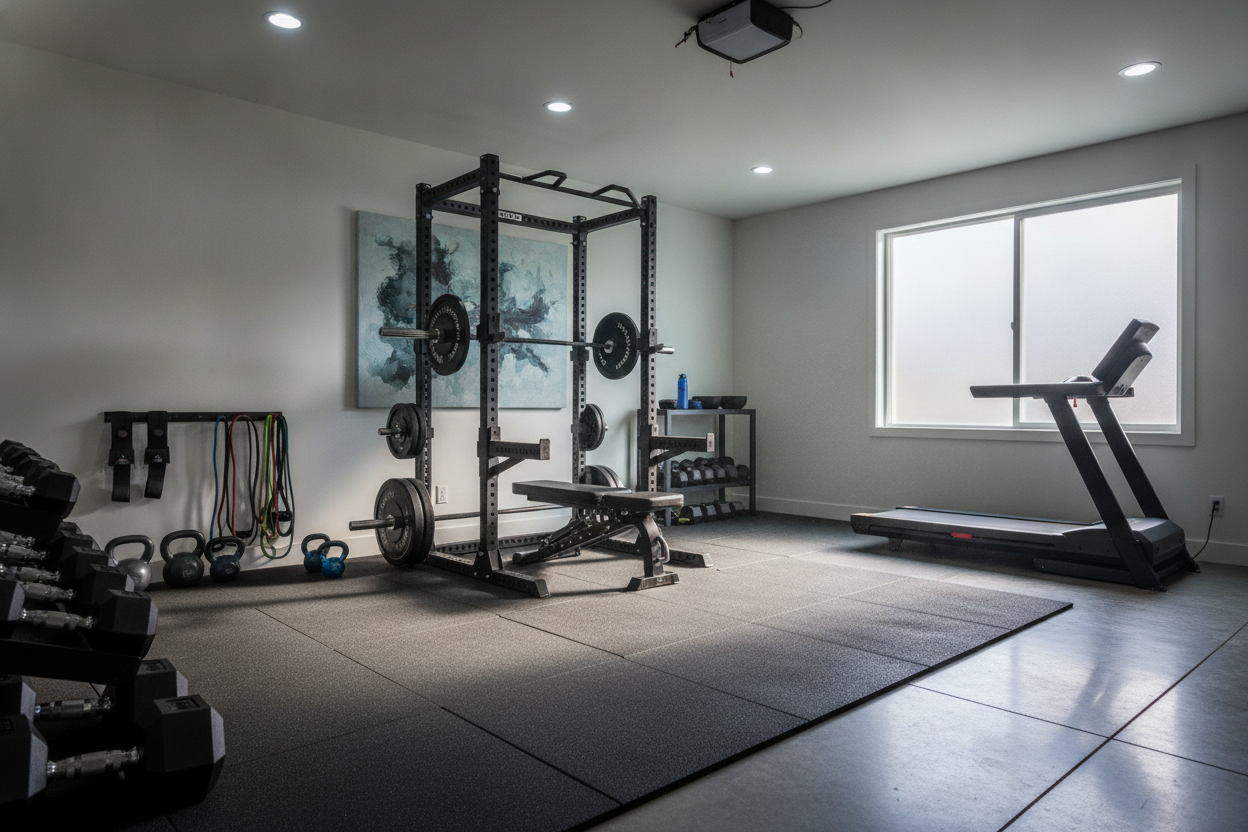
You can't train to failure if you're scared of your equipment. If you're benching without spotter arms or using a cheap bar that feels like it might snap, your brain will shut you down early as a survival mechanism. I spent $400 on a solid set of safety straps just so I could fail a squat without ending up in the ER. That safety allows the mental freedom to go for that 'maybe' rep.
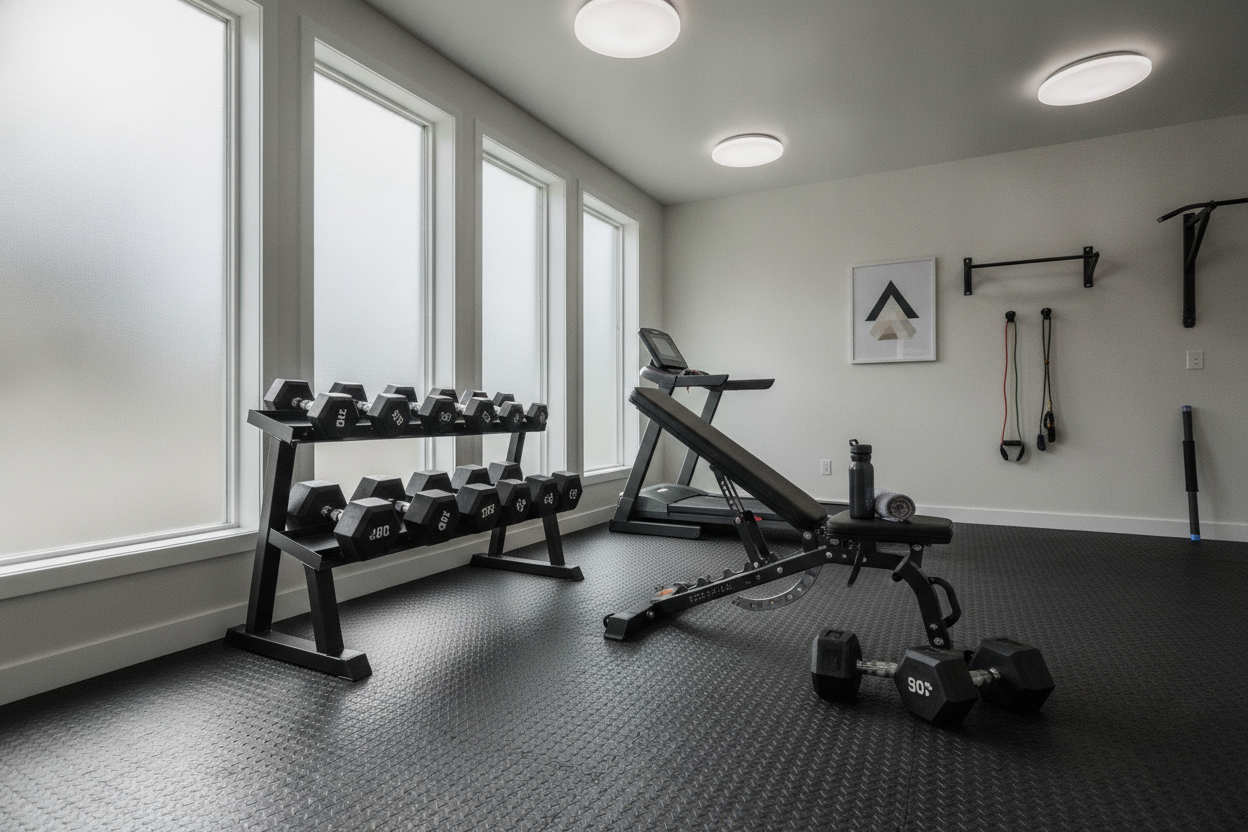
The same goes for your floor. If you're worried about cracking the concrete, you'll baby your dumbbells and end the set early. Investing in the Best Large Exercise Mat means you can actually drop those 90-pounders when your grip gives out at the end of a heavy set of rows. High-intensity training requires an environment where you can fail safely and loudly.
The 'Plus Two' Challenge for Your Next Workout
Here is a concrete way to grow muscle faster: try the 'Plus Two' rule. Next time you think a set of rows or overhead presses is done, force yourself to attempt two more reps. If you can actually finish them with decent form, your previous baseline for 'failure' was way too low. You've been sandbagging yourself.
This applies even if you're working with limited gear or no rack. As I've noted in No Bench? How to Be Build Muscle Fast on the Floor, intensity is the equalizer. Whether you are using a $3,000 power rack or just a pair of dumbbells on the floor, the muscle only cares about how close it got to its limit. Most people find they've been training at 60% intensity while thinking they were at 90%.
Don't Fry Your Nervous System (When to Back Off)
While hitting failure is the fastest way to gain muscle mass, you can't do it on every single set. If you take every set of a 5x5 heavy squat program to absolute failure, you'll fry your central nervous system (CNS) before the end of the week. You'll wake up feeling like you were hit by a truck, and your strength will actually start to regress.
The smart way to put on muscle quick is to save the 'death reps' for your last set of a compound movement or for your isolation work. Use failure as a tool, not a constant state of being. Hit your heavy triples or fives with a rep or two left in the tank, then go absolutely nuclear on your curls, lateral raises, and leg extensions. This gives you the growth stimulus without the systemic burnout.
How often should I train to absolute failure?
I recommend taking the final set of every accessory exercise to failure. For big compound lifts like deadlifts, keep 1-2 reps in the tank to avoid injury and CNS fatigue.
Will training to failure make me overtrain?
Only if your recovery is trash. If you're sleeping 8 hours and eating enough protein, your body can handle high-intensity sets. If you're on a massive calorie deficit, back off the failure sets.
What if my form breaks down before failure?
That is called 'technical failure.' When you can no longer complete a rep with proper form, the set is over. Pushing through with bad form is how you tear a labrum, not how you grow a chest.