Why Every Serious Gym-Goer Needs a Power Rack (And How I Wish I'd Got One Sooner)
If you're serious about building strength and muscle, there comes a point when dumbbells and resistance bands just won't cut it anymore. I remember hitting that wall myself—I was making progress with my home workouts, but I knew I needed something more substantial to really push my limits safely. That's when I started looking into proper strength training equipment, and honestly, investing in a quality power rack changed everything about how I train at home.
For anyone wondering what all the fuss is about, let me break down why a powerlift power rack has become the cornerstone of serious home gyms everywhere, and why it might just be the best investment you'll make in your fitness journey.
What Exactly Is a Power Rack?
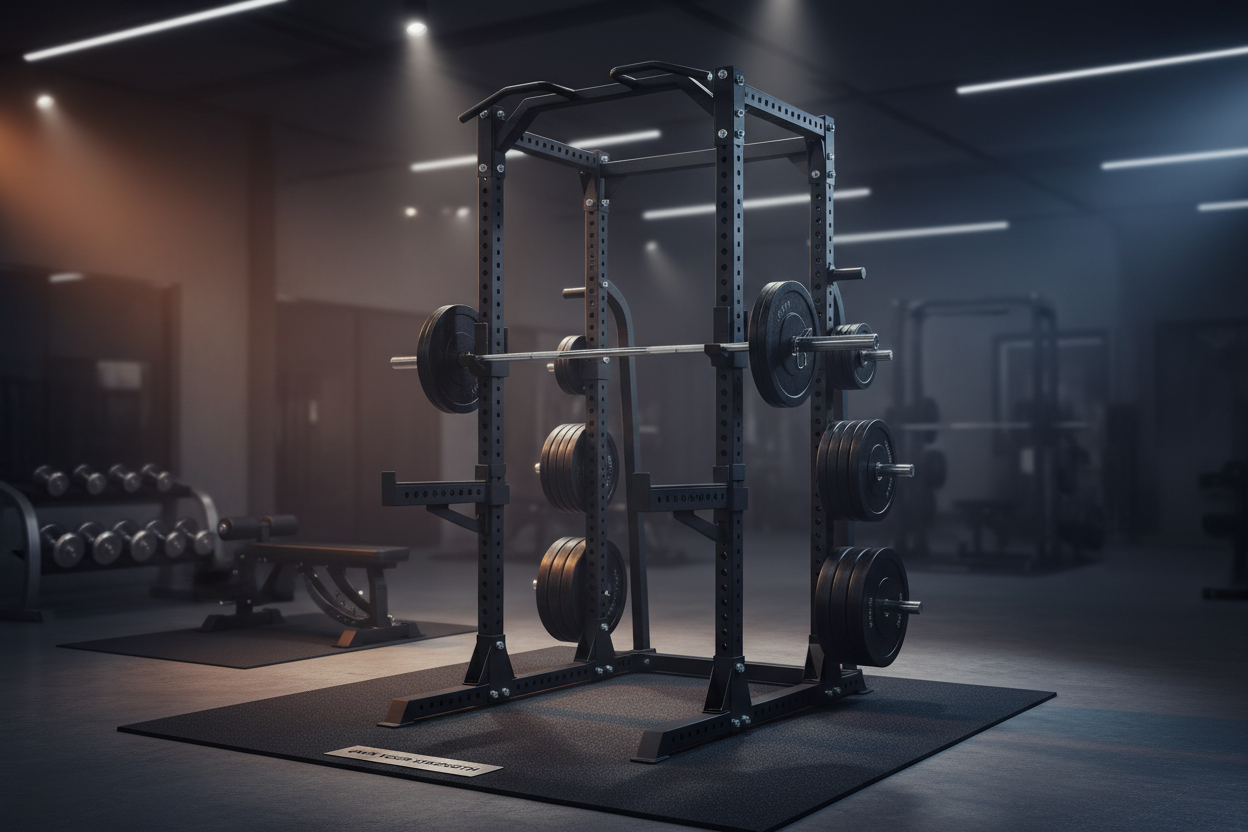
A power lift weight rack is essentially a sturdy steel frame with adjustable safety bars and J-hooks that allow you to perform heavy compound lifts safely—even when training alone. Think of it as your own personal spotter that never gets tired or distracted. The beauty of these racks is that they're designed to catch the barbell if you fail a rep, which means you can genuinely push yourself without the fear of getting pinned under a heavy weight.
The basic structure includes four vertical posts connected by horizontal bars, with adjustable safety catches positioned at various heights. This simple but brilliant design opens up a world of exercises that would otherwise require a training partner or be too risky to attempt solo.
Why Safety Matters More Than You Think
I'll be honest—I used to think I could just be careful and I'd be fine. But after one too-close call with a bench press, I realized that proper safety equipment isn't about being weak or scared; it's about being smart. When you're working with heavy weights, especially near your maximum capacity, things can go wrong quickly. Your grip might slip, your form might break down on that last rep, or you might simply misjudge your energy levels.
With a powerlift power rack, you set the safety bars just below your lowest range of motion. If you can't complete a rep during squats, you simply lower the bar onto the safeties and step out. No drama, no injury, no problem. This safety net actually allows you to train harder because you're not holding back out of fear.
The Exercises You Can Master
What makes a power lift weight rack so valuable is its versatility. It's not just a one-trick pony—it's an entire gym condensed into one piece of equipment. Here's what you can do:
Squats of Every Variety
Back squats, front squats, box squats—the rack handles them all. You can position the J-hooks at the perfect height for your frame, load up the barbell, and squat with confidence knowing those safety bars have got your back (quite literally). Squats are the king of lower body exercises, building everything from your quads and glutes to your core stability.
Bench Press Without the Worry
By sliding a bench inside the rack and setting the safety bars appropriately, you can bench press heavy without needing a spotter. I can't tell you how liberating this is when you want to train early morning or late at night without coordinating schedules with a gym buddy.
Overhead Press and Pull-Ups
Most quality racks come with a pull-up bar integrated into the top frame, giving you an excellent bodyweight exercise option. The overhead press is another fantastic movement you can perform safely within the rack, building shoulder strength and stability.
Rack Pulls and Partial Movements
By adjusting the safety bars to different heights, you can perform rack pulls (a variation of deadlifts starting from an elevated position) and other partial range movements that help you build strength in specific portions of a lift.
Choosing the Right Rack for Your Space
Not all power racks are created equal, and your choice should depend on your space, budget, and training goals. Here's what I've learned matters most:
Stability and Weight Capacity
Look for a rack with a weight capacity well above what you plan to lift. A good powerlift power rack should handle at least 500-700 pounds, even if you're not lifting that much yet. The heavier and more stable the rack itself, the safer you'll be when moving serious weight around.
Adjustability
The more adjustment holes in the uprights, the better. You want to be able to fine-tune the height of your J-hooks and safety bars to match your exact proportions and the specific exercise you're doing. Some racks have holes every inch, while budget options might have them every few inches—this matters more than you'd think.
Size Considerations
Measure your space carefully before buying. A standard power lift weight rack needs about a 6-foot by 6-foot footprint, plus you need to account for loading plates onto the barbell (add another foot or two on each side). Ceiling height matters too—you need enough clearance for overhead movements and pull-ups, so aim for at least 7-8 feet of headroom.
My Personal Journey With the Rack
When I first got my rack set up in the garage, I'll admit I felt a bit intimidated by it. This big, serious piece of kit staring at me made everything feel very real. But that first squat session changed my perspective entirely. Being able to load up weight I'd never attempted before, knowing I could safely bail if needed, was genuinely empowering.
Within a few months, my squat numbers jumped significantly, my confidence soared, and I found myself actually looking forward to those tough training sessions. The rack didn't just change my workouts—it changed my entire relationship with strength training. I went from being cautious and conservative to genuinely pushing my boundaries.
Beyond Just Lifting: The Long-Term Value
Here's something people don't always consider: a quality powerlift power rack is practically indestructible. Unlike cardio machines that wear out or need maintenance, a solid steel rack will outlast most other fitness equipment. It's a one-time investment that serves you for decades.
Plus, as your fitness journey evolves, the rack grows with you. Beginners can start with basic movements and light weights, while advanced lifters can add attachments like dip bars, landmine stations, and band pegs to expand their training options even further.
Making It Work in Real Life
The practical benefits extend beyond just the exercises themselves. Having a power lift weight rack at home means no more waiting for equipment at crowded gyms, no more rushing to make it before closing time, and no more monthly membership fees adding up year after year. You train on your schedule, in your space, with your music playing as loud as you want.
For parents, busy professionals, or anyone with an unpredictable schedule, this convenience factor alone makes the investment worthwhile. I can squeeze in a quick 30-minute session between work calls or after the kids are in bed, without the overhead of traveling to and from a gym.
Final Thoughts
If you're committed to building real strength and you have the space for it, a powerlift power rack isn't just nice to have—it's essential. It's the difference between dabbling in strength training and truly committing to getting stronger, safer, and more capable.
Yes, it's an investment. Yes, it takes up space. But what you get in return is freedom, safety, and the ability to train at your absolute best without compromise. Looking back, I only wish I'd made the jump sooner. The months I spent working around the limitations of inadequate equipment were months I could have been making better progress.
Your fitness journey deserves proper tools. A quality rack isn't about showing off or having a fancy home gym—it's about respecting your goals enough to give yourself the best chance of achieving them. And trust me, once you've experienced the difference, you'll wonder how you ever trained without one.