Why Every 'Daily Exercise for Woman' Plan Fails by Day 14
I have spent thousands of dollars on equipment that eventually became expensive laundry racks. It usually starts the same way: a midnight Amazon spree fueled by a sudden burst of motivation. But if you have to drag a heavy coffee table out of the way and wrestle with a curling yoga mat just to start your exercise for woman routine, you are going to quit by next Tuesday. Consistency is not a willpower issue; it is a logistics issue.
- Friction is the primary reason most home routines fail.
- A permanent, non-slip floor space is more important than fancy machines.
- 15 minutes of movement beats a 60-minute session you never start.
- Invest in gear that stays out and stays ready.
The Willpower Myth (And Why Your Living Room is the Problem)
The fitness industry loves to tell you that you just do not want it enough. They blame your lack of discipline for why that 'daily exercise for women' program fell off after two weeks. I am here to tell you that is nonsense. The real culprit is setup friction. If your workout requires ten minutes of preparation, your brain will find ten reasons to skip it.
The most successful daily exercise for woman habit is the one with zero barriers. You should be able to step onto your workout surface and start moving within thirty seconds. When your environment is chaotic, your routine becomes a chore. You need a dedicated zone where the gear is already there, waiting for you.
Stop Unrolling That Cheap Yoga Mat Every Morning
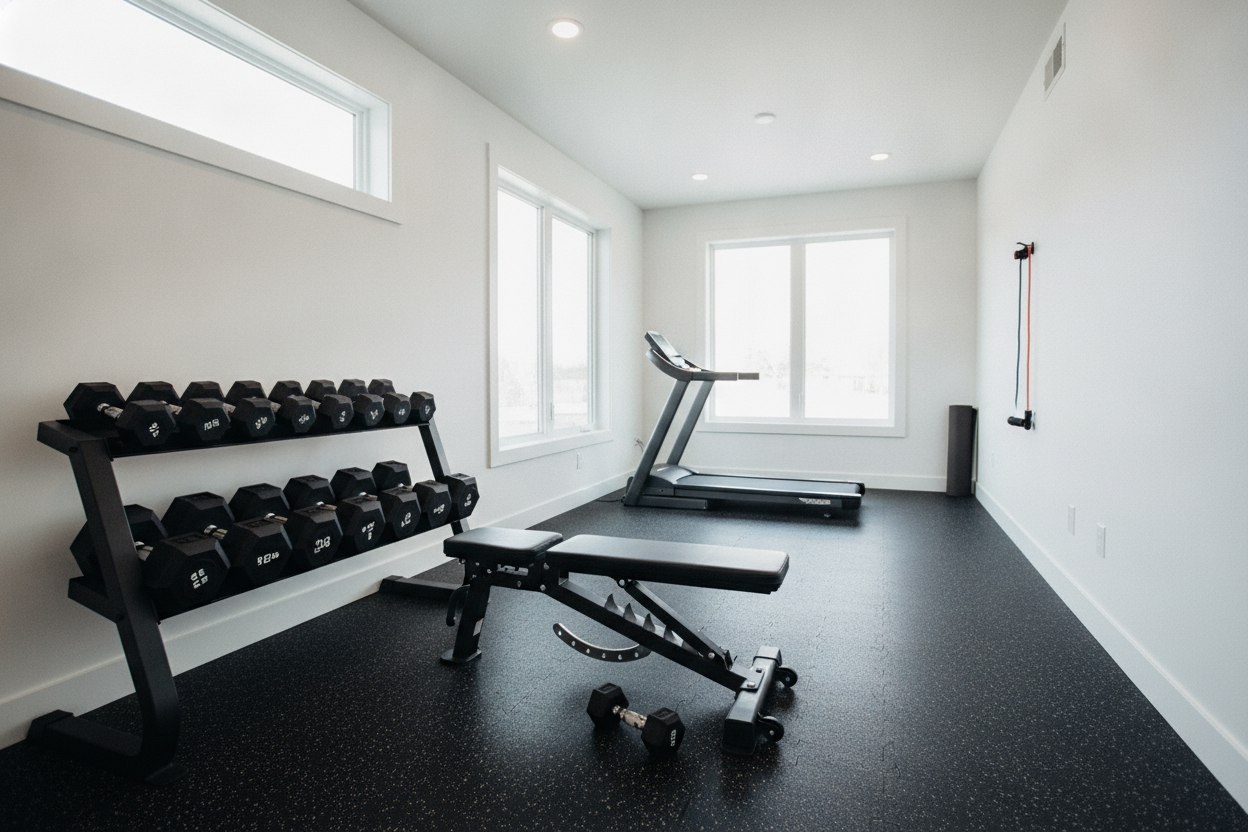
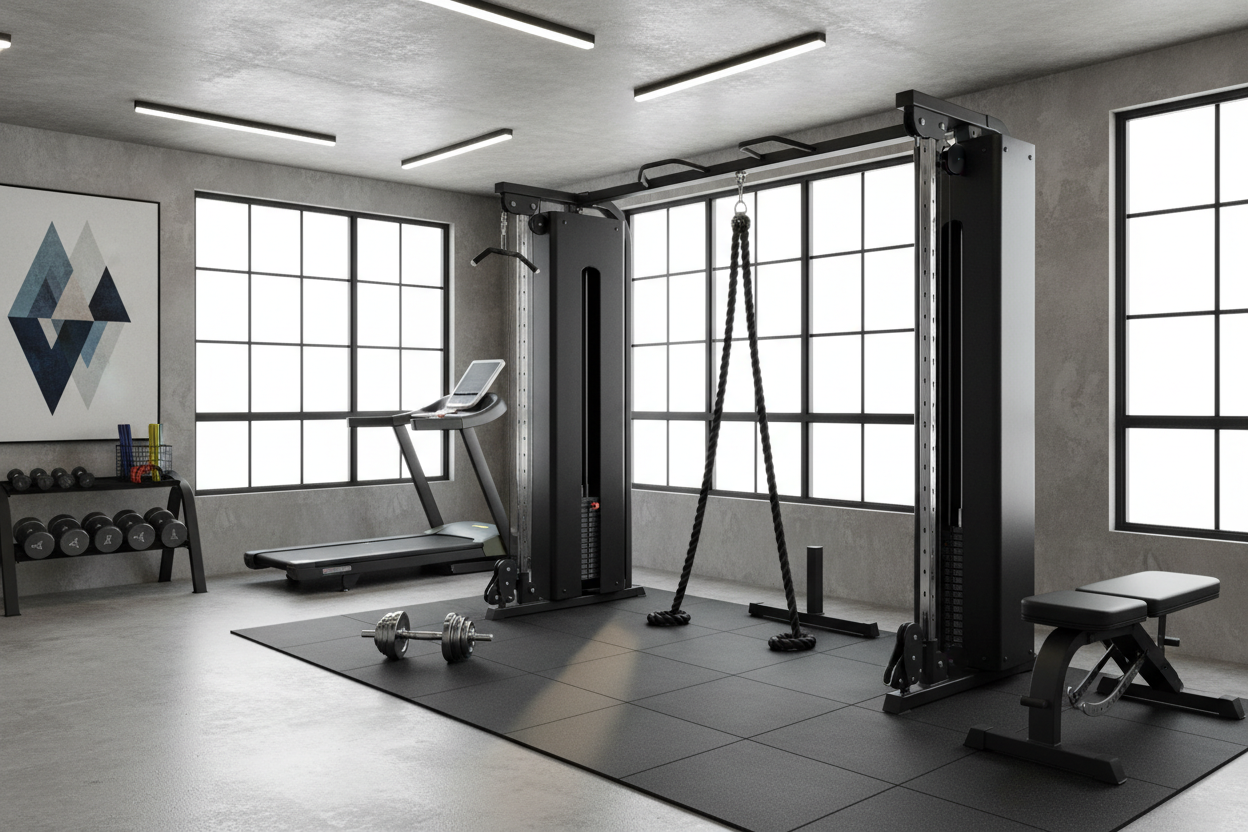
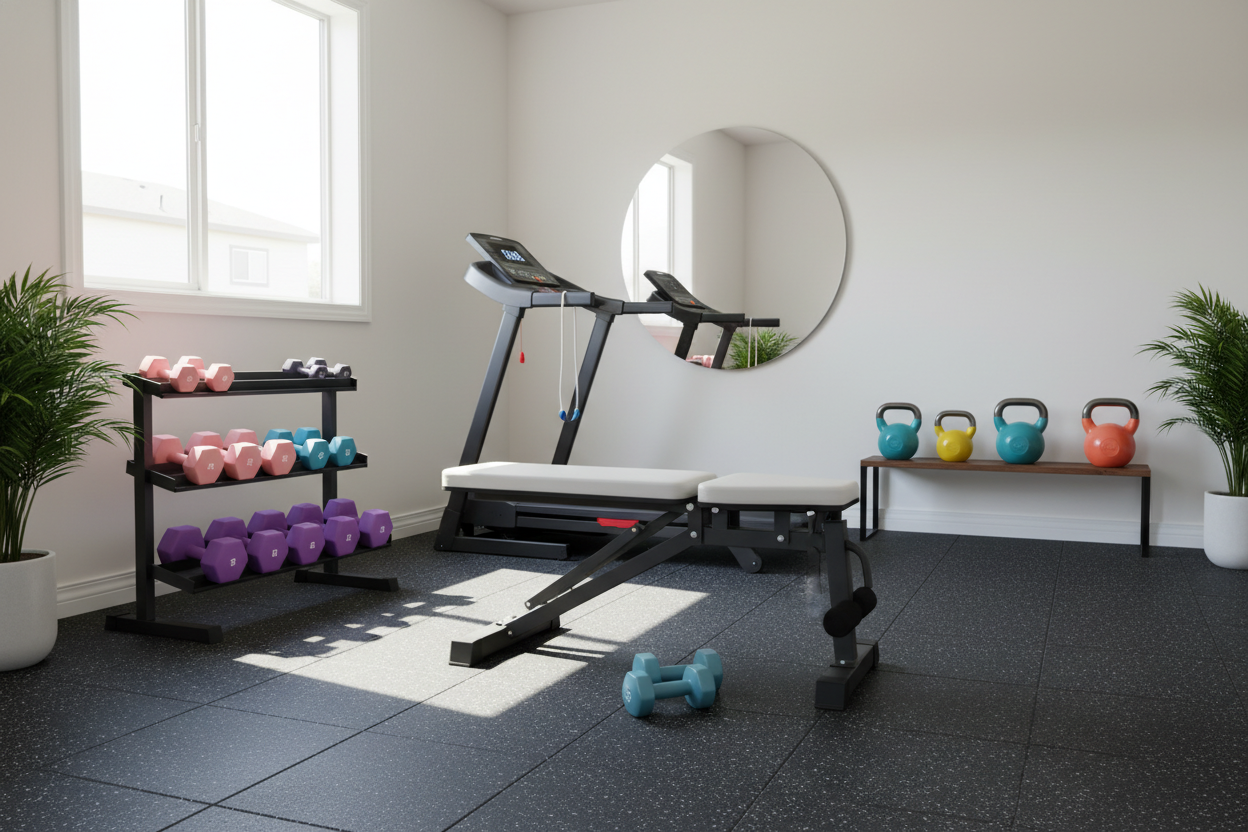
Those thin, 4mm mats you find at the grocery store are a plague on home fitness. They slide on the floor, they smell like a chemical plant, and they never lay flat. If you are constantly stopping your flow to kick the corners of your mat back into place, you are losing momentum. Transitioning to a large exercise mat for home gym use is the single best upgrade you can make.
A permanent mat creates a psychological boundary. When you step onto that heavy-duty surface, your brain switches into 'work' mode. I have tested mats that claim to be non-slip but end up bunching under your feet during a simple mountain climber. You want something with enough density to protect your joints but enough grip to stay anchored to your subfloor, whether that is hardwood or tile.
The 'Frictionless' Movement Menu
Forget the hour-long 'sweat-fests' that leave you drained for the rest of the day. For most of us, a 15-minute frictionless daily routine for home is far more effective because it actually happens. You do not even need to change into 'proper' gym clothes if you do not want to. Just move.
I recommend a 'menu' approach to daily exercises for women. Pick three movements: one for your lower body, one for your upper body, and one for your core. This keeps the decision fatigue low. If you spend twenty minutes scrolling for a video to follow, you have already lost the battle. Keep it simple, keep it fast, and keep it consistent.
A Realistic Daily Workout Women Actually Have Time For
Here is a 20-minute session I have seen work for everyone from busy moms to corporate executives. Start with 10 goblet squats using a light dumbbell or even a heavy water bottle. Follow that with 10 push-ups—elevate your hands on a sturdy chair if you need to. Finish with a 30-second glute bridge hold. Repeat this for four or five rounds.
Doing these movements on proper gym flooring for home workout sessions makes a massive difference in your comfort. I used to do core work on a thin rug and my tailbone would be sore for days. Once I switched to a 6x4ft dedicated mat, I stopped making excuses about the floor being too hard. This is a daily workout women can actually sustain because it does not beat up your body.
How to Scale Up Without Losing the Habit
Once you have hit 21 days of consistent movement, you might find that the daily exercise for ladies routine you started with feels a bit too easy. That is a good problem to have. Do not ruin it by adding a complicated 90-minute bodybuilding split. Instead, just increase the resistance or the density.
Add a few more reps or pick up a slightly heavier weight. The goal is to keep the 'frictionless' nature of the habit intact while slowly upping the ante. If you keep the setup easy, the progress will follow naturally.
My Honest Experience: The Dresser Incident
I once tried to start a daily mobility habit in a 4x4 space between my bed and a dresser. On day four, I swung my leg for a lateral lunge and smashed my ankle into the wood. I didn't work out again for three weeks. It taught me that space and safety are the foundations of any habit. If you don't have a clear, dedicated spot, you are subconsciously waiting for an excuse to stop. Buy the bigger mat, clear the floor, and give yourself a chance to succeed.
Frequently Asked Questions
How much space do I really need for a home setup?
A 6x4 foot area is the gold standard. It gives you enough room to lay down fully and move side-to-side without hitting furniture. If you can leave this space open permanently, your success rate will double.
Can I do these exercises in socks or bare feet?
Yes, as long as your mat has enough grip. Barefoot training is actually great for foot and ankle stability. Just avoid doing it on slippery hardwood or cheap mats that slide around.
What should I do if I miss a day?
Do not try to 'make it up' by working out twice as long the next day. That just creates more friction. Just get back on your mat for your usual 15 minutes tomorrow. The streak matters less than the environment you have built.