Why Doing chest and shoulder exercises Together is a Trap
I remember staring at my power rack on a Tuesday morning, shoulders feeling like they were full of gravel, wondering why my bench press hadn't moved in three months. I was religiously following a standard 'push' routine, stacking heavy chest and shoulder exercises on the same day because that's what the internet told me to do. It turns out, I was just grinding my rotator cuffs into dust without giving my front delts a second to breathe.
- Your front delts are the bottleneck; don't fry them early in the session.
- Prioritize the heavy compound lift that aligns with your primary goal.
- Incline work is the 'cheat code' for hitting both groups effectively.
- Lateral raises provide the volume your shoulders need without the joint stress.
The Big 'Push Day' Problem No One Talks About
Most people ask, 'is chest and shoulders a good combination?' The answer is yes, but only if you aren't an idiot about volume. Both groups rely heavily on the anterior (front) deltoid. If you bench heavy, then overhead press heavy, then do incline work, your front delts never get a break. You're effectively redlining the same small muscle for 90 minutes straight.
When you overdo it, your form breaks down and your joints take the brunt of the load. It's a fast track to impingement and a six-month layoff. Check out Stop Trashing Your Front Delts: A Better Chest and Shoulders Workout to understand how this overtraining stalls your progress and how to manage that fatigue better.
Should You Press for Chest or Shoulders First?
The 'chest or shoulders first' debate is usually won by the chest for one simple reason: stability. A heavy barbell bench press requires massive stability from your shoulder girdle. If you smoke your shoulders with standing overhead presses first, your stability on the bench will be trash. You'll shake like a leaf under a 225-lb bar because your stabilizers are already cooked.
Unless you are a competitive overhead presser or an Olympic weightlifter, hit the big chest compounds while you're fresh. This allows you to move the most total weight, which is the primary driver for hypertrophy. If you find your shoulders are always the limiting factor on your bench, it’s a sign you need to re-evaluate your sequencing, not add more weight.
My Go-To chest and shoulder exercises for a Home Gym
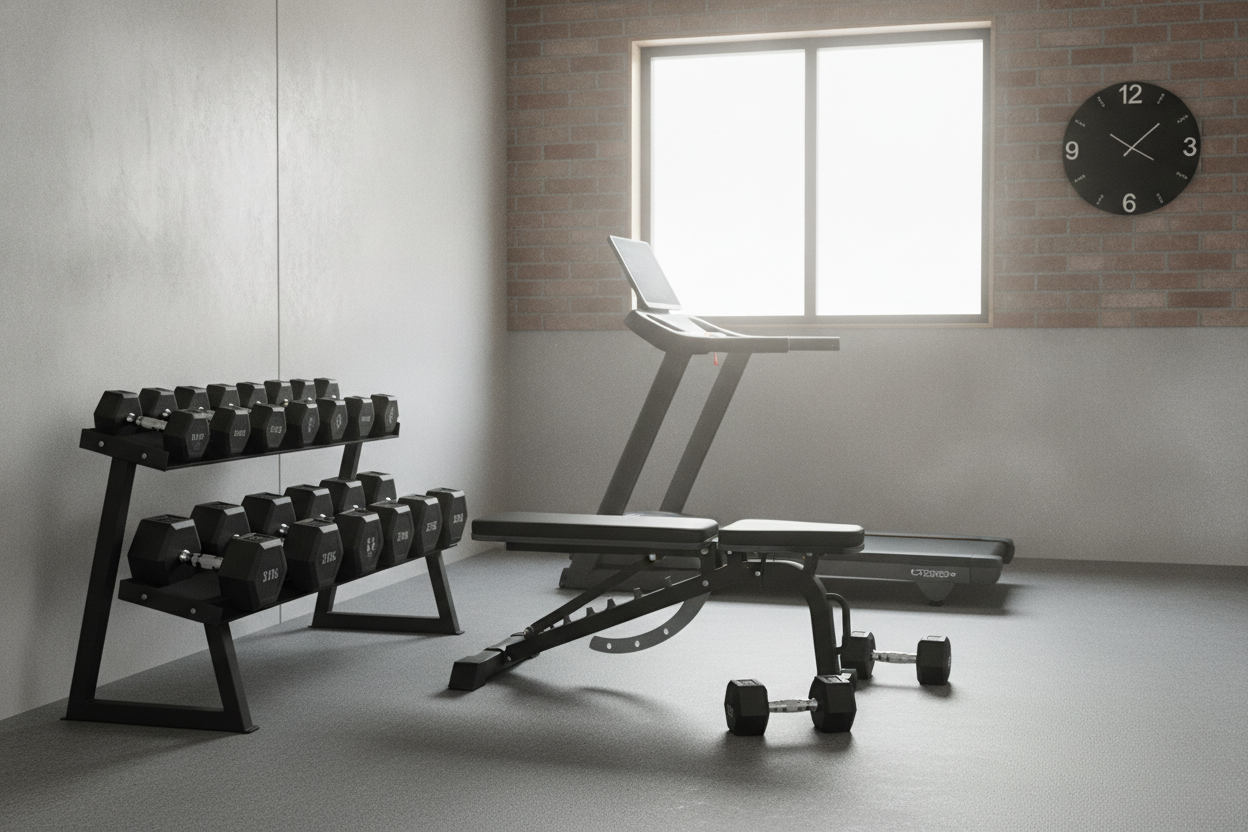
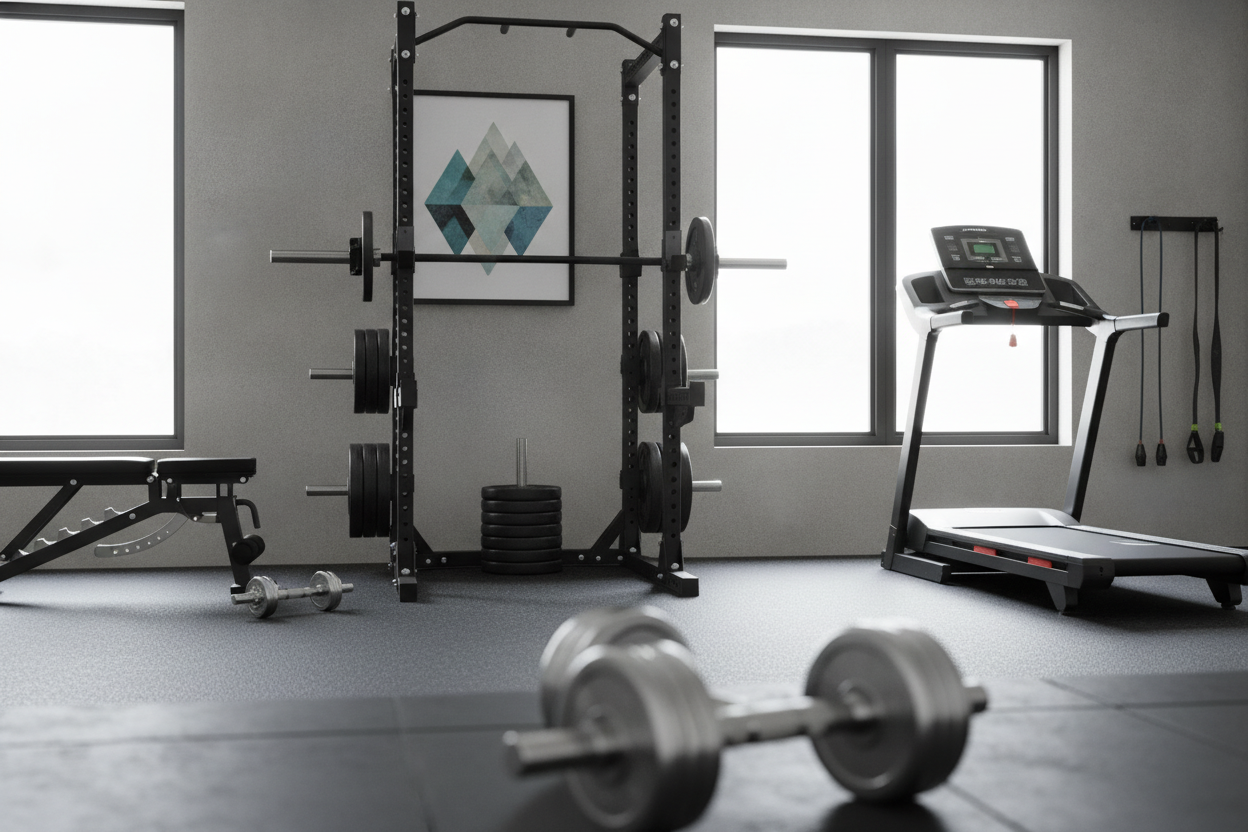
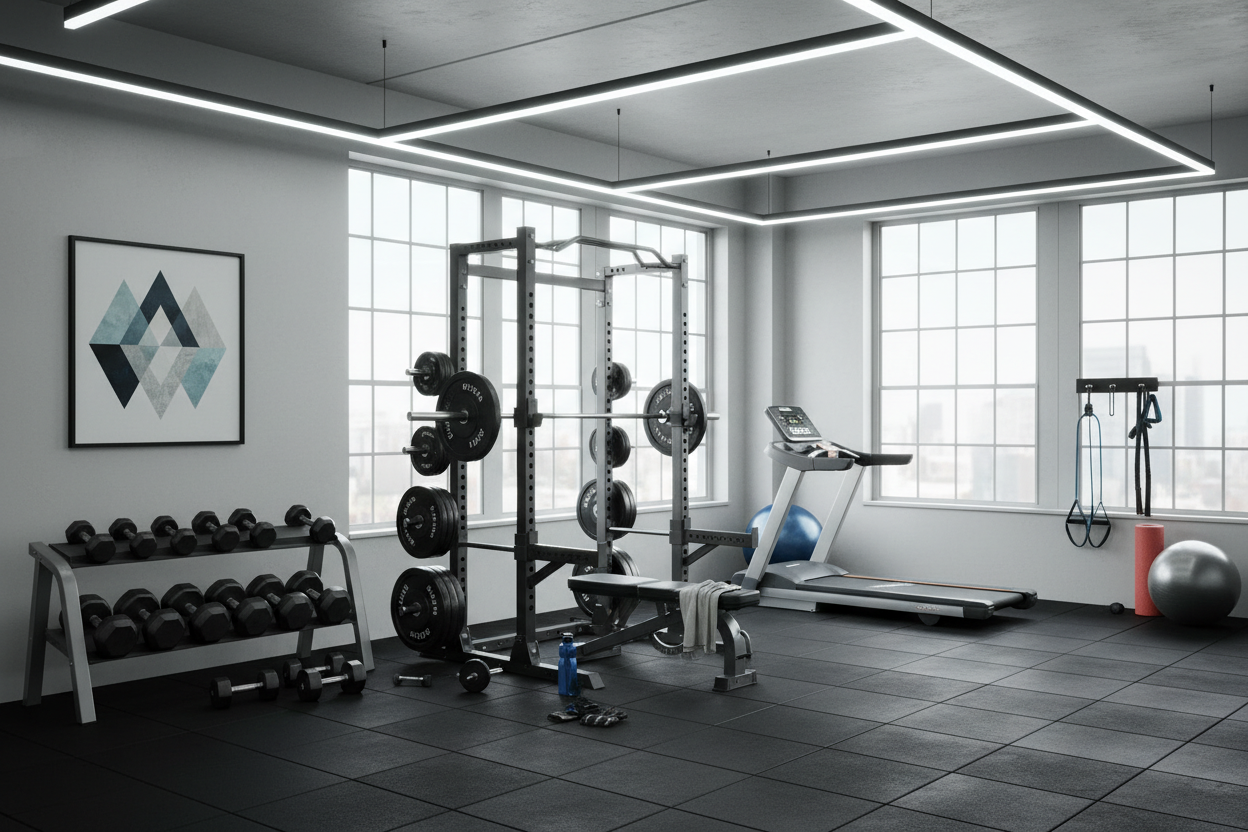
In a home gym, you don't need a 12-station cable crossover or five different hammer strength machines. You need a solid Weight Set And Bench. With a barbell and an adjustable bench, you have 90% of what you need to build a massive upper body. Stick to movements that allow for micro-loading so you can actually track progress week over week.
The Incline Press Compromise
The incline dumbbell press at a 30-to-45-degree angle is the most efficient movement in your arsenal. It hammers the clavicular head of the pec—the 'upper chest'—while putting the front delts in a position where they can contribute without taking over the entire lift. It is the perfect bridge between a flat bench and a vertical press, giving you the best of both worlds with less shoulder strain than a standard flat barbell press.
Why Lateral Raises Are Your Best Friend
If you want that 'capped' shoulder look, stop doing more front raises. You're already hitting the front delts with every single press in your routine. Switch your focus to strict lateral raises. I prefer doing these standing on a stable, non-slip surface like a 6X4Ft Yoga Mat Exercise Mat Gym Flooring For Home Workout to ensure I'm not using momentum from my legs. It’s about isolation here, not ego lifting. Keep the weight light and the form surgical.
A Smart Workout Routine for Chest and Shoulders
A successful routine isn't about doing every exercise possible; it's about doing the right ones in the right order. Here is a sequence that has worked for me and the people I train:
- Flat Barbell Bench: 3 sets of 5-8 reps (Heavy compound focus)
- Incline Dumbbell Press: 3 sets of 10-12 reps (Upper chest focus)
- Dumbbell Lateral Raises: 4 sets of 15-20 reps (Side delt isolation)
- Face Pulls: 3 sets of 15 reps (Rear delt and posture work)
This sequence keeps the heaviest loads at the start and finishes with high-rep work that doesn't tax the nervous system as heavily. If you're struggling with basic pushing movements or just starting out, Weak Push-Ups? Try This Chest and Shoulder Workout for Women offers a great entry point for building that foundational push strength without the complexity of heavy barbell work.
Personal Experience: The 'More is Better' Myth
I used to think 'more is better.' I'd do 5 sets of bench, 5 sets of overhead press, and 5 sets of dips all in one session. My shoulders got so inflamed I couldn't sleep on my side for a month. I had to strip my routine back to just three key movements and focus on intensity rather than just 'doing work.' The moment I stopped trying to kill my shoulders on chest day, my bench numbers actually started climbing again. Recovery is where the muscle is built, not the gym floor.
FAQ
Should I do shoulders or triceps first?
Shoulders. Triceps are smaller muscle groups and will fail long before your delts do. If you fry your triceps first, your overhead press and bench stability will suffer significantly.
Can you do chest and shoulders on the same day?
Absolutely. It’s the basis of the 'Push' day in a Push/Pull/Legs split. Just be smart about the total number of heavy pressing sets to avoid joint burnout.
Should I do chest or shoulders first?
Usually chest. It allows for more total weight moved, which generally leads to better overall growth across the entire upper body pushing chain.