Why Buying Equipment on Sale Actually Costs You More
I have spent the last decade scouring Craigslist, Facebook Marketplace, and the clearance tabs of major manufacturers to build out my garage gym. I know the dopamine hit that comes with seeing a massive discount on equipment on sale. You think you are beating the system, but more often than not, you are just signing up for a logistics headache that drains your wallet and your training time.
We have all been there: it is midnight, you are three tabs deep into a clearance site, and you see a power rack for 50 percent off. You start measuring your 20x20 foot garage space, convinced you just saved five hundred bucks. But by the time that pallet hits your driveway, the math usually tells a very different story.
Quick Takeaways
- Freight shipping often costs more than the discount itself.
- Missing proprietary hardware can sideline a build for weeks.
- Scuffed metal bases without rubber feet will shred your foundation.
- Manufacturers use sales to offload gear with known QC issues.
The Myth of the 50 Percent Off Price Tag
The sticker price is a trap. When a company marks a functional trainer or a set of 100-lb dumbbells down by half, they aren't doing it out of the goodness of their hearts. They are clearing warehouse space for better-designed gear. You are essentially paying them to take their inventory problems off their hands.
I once bought a 'clearance' lat pulldown that looked like a steal. After I factored in the time I spent driving three hours to pick it up, the gas for my truck, and the fact that the pulleys were made of cheap plastic that snapped under a 200-lb load, I ended up spending more than if I had just bought the premium version on day one. Cheap gear has a way of demanding a second payment in the form of repairs.
Freight Fees Will Eat Your Exercise Sale Savings Alive
Shipping iron is expensive. Unless you are buying from a company that offers true free shipping, that exercise sale price is going to be buried under LTL (Less Than Truckload) fees. Most heavy racks require a liftgate service, which can add a $75 to $150 surcharge just to get the pallet off the truck and onto your driveway.
Standard residential delivery fees are brutal. If you are buying a 300-lb rack that is $200 off, but the shipping is $250, you are actually paying a $50 premium for the privilege of owning 'discounted' gear. Always check the final cart price before you get your hopes up. If the shipping quote isn't visible until the final step, they are probably trying to hide the fact that your 'deal' isn't one.
The Missing Hardware Trap (And Why It Costs So Much)
There is nothing worse than getting a rack 90 percent assembled only to realize you are missing four M20 bolts. When you buy discounted or open-box gear, the hardware kit is usually the first thing to go missing. You might think a trip to the local hardware store will fix it, but many manufacturers use proprietary lengths or thread pitches that you won't find in a standard bin.
Ordering replacement parts from the manufacturer can take weeks and cost a fortune in individual shipping. Before you commit to a used or clearance piece, you need to know how to spot a lemon when looking at exercise equipment for sale used. If the seller can't produce the original assembly manual or a complete hardware bag, walk away. It is not worth the headache of a half-finished rack sitting in your garage.
How to Protect Your Floor From Scuffed Up Clearance Gear
Discounted gear is often discounted because it was a floor model or a return. This means the rubber end caps and feet are usually shredded or missing entirely. If you bolt a metal rack directly to your concrete or hardwood without those protective barriers, you are going to vibrate and scratch your way to a foundation repair bill.
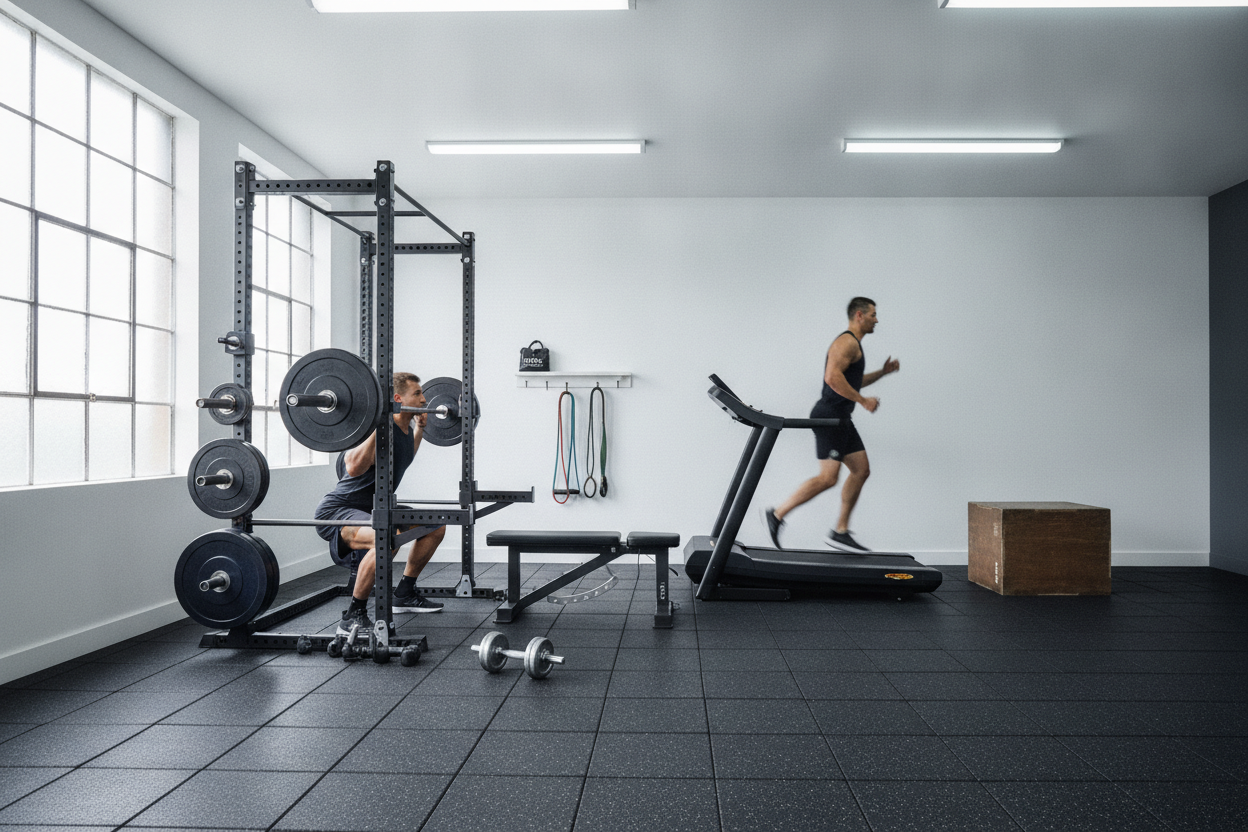
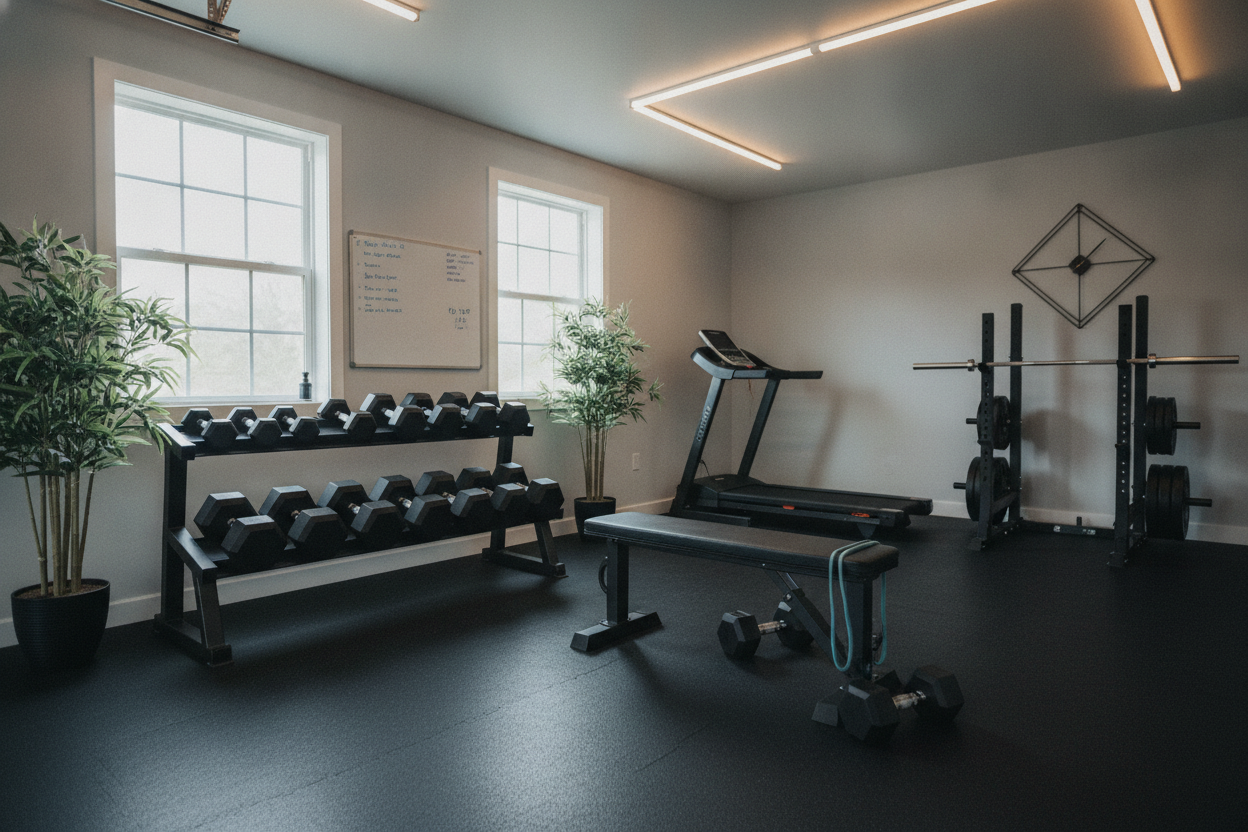
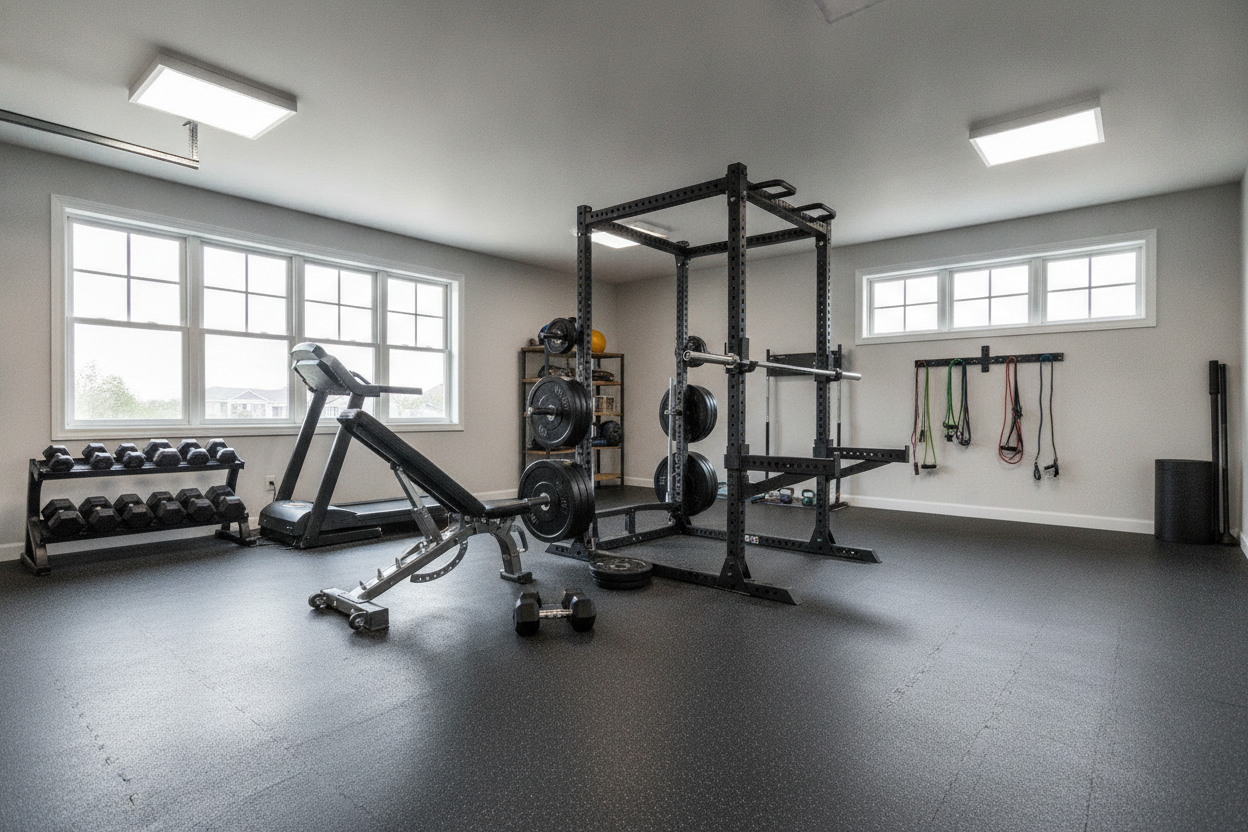
I always recommend putting a large exercise mat for home gym under any piece of clearance gear. Even if the equipment looks fine, 'sale' items often have uneven bases or slightly warped frames that will wobble under load. A thick rubber mat acts as a stabilizer and a shield, ensuring that your $300 'deal' doesn't cause $3,000 in floor damage.
When Should You Actually Pull the Trigger?
Is every sale a scam? No. But you have to be surgical about it. The only time I pull the trigger on an exercise for sale listing is if it is a 'scratch and dent' from a reputable manufacturer where the warranty is still intact. Cosmetic damage doesn't affect your squats, but a compromised weld will.
Look for local commercial liquidations. When a local CrossFit box or commercial gym closes, they are often desperate to move gear. This is where you can find high-end bars and plates for cents on the dollar. Just be prepared to do the legwork. If you are patient and know what to look for, you can succeed in finding exercise equipment for sale that actually lasts without the 'new gear' markup. Just don't let the red 'sale' text blind you to the reality of what you're actually bringing into your gym.
FAQ
Is it ever worth buying used plates?
Yes, as long as they aren't cracked. Iron is iron. Just weigh them on a bathroom scale first; cheap plates can be off by as much as 5 to 8 pounds, which ruins your programming.
How do I avoid high shipping costs on heavy gear?
Look for 'local pickup' options or wait for holiday sales from major brands that offer flat-rate or free shipping. Never buy heavy items on clearance if the shipping cost isn't capped.
Should I buy a floor model treadmill?
Only if you can see the 'mileage' or hours of use in the settings. Floor models are often left running all day, which wears out the motor and belt faster than a decade of home use.