Why Asking What Joint Do You Use to Lift Weight Ruins Your Form
I remember sitting on a cheap leg extension machine years ago, wondering why my kneecaps felt like they were being pried off with a screwdriver. I was obsessed with isolation. I kept asking myself, what joint do you use to lift weight in this specific movement, thinking that focusing on the hinge would give me bigger quads.
The truth is, if you are trying to pinpoint a single joint as the primary mover, you are already losing. Your body is not a collection of separate parts; it is a kinetic chain. When you treat it like a machine with isolated levers, you end up with tendonitis and mediocre gains. Real strength comes from integration, not isolation.
Quick Takeaways
- Hips and shoulders are your primary power engines; treat them as such.
- Isolation exercises often put shear force on hinge joints like knees and elbows.
- Fixed-path machines can trap your joints in 'dead zones' that cause injury.
- Full-body tension (bracing) is more important than anatomical visualization.
The Isolation Trap: Stop Thinking Like a Bodybuilding Magazine
We have all seen the charts in old-school magazines: 'This move works the outer head of the tricep.' It makes you think that if you just move your elbow, you are doing it right. Beginners get fixated on the idea that training is about isolating a single hinge. They think about the elbow during curls or the knee during extensions.
This 'joint-first' mindset is a trap. When you focus solely on one joint, you tend to neglect the stabilizers. You end up swinging weights or putting massive stress on tendons that were never meant to carry the full load. Real strength comes from moving weight as a cohesive unit, where your core and larger joints support the smaller ones.
Your Hips and Shoulders Are the Real Engines
If you want to move serious weight without ending up in physical therapy, you need to understand that your hips and shoulders are the heavy hitters. These are ball-and-socket joints. They have the most muscle mass surrounding them and the greatest range of motion. They are designed to produce force.
Your elbows and knees? They are just the transmission. They transfer the force generated by the engines to the weight. If you try to 'engine' a lift with your elbows—like flared-out heavy bench presses—you are going to blow a gasket. I have seen guys try to maximize their bicep work by ignoring their shoulder stability, only to end up with a labrum tear that sidelines them for six months.
Why the Hip Hinge Makes or Breaks Your Lift
The hip joint is the most powerful joint in your body. In a deadlift or a squat, it is the primary driver. If you fail to use this joint properly and instead try to 'lift with your back' or put all the pressure on your knees, you are asking for a herniated disc. The hip hinge is about pushing your glutes back and keeping your spine neutral. It is the difference between a 405-lb pull and a trip to the ER.
How Equipment Changes Your Joint Mechanics
The gear you use dictates how your joints move. Barbells allow for some natural adjustment, but they still have a straight-line path. When you move to home weight lifting machines, that path becomes even more restricted. This is not necessarily bad, but you have to be aware of how the machine dictates your movement.
For example, the smith machine bar weight is fixed. Because the bar cannot move horizontally, your knees or shoulders have to compensate. If your feet are not positioned perfectly, your joints are forced to adapt to the machine rather than the machine adapting to your natural biomechanics. This is why I always tell people to prioritize free weights or adjustable cable systems first.
Building a Setup That Protects Your Joints
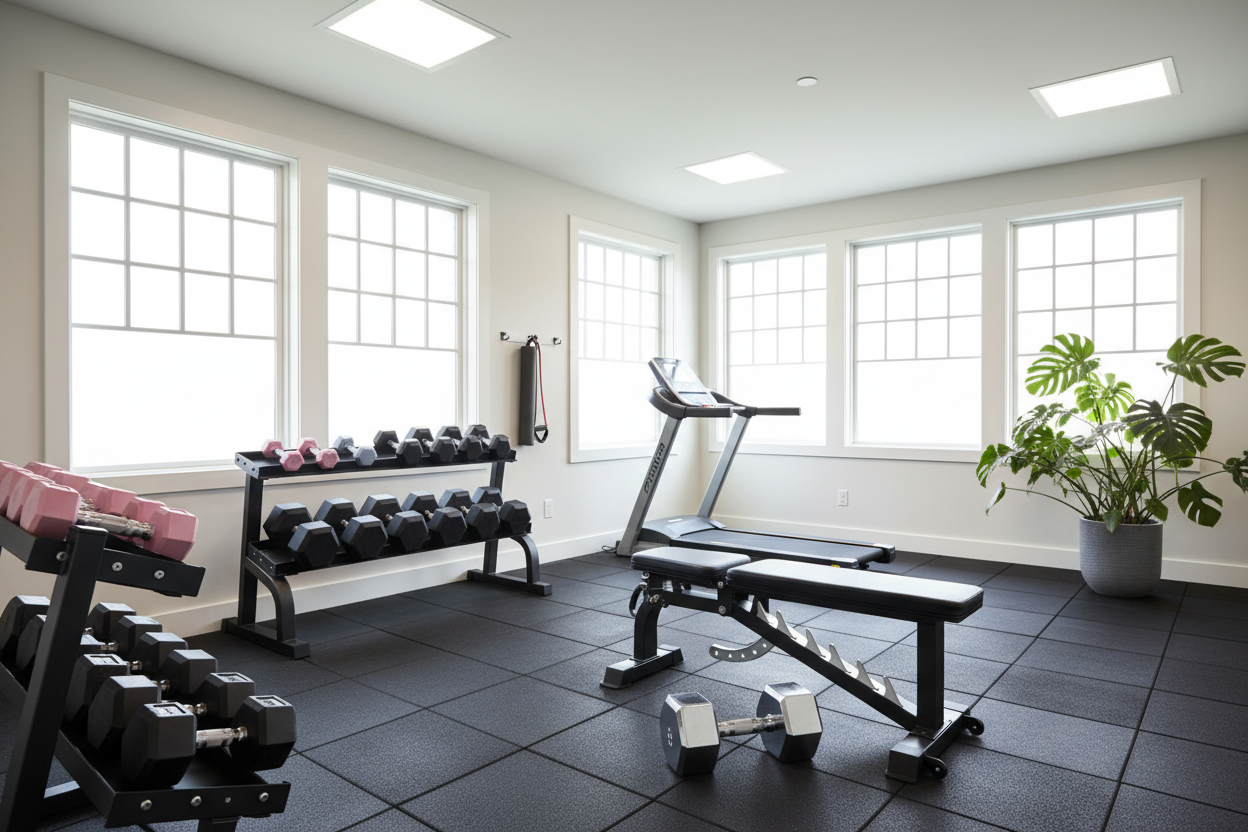
When I was building my first garage gym, I bought the cheapest flat bench I could find. Huge mistake. My shoulders felt cramped because I could not adjust the angle to fit my specific reach. Investing in an adjustable weight bench changed everything. Being able to shift from a flat to a slight incline (around 15-30 degrees) takes the 'bite' out of the shoulder joint during heavy presses.
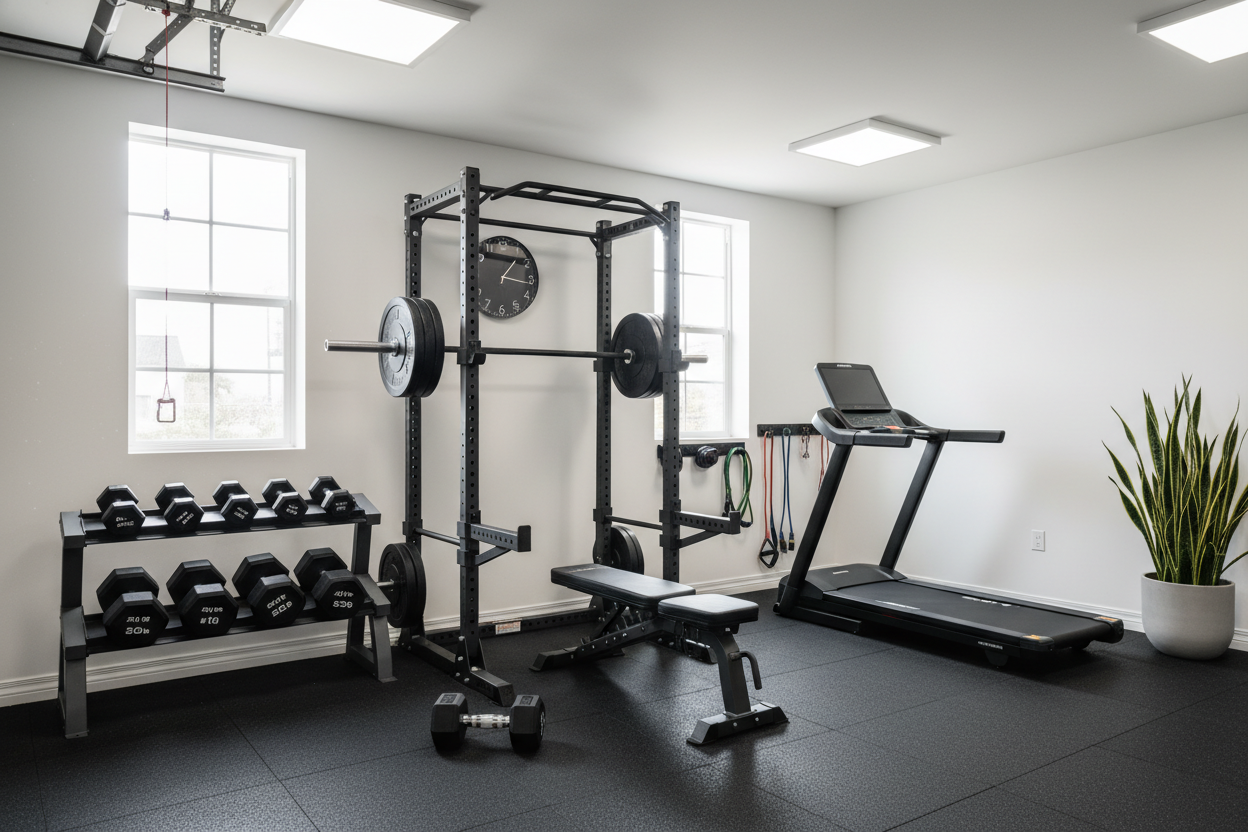
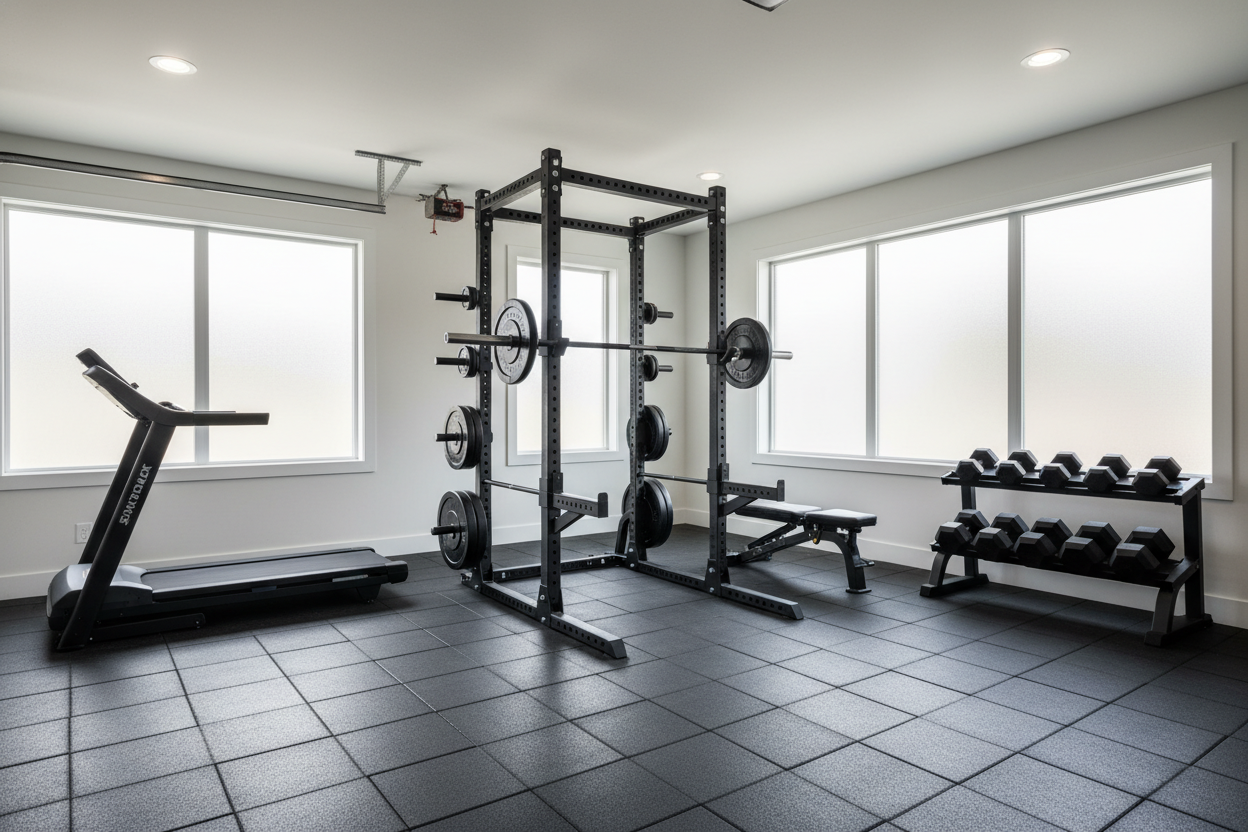
If you are serious about heavy compound lifting, do not piecemeal your gear. A power rack weight bench package is usually the best bet. It gives you the stability of 11-gauge steel uprights and the safety of spotter arms. When you are not worried about a barbell crushing your chest, your nervous system allows your joints to move more naturally and powerfully.
Stop Overthinking Anatomy and Just Brace
You do not need a PhD in kinesiology to lift safely. Instead of asking what joint moves the load, focus on bracing. Deep breath into the belly, tighten the lats, and squeeze the glutes. This creates internal pressure that protects your spine and lets your joints function as they were designed.
Forget the 'mind-muscle connection' for a second and focus on 'full-body tension.' When the weight gets heavy, your body should not feel like a bunch of moving parts. It should feel like a single, solid piece of granite. That is how you lift big and stay healthy.
My Experience: The 315-lb Wake Up Call
I used to be a 'joint lifter.' I would go into the gym and think 'today is elbow day' (curls) or 'knee day' (quad extensions). I hit a wall at a 315-lb squat because I was trying to drive the weight with my quads alone, putting insane pressure on my patellar tendons. My knees were constantly inflamed. It was not until I learned to sit back into my hips and engage my entire posterior chain that the pain stopped and the weight moved. I had to unlearn everything those glossy magazines taught me.
FAQ
Is isolation training always bad for joints?
No, but it is risky if it is your primary way of lifting. Use isolation for high-rep 'pump' work at the end of a session, not for heavy strength building.
Why do my elbows hurt during skull crushers?
Because you are asking a hinge joint to handle heavy weight at an awkward angle. Try using dumbbells with a neutral grip or an EZ-bar to allow for more natural wrist and elbow alignment.
How do I know if I am using my hips correctly?
If you feel the tension in your hamstrings and glutes rather than your lower back during a hinge, you are doing it right. Film yourself from the side to check your spine angle.