Why an Hour in the Garage Gym Won't Build a Lean Fit Body
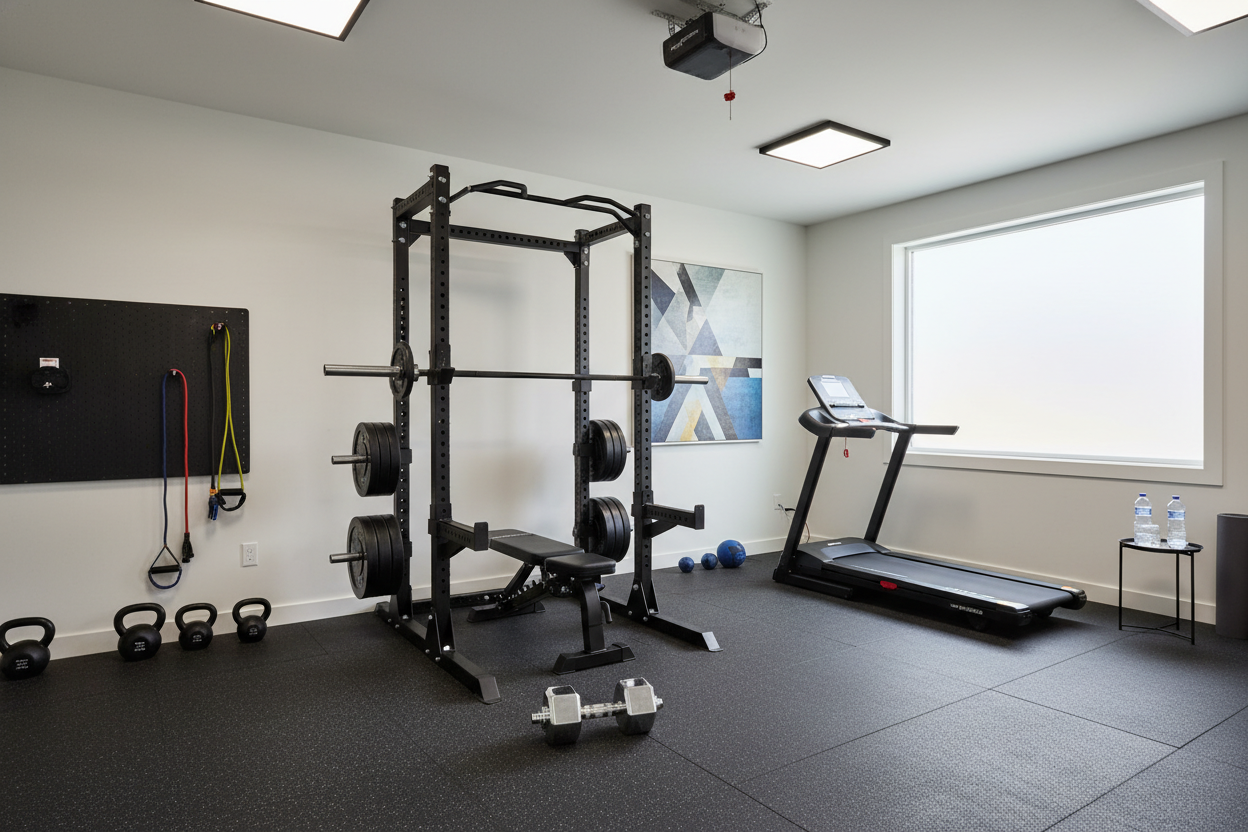
I remember the day I finally finished my dream garage setup. I had the 3x3 rack, the competition bumper plates, and a bar with knurling so sharp it could shave a bear. I was hitting heavy triples at 6:00 AM, feeling like a beast, and then... I sat in a Herman Miller chair for the next nine hours straight. Despite the $5,000 in equipment and the sweat on the floor, I wasn't seeing the results I wanted. I was strong, sure, but I didn't have that lean fit body I'd been chasing.
Quick Takeaways
- Your one-hour workout only accounts for about 5% of your day.
- Non-Exercise Activity Thermogenesis (NEAT) is the real driver of fat loss.
- Turning strength sessions into 'metcons' usually just kills your gains.
- Low-intensity movement like walking is the ultimate 'fat loss hack.'
- A basic heavy lifting routine provides the muscle shape; movement reveals it.
The 'Active Couch Potato' Epidemic in Home Gyms
We’ve all been there. You wake up, crush a session in the garage, and feel like you've earned your rest. But if the rest of your day involves zero movement because you’re grinding out spreadsheets, you’ve fallen into the 'active couch potato' trap. You might be training intensely for 45 minutes, but being completely sedentary for the remaining 23 hours creates a massive caloric bottleneck.
This lifestyle destroys your total daily energy expenditure (TDEE). You can't expect to maintain a sharp lean body physique when your body thinks it's in hibernation mode for 90% of your waking life. High-intensity training is great for heart health and power, but it’s the background movement that keeps the metabolic fire stoked.
Why You Can't Out-Squat a Desk Job
Let’s talk about NEAT: Non-Exercise Activity Thermogenesis. This is the energy you burn doing everything except sleeping, eating, or sports-like exercise. We're talking about pacing while on a Zoom call, fidgeting, or walking to the kitchen for the fifth cup of coffee. For most people, NEAT accounts for way more daily calorie burn than a heavy barbell session ever will.
If you want the best lean physique, you have to stop viewing 'exercise' as a discrete block of time. I’ve seen guys pull 500 pounds who can't get lean because they move less than 2,000 steps a day. Standing, pacing, and basic human movement keep insulin sensitivity high and fat oxidation moving. You simply can't out-squat the metabolic slowdown of a ten-hour sitting streak.
Stop Turning Strength Days Into Bad Cardio
When WFH lifters realize they aren't losing fat, the first instinct is usually to 'intensify' the lifting. They start cutting rest periods to 30 seconds, doing burpees between sets of overhead presses, and turning their garage into a humid, breathless mess. Stop doing this. It's the fastest way to stay small and soft.
Doing 'cardio-style' lifting ruins your ability to move heavy loads, which means you lose the stimulus that keeps your muscle mass in the first place. I stopped doing metcons and finally built a lean physique because I realized that separation of concerns is vital. Lift heavy to build the muscle, then walk to burn the fat. This is the only sustainable way to build a lean and fit body without burning out your central nervous system.
Hacking Your WFH Routine for More Movement
You don't need to quit your job to get shredded. You just need to stop being so efficient at staying still. I started taking every single phone call while pacing my driveway. If it’s a video call, I’m at a standing desk shifting my weight from side to side. These small 'mobility snacks' add up to thousands of calories over a work week.
I also keep a dedicated space for movement right in the office. I recommend laying down some extra wide exercise mats near your desk. Having a 7x10 foot cushioned area makes it easy to drop down for a quick hip flexor stretch or some 90/90 breathing between meetings. It’s about removing the friction to movement. If you have to go to the garage to move, you won't do it. If it's under your feet, you will. This is how you chip away at body fat to reveal a fit and lean body.
Keep the Heavy Iron (Just Walk More)
Don't take this as a sign to sell your rack. Walking and NEAT are the 'shredders,' but the heavy lifting is the 'sculptor.' Without the resistance training, a high step count just makes you a smaller version of your current self. You need the muscle density that only comes from moving heavy weight.
A simple, reliable weight set and bench is all you really need. Hit your big compounds—squats, presses, pulls—three days a week with intent. Then, fill the rest of your time with as much low-level activity as possible. Pairing a 10,000-step daily floor with a basic strength program is the ultimate cheat code for a lean fit physique. It’s not flashy, and it doesn't require a $2,000 smart-mirror, but it works every single time.
My Personal Lesson in NEAT
Two years ago, I was at my strongest but also my heaviest. I was following a high-volume powerlifting program in my garage, but my steps were averaging 3,500 a day. I tried cutting calories until I was miserable, but the weight wouldn't budge. My mistake was thinking more 'intensity' was the answer. I added a 45-minute morning walk and a 20-minute evening walk—no change to my lifting. Within three months, I'd dropped 15 pounds of fat without losing a pound on my bench press. I realized I didn't need more 'gym time'; I needed more 'life movement.'
FAQ
Is 10,000 steps a day actually necessary?
It's an arbitrary number, but it's a great target. Most people find that the 'magic' happens somewhere between 8,000 and 12,000 steps. If you're at 2,000 now, don't jump to 10k overnight. Just add 2,000 steps to your current average and watch what happens.
Should I do my cardio before or after lifting?
If you're doing low-intensity walking, it doesn't really matter. However, I prefer keeping them separate. Lift in the morning to set the tone, then use walks as 'breaks' throughout your work day to clear your head and keep your NEAT high.
Can I just use a standing desk instead of walking?
Standing is better than sitting, but walking is better than standing. Standing still can actually lead to lower back fatigue and stagnant blood flow. Aim for a mix: sit for focused work, stand for emails, and walk for calls.