Why a Powerlift Rack Can Elevate Your Strength Training Routine
Strength training at home or in a private gym environment can be both efficient and highly rewarding when supported by the right equipment. For serious lifters or those committed to progressive overload, investing in a high-quality powerlift rack can make a significant difference. These versatile structures, including designs such as the powerlift squat rack, weight lifting power cage, and power lift cage, are engineered to support a wide variety of exercises while prioritizing safety and durability.
Understanding the Purpose of a Powerlift Rack
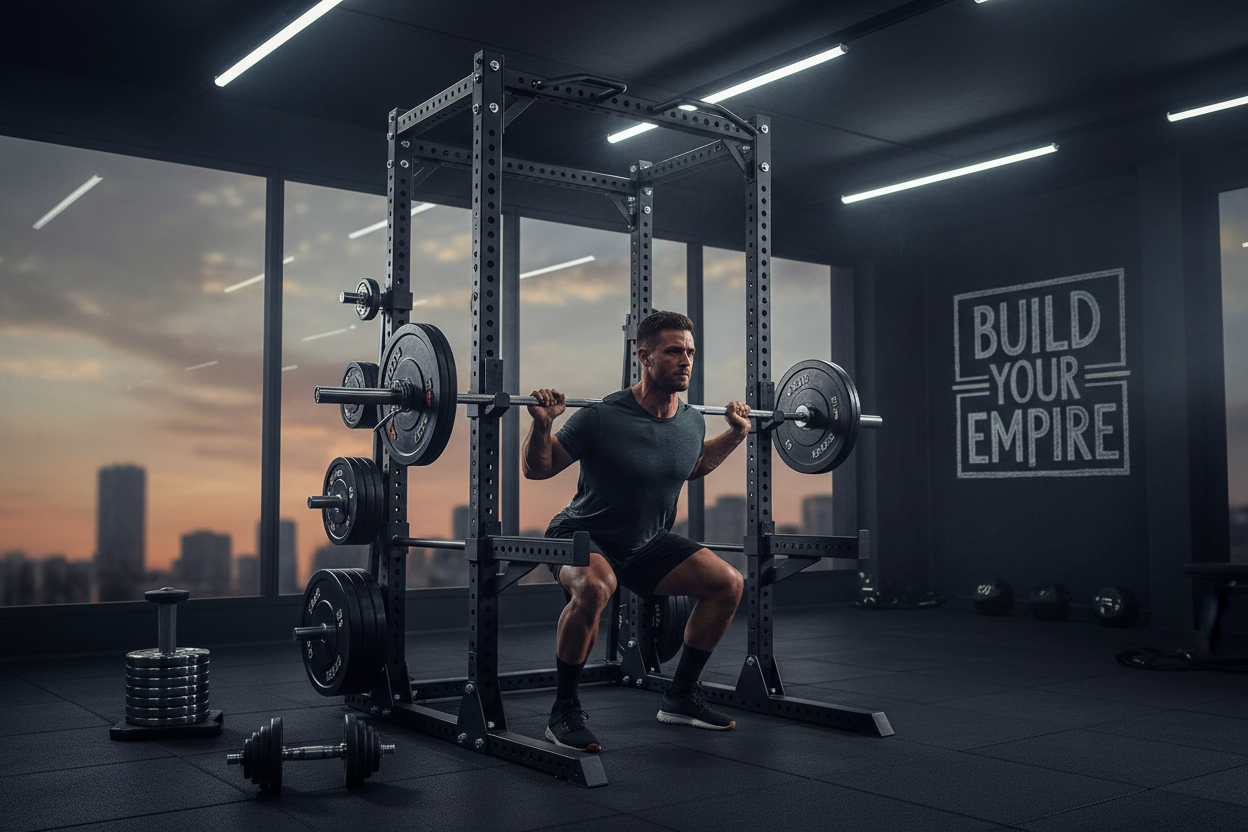
A powerlift rack provides a stable framework for heavy lifts such as squats, bench presses, overhead presses, and deadlifts. Unlike standalone squat stands, a full rack or cage offers enclosed support, multiple adjustment points, and greater safety in case of failed reps. For example, a powerlift squat rack features adjustable safety pins or bars that can catch the barbell before it reaches a dangerous depth, reducing injury risk.
The weight lifting power cage expands this concept further by surrounding the lifter with a four-post structure, allowing for additional workout variations and storage for plates and bars. This makes it an ideal choice for lifters who want an all-in-one setup for a wide range of compound lifts.
Key Features to Look For
When evaluating options such as a power lift squat rack or power lift cage, consider the following evidence-based criteria:
- Load Capacity: Choose a model rated for more than your current lifting capacity, ideally 20-30% more, to accommodate future strength gains.
- Steel Gauge and Build Quality: Thicker steel with precise welding ensures stability and reduces frame flex under heavy loads.
- Adjustability: Multiple height settings let you customize bar placement for various exercises and user heights.
- Safety Mechanisms: Heavy-duty safety pins or straps improve confidence and security during solo training sessions.
- Versatility: Attachment points for pull-up bars, dip stations, or resistance bands expand training possibilities.
Benefits for Consistent Training
Evidence from professional strength training practices shows that consistent, progressive training is more achievable with the right equipment. The stability of a powerlift rack or weight lifting power cage minimizes distractions and risks, allowing you to focus on correct form and controlled movements. Furthermore, having a dedicated structure for barbell exercises encourages adherence to scheduled training sessions and proper loading techniques.
Personal Experience With a Powerlift Cage
From my own training journey, moving from a basic squat stand to a full power lift cage brought a new level of confidence. I train early in the morning without a spotter, so being able to set safety bars precisely at the right height means I can attempt heavier lifts with peace of mind. Additionally, incorporating pull-ups and band work into my sessions became seamless thanks to integrated attachment points on the cage.
Maintaining Your Powerlift Rack
To ensure longevity of a powerlift squat rack or power lift cage, routine maintenance is key. Regularly check bolts and connections for tightness, inspect welds for cracks, and keep the metal surfaces clean to prevent rust. Simple habits such as wiping down the frame after every use and avoiding excessive outdoor exposure will preserve its structural integrity and appearance.
Is It Worth the Investment?
Based on tested performance and user feedback from experienced lifters, a powerlift rack remains one of the best equipment investments for those serious about strength training. The upfront cost is offset by years of reliable performance, diverse usage options, and improved safety for unsupervised workouts.
Final Thoughts
Whether you choose a powerlift squat rack, weight lifting power cage, or a robust power lift cage model, the key is to opt for well-built, adjustable equipment that supports your lifting style and goals. With proper use and maintenance, this single piece of equipment can serve as the foundation of a comprehensive and sustainable strength training program.