Why a Power Rack Squat Could Be the Game-Changer for Your Strength Training
Strength training has long been a cornerstone of athletic performance, fitness improvement, and overall physical health. Among the many tools available to lifters, the power rack squat setup stands out as one of the most versatile and safe options for building lower body strength. Whether you are a seasoned athlete or an experienced gym enthusiast, understanding how squat power racks can enhance your training is essential for making informed decisions about your fitness routines.
What Makes Power Rack Squats Stand Out
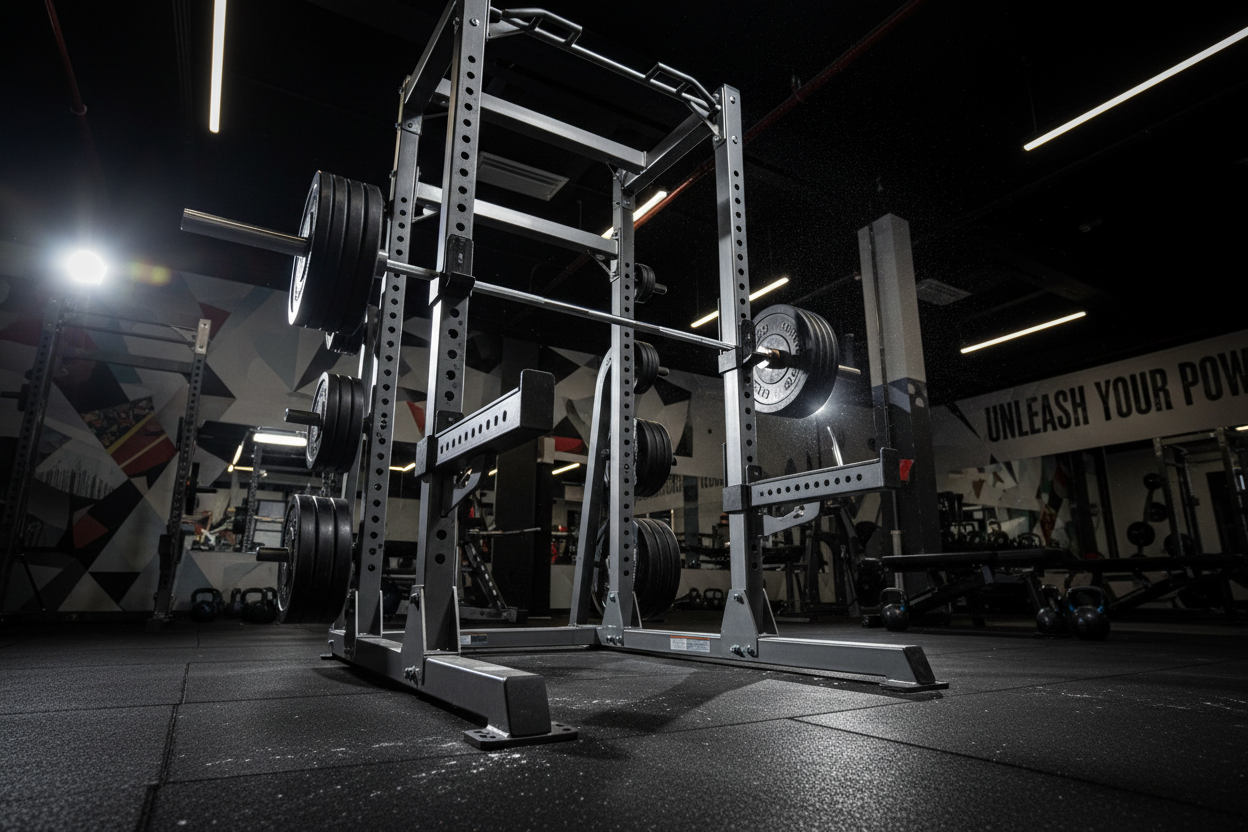
A power rack is designed with adjustable safety bars, sturdy vertical posts, and stable support, allowing athletes to perform squats with a reduced risk of injury. Power rack squats give you the ability to lift heavier weights confidently because the safety bars can catch the barbell if you fail a lift. This means you can push yourself closer to your limits without needing a spotter every time.
Safety Considerations
Years of sports science research highlight the importance of proper safety measures in strength training. The adjustable nature of squat power racks allows users to set safety bars at precise heights, preventing overextension and minimizing potential joint strain. For lifters working alone at home, this protective feature can be particularly valuable.
Benefits Beyond Squats
While the primary association is with squats, squat power racks are highly adaptable. You can use them for overhead presses, bench presses, and even pull-ups if they include a horizontal bar. The flexibility of these racks makes them an excellent investment for those seeking a full-body workout station without constantly switching equipment.
Progressive Overload and Consistency
Building muscle and strength requires consistent, progressive overload. With a power rack squat system, you can adjust weights gradually and accommodate different training programs, from strength-focused routines to hypertrophy phases. This adaptability helps maintain steady progress over months and years.
My Personal Experience With Squat Power Racks
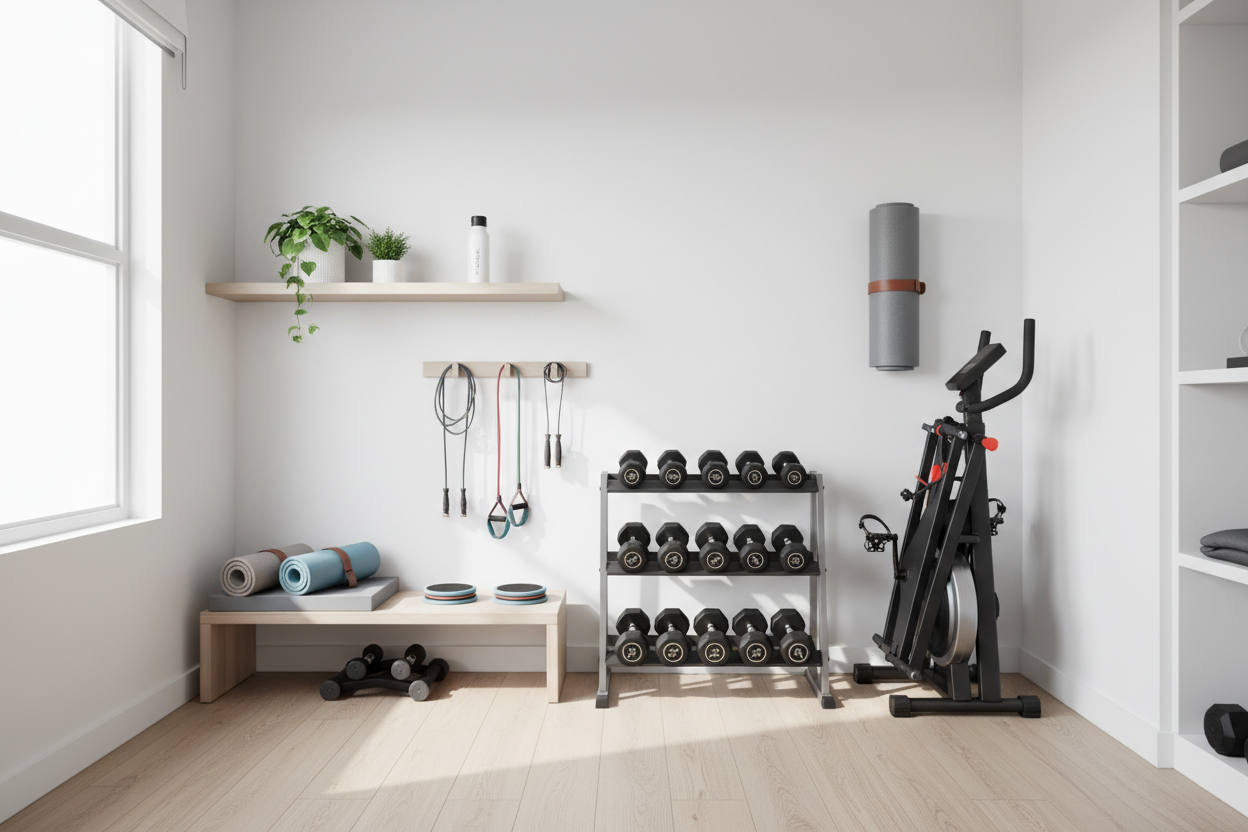
I started incorporating a power rack into my routine five years ago after experiencing repeated plateau phases. Initially intimidated by the equipment’s size and structure, I quickly discovered that the ability to set safety stops at knee height gave me the confidence to challenge heavier loads without fear. Over time, my squat depth improved, my lower back discomfort diminished, and my overall leg strength increased noticeably. The rack became not just a tool, but the central feature of my workout space.
Choosing the Right Rack
Selecting the right squat power rack should be based on space availability, steel gauge for durability, and adjustability for safety. Commercial-grade racks often provide better stability, while home gym models offer compact designs without sacrificing too much functionality. Make sure to consider weight capacity and ease of height adjustments, as these elements will directly affect your training comfort.
Evidence-Based Recommendations
Clinical and biomechanical studies consistently suggest that controlled squat movements performed within a stable environment reduce injury risk while enhancing muscle activation. Using a power rack allows lifters to maintain better posture due to the security it offers. The controlled environment of a squat power rack promotes improved technique, which is critical for long-term joint health.
Integrating Into Your Routine
For maximum benefit, the power rack squat should be part of a balanced lower body program that incorporates accessory exercises such as lunges, Romanian deadlifts, and calf raises. Proper warm-ups and mobility work help you achieve deeper squat positions safely. It’s also advisable to monitor recovery periods between heavy sessions, as this supports sustained strength gains.
Final Thoughts
The power rack squat is more than just an exercise—it’s a foundation for building robust lower body strength in a controlled, safe manner. Squat power racks provide the tools necessary to lift heavier weights, experiment with different training approaches, and preserve form under fatigue. Adopting a structured and evidence-based approach with this equipment can help you reach your performance goals effectively and safely.