Why a Hard Floor Ruined Every Flexibility Exercise I Tried
I remember trying to hit a deep squat stretch on my bare garage floor last winter. My heels were sliding on the dusty concrete, my knees were screaming against the cold, and I felt tighter after the session than before I started. Every flexibility exercise I attempted felt like a battle against gravity and friction rather than a way to actually get loose.
The truth is, your environment dictates your range of motion more than you think. If you are struggling to see progress, it might not be your hamstrings—it might be your floor. Trying to perform a workout for flexibility on a surface that offers zero grip or comfort is a recipe for stagnation and, eventually, a pulled muscle.
Quick Takeaways
- Hard floors trigger a subconscious bracing reflex that prevents muscles from relaxing.
- Standard yoga mats are too narrow for wide-stance mobility drills.
- High-traction surfaces allow you to 'anchor' your joints for a deeper stretch.
- Consistency in a flexibility session depends on having a dedicated, comfortable space.
The Subconscious Bracing Response (Why You Can't Relax)
Your nervous system has one primary job: keep you from breaking. When you attempt a flexibility drill on a slick or hard surface, your brain detects instability. If it feels your foot starting to micro-slide on concrete or cheap laminate, it fires a protective stretch reflex. Instead of the muscle lengthening, it tightens up to 'brace' for a potential fall.
You end up fighting your own biology. You can spend twenty minutes on an exercise to get flexible, but if your CNS is in panic mode, you aren't actually changing the tissue. You need to feel 100% stable to trick your brain into letting those high-tension areas, like the hip flexors and adductors, finally release. This is why a flexible workout often fails in a cluttered, slippery gym space.
Why Flimsy Foam Mats Are Wrecking Your Flexibility Session
Most people grab a $15 foam mat from a big-box store and call it a day. Those mats are fine for sitting, but they are garbage for a real increase flexibility workout. They bunch up under your feet, they slide across the floor when you apply lateral pressure, and they are usually only 24 inches wide. If you're doing a wide-stance pancake stretch or a long lunge, your limbs are going to end up on the cold floor anyway.
I eventually got fed up with repositioning my mat every thirty seconds. I switched to a 6X4Ft Yoga Mat Exercise Mat Gym Flooring For Home Workout and the difference was immediate. Having that extra width means you can move through a full range of motion without your hands or knees ever leaving the padded surface. It turns a frustrating chore into a legitimate flexibility training exercise where you can actually focus on your breathing instead of your equipment.
The 'Anchor' Rule for a Productive Workout for Flexibility
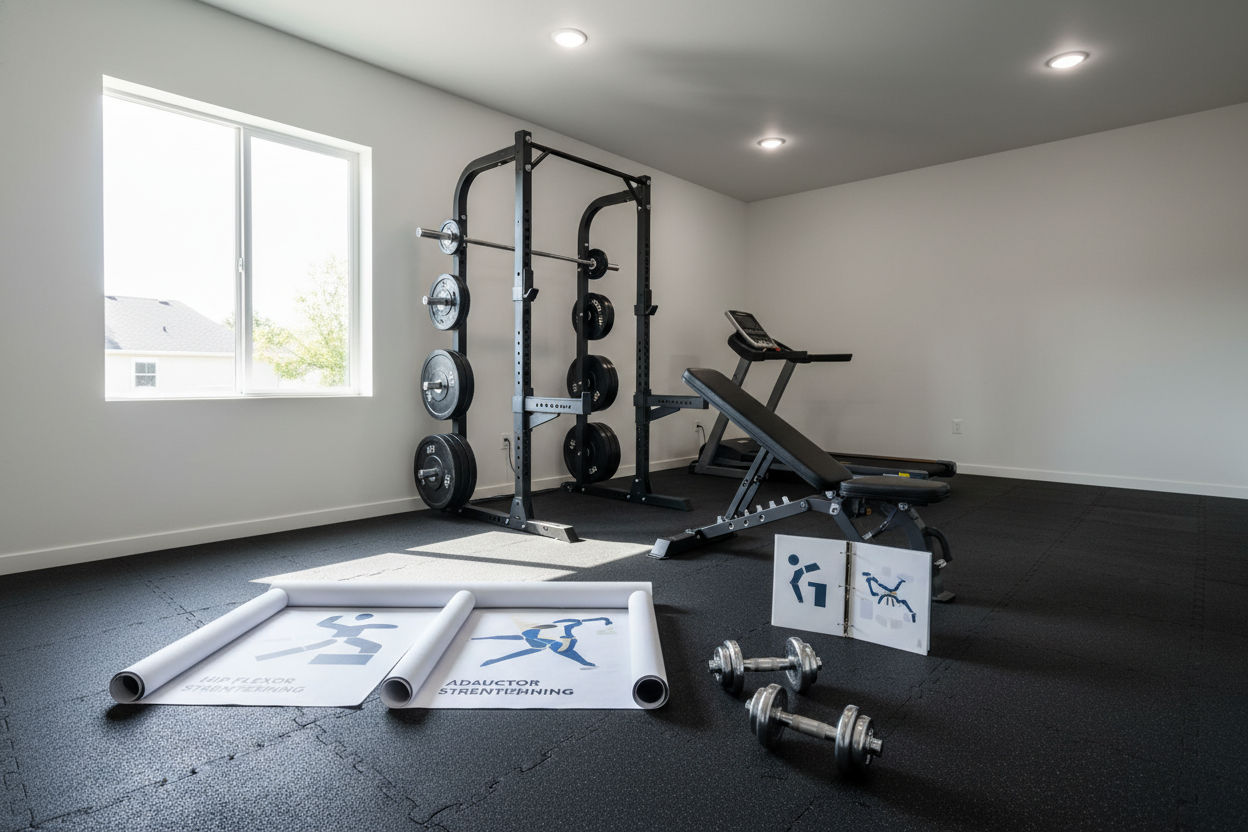
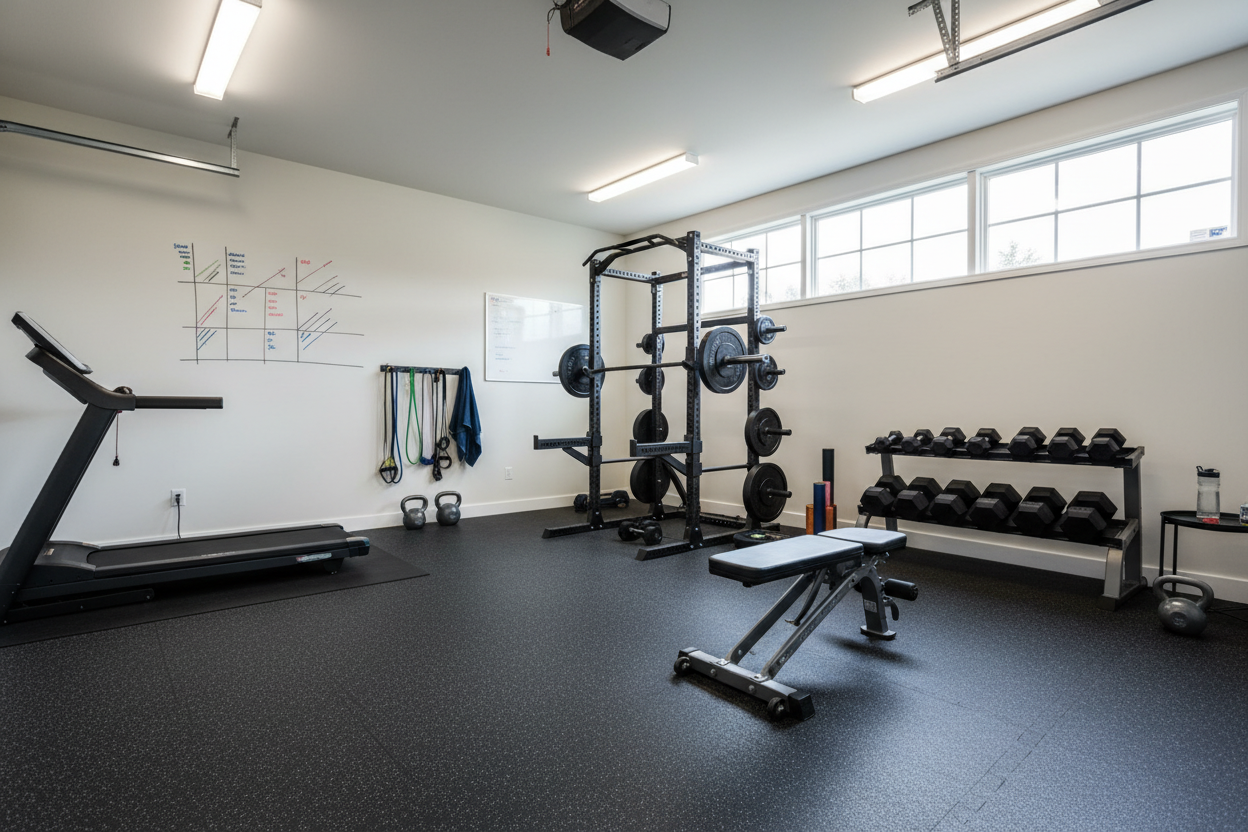
To get the most out of any exercise to be more flexible, you need to 'anchor' your body. This means having enough traction to push your feet or hands into the floor to create leverage. Without a high-traction zone, you're just floating, and your muscles stay guarded. I found that creating a dedicated zone in the corner of my power rack was the only way I stayed consistent.
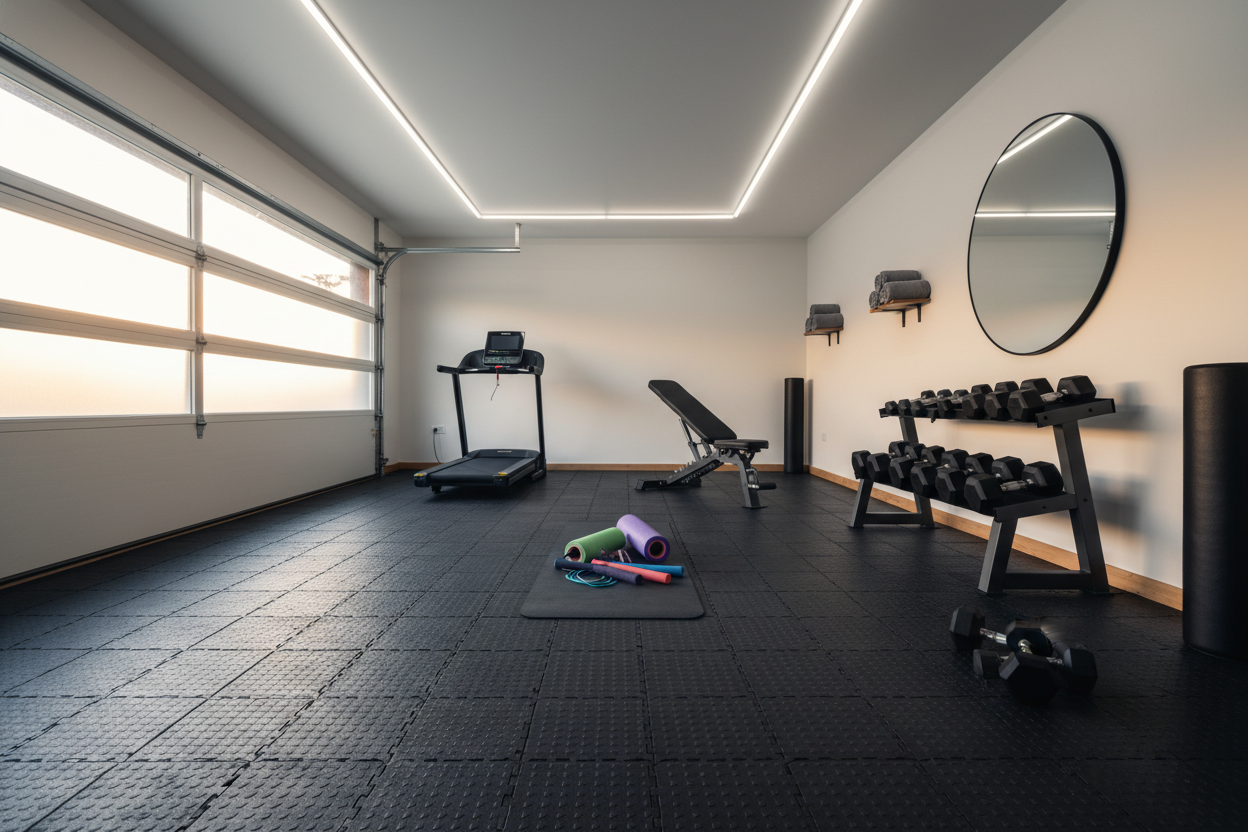
If you have the floor real estate, don't mess around with small mats. A 6X8Ft Exercise Mat Yoga Mat Gym Flooring For Home Workout effectively becomes a permanent flooring solution. It’s heavy enough that it doesn't move, even during aggressive movements. When you can plant your lead foot during a weighted dragon lunge and know it won't budge an inch, you can finally sink into the corners of your hips that have been locked up for years.
My Go-To Floor Routine When My Hips Are Locked Up
When my lower back feels tight, it’s usually because my hips are acting like bricks. My go-to routine involves deep lunges, the 90/90 hip flip, and the dreaded frog stretch. These movements require you to spread your knees wide and drive your weight into the floor. On a hard floor, the pain in your kneecaps will stop you long before your muscles give way. On a quality mat, you can actually stay in the position for the 2-3 minutes required for real change.
I’ve made the mistake of trying these on a dusty horse stall mat before. I slipped, strained my groin, and couldn't squat for two weeks. Don't be like me. If you want a visual on how to flow through these properly, check out this Stretching Workout At Home Hip Mobility Exercises With A New Exercise Mat From Gxmmat. It shows exactly how much space you actually need to move effectively. Good exercises for flexibility are only as good as the surface you perform them on.
FAQ
How thick should a mobility mat be?
I prefer 7mm. Anything thinner and your joints hit the subfloor; anything thicker (like those 1-inch foam tiles) and you lose stability. You want to feel the floor, not sink into it like a marshmallow.
Can I just use a towel on a hardwood floor?
No. A towel has zero grip and will slide the moment you apply any lateral force. It’s a great way to end up in the ER with a torn adductor. Get a mat with a rubberized bottom.
Is one flexibility session a week enough?
Not really. Think of it like brushing your teeth. 10 to 15 minutes of stretch flexibility workout daily is significantly better than one long hour-long session on Sundays. Frequency beats duration every time.