Why a Full Body Athlete Workout Beats Traditional Splits
If you have hit a plateau with traditional bodybuilding splits, you are not alone. Many home gym owners eventually realize that chasing a muscle pump does not always translate to real-world strength, agility, or functional fitness. That is where a full body athlete workout comes in. Instead of isolating muscles, athletic training focuses on movement patterns, explosive power, and core stability.
Whether you are training in a tight garage gym or a spacious basement setup, transitioning to this style of training can completely revitalize your routine. In this guide, we will break down exactly how to structure your workouts, what equipment actually matters, and how to train for performance rather than just aesthetics.
Key Takeaways
- Athletic workouts prioritize compound, multi-joint movements over isolation exercises.
- A proper full body workout for athletes requires equipment that supports explosive power, like bumper plates and plyo boxes.
- Training frequency is typically 3 to 4 days a week to allow for central nervous system recovery.
- Workouts should include multi-planar movements (side-to-side and rotational) to build functional agility.
The Core Philosophy of Athletic Training
Power Over Pump
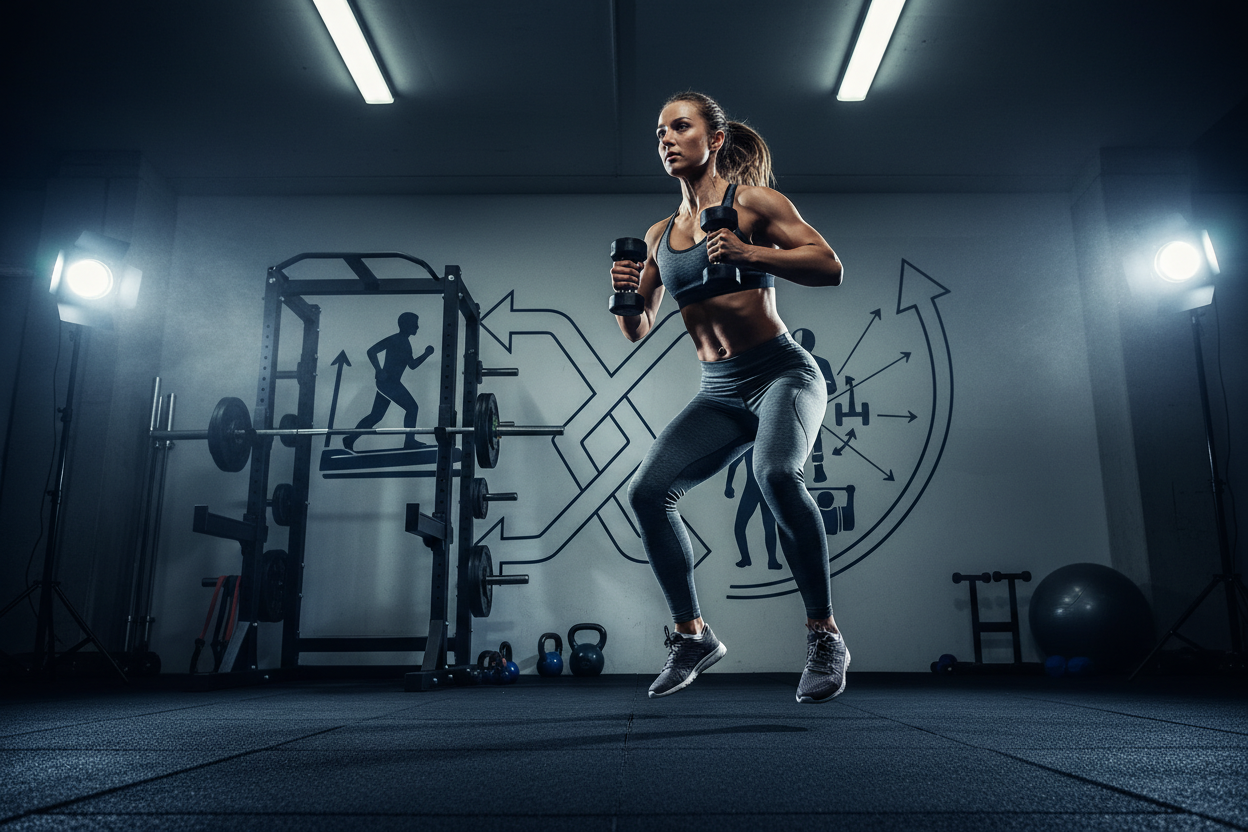
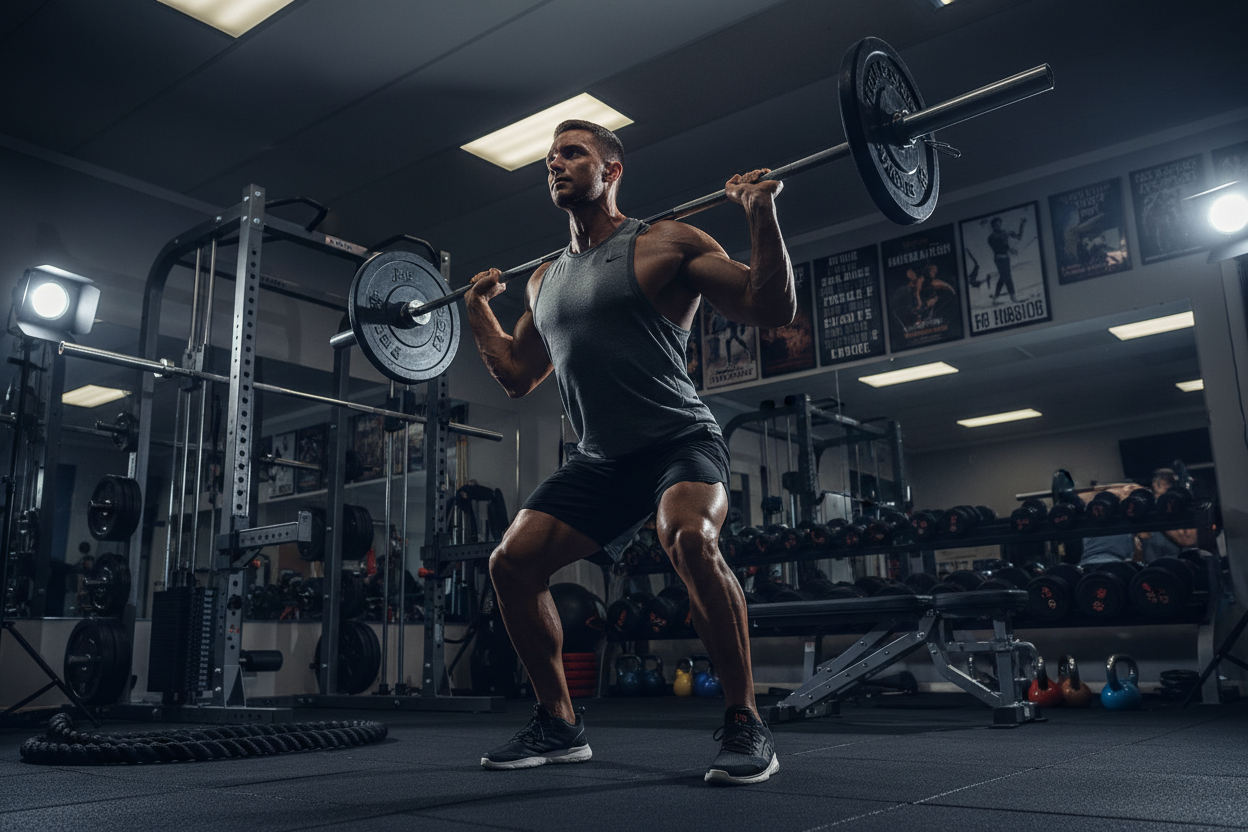
Traditional routines often focus on time under tension to build muscle mass. An athletic full body routine flips the script. The goal is force production—moving a weight as quickly and efficiently as possible. This means incorporating plyometrics, Olympic lift variations, and heavy compound lifts like squats and deadlifts.
Multi-Planar Movement
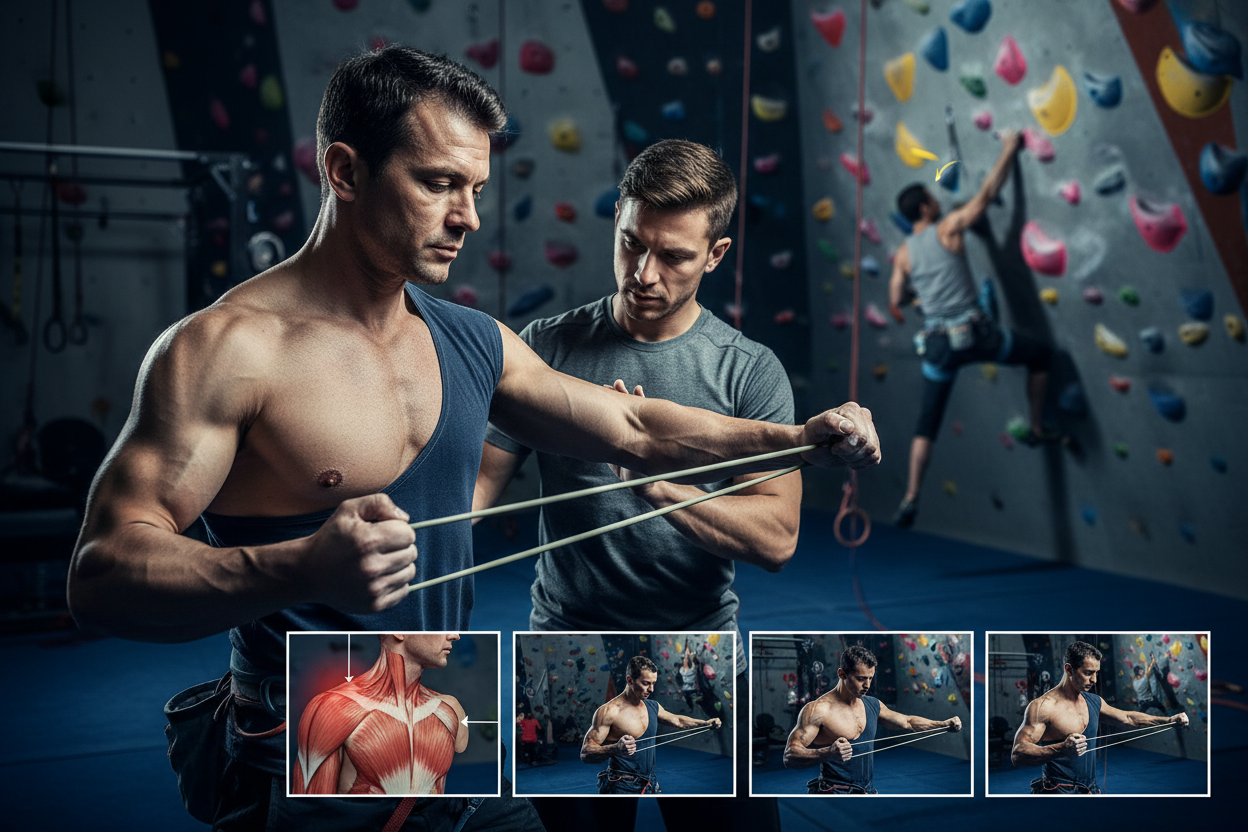
Athletes do not just move straight up and down. A true full body workout for athletes incorporates the sagittal, frontal, and transverse planes. Think lateral lunges, rotational medicine ball throws, and unilateral dumbbell work. This functional approach builds a bulletproof core and helps prevent injury.
Essential Home Gym Equipment for Athletes
Free Weights and Resistance
You do not need a massive commercial machine circuit to train like an athlete. A high-quality power rack, an Olympic barbell with a high whip rating, and durable bumper plates are the foundation. Bumper plates are non-negotiable if you plan on doing power cleans or drop sets safely on your home gym floor.
Space and Clearance Needs
Athletic training demands more dynamic space than a traditional lifting routine. If you are doing box jumps, kettlebell swings, or overhead throws, you need clearance. We recommend at least an 8-foot by 8-foot clear footprint and a minimum ceiling height of 90 inches to safely accommodate overhead extensions and plyometric movements.
From Our Gym: Honest Take
When I transitioned my own garage gym setup to focus strictly on athletic performance, I quickly realized the limitations of my entry-level gear. I swapped my standard cast-iron plates for high-density virgin rubber bumper plates because the noise and floor vibration from heavy cleans were rattling my house.
One caveat I will share: pay attention to your flooring. I initially used cheap foam tiles, which compressed terribly during lateral bounds and heavy squats. Upgrading to thick, vulcanized horse stall mats was a game-changer for joint impact and traction. You absolutely need a floor that grips when you are generating explosive horizontal force.
Frequently Asked Questions
How often should I do an athletic full body workout?
For most individuals, 3 days a week is the sweet spot. Athletic training taxes the central nervous system heavily due to the explosive nature of the movements. Rest days are critical for muscle recovery and power adaptation.
What equipment is absolutely necessary?
At a minimum, you need a versatile resistance source. A pair of adjustable dumbbells or kettlebells, a jump rope, and a sturdy plyo box can facilitate a highly effective athletic workout. As you advance, a barbell and rack become essential for progressive overload.
Can beginners do a full body workout for athletes?
Absolutely. The key is scaling the complexity. Beginners should start with bodyweight plyometrics, goblet squats, and medicine ball slams to master movement mechanics before advancing to heavy barbell complexes.