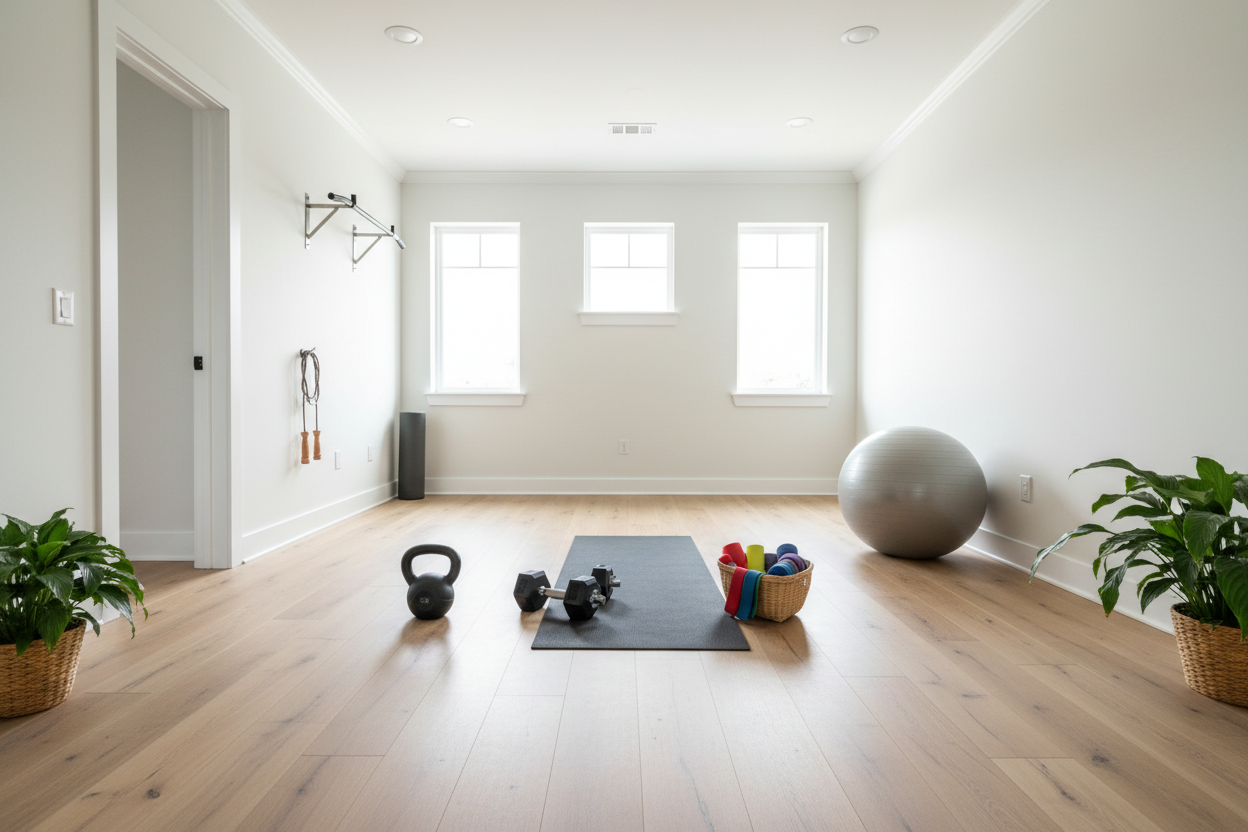
Why a Folding Squat Rack Changed My Home Gym Forever (And Might Change Yours Too)
When I first started thinking about setting up a proper home gym, I'll be honest – I was overwhelmed. The thought of bulky equipment taking over my spare room made me hesitate for months. But then I discovered folding squat racks, and everything changed. Suddenly, having a professional-quality workout space at home didn't mean sacrificing half my living area.
Let me share what I've learned about these brilliant pieces of equipment, particularly the options from Rogue Fitness, and why they might be exactly what you need to take your fitness journey to the next level.
What Makes a Folding Squat Rack Different?
A folding squat rack is essentially a wall-mounted power rack that folds flat against the wall when you're not using it. Think of it like a Murphy bed, but for your strength training. When you need it, you pull it out and lock it into place – solid as any traditional rack. When you're done, it folds back up and suddenly you've got your space back.
The engineering behind these racks is genuinely impressive. They're designed to handle the same weights as their floor-standing cousins, often supporting 1,000 pounds or more. The difference is in the mounting system and the fold-away mechanism, not in the strength or stability.
Why Rogue Fitness Leads the Pack
Rogue Fitness has built a reputation for creating equipment that can withstand anything you throw at it – literally. Their folding racks aren't just sturdy; they're built with the same attention to detail and quality standards as the equipment you'd find in professional gyms.
The rogue rack folding models come in several configurations, but they all share common features: heavy-duty steel construction, powder-coat finishes that resist scratching and wear, and precise manufacturing that ensures everything locks into place perfectly every time. When you're lifting heavy weights overhead, that precision matters tremendously.
The Space-Saving Revolution
Here's where things get really exciting. A traditional power rack can take up 4 to 6 feet of floor space in every direction. That's a huge footprint, especially if you're working with a spare bedroom, garage, or basement that serves multiple purposes.
A folding squat rack rogue style typically extends just 4 to 6 inches from the wall when folded up. That's about the thickness of a picture frame. You can literally walk past it without noticing it's there. When you pull it out for your workout, it extends about 40 to 50 inches from the wall, giving you all the space you need for squats, bench press, pull-ups, and any other exercises you'd do in a traditional rack.
I remember the first time I folded mine up after a workout. My partner walked into the room and said, "Wait, where did all your gym equipment go?" That's the magic of it. You get a full gym experience without the full-time space commitment.
Installation and Stability Considerations
Now, let's talk about getting one of these racks set up properly. This isn't a job for drywall anchors and crossed fingers. You need to mount these racks into solid wood studs or, even better, directly into concrete or brick walls. The mounting hardware that comes with quality racks is substantial – we're talking lag bolts that are several inches long.
Most people choose to hire a professional for installation, and I'd recommend that unless you're very confident in your DIY skills. The rack needs to be perfectly level and securely anchored. Once it's properly installed, though, it's rock solid. I've done heavy squats, aggressive pull-ups, and even some kipping movements without any wobble or concern.
What You Can Actually Do With It
The versatility of a folding squat rack surprises people. You're not limited to just squats. These racks typically come with pull-up bars, multiple height adjustments for the J-hooks (the parts that hold your barbell), and safety spotter arms that catch the bar if you need to bail on a lift.
I use mine for back squats, front squats, overhead press, bench press (with a separate bench), pull-ups, chin-ups, hanging leg raises, and even as an anchor point for resistance bands. Some models also include attachments for dips, landmine exercises, and more. It's genuinely a complete strength training solution.
Comparing Models and Features
When you're looking at different folding squat rack rogue options, you'll notice variations in depth, width, and features. Some models fold to just a few inches, while others might be slightly thicker but offer additional attachment points or wider spacing.
The depth when extended is important too. If you're doing heavy squats, you want enough space to step back comfortably from the rack. Most quality models offer 40 inches or more of depth, which is plenty for most people and most lifts.
Width is another consideration. Standard racks are usually around 43 inches wide on the outside, which accommodates standard Olympic barbells perfectly. Some compact models are narrower, which can work well if you're tight on wall space, but make sure it fits your barbell and your body.
Investment and Long-Term Value
Quality folding racks aren't cheap, but let's put the cost in perspective. A decent gym membership runs £30 to £60 per month. Over five years, that's £1,800 to £3,600. A high-quality folding rack is a one-time purchase that will last decades with proper care.
Plus, there's the convenience factor. No commute to the gym, no waiting for equipment, no working out in front of strangers when you're having a bad hair day. You can train in your pajamas at midnight if that's when you feel strongest. That flexibility is priceless for many people, especially parents or those with unpredictable schedules.
Real-World Usage Tips
After using a folding rack regularly, I've picked up a few practical tips. First, get a good quality gym mat to go underneath where the rack extends. This protects your floor and provides a stable, level surface.
Second, keep the folding mechanism clean and occasionally apply a bit of lubricant to the pivot points. This keeps everything moving smoothly and prevents any squeaking or sticking.
Third, don't rush the folding and unfolding process. Take a moment to ensure everything locks into place properly before you start loading weight. It becomes second nature quickly, but it's worth being methodical, especially at first.
Who Benefits Most?
Folding racks are brilliant for anyone who wants serious strength training equipment but doesn't have dedicated gym space. They're perfect for people living in flats, smaller homes, or anywhere that needs to serve multiple purposes. Parents love them because the home gym can become a playroom again in seconds.
They're also excellent for people who are serious about their training but don't want their home to look like a commercial gym. You can have guests over without explaining why there's a massive cage in your living room.
Making Your Decision
If you're considering a rogue rack folding model or any quality folding squat rack, think about your training goals and your space constraints. These racks can handle serious weight and serious training, but they require proper installation and a suitable wall.
Measure your space carefully, including ceiling height for pull-ups and overhead press. Consider where the rack will be when folded and when extended. Think about the flow of your workouts and whether you have room to move around comfortably.
The beauty of investing in quality equipment like this is that it grows with you. Whether you're just starting your strength training journey or you're already lifting heavy, a well-made folding rack will meet you where you are and support you as you progress.
For me, getting a folding squat rack was one of the best fitness decisions I've made. It removed every excuse I had for skipping workouts, and it's helped me build strength consistently without taking over my home. If you're on the fence about home gym equipment, this might just be the solution that works for you too.