Why 90% of YouTube Dumbbell Exercises Are Complete Trash
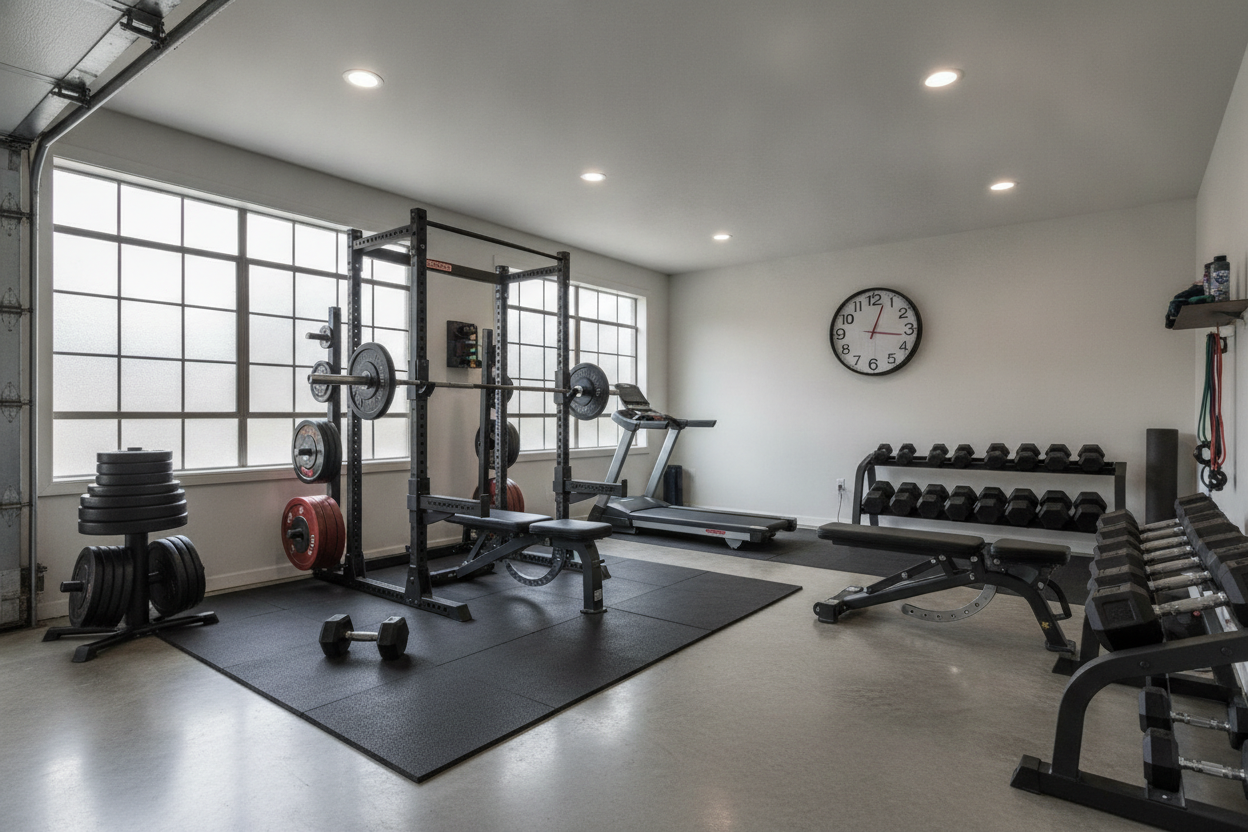
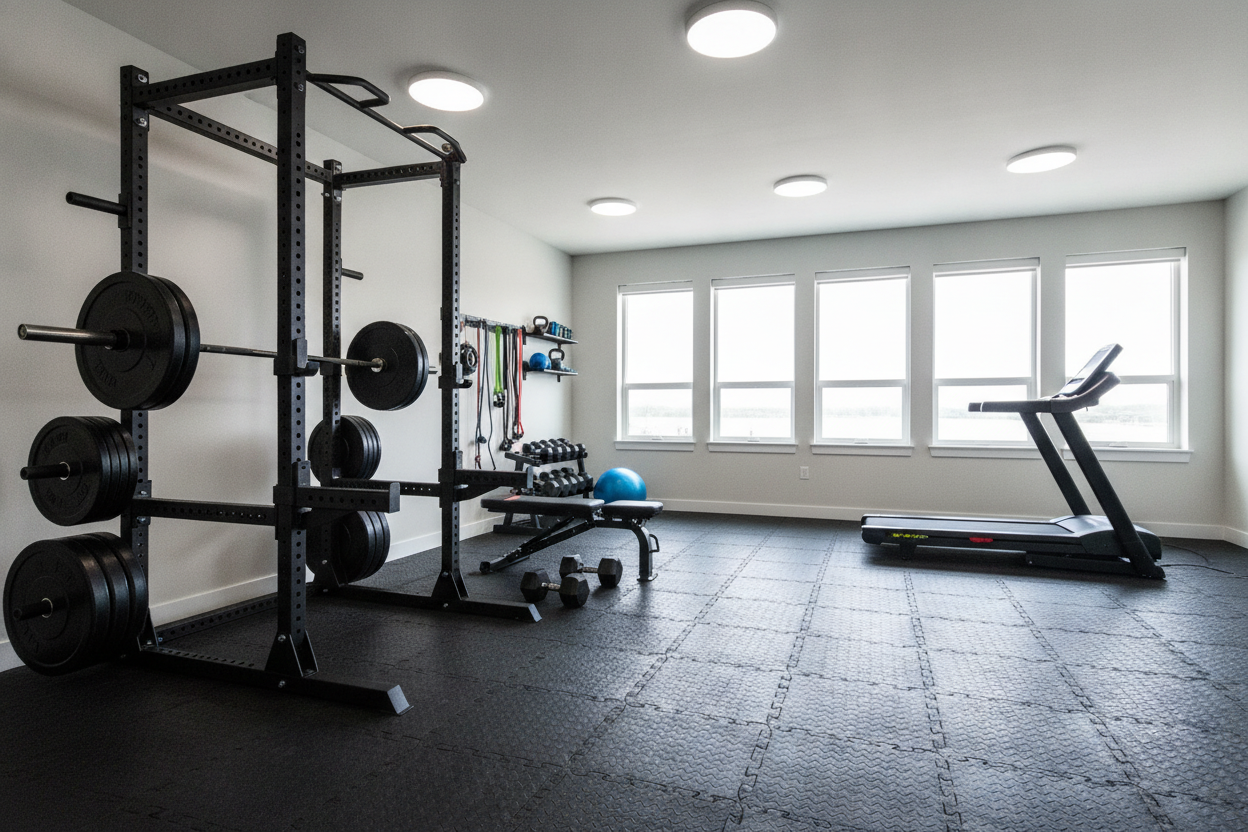
I spent twenty minutes yesterday morning scrolling through my feed, looking for a simple accessory finisher. What I found was a sea of neon-clad influencers performing what I can only describe as weighted interpretive dance. It is a massive problem because youtube dumbbell exercises should be the backbone of a solid home gym setup, not a source of confusion and shoulder impingement.
The reality of training in a garage or a spare bedroom is that you have limited space and, usually, limited weight. You need movements that provide the most bang for your buck. Instead, the algorithm feeds us 'novelty' because 'boring' doesn't get clicks. But boring is exactly what puts five pounds on your frame and ten pounds on your bench press.
- Focus on Basics: If it looks like a circus act, it probably is.
- Ignore the 'Burn': Lactic acid buildup isn't the same thing as mechanical tension.
- Rest is Mandatory: If a video tells you not to rest, it is a cardio workout, not a strength workout.
- Stability Matters: If you are wobbling, you aren't loading the muscle.
The Problem with Fitness Influencer Programming
The creator economy is built on retention, not results. If a trainer posts a video of a standard dumbbell chest press, you might watch it once. If they post a 'Triple-Extension-Rotational-Press-to-Lunge,' you might watch it three times just to figure out where their limbs are going. That second video gets prioritized by the algorithm, even though it is objectively worse for building muscle.
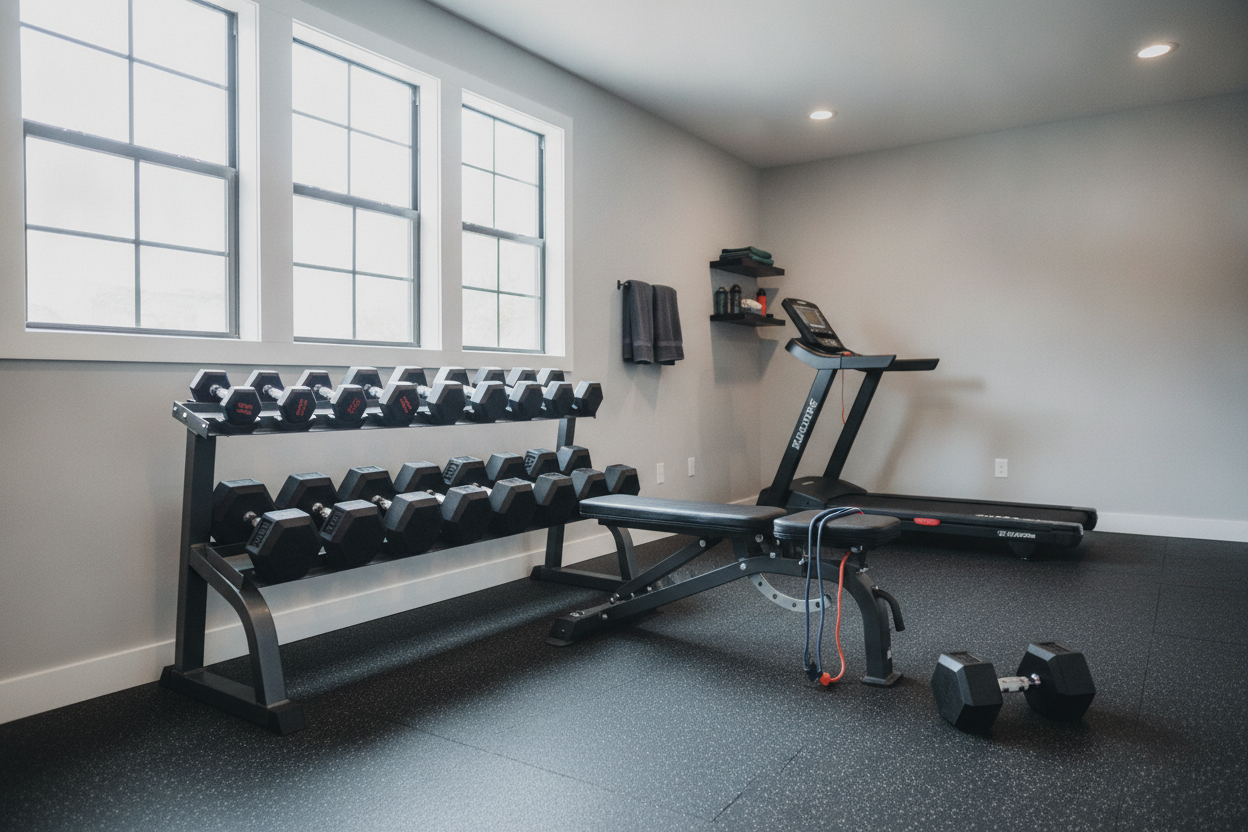
Most creators aren't trying to help you get stronger; they are trying to keep you from scrolling away. This leads to 'Frankenstein' exercises that combine three different movements into one. You end up using a weight that is too heavy for the weakest link (like a lateral raise) but way too light for the strongest link (like a squat). You're effectively doing nothing well. I have a rack of dumbbells from 5 to 100 pounds, and 95% of my training stays in the basic movement patterns: push, pull, hinge, squat, and carry.
How to Spot Fake YouTube Dumbbell Workouts
When you search for youtube dumbbell workouts, you are bombarded with thumbnails promising 'shredded abs' or 'massive arms' in ten minutes. These are the first red flags. Real physiological change takes time and progressive overload—two things that don't fit into a viral 60-second clip. If the person in the video is using 10-pound weights but looks like they stepped off an IFBB stage, they didn't get that body using those weights.
Look at the structure of the routine. Does it allow for progression? Or is it just a random assortment of movements designed to make you sweat? Sweating is easy; I can make you sweat by having you do burpees in a sauna. Building muscle requires high-quality sets where you are within 1-3 reps of failure. You cannot do that if you are jumping from one exercise to the next without a second to breathe.
Red Flag 1: The 'No Rest' Gimmick
High-intensity interval training (HIIT) has its place, but it is a terrible way to build muscle. When a video tells you to 'keep the heart rate up' by skipping rest periods, they are turning a strength tool into a mediocre cardio tool. Muscle hypertrophy requires ATP recovery. If you don't rest, your next set will be limited by your lungs, not your muscles. I’d rather see you sit on a bench for two minutes between sets of heavy rows than pace around the room gasping for air while your form falls apart.
Red Flag 2: The Circus Act Combos
We’ve all seen it: the bicep curl into a reverse lunge into an overhead press. It looks impressive, but it’s biomechanically stupid. Your legs can handle significantly more weight than your biceps. By combining them, you are drastically under-loading your lower body. Good channels will teach you that the best dumbbell exercises for shoulders use a bench because it eliminates the 'cheat' factor and lets you focus on the medial deltoid without your lower back taking over. If you're standing and swinging, you're just using momentum.
What Actually Makes a Video Routine Worth Following?
A legitimate routine focuses on the 'boring' stuff. You want to see clear coaching cues about elbow position, foot placement, and bracing. A good coach will talk about the eccentric phase of the lift—the part where you lower the weight. Most influencers drop the weight like a hot potato because the 'up' part looks better on camera. But the eccentric is where a huge portion of the muscle damage and subsequent growth happens.
Look for routines that offer scalable rep ranges. If a video says 'do 20 reps' regardless of the weight you have, ignore it. A real program tells you to work within a range that challenges you. If you have a 50-pound dumbbell and can do 30 reps, that weight is too light for that specific exercise. A good video explains how to slow down the tempo or change the angle to make that 50-pounder feel like 80.
Building Your Own Routine Instead of Blindly Following
The best way to use YouTube is as a library, not a coach. Watch the videos to learn the mechanics of a specific lift, then plug that lift into a structured program. You don't need a new 'flavor of the week' workout every Monday. You need a handful of movements that you get progressively better at over months, not days. I once simplified my entire upper body day into a dumbbell routine using one weight just to prove that intensity and form matter more than having a full commercial gym at your disposal.
Pick a horizontal push (floor press), a horizontal pull (one-arm row), a vertical push (seated press), and a vertical pull (pullovers). Master those. If you find a video that explains the nuances of the dumbbell pullover—how to keep the lats engaged without overextending the spine—that is a video worth your time. The rest is just noise.
Personal Experience: The 'Metabolic' Mistake
A few years back, I fell for the 'metabolic conditioning' trap. I followed a popular 30-minute dumbbell circuit that had zero rest and lots of jumping. By week three, my knees were screaming, and I actually lost strength on my main lifts. I was so fatigued from the 'cardio' aspect that I couldn't intensity-load my muscles. I went back to basic 3x10 sets with 2-minute rests and my strength returned in a week. Don't mistake being tired for being productive.
Frequently Asked Questions
How heavy should my dumbbells be for YouTube workouts?
It depends on the movement. For most people, a pair of adjustable dumbbells that go up to 50 lbs will cover 90% of the exercises you see. If you're doing heavy rows or split squats, you'll eventually need to go heavier or increase the time under tension.
Can I really build muscle with 20-minute videos?
Only if those 20 minutes are dense with actual work. Most 20-minute videos include 5 minutes of intro and 5 minutes of stretching. You're better off doing 4 sets of 2 exercises with total focus than 10 exercises in a rushed circuit.
Why do my joints hurt after following online routines?
Usually, it's because of 'combination' exercises that force your joints into awkward positions while you're fatigued. Stick to single-plane movements until your form is bulletproof. If it hurts in a 'stabbing' way rather than a 'muscular' way, stop immediately.