What's a Good Shoulder Workout? The Blueprint for 3D Delts
You want that coveted V-taper. You want the kind of width that makes your waist look smaller and your shirts fit better. But if you walk into most commercial gyms, you’ll see people swinging dumbbells wildly, risking their rotator cuffs for zero gain. Asking what's a good shoulder workout shouldn't lead to confusion or injury.
Building three-dimensional deltoids requires more than just pushing heavy weight over your head. It requires an understanding of angles, tension, and the often-ignored rear deltoid. This guide strips away the bro-science and focuses on the mechanics of growth.
Key Takeaways: The Shoulder Strategy
- Compound First: Start with a heavy overhead press to overload the entire girdle.
- Volume for Side Delts: The medial head responds best to high reps and constant tension, not ego lifting.
- Rear Delt Priority: Most lifters neglect the rear delt; train it to prevent a hunched posture and round out the physique.
- Frequency Matters: Shoulders can often handle being trained twice a week due to their fiber composition.
The Anatomy of a "Boulder" Shoulder
Before we touch a weight, you need to understand the architecture. The shoulder isn't one muscle; it's three distinct heads that require different vectors of force.
If you only lift shoulders using pressing movements, you will overdevelop the front (anterior) head and look slouched. To build a complete shelf, you must target the side (medial) and rear (posterior) heads with specific isolation work.
1. The Foundation: Heavy Overhead Pressing
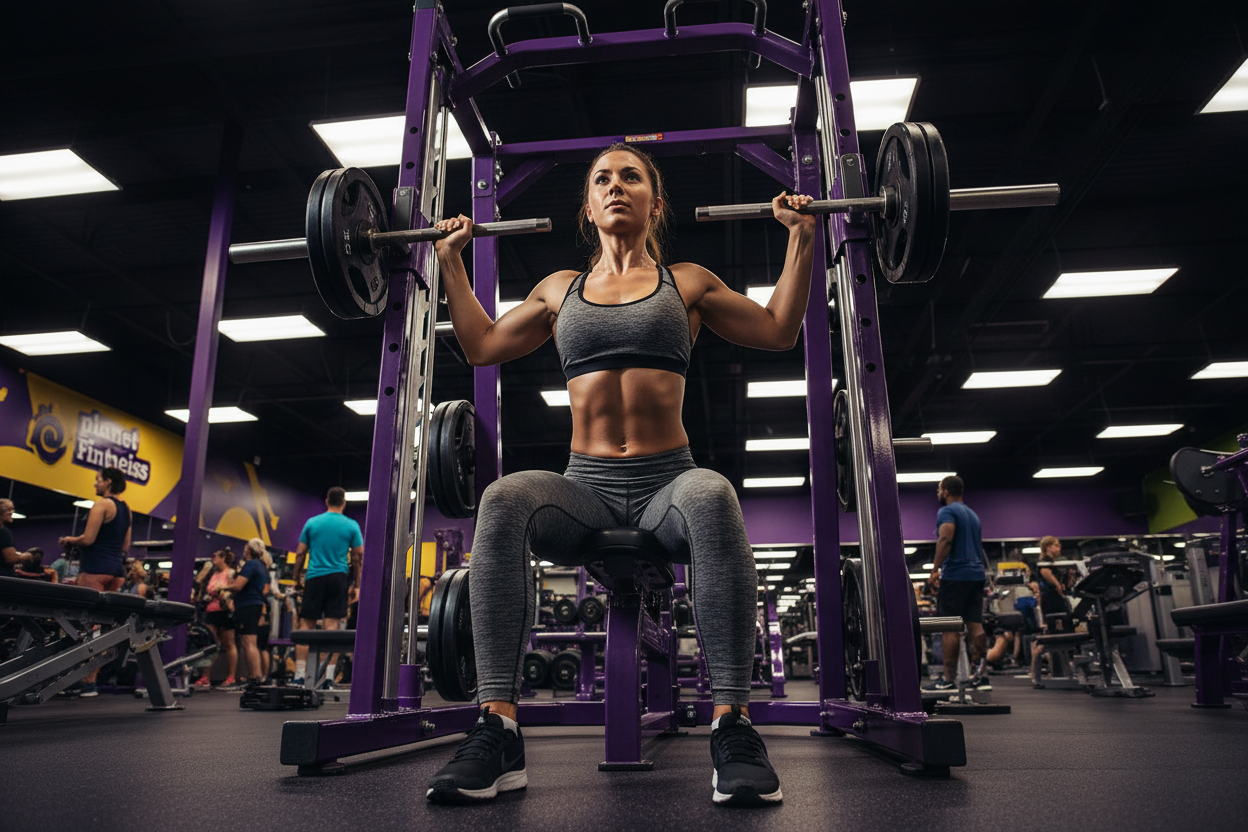
This is the bread and butter of strong shoulder exercises. Whether you choose a barbell, dumbbells, or a military press machine, the vertical press is non-negotiable for mass.
Why It Works
It allows you to move the most weight. Mechanical tension is the primary driver of hypertrophy (muscle growth). By progressively overloading this movement, you build the density of the front delts and triceps.
Technique Tip
Don't flare your elbows out to 90 degrees. Tuck them slightly forward (about 30-45 degrees) to protect the shoulder joint. Keep your glutes squeezed to prevent your lower back from arching excessively.
2. The Width Factor: Lateral Raises
This is arguably the most important exercise to build shoulder muscles that actually look wide from the front. The medial delt creates that "capped" look.
The Mistake to Avoid
Most people go too heavy. If you have to swing your torso to get the weight up, you are using your lower back and traps, not your shoulders. Drop the ego.
Execution
Think about pushing your hands out toward the walls, not just up. Stop the movement just before your hands go above shoulder height to keep tension on the muscle.
3. The 3D Effect: Rear Delt Flys
If you want exercises to develop shoulders that look impressive from the side, you cannot skip rear delts. Neglecting them is why many lifters have shoulders that look flat or rolled forward.
Face pulls or bent-over dumbbell flys are essential here. High reps (15-20 range) usually work best as this is a postural muscle designed for endurance.
Common Training Mistakes
Ignoring the Eccentric
The lowering phase of the lift causes the most muscle damage (the good kind). If you let gravity pull the weight down instantly, you are missing out on half the growth potential.
Over-shrugging
When doing exercises for building shoulders, keep your shoulder blades depressed (down). If your ears are touching your shoulders, your upper traps are taking over the work.
My Training Log: Real Talk
I remember distinctly when my shoulder training clicked. For years, I chased heavy numbers on the seated dumbbell press. I got strong, but my shoulders still looked narrow.
The turning point wasn't a heavier weight; it was a lighter one. I grabbed a pair of 15lb dumbbells—weights I previously thought were for warm-ups—and focused on lateral raises with a slow, 3-second descent.
The burn was different. It wasn't that deep, aching joint pain I used to feel in my rotator cuff after heavy benching. It was a localized, superficial burning sensation right in the side cap of the delt. I also stopped gripping the dumbbell so hard. I noticed that when I death-gripped the knurling, my forearms and traps engaged. By resting the handle loosely in my fingers (almost using my hands as hooks), the isolation on the delt skyrocketed. That specific adjustment changed my physique more than adding 20lbs to my overhead press ever did.
Conclusion
A good shoulder workout isn't about how much noise you make or how heavy the dumbbell is. It's about precision. Build your base with heavy presses, but carve the detail with strict, controlled isolation movements. Be consistent, check your ego at the door, and the width will come.
Frequently Asked Questions
How often should I train my shoulders?
For most natural lifters, training shoulders twice a week is optimal. One day can focus on heavy pressing (strength), and the second day can focus on higher volume isolation (hypertrophy) to maximize growth signals.
Are dumbbells or barbells better for shoulders?
Both have their place. Barbells allow for maximum weight load, which is great for overall mass. Dumbbells require more stabilization and allow for a more natural range of motion, which is often safer for the joints and better for correcting imbalances.
Why do my shoulders click when I lift?
Clicking usually indicates a lack of stability or mobility in the shoulder capsule, or inflammation in the rotator cuff. Ensure you are warming up your rotator cuffs properly before heavy lifting. If clicking is accompanied by pain, stop immediately and consult a physio.