What to Pair With a Shoulder Workout: Split Guide
Deciding what to pair with a shoulder workout is one of the most common programming challenges in strength training. Because the shoulder joints participate in nearly every upper body movement, how you group your training days influences your recovery, joint comfort, and overall muscle growth.
Whether your goal is to build muscle, address muscle imbalances, or establish an efficient home routine, pairing the right muscle group with deltoid exercises helps you train hard without overtaxing your shoulders.
Understanding Deltoid Heads and Upper Body Movement
The shoulder muscles consist of three distinct heads: anterior (front), lateral (side), and posterior (rear). Each portion serves a specific role in daily upper body movement:
- Anterior Deltoids: Active during pressing movements like the overhead press and chest pressing.
- Lateral Deltoids: Responsible for lifting the arm outward away from the body during lateral raises.
- Rear Delts: Engage primarily during pulling movements, rowing, and horizontal abduction alongside the upper back and shoulder blades.
Because these three heads perform different functions, you do not have to train all three with the same muscle group. Many lifters divide deltoid work across multiple days to avoid excessive joint fatigue while ensuring balanced development across the entire shoulder girdle.
Pairing Chest and Shoulders for Push Days
The classic push day remains the most popular training split for combining pushing muscles. In this setup, you train chest and shoulders alongside the triceps in a single session.
This pairing is biomechanically intuitive. When performing a heavy bench press or incline bench variation, the anterior deltoids and triceps assist the upper chest. Transitioning straight into a shoulder press or dumbbell lateral raise allows you to exhaust all pushing muscles together, leaving several days for full recovery before your next pressing session.
However, fatigue management becomes essential when pairing chest and delts. If you place heavy barbell overhead pressing immediately after intense chest sets, pressing strength often drops. Many lifters prioritize a primary compound exercise first, then follow with targeted isolation exercises to round out the workout. Home lifters looking for structured split examples can explore our workout hub resource for practical training ideas.
Pairing Back and Shoulders for Balanced Posture
Another highly effective option is a back and shoulder workout routine. This combination pairs pulling movements with shoulder work, specifically targeting the rear delts and side delts.
When you perform rows, pull ups, and lat pulldowns, the shoulder blades retract and depress. Adding reverse flyes, face pulls, and cable lateral raise variations to back sessions creates a balanced session that supports posture without overwhelming the anterior delts. For an in-depth look at this style of programming, read our shoulder back muscles guide to see how lifters use pulling pairings to break away from traditional splits.
Benefits of Back and Deltoid Grouping
- Reduced Anterior Overuse: Separating heavy chest pressing from direct shoulder work reduces front-shoulder strain.
- Time Efficiency: You can combine horizontal pulling and rear delt work with minimal equipment changes.
- Improved Symmetry: Focusing on rear delts and back musculature helps offset the forward posture caused by daily desk work.
Alternative Combinations: Arms or Legs With Delts
If you prefer dedicated training splits, you can pair shoulders with muscle groups other than chest or back:
- Shoulders and Arms: Pairing deltoids with biceps and triceps creates a dedicated upper body arm day. This allows you to perform your shoulder press and lateral raises fresh, without pre-exhaustion from heavy bench press or row variations.
- Shoulders and Legs: Adding deltoid work to lower body days spreads upper body volume throughout the week. For example, pairing squats or lunges with overhead pressing creates a challenging session that gives other upper body pushing muscles complete rest.
- Full Body Workouts: Rather than pairing delts with just one muscle group, full body routines distribute one or two shoulder exercises across three weekly sessions, allowing consistent frequency.
Home Gym Setup and Flooring for Overhead Lifts
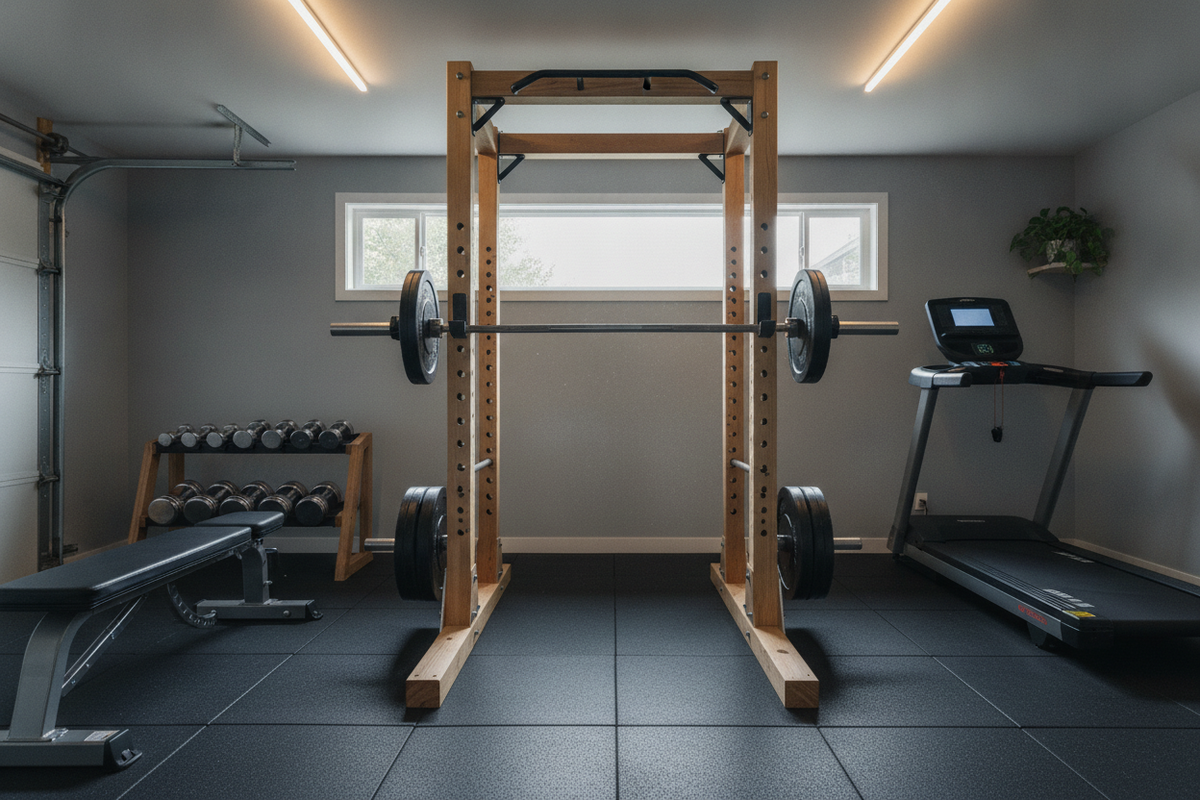
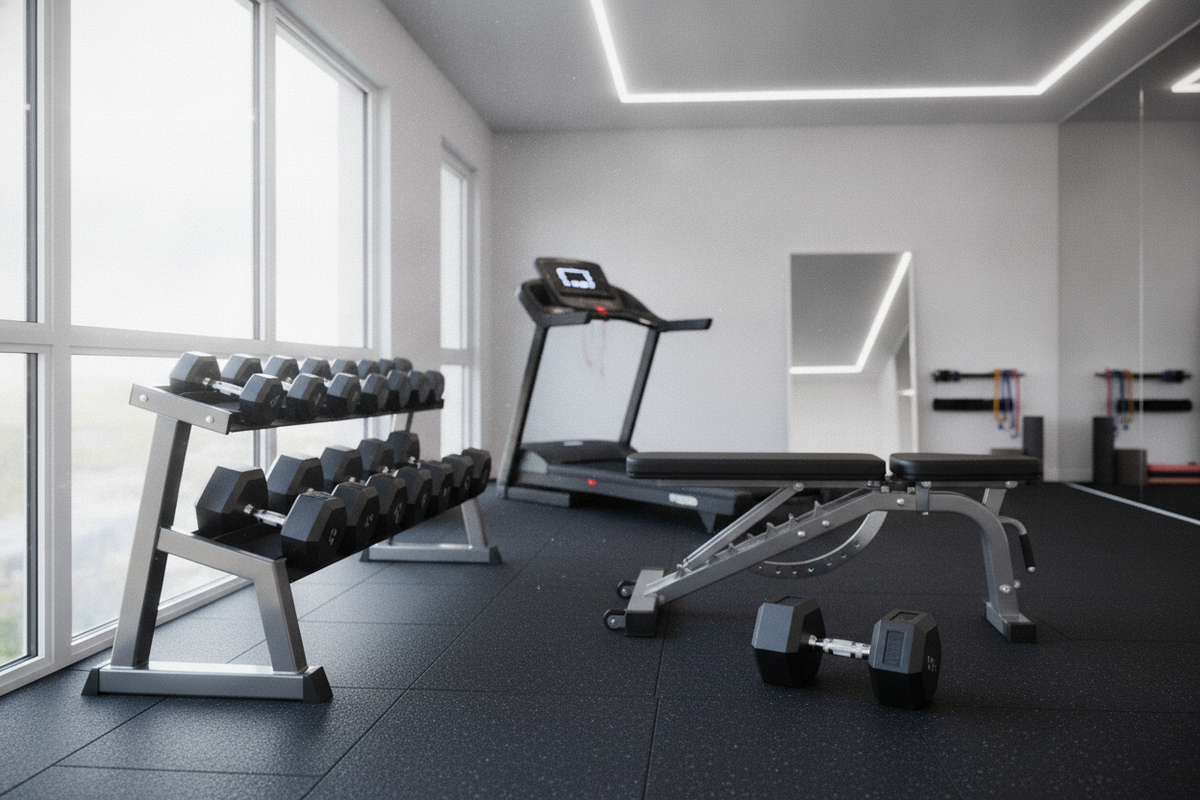
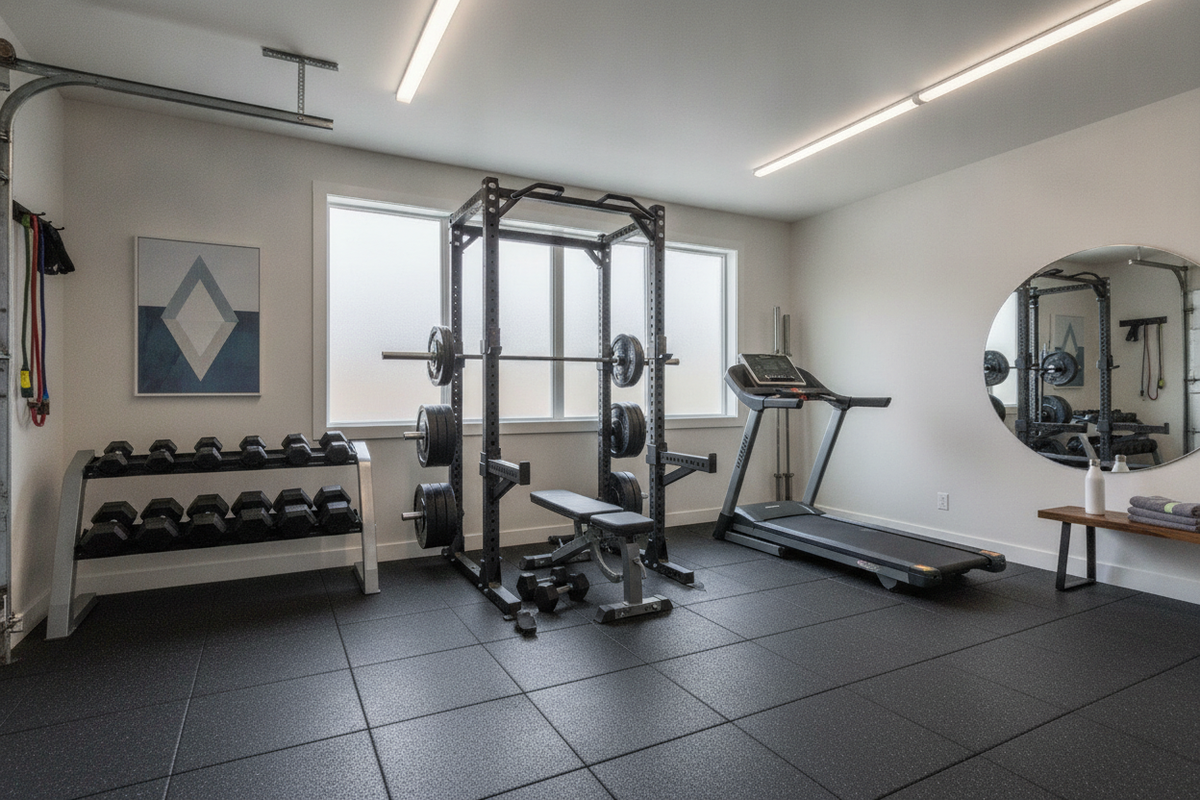
Executing a home dumbbell shoulder workout or barbell overhead routine requires thoughtful attention to your training environment. Overhead pressing demands a rock-solid base from your feet up through your core.
Lifting overhead on slippery floors or uneven carpets makes it difficult to maintain proper form. A dedicated, non-slip surface underfoot provides traction during seated or standing dumbbell presses. When lowering heavy weights after reaching shoulder height, having resilient flooring prevents surface damage and dampens vibrations. Adding a durable large gym flooring mat creates a stable, slip-resistant perimeter for overhead lifting and floor-based deltoid drills.
Structuring Your Weekly Shoulder Workout Plan
To design an effective shoulder workout split at home, balance compound and isolation exercises while respecting your recovery capacity. Here is a practical framework for organizing your week:
- Start With Compound Lifts: Begin with your primary multi-joint exercise, such as a seated dumbbell press or standing barbell press, while your energy is highest.
- Layer in Lateral Work: Follow compound lifts with side lateral raises to target the lateral head, keeping your arms straight with a slight elbow bend and raising the weights to shoulder height.
- Finish With Rear Deltoid Isolation: Conclude the session with bent-over reverse flyes or band pull-aparts to balance the rear aspect of the shoulder joint.
For additional technique adjustments to enhance your deltoid movements, check out our practical dumbbell shoulder workout guide.
Frequently Asked Questions About Shoulder Splits
Can I do back and shoulder workouts at the same time?
Yes. Pairing back and shoulders is an excellent way to train the upper body. Focus primarily on the rear and lateral deltoids during back days to complement pulling movements and avoid overlapping fatigue with chest training.
Are three exercises enough for a shoulder routine?
For most lifters, three focused exercises per week are sufficient to train all three deltoid heads. A balanced routine typically includes an overhead pressing movement, a lateral raise variation for the side delts, and a reverse flye or face pull for the rear delts.
Should I train shoulders before or after chest?
If your primary goal is building pressing strength or chest development, train chest first because compound presses require high energy and stability. If your shoulders are a lagging muscle group and you want to prioritize deltoid size, you can start with shoulders or give them a dedicated session.