What Nobody Tells You Before You Buy Weights for Home
I remember the night I finally snapped. My local commercial gym hiked their rates for the third time in two years, and the 'out of order' sign on the only squat rack had been there since the Obama administration. I decided right then to buy weights for home. I figured I'd just click 'order' and a week later I'd be hitting PRs in my garage.
I was wrong. What actually followed was a chaotic dance with a freight driver named Gary, three shredded cardboard boxes, and a driveway covered in industrial-grade pallet splinters. If you are tired of waiting for the cable machine and want to build a real sanctuary, you need to understand the logistics of moving literal tons of iron to your doorstep.
Quick Takeaways
- Expect 'cardboard confetti'—heavy iron shreds standard shipping boxes during transit.
- Freight shipping is your friend; anything over 150 lbs should arrive on a pallet.
- Inspect for chips or cracks before the driver leaves your driveway.
- Consolidate your orders to avoid paying the 'heavy item' shipping surcharge multiple times.
Your Delivery Driver Is Going to Hate You (And Other Truths)
Standard parcel carriers like FedEx and UPS are built for shoeboxes and vitamins, not 100-pound dumbbell delivery. When you order heavy iron through standard mail, it arrives in a box that looks like it survived a war zone. The weight of the metal combined with the friction of transit usually turns the cardboard into mush.
I’ve seen 45-lb plates arrive with the center hub poking through the side of the box, scraping against every surface in the truck. When the driver pulls up, they aren't going to be happy about lugging that dead weight to your porch. Be ready to meet them at the truck. Inspect the iron immediately. Check the coating for deep chips that could lead to rust and ensure the handles aren't bent. If it's trashed, refuse the delivery right there.
Freight Trucks vs. FedEx: How Your Iron Actually Arrives
There is a massive difference between ordering a pair of 25s and getting a full weight set delivered. Once your order crosses that 150-lb threshold, it usually moves from a van to a 53-foot semi-truck. This is actually a good thing. Freight shipping means your gear stays strapped to a wooden pallet, which prevents the 'shredded box' syndrome.
However, freight comes with its own headaches. You need to ensure the shipping company includes 'liftgate service,' or you'll be expected to hand-unload a pallet from the back of a high-deck trailer. If you're looking at a weight set and bench combination, you're almost certainly in freight territory. Make sure your driveway can actually fit a large truck, and don't expect them to carry it into your basement. They drop it at the curb or the garage door, and then the real work begins.
The Smart Order of Operations for Heavy Purchases
The biggest rookie mistake is buying one pair of plates this month and another pair next month. You’ll get absolutely murdered on shipping costs. Most equipment companies have a flat rate for freight or a free shipping tier that only makes sense if you buy in bulk. I learned this the hard way after paying $80 in shipping for a single pair of change plates that I could have just added to my initial order for free.
Strategize your build. Instead of piecemealing a gym together, look for a heavy-duty rack and bumper plate package. Buying everything at once ensures it arrives on one pallet, on one day, for one shipping fee. It also means your equipment is scaled to work together—no wondering if your new bar fits the rack you bought six months ago.
Where to Put It All Once the Truck Leaves
Once Gary the driver drops that pallet and leaves, you have 300 to 500 pounds of cold steel sitting in your driveway. Do not try to be a hero and carry it all by hand. Get a cheap furniture dolly or a hand truck. If you’re moving it into a garage, clear the space before the truck arrives. You don't want to be shuffling lawnmowers while a pallet of iron blocks your neighbor's car.
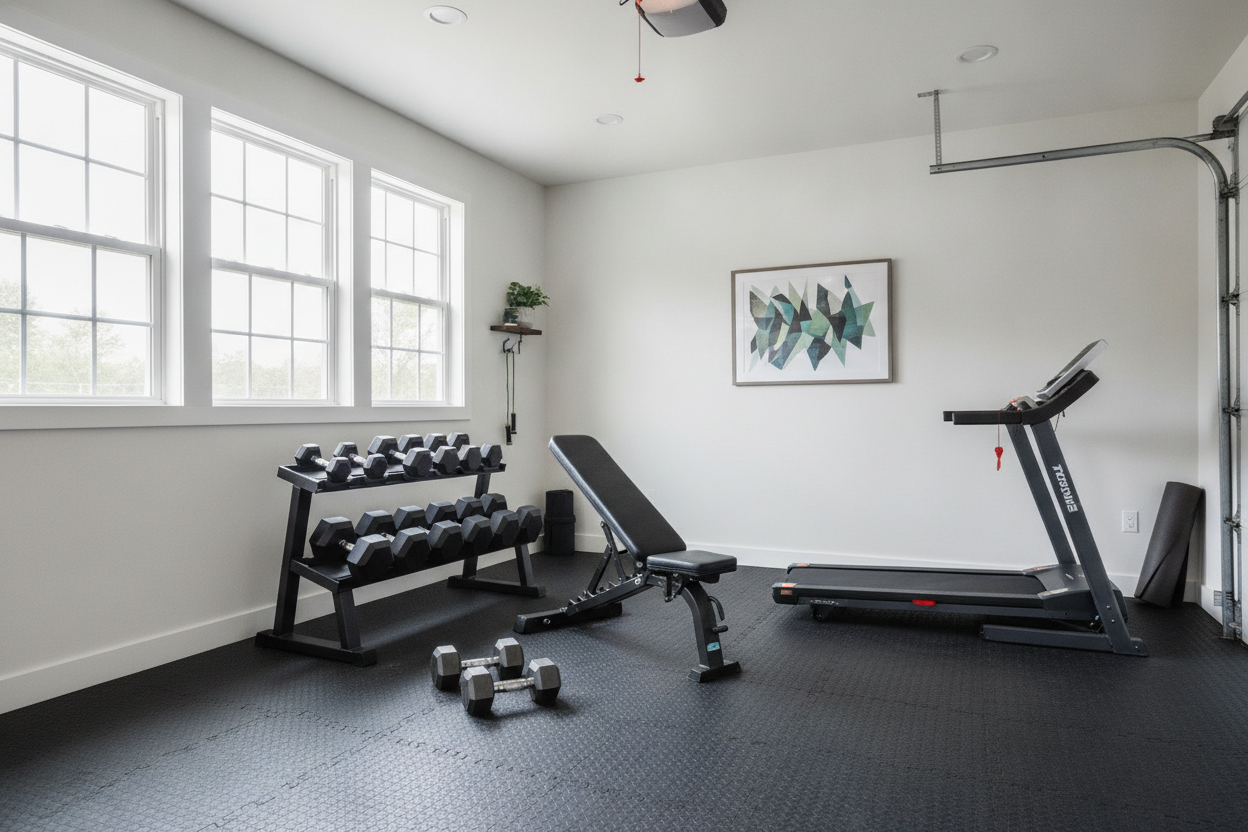
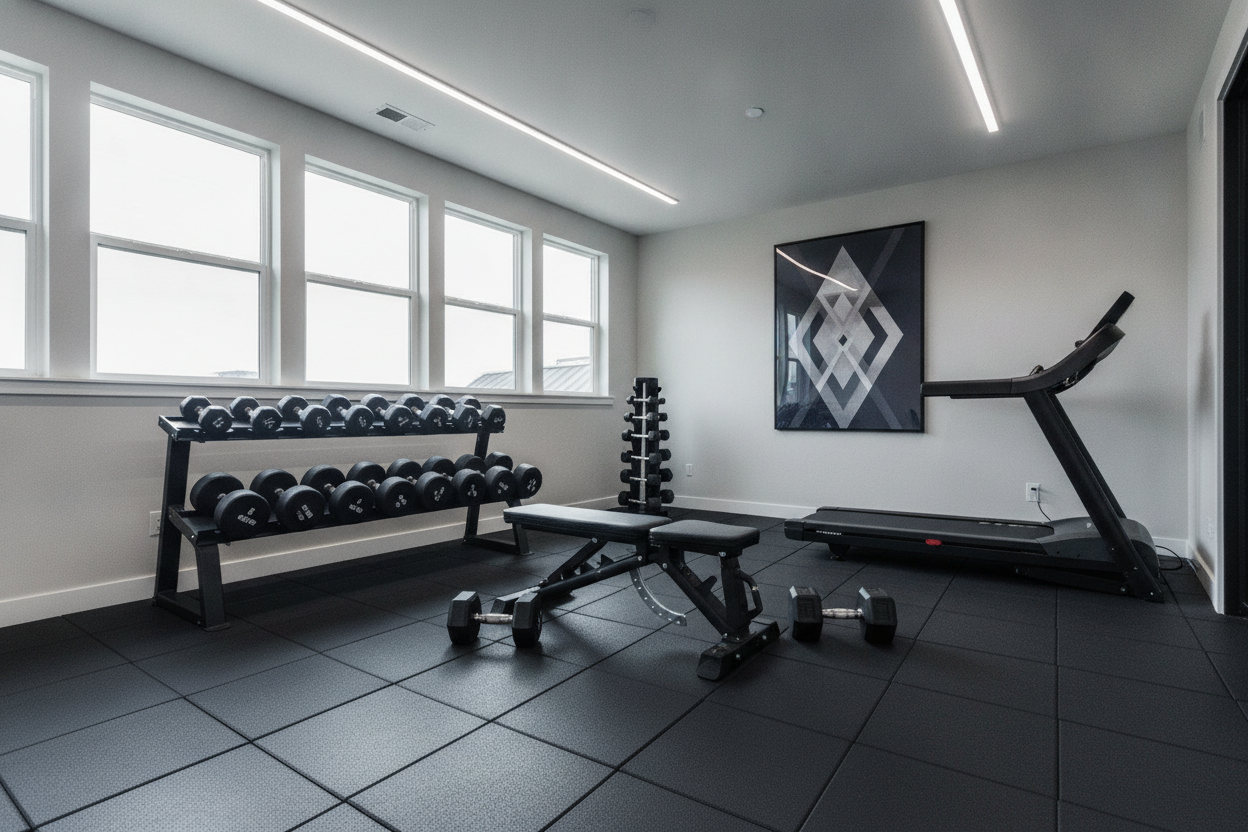
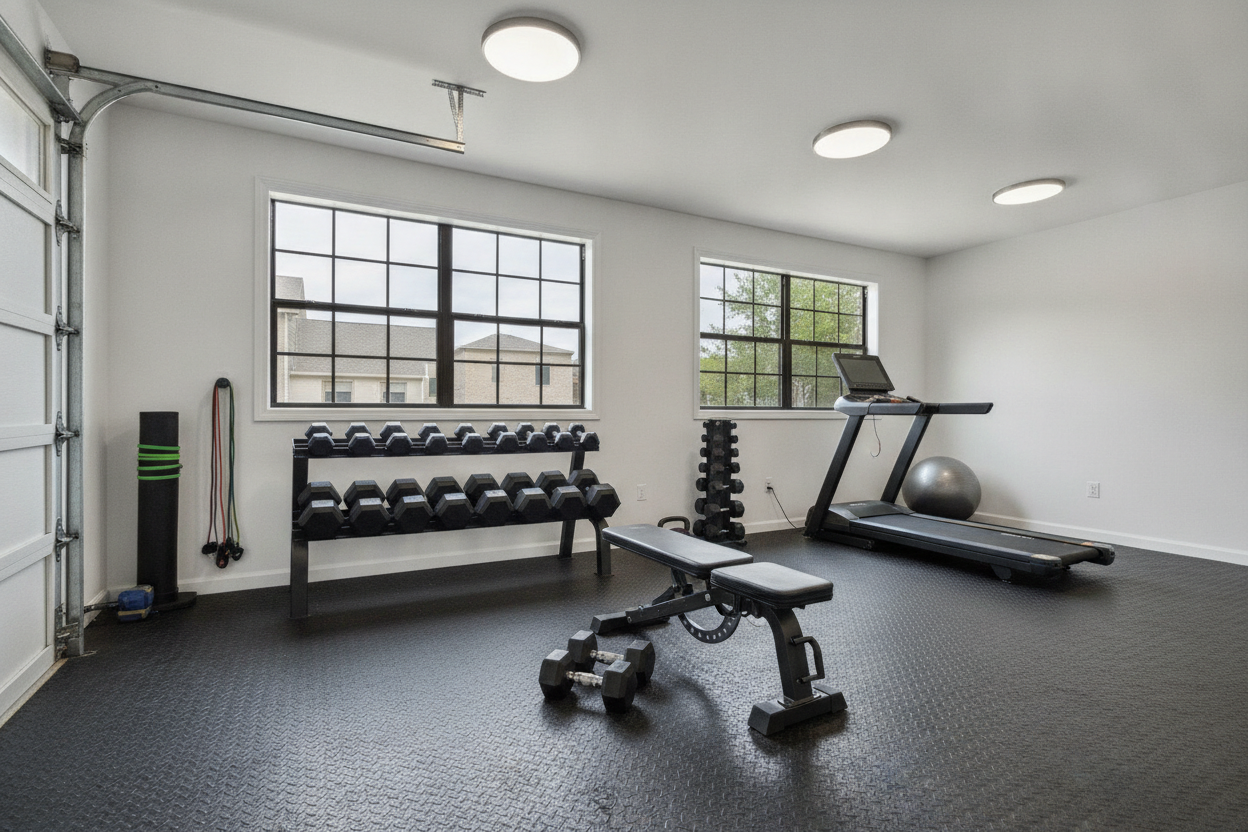
Before you even unwrap the plates, get your foundation ready. You need a solid adjustable weight bench as your centerpiece. It gives you a place to sit between sets and acts as the anchor for your dumbbell area. If you're lifting on bare concrete, stop now. Buy some 3/4-inch stall mats. Your floor—and your ears—will thank you when you finally drop a heavy set.
Putting the Iron to Work Before the Boxes Are Even Broken Down
Don't let the gear sit in the boxes for a week. Iron is resilient, but factory oil and dust need to be wiped off immediately. I always keep a rag and some mild cleaner handy to get that 'shipping film' off the knurling. Once it's clean, run a 'stress test' workout. You need to make sure the collars lock tight and the bench doesn't wobble under load.
I recommend running through some basic at-home chest training routines on day one. It’s the fastest way to check the ergonomics of your new dumbbells and ensure the bench height feels right for your frame. If something feels off or a weld looks sketchy, you want to catch it while the shipping company's claim window is still wide open.
My Personal Lesson in Iron Logistics
A few years back, I ordered a 300-lb Olympic set during a massive thunderstorm. The driver refused to back up my steep driveway because of the rain. He dropped the pallet at the very edge of the street, 50 yards from my garage. I spent two hours in a downpour, carrying 45-lb plates one by one up a slick concrete hill. My neighbors thought I was training for a Strongman competition; I was actually just trying to keep my new investment from rusting in the gutter. The lesson? Check the weather and have a plan for the 'last mile' of the delivery.
Frequently Asked Questions
Should I buy cast iron or rubber-coated weights?
If you're in a garage or basement with neighbors nearby, go rubber-coated or urethane. Cast iron is classic and thinner (allowing more weight on the bar), but the 'clank' is loud enough to wake the dead. Rubber protects your floors and keeps the peace.
How do I know if my driveway can handle a freight truck?
If a standard garbage truck can get to your house, a freight truck usually can too. If you live on a tiny cul-de-sac or a dirt road, call the shipping company ahead of time. They can often send a smaller 'box truck' instead of a full semi.
Is it cheaper to buy used weights?
Sometimes, but the 'dollar per pound' rule has changed. Used iron often sells for nearly retail prices on secondary markets. Factor in the gas and the physical labor of hauling someone else's rusty gear, and buying new with a warranty often wins out.