
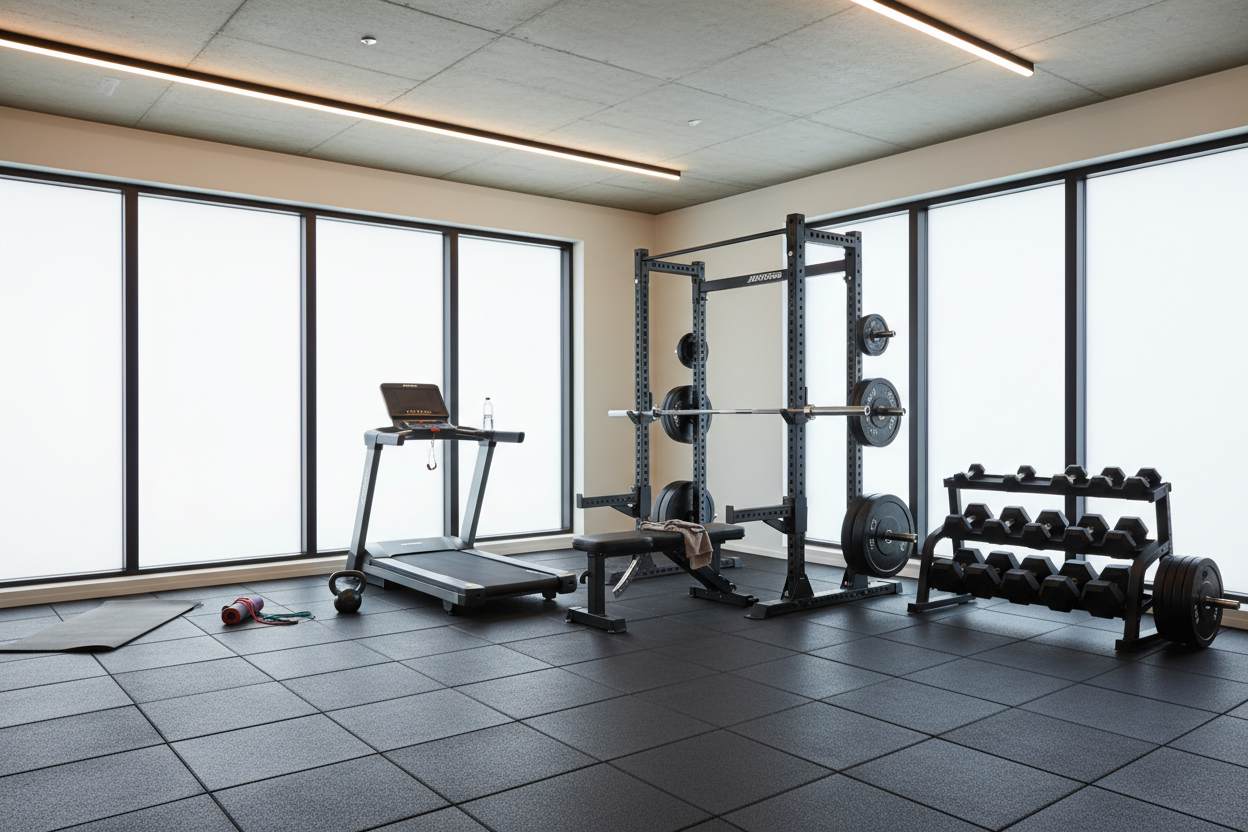
What Nobody Tells a Woman Lifting Weights About Her First 30 Days
I remember the night I decided to stop 'toning' and start training. I was staring at a pair of 5-lb neoprene dumbbells that felt more like toys than tools. The gym memberships were getting pricier, the commute was a soul-suck, and I finally just bought a barbell. But for a woman lifting weights for the first time, the transition from a yoga mat to a power rack is less like a fitness montage and more like a crash course in physics and pain management.
Quick Takeaways
- Your grip will likely be the first thing to fail, not your legs or back.
- Calluses are inevitable and actually helpful for hand protection.
- Proper equipment, like a real bench, is non-negotiable for progress.
- Noise is part of the process; don't be afraid to drop the bar.
Welcome to the Iron: It's Heavy and It Doesn't Care
The first week is a mental trip. You’ve been told for years that lifting heavy will make you 'bulky' or that you belong on the elliptical. Stepping into the garage to face a cold steel bar is intimidating. It’s heavy, it’s indifferent, and it doesn't have a 'burn' setting like a spin bike. You’re no longer just a woman lifting; you’re an athlete managing load.
The biggest hurdle isn't the weight itself; it's the feeling of being an imposter in your own gym. You’ll worry about your form, your shoes, and whether you're 'allowed' to take up this much space. Spoiler: You are. That iron doesn't care about your gender, it only cares about gravity.
Your Grip Will Fail Long Before Your Legs Do
Here is the annoying truth: Your glutes might be able to handle a 95-lb deadlift, but your hands probably can't. Ladies who lift weights often find themselves frustrated in week two because the bar literally slips out of their fingers before they even feel a muscle contraction in their legs. This is normal.
Your forearms are going to ache in ways you didn't know were possible. You’ll also start developing calluses at the base of your fingers. Don't pick at them. Those little patches of rough skin are your body's way of building armor. Without them, every pull-up or row will feel like you're grabbing a cheese grater. Embrace the 'man hands'—they're a badge of actual work.
Why Your Shoulders Are Screaming (And How to Stop It)
By day ten, you might notice a nagging ache in the front of your shoulders. Most beginners make the mistake of pressing with their shoulders shrugged up toward their ears, which jams the joint and causes impingement. You have to learn scapular retraction—the art of pinning your shoulder blades back and down like you're trying to tuck them into your back pockets.
If you don't fix this, you'll spend more time on the heating pad than under the bar. If you want to fix shoulder pain from lifting weights, start focusing on your 'setup' before you even touch the dumbbells. A stable shoulder is a strong shoulder.
Stop Doing Floor Presses: You Need Actual Hardware
I see a lot of women trying to replicate a gym workout on a living room floor. Stop it. Doing chest presses or rows while lying on a yoga mat is a waste of your time. The floor stops your elbows, cutting your range of motion in half and leaving half your gains on the table. You need a reliable adjustable weight bench so you can actually drop your elbows below your torso and stretch the muscle.
There’s also this weird marketing trend suggesting that women require fundamentally different lifting gear than men. It’s nonsense. You don't need 'female-specific' barbells with pink coatings; you need a bar with decent knurling and a bench that doesn't wobble when you're holding 40-lb dumbbells over your face. Buy gear based on weight capacity and steel gauge, not who the ad is targeting.
Dropping the Barbell Isn't a Crime
The first time I failed a rep, I froze. I was terrified of the 'clank' and what the neighbors would think. But if you aren't lifting heavy enough to occasionally fail, you aren't growing. This is why I always tell people to invest in solid bumper plate sets. Unlike iron plates, bumpers are designed to be dropped.
Knowing you can safely bail on a lift changes your psychology. It allows you to push for that fifth rep without the fear of being pinned under the bar. Being loud in your garage gym is a sign of progress, not a lack of etiquette. If you're worried about the noise, get thicker mats, but don't lighten the load just to stay quiet.
The Point Where It Finally Clicks
Somewhere around week four, something magical happens. The 'newbie' soreness fades into a dull, satisfying hum. Your central nervous system finally figures out how to coordinate your movements. That 45-lb bar that felt like a telephone pole on day one suddenly feels light.
This is the 'click' point. You stop looking at the scale and start looking at the numbers on the plates. You aren't just a person trying to lose weight anymore; you're a lifter. The intimidation is gone, replaced by a genuine curiosity about how much more you can move next week.
Frequently Asked Questions
Will lifting heavy make me bulky?
No. Bulking requires a massive caloric surplus and years of specific hypertrophy training. For most women, lifting heavy just makes you look 'firm' and makes daily life—like carrying 40lbs of groceries—way easier.
How many days a week should I start with?
Three days is the sweet spot. Your central nervous system needs more recovery than your muscles do in the first month. Don't overtrain and burn out by week three.
Do I really need lifting shoes?
For squats, a hard, flat sole (like Chuck Taylors) is better than squishy running shoes. You want a stable base, not a marshmallow, between you and the floor.


