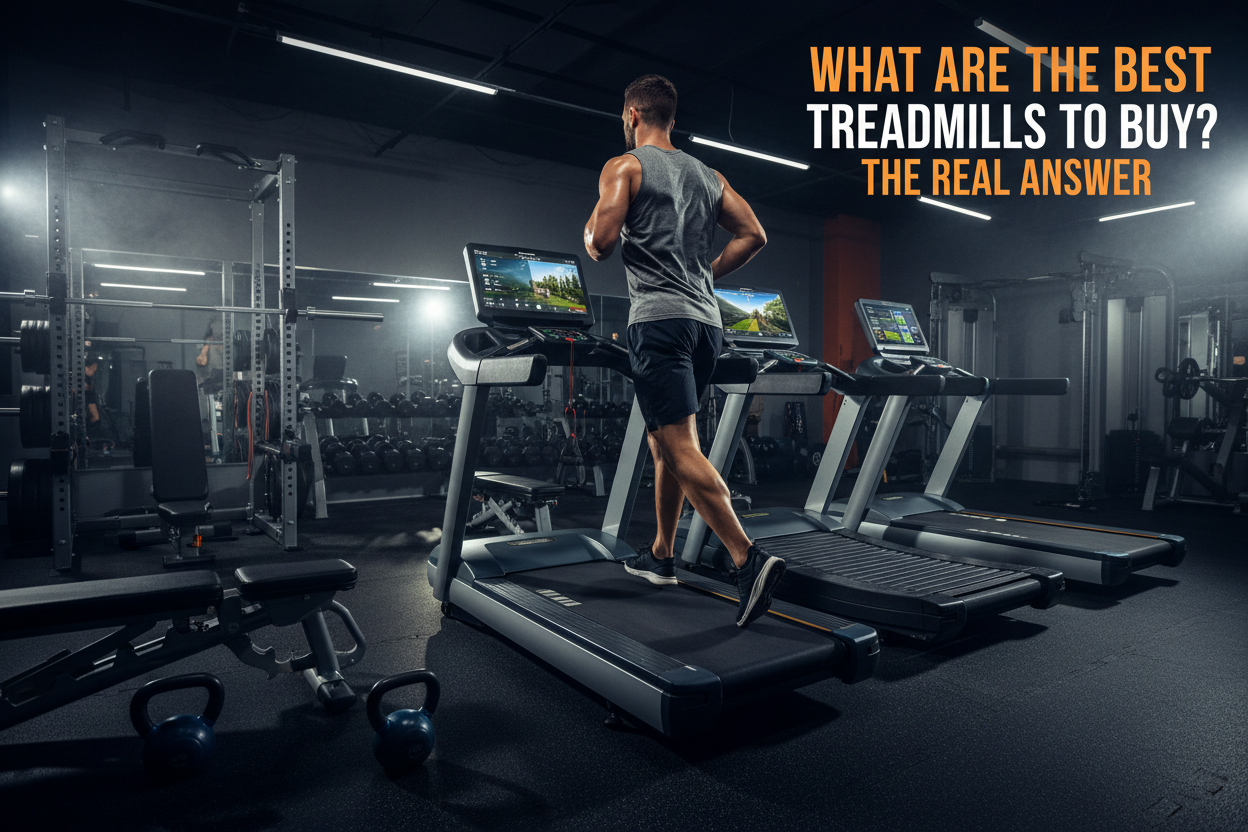
We've all been there: staring out the window at freezing rain, dreading the drive to the commercial gym, and wishing for a reliable cardio setup at home. But when you finally decide to pull the trigger, the sheer volume of options is paralyzing. If you are constantly asking yourself what are the best treadmills to buy, you aren't alone. Between motor specs, deck cushioning, and smart screens, it's easy to get overwhelmed and make an expensive mistake.
This guide cuts through the marketing fluff. We're going to break down exactly what specifications matter for your specific training style, how to measure your space correctly, and what features are actually worth your hard-earned money.
Key Takeaways
- Motor size dictates usage: Look for at least 3.0 CHP if you plan on regular running; 2.0 to 2.5 CHP is fine for walking and light jogging.
- Belt size matters: Runners over 6 feet tall need a minimum 60-inch belt length to accommodate their natural stride.
- Measure twice, buy once: Always account for the deck step-up height plus your own height to ensure adequate ceiling clearance.
- Cushioning saves joints: High-quality shock absorption is the main advantage a home treadmill has over pounding the pavement.
Decoding Treadmill Specs: A Buyer's Guide
The Heart of the Machine: CHP Motors
When figuring out what is best treadmill to buy, the motor is your starting point. You'll see the term 'CHP' (Continuous Horsepower) thrown around a lot. Unlike peak horsepower, CHP measures the power the motor can maintain continuously without lagging or overheating. For walkers, a 2.0 to 2.5 CHP motor will comfortably do the job. However, if you're doing heavy interval training or logging serious weekly mileage, do not settle for less than 3.0 CHP. A stronger motor doesn't just mean faster speeds; it means a longer lifespan for the machine because it isn't constantly maxing out its capacity.
Belt Dimensions: Walkers vs. Runners
A cramped running deck will completely ruin your stride and lead to poor biomechanics. The industry standard for a walking treadmill is a 20-inch by 55-inch belt. But if you're running, sprinting, or are simply on the taller side, you need a 60-inch long belt. That extra five inches makes the difference between a relaxed, natural gait and feeling like you're going to fly off the back of the machine.
Space Planning for North American Homes
Folding vs. Non-Folding Frames
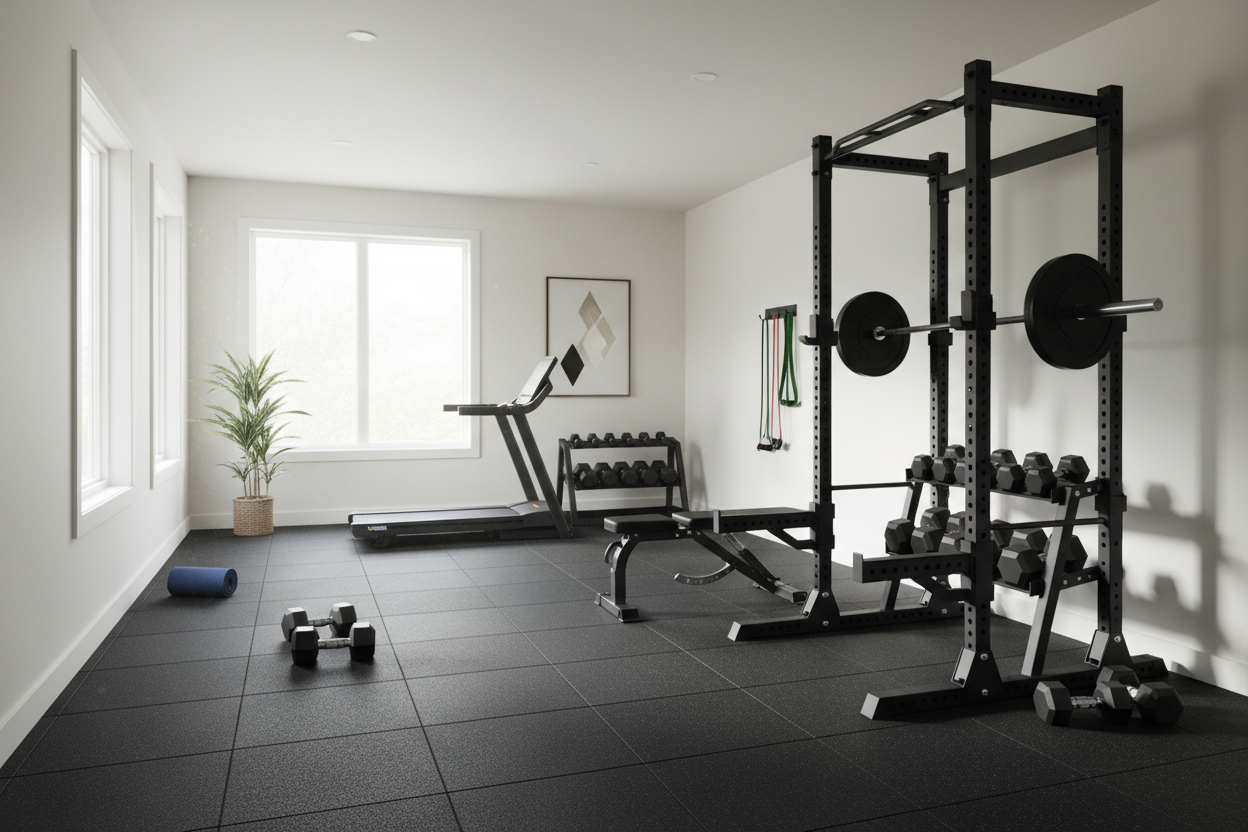
Most home gym owners in North America are working with multi-purpose spaces—a garage that still needs to fit a car, or a basement that doubles as a playroom. Folding treadmills have come a long way; modern hydraulic lift assists make them incredibly easy to fold up, saving you about half the floor footprint when not in use. However, if you have a dedicated gym space and prioritize absolute rock-solid stability for heavy, high-speed running, a non-folding commercial-grade frame will always feel slightly more grounded.
The Ceiling Height Trap
Don't just measure floor space. One of the most common return reasons we see is insufficient ceiling height. Take the deck's step-up height (usually 8 to 10 inches), add your height, and add another 5 to 6 inches for bounce and incline clearance. If you have an 8-foot (96-inch) basement ceiling and you are 6-foot-2 (74 inches), an 8-inch deck puts you at 82 inches. At a max incline, you might be scraping the drywall.
From Our Gym: Honest Take
We've tested dozens of treadmills over the years, and the biggest lesson I've learned is that touchscreens are highly overrated while deck cushioning is highly underrated. Last winter, I logged over 200 miles on a mid-tier folding treadmill with a 3.0 CHP motor. At 195 lbs, running at an 8.0 mph pace, I noticed that machines with cheaper, rigid decks sent a vibrating shock straight up my shins, mimicking the dreaded shin splints I get from concrete.
When I switched to a model with variable response cushioning (softer at the strike zone, firmer at the push-off zone), my recovery time dropped significantly. My honest advice? Skip the massive built-in HD screens that require expensive monthly subscriptions. Buy a treadmill with a rock-solid motor, superior shock absorption, and a simple tablet holder. Use your own iPad for entertainment and put your budget into the machine's actual hardware.
Frequently Asked Questions
What is best treadmill to buy for a dusty garage gym?
If you're putting a treadmill in a garage, you need to worry about dust and temperature fluctuations. The best options are those with sealed motor compartments and minimal complex electronics. Always keep it unplugged when not in use to protect against power surges, and invest in a heavy-duty treadmill cover to keep debris out of the belt track.
How much should I spend on a good home treadmill?
For a reliable walking treadmill, expect to spend between $800 and $1,200. For a durable running treadmill that won't shake at high speeds, the sweet spot is typically between $1,500 and $2,500. Anything below $500 is generally considered disposable and won't hold up to daily use.
Do treadmill incline and decline features really matter?
Incline is absolutely essential for building posterior chain strength and burning more calories at lower impact speeds. Decline is a luxury feature—great for marathon runners training for downhill courses, but not strictly necessary for the average home gym owner.