What Are Free Weight Exercises? (And Why I Ditched Machines)
I remember the first time I walked into a big-box gym. I spent twenty minutes wandering through rows of shiny, plastic-shrouded equipment, feeling like I was in a circuit board rather than a training facility. I finally found the corner with the chipped iron plates and the smell of chalk, and that is when things actually started to click. If you are standing there wondering what are free weight exercises, you are looking for the tools that are not bolted to a track, a pulley, or a guide rod.
- Free weights allow for a natural, three-dimensional range of motion.
- They force your 'stabilizer' muscles to work, which machines often ignore.
- Common examples include barbells, dumbbells, kettlebells, and medicine balls.
- Free weights are generally more affordable and space-efficient for home gyms.
The Gym Floor Is Confusing (Let's Define the Jargon)
Commercial gyms are usually split into 'zones.' You have the cardio deck, the machine circuit, and the free weights section. When people ask 'what is free weight,' they are talking about any resistance that is not attached to a fixed structure. Unlike a leg press machine that forces your knees into a specific path, a barbell squat requires you to balance the weight yourself.
Understanding what is free weights training is the first step toward building a body that actually works in the real world. Machines are designed for the 'average' person's limb length, but free weights adapt to your specific anatomy. If you have long femurs or short arms, the iron does not care—it moves however you move it.
So, Exactly What Counts as a Free Weight?
The definition of free weights is straightforward: if you can pick it up and walk away with it, it is likely a free weight. This includes the classics like dumbbells and barbells, but also kettlebells, sandbags, and even medicine balls. These tools represent the 'raw' side of lifting. There is no cable helping you pull, and no seat belt keeping you from falling over.
What does not count? Smith machines, cable crossovers, and any selectorized stack where you move a pin to change the weight. While those are fine for isolation, they do not offer the same 'free weights meaning' of total physical autonomy. Investing in basic free weight exercise equipment is almost always a better move for a home setup than buying a bulky, single-purpose machine that only lets you do one movement.
Why I Traded Guided Movements for Raw Iron
I used to be the guy who lived on the seated chest press machine. I could move a lot of weight on those guide rods, but the second I tried to bench press a real barbell, my arms shook like a leaf in a hurricane. This is because weight lifting machines remove the need for stabilization. My primary muscles were strong, but my supporting cast was nonexistent.
Free weights lifting changed the way I felt outside the gym. When I carry heavy groceries or pick up a piece of furniture, my body knows how to brace and balance because I have practiced it with iron. Machines are great for bodybuilders trying to isolate a specific muscle without getting tired, but for the rest of us, the lack of a fixed path is exactly what makes the exercise effective.
The Core Lifts You Should Actually Be Doing
You do not need fifty different movements to get strong. Most of your progress will come from four or five 'big' lifts. If you are at the gym, look for the barbell. Squats, deadlifts, and overhead presses are the gold standard. These movements use the most muscle mass and give you the biggest return on your time investment.
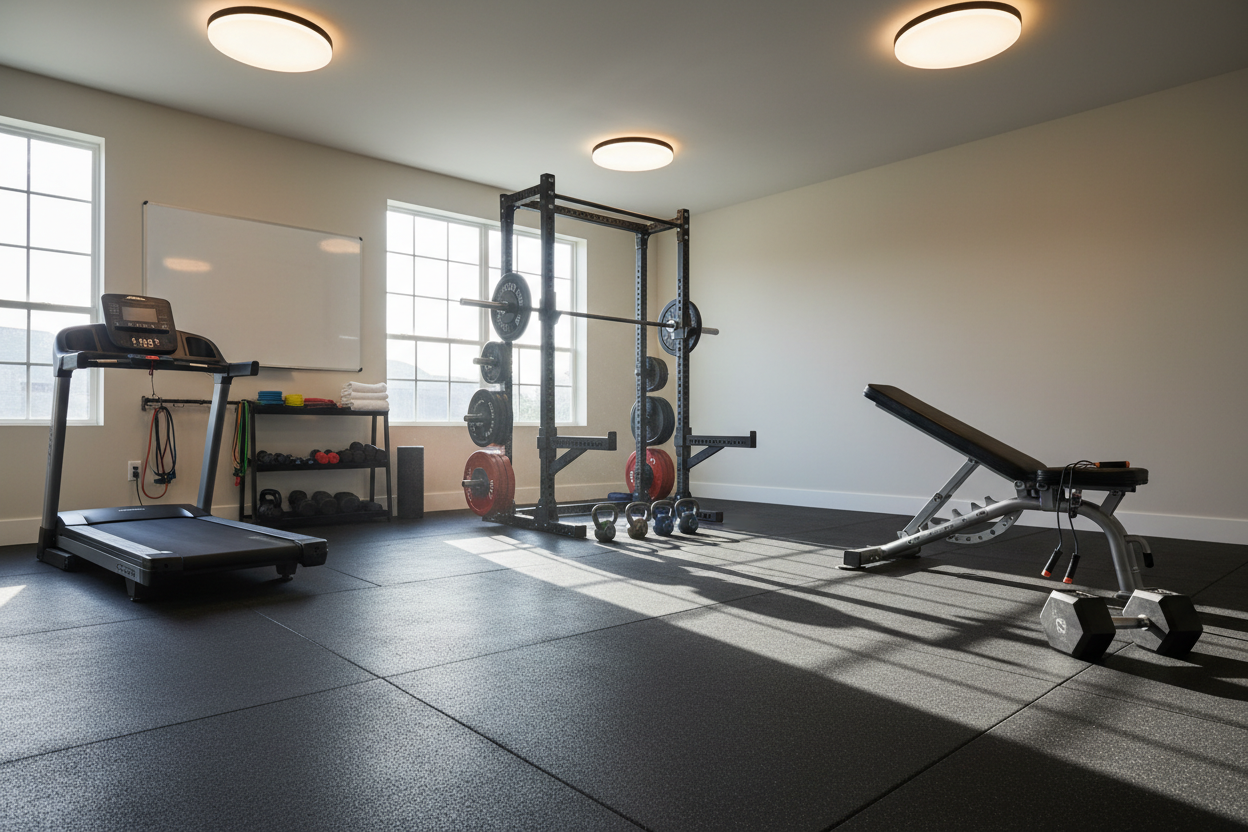
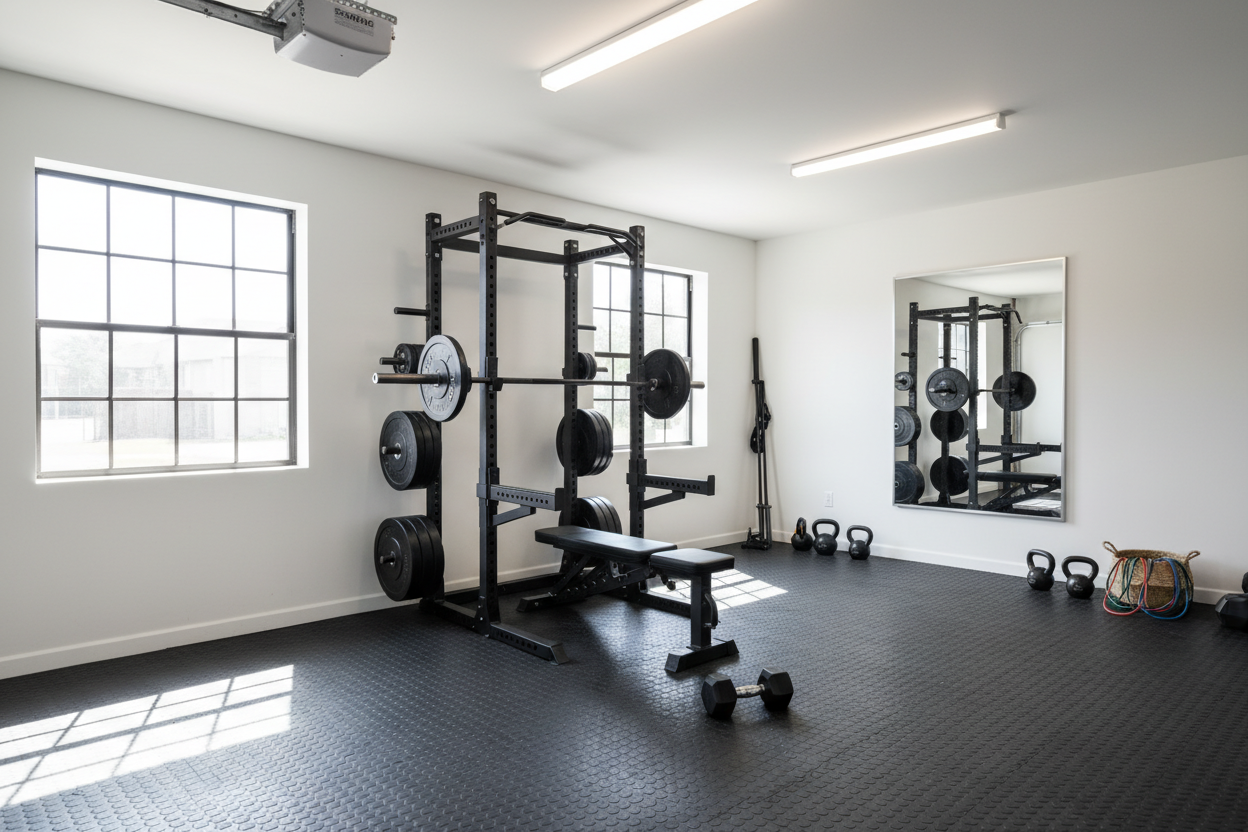
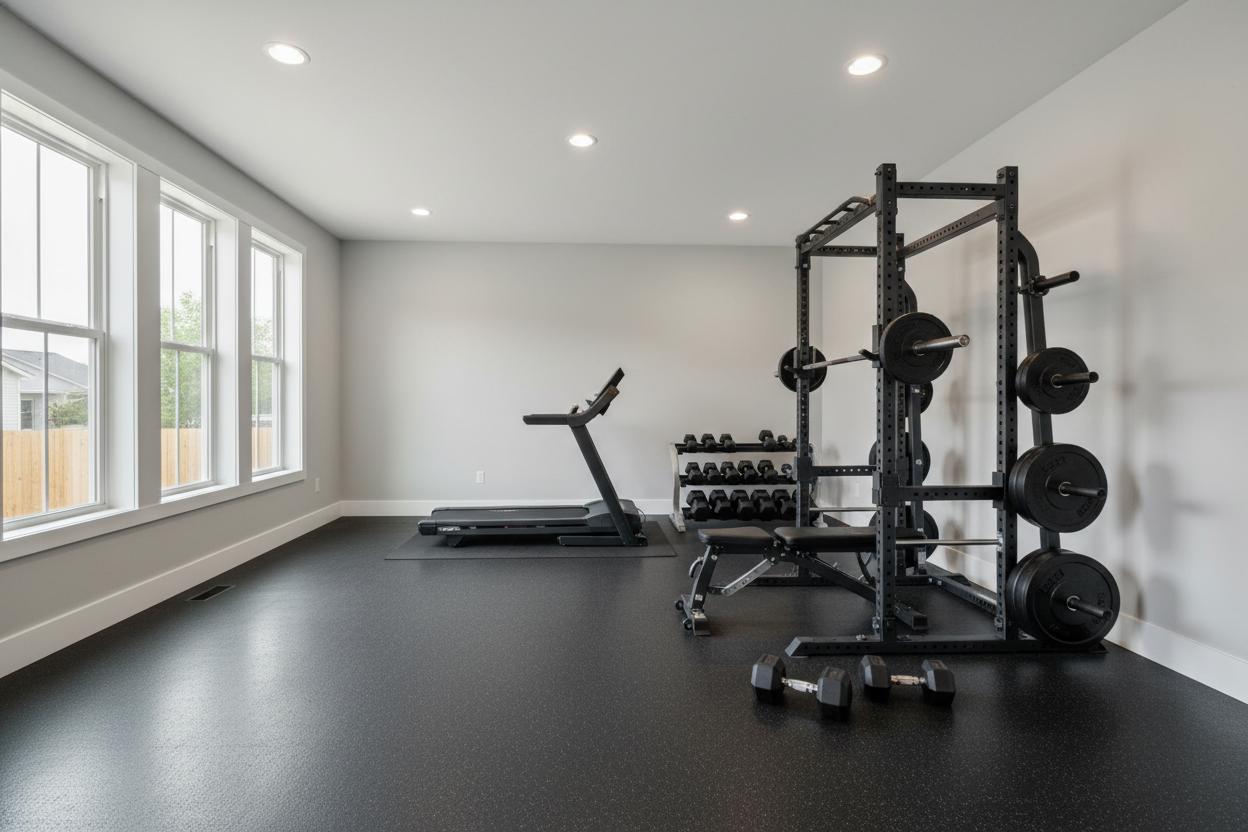
To do these safely at home, you really only need a power rack and weight bench. This setup allows you to perform the 'Big Three' (squat, bench, deadlift) without needing a spotter every five minutes. A barbell row or a simple dumbbell lunge will do more for your physique than ten different sets on a fancy leg extension machine.
How to Start Without Wrecking Yourself
The biggest mistake beginners make in the free weights section is ego. Because there are no guide rods to catch the weight, you have to be in total control. Start lighter than you think you need to. If you are doing a dumbbell press, your focus should be on keeping the weights level and the path smooth, not just shoving the heaviest pair of bells you can find into the air.
You also need a solid foundation. You cannot build a house on sand, and you cannot press heavy weights on a flimsy chair. Having a stable adjustable weight bench is non-negotiable. It gives you a rock-solid surface to drive your shoulders into, which prevents the wobbling that leads to rotator cuff issues. Master the form first, and the heavy iron will follow naturally.
FAQ
Is a Smith machine considered a free weight?
No. Because the barbell is attached to a track, it is a machine. You are not responsible for balancing the weight horizontally, only moving it vertically.
Which is better for weight loss: free weights or machines?
Free weights generally win here. Because they require more muscles to stabilize the load, you end up burning more calories during the set compared to a seated machine.
Can I build muscle with just dumbbells?
Absolutely. Dumbbells are arguably the most versatile free weights. They allow for a deeper range of motion and help fix strength imbalances between your left and right sides.