What Actually Separates a Pro Weightlifter From a Garage Gym Guy?
I remember the first time I tried a heavy power clean in a commercial gym with standard iron plates. I thought I was a weightlifter because I could deadlift double my body weight. I pulled the bar, caught it with my elbows sagging, and dropped it on a floor that definitely wasn't rated for impact. The vibration was so loud the front desk guy came over before the bar even stopped rolling. It was a humbling lesson: there is a massive gap between 'lifting weights' and the specific, explosive discipline of the sport.
- Weightlifting specifically refers to the Snatch and the Clean and Jerk.
- Mobility is just as important as raw strength for these movements.
- Standard gym equipment like hex plates can actually be dangerous for Olympic lifts.
- Professional athletes focus on bar speed, not just the amount of weight on the bar.
Wait, So What Exactly Is a Weightlifter?
We need to clear the air because the term gets thrown around loosely. If we want to strictly define weightlifter, we have to look at the International Weightlifting Federation (IWF). In a competitive sense, the weightlifter definition refers to an athlete who competes in two specific lifts: the snatch and the clean and jerk. These aren't just strength tests; they are tests of explosive power and overhead stability.
When people ask, 'what is weightlifter training?' they often confuse it with powerlifting or bodybuilding. Powerlifters focus on the 'Big Three' (squat, bench, deadlift), which are slow, grinding movements. Bodybuilders focus on hypertrophy and aesthetics. The actual weightlifter meaning is rooted in moving a barbell from the floor to overhead as fast as humanly possible. If you aren't training those two specific movements with a focus on speed and triple extension, you’re a strength trainee, not a weightlifter.
The Raw Difference Between You and Professional Weight Lifters
The first thing you notice when watching professional weight lifters isn't just the weight on the bar—it's the sound. The violent 'clack' of the feet hitting the platform and the whip of the barbell are distinct. These athletes have a level of ankle and thoracic mobility that would make most garage gym guys weep. They don't just squat; they sit in a deep, upright position with a vertical torso that allows them to catch hundreds of pounds without falling forward.
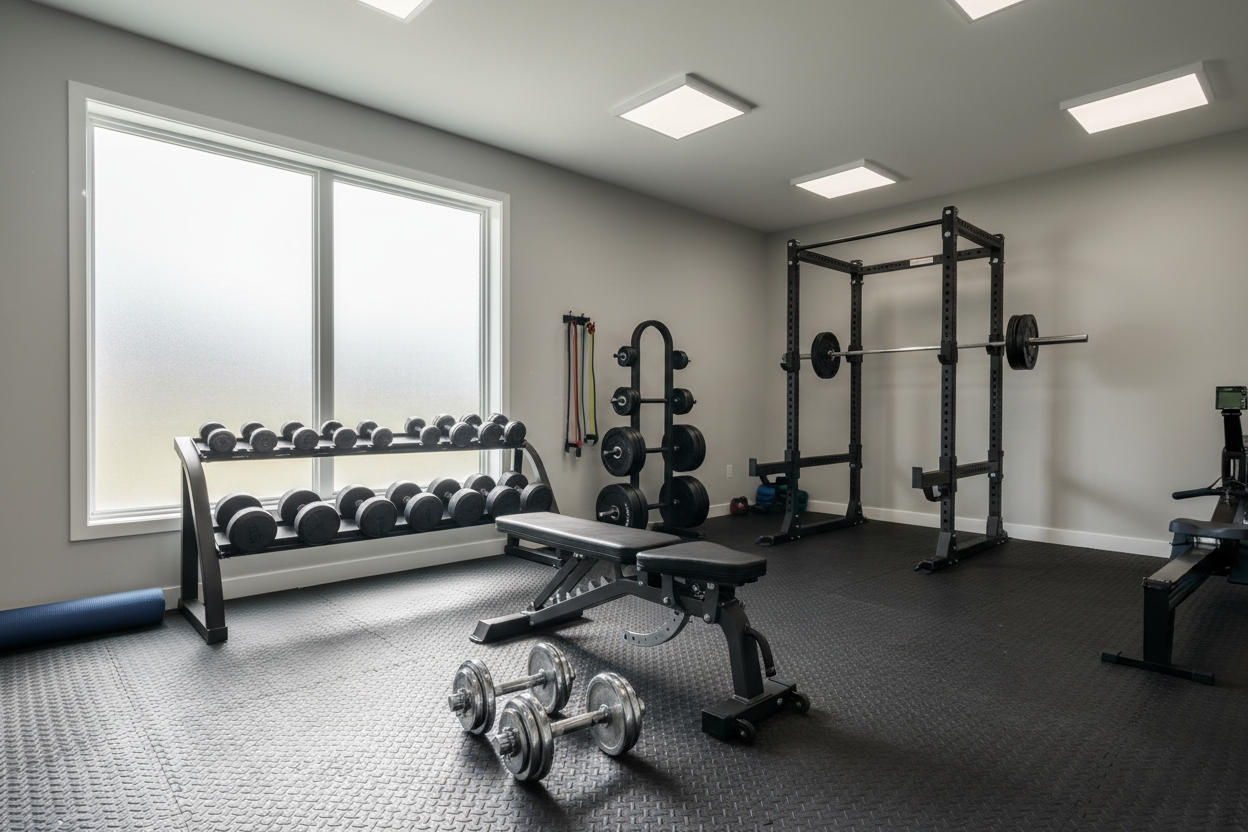
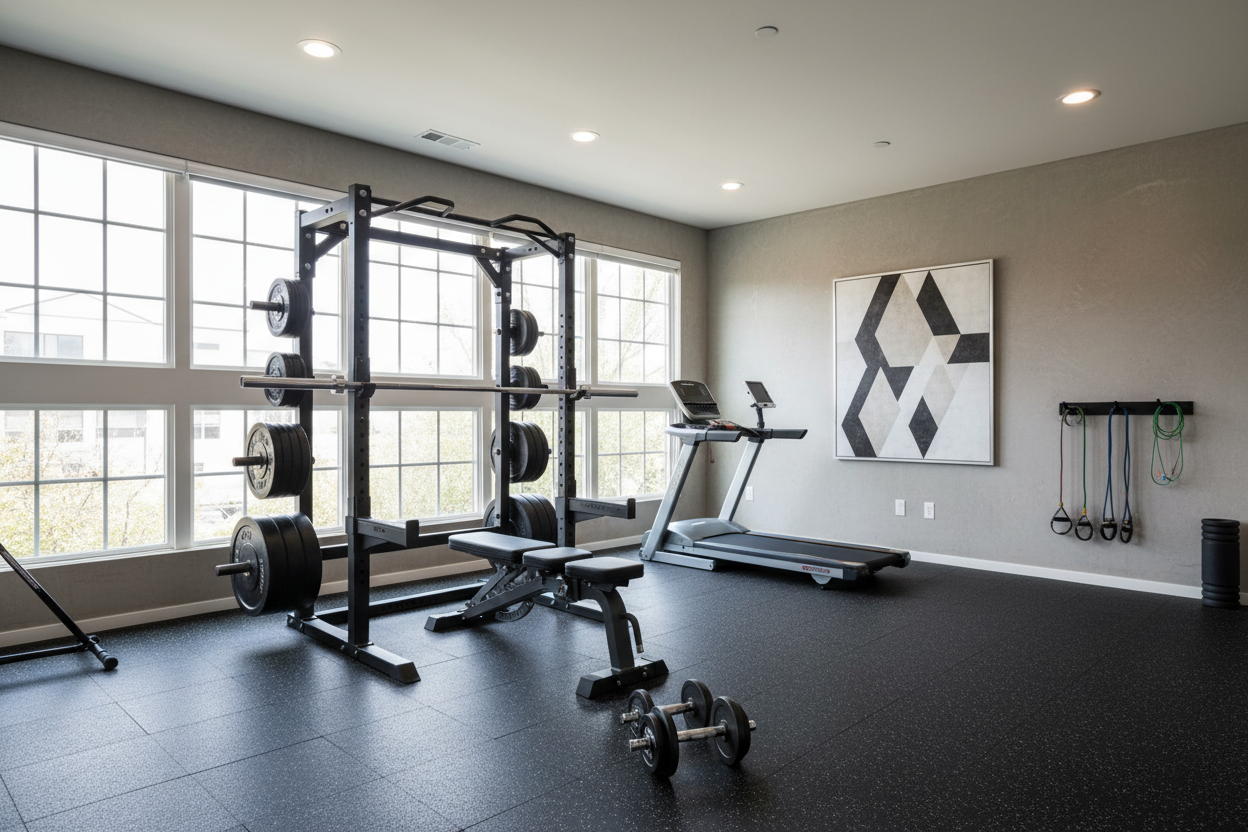
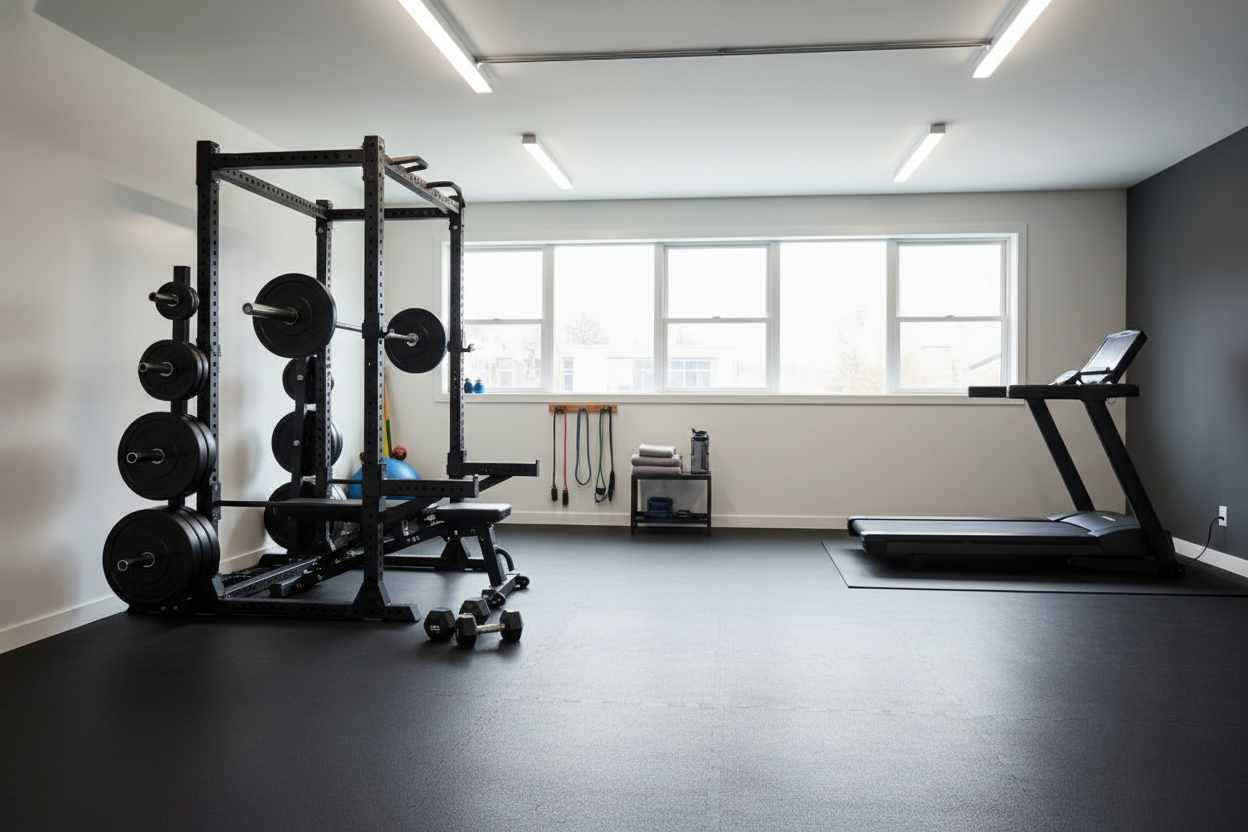
In the world of professional weight lifting, every millisecond matters. A professional weightlifter isn't just strong; they are efficient. They spend years learning how to stay tight while manipulating their weightlifter weight class to maximize their Sinclair total. If you are planning your weight lifting home gym blueprint, you quickly realize that pro weightlifters need specialized flooring and high-ceiling clearance that a standard bench press setup just doesn't require.
Should the Average Guy Train Like a Pro Weightlifter?
Honestly? Probably not—at least not the full movements without a coach. Pro weightlifters start as children in many countries, drilling technique with broomsticks for months. For the average guy in his 30s with a 9-to-5, jumping straight into heavy snatches is a fast track to a torn labrum or a wrist injury. The learning curve is steep, and the risk-to-reward ratio is skewed if you just want to look better at the beach.
However, that doesn't mean you should ignore their methods entirely. You need a foundation of absolute strength first. Before you try to catch a bar in a full squat, you should be able to move heavy loads in a controlled environment. Investing in a sturdy power rack and weight bench package allows you to build the squat and press strength that serves as the 'engine' for more dynamic moves later. Without that baseline, you're just throwing weight around with a prayer and a hope.
How to Steal Their Secrets Without Snapping Your Joints
You can get 80% of the benefits of being a weightlifter by using their accessory movements. You don't need to do a full snatch to benefit from overhead squats or snatch-grip high pulls. These movements build a massive upper back and explosive hips without the high-stakes 'catch' that often leads to injury. I personally swapped out some of my traditional deadlifts for clean pulls, and my vertical jump improved more in three months than it did in three years of standard lifting.
Use a reliable adjustable weight bench to perform seated external rotations and Z-presses. These drills mimic the overhead stability required of a weightlifter without the impact. By focusing on the 'pull' and the 'drive' phases rather than the complex 'catch,' you get the metabolic and power benefits without needing a full-time coach standing over your shoulder.
The Gear Reality Check for Olympic Movements
You cannot—and I mean cannot—safely do Olympic lifts with cheap gear. If you try to drop a bar loaded with iron plates, you will ruin your barbell, shatter your concrete, and probably catch a piece of shrapnel in your shin. Weightlifters use bumper plates made of high-density rubber and barbells with needle bearings in the sleeves. Those bearings allow the weights to spin freely while the bar stays still in your hands, preventing your wrists from snapping.
Contrast this with traditional weight lifting machines. While machines are great for isolation and safety, they are the opposite of what a weightlifter needs. A machine locks you into a fixed path. A weightlifter must control the bar in three dimensions. If you want to train like the pros, you need a barbell that whips and plates that bounce. Anything else is just pretending.
My Biggest Mistake
I once bought a 'bargain' barbell that had bolts in the ends instead of snap rings. I tried to do a heavy set of power cleans, and the vibration literally unscrewed the sleeve. The plates slid off one side, the bar catapulted toward the wall, and I almost took out my water heater. I learned that day: if you're going to move fast, your gear has to be built for it. Don't cheap out on the things that move.
FAQ
Do I need special shoes to be a weightlifter?
Yes. Olympic lifting shoes have a hard, raised heel that allows you to squat deeper while keeping your chest up. Lifting in running shoes is like trying to lift on a mattress; you lose power and stability.
How many days a week do pro weightlifters train?
Elite athletes often train 6 to 9 times per week, sometimes twice a day. For a home gym enthusiast, 3 to 4 days of focused work is plenty to see significant power gains.
Is weightlifting the same as CrossFit?
No. CrossFit includes Olympic weightlifting as one of its pillars, but weightlifting is its own dedicated sport with a focus on single-rep maxes rather than high-rep conditioning.