What Actually Changes After 2 Months of Lifting Weights?
I remember my first 60 days in a garage gym. I was using a pair of sand-filled dumbbells that leaked every time I did a floor press, and I was fueled entirely by caffeine and ego. By the time you hit 2 months of lifting weights, that initial 'new lifter' high starts to evaporate, and you're left staring at a barbell wondering where the massive biceps are.
The truth is, the 60-day mark is the most dangerous time for a beginner. It is where the 'pump illusion' fades and the real work begins. If you can survive this transition from motivated amateur to disciplined trainee, you might actually make it to the one-year mark.
Quick Takeaways
- Neural adaptation accounts for almost all your strength gains in the first 8 weeks.
- The 'size' you see after lifting weights for a month is mostly water and glycogen retention.
- Month two is when your joints and tendons finally start catching up to your muscles.
- This is the point where cheap, entry-level gear starts to fail or feel unsafe.
The 60-Day Wall: Why the Honeymoon Phase is Over
Lifting weights for 30 days is easy. Everything is new, your PRs (personal records) are jumping by 10 pounds every session, and you feel like a superhero. But somewhere around week seven, the linear progression slows down. Your central nervous system is tired, and the excitement of buying new gym clothes has worn off.
This is the 60-day wall. It’s the point where discipline has to take the wheel because motivation just checked out. Most people quit here because they expected to look like a fitness model in eight weeks. Real muscle tissue is expensive for the body to build; it doesn't just show up because you did three sets of curls. You have to stop looking for immediate visual gratification and start focusing on the data of your lifts.
Neural vs. Physical: 2 Months of Weight Training Explained
During 2 months of weight training, your body undergoes a massive 'software update.' Your brain is learning how to recruit motor units more efficiently. You aren't necessarily getting bigger muscles yet; you're just getting better at using the muscle you already have. This is why you can lift 40% more than you could on Day 1 without your shirt size changing.
Because your brain is now firing on all cylinders, you’ll find that you’ve quickly outgrown the flimsy, plastic-coated weights you bought on a whim. If you're still using gear that wobbles when you rack it, it's time to check out a real guide to lifting weight equipment to see what actual iron looks like. Higher neural efficiency means you can move more weight, which means you need a rack that won't tip over when you're sweaty and exhausted.
The 'Pump Illusion' After Lifting Weights for a Month
After lifting weights for a month, you probably looked in the mirror and thought you’d gained five pounds of muscle. Sorry to be the bearer of bad news, but that’s mostly 'the pump'—or more scientifically, sarcoplasmic hypertrophy and increased blood flow. Your muscles are storing more water and glycogen to fuel the new demands you're placing on them.
By month two, this initial swelling stabilizes. You might even feel like you're 'shrinking' because the inflammation has gone down, even though your actual strength is higher. Don't panic. This is the 'dry' phase where real contractile tissue starts to thicken. The scale might not move, but your clothes will start fitting differently around the shoulders and thighs.
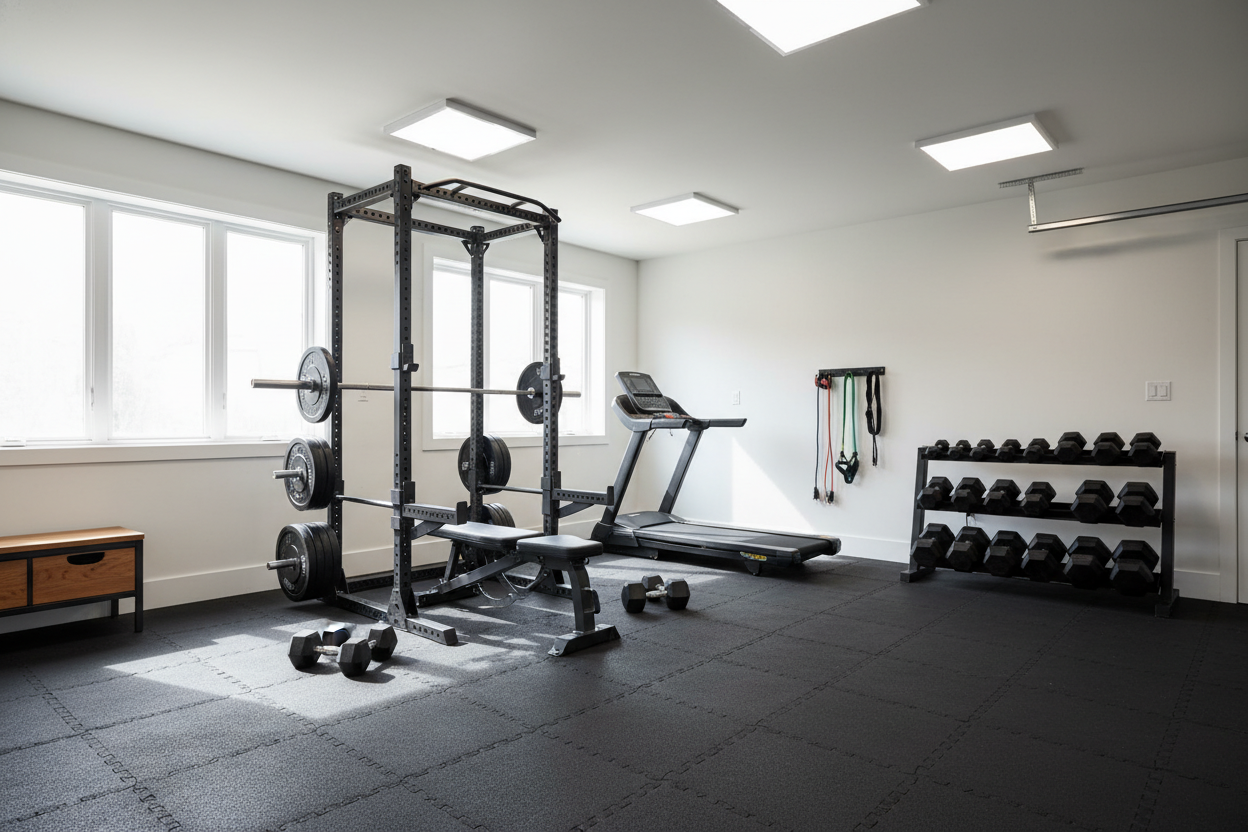
You Survived Month Two. Time to Upgrade Your Garage Setup.
If you've made it 60 days without turning your power rack into a clothes hanger, you've proven you're serious. Now is the time to stop compromising on safety. I spent my first year lifting on a bench that creaked every time I moved, and it honestly held my progress back because I was too scared to go heavy.
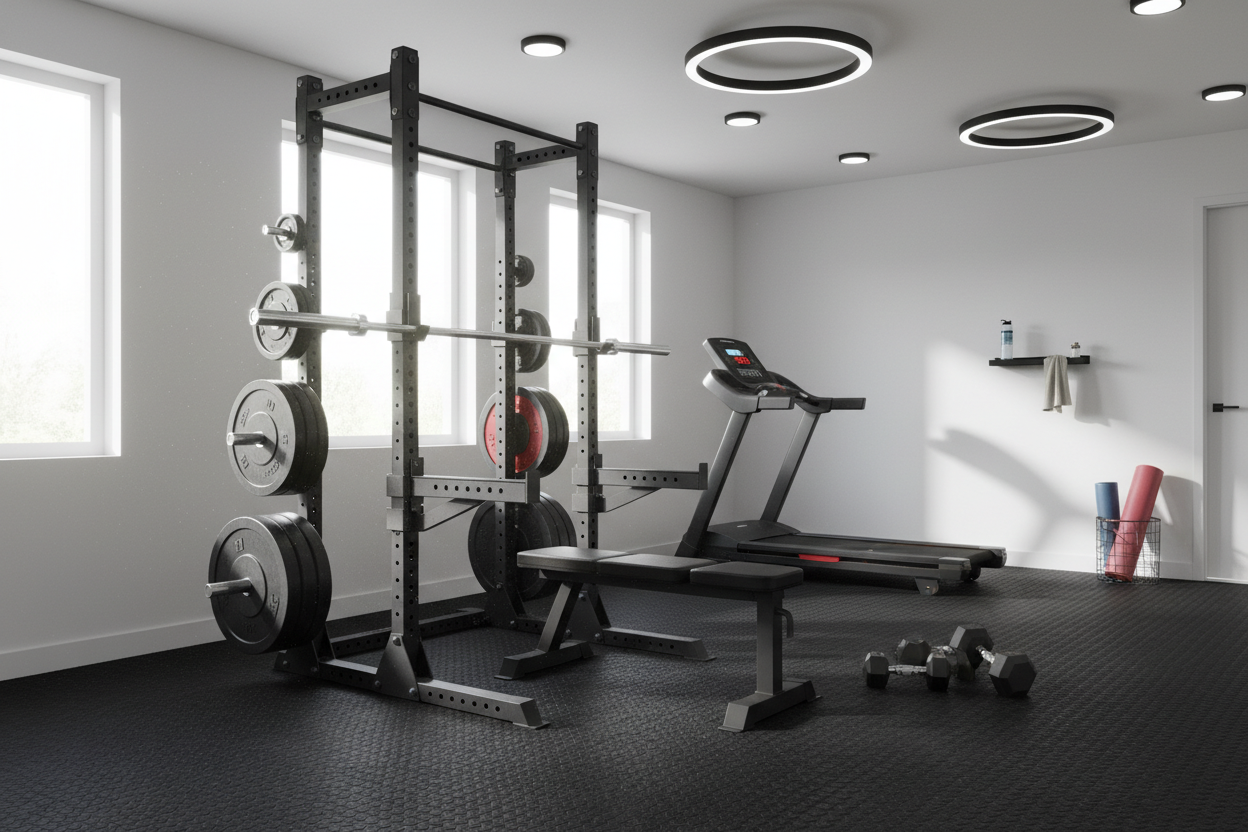
If you have the space, the Gxmmat X6 power rack weight bench package is the logical next step. It gives you the stability of a commercial gym in a footprint that actually fits in a standard garage. If you're tight on square footage but still need to move heavy iron, at least invest in a sturdy adjustable weight bench. A bench rated for 600+ lbs gives you the confidence to actually push for that next PR without wondering if the frame is going to fold under you.
Looking Ahead: Bridging the Gap to Year One
The gap between two months and lifting everyday for a year is a long, slow grind. You won't see the same explosive strength jumps you saw in the first few weeks. Progress becomes incremental—half a pound here, an extra rep there. This is where the 'boring' part of training starts, but it's also where the most significant body transformations happen.
My biggest mistake was changing my program every two weeks because I was bored. Don't do that. Stick to the basics, keep your form tight, and trust the process. The gains you make between month two and month twelve are the ones that actually stay with you for life.
FAQ
Is it normal to feel weaker at 2 months than at 1 month?
Yes. You've likely reached your first plateau of neural adaptation. Your body is also accumulating systemic fatigue. Take a 'deload' week with 50% of your usual weight, and you'll likely come back stronger the following week.
Why isn't the scale moving if I'm lifting heavier?
Body recomposition. You're likely losing fat while gaining a small amount of muscle and bone density. Use a tape measure or take progress photos instead of relying on the scale.
How many days a week should I lift at this stage?
Stick to 3-4 days. Recovery is just as important as the lifting itself. If you try to go 7 days a week now, you'll likely burn out or injure a tendon before month three.