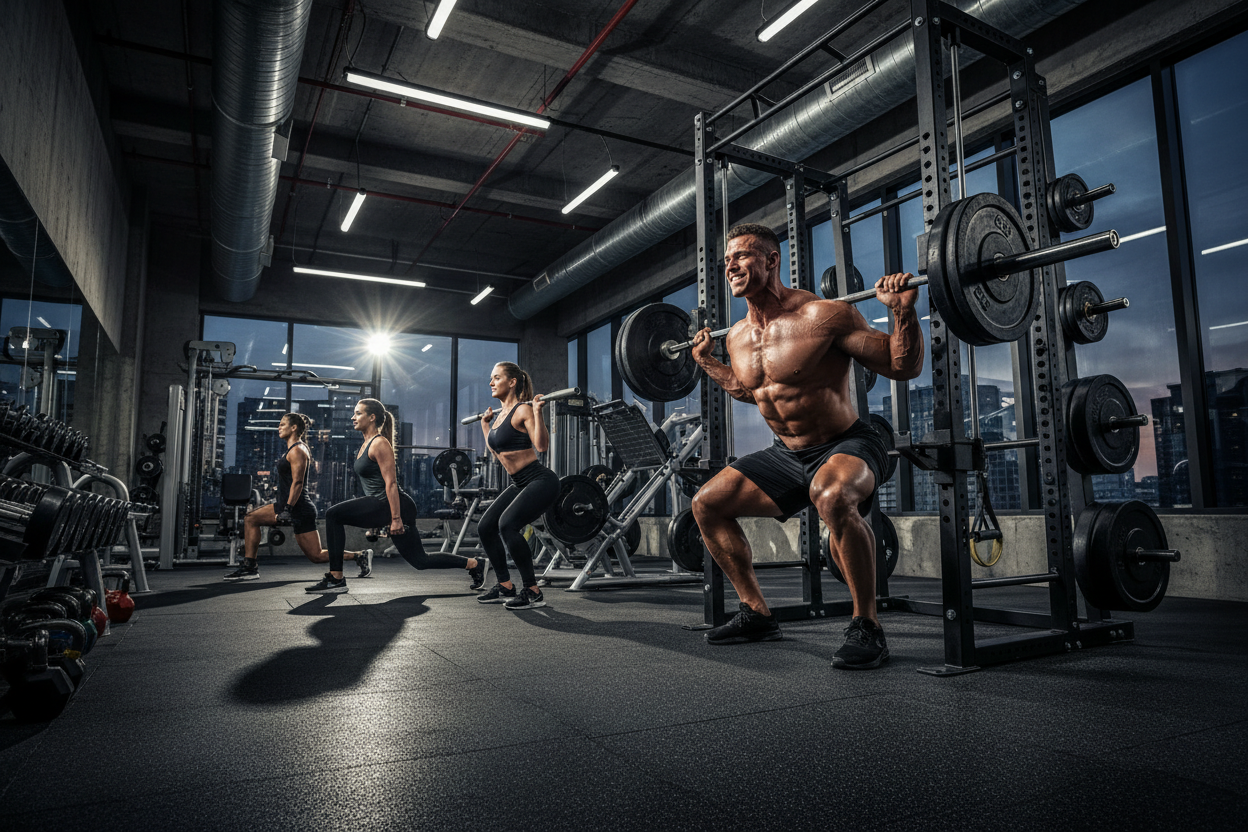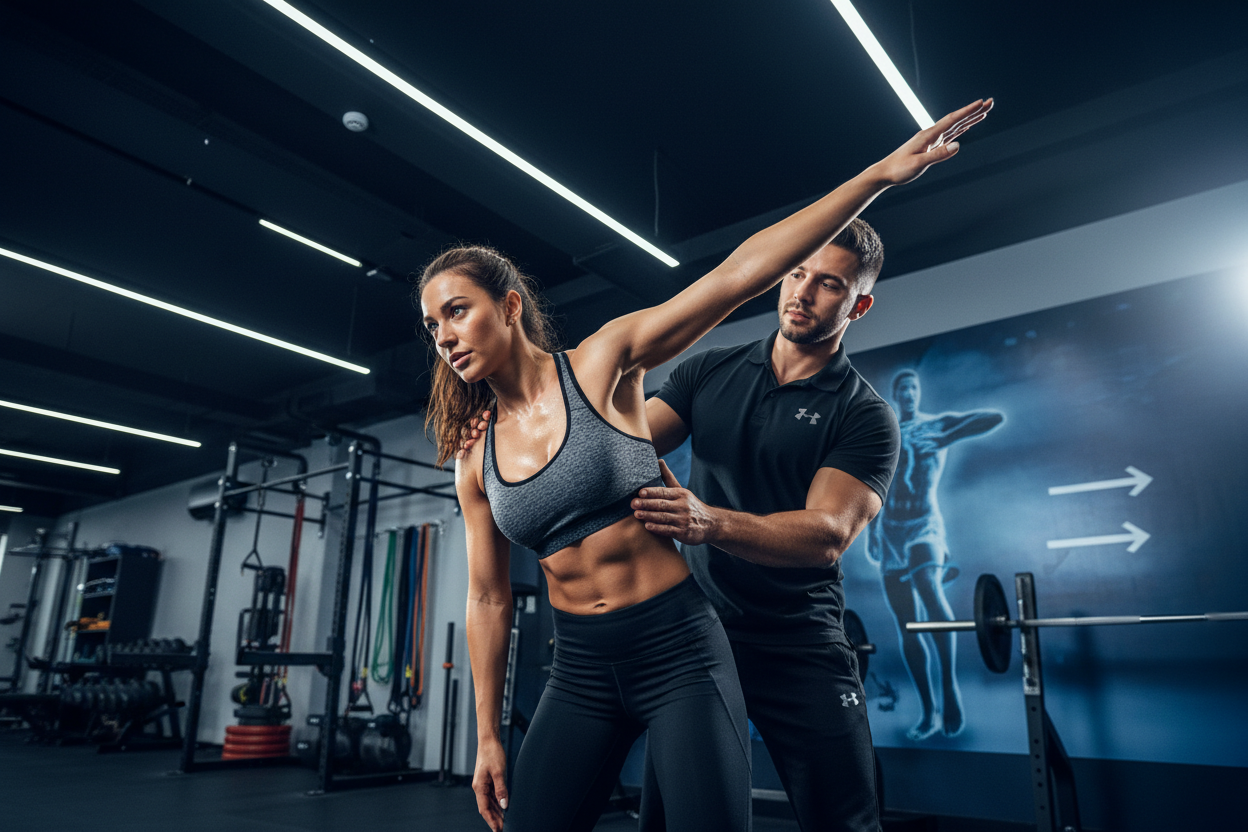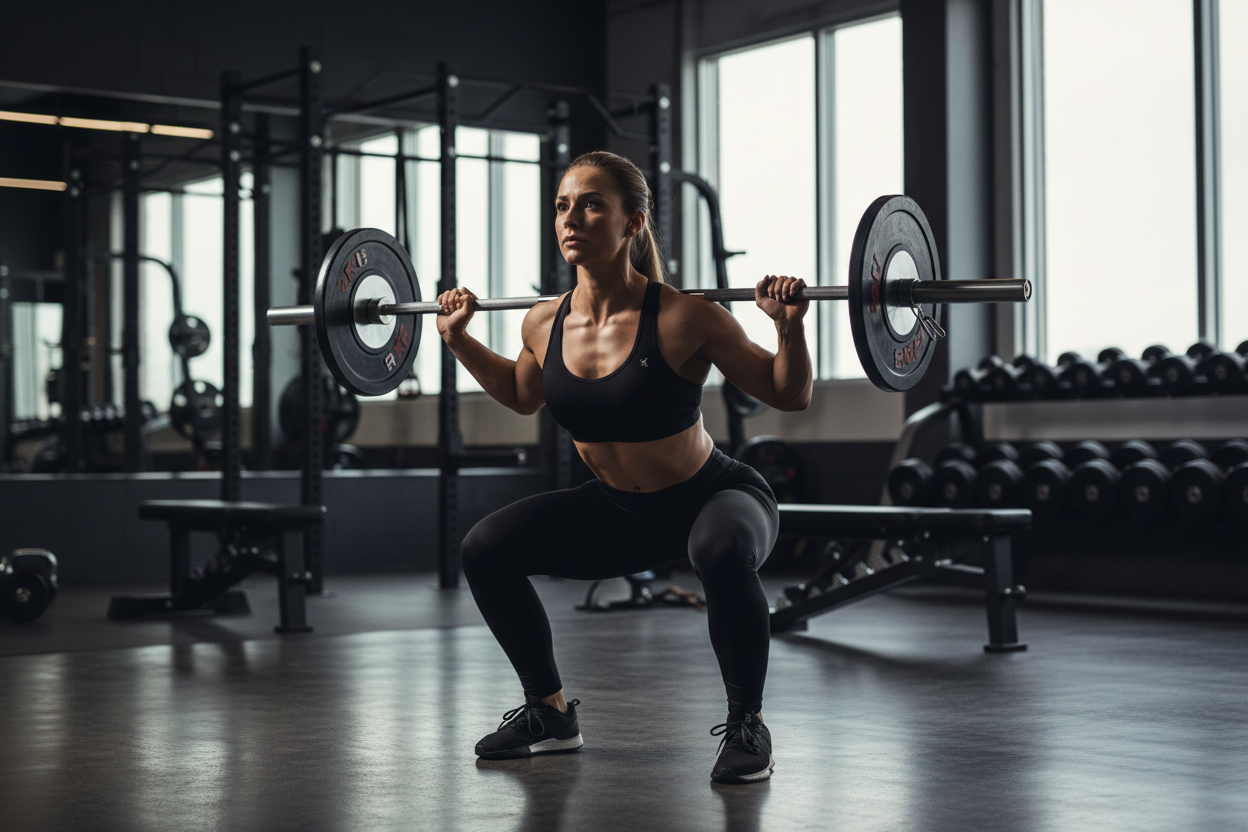
Weight Training Squats: Master the King of All Exercises
If you walk into any serious weight room, you will see the squat rack occupied. There is a reason for that. It isn't just about building legs; it is about constructing a foundation of total-body power. However, most people shy away from weight training squats because they are hard, uncomfortable, and technically demanding. That is exactly why you need to do them.
Ignoring this movement leaves massive gains on the table. Whether you want athletic explosiveness or just to fill out your jeans, the squat is non-negotiable. Let’s break down the mechanics, the science, and the reality of getting under the bar.
Key Takeaways: The Essentials
- Compound Efficiency: Squats recruit more muscle fibers (quads, glutes, hamstrings, core) simultaneously than almost any other lift.
- Depth is Relative: While breaking parallel is the gold standard for hypertrophy, your hip anatomy dictates your safe depth limit.
- Bracing is Mandatory: Utilizing the Valsalva maneuver (breathing into the belly) creates the intra-abdominal pressure needed to protect the spine.
- Footwear Matters: Squatting in running shoes creates instability; flat soles or weightlifting shoes are required for force transfer.
The Mechanics of a Perfect Gym Squat
The squat looks simple—sit down, stand up—but the biomechanics are complex. A proper gym squat starts before you even unrack the weight. It begins with the setup.
You must create a shelf for the bar. Retract your scapula (squeeze your shoulder blades together) to create a tight upper back. This prevents the bar from rolling onto your neck or forcing your spine to round forward. When you unrack, take only two or three steps back. Any more than that is wasted energy.
The Descent and Ascent
Initiate the movement by breaking at the hips and knees simultaneously. A common error is breaking only at the knees, which loads the joints rather than the muscles. Think about sitting back onto a low chair while driving your knees outward. This "knees out" cue engages the glutes and prevents valgus collapse (knees caving in).
Drive back up by pushing the floor away. Do not think about lifting the weight; think about pushing the earth down. This mental shift helps maintain balance over the mid-foot.
Barbell vs. Dumbbell: Choosing Your Squat Lift
Not every squats lift has to involve a barbell on your back. The variation you choose depends on your current mobility and goals.
The Barbell Back Squat: This allows for maximum loading. If your goal is raw strength, this is the tool. However, it places significant compressive force on the spine.
The Goblet Squat: Holding a dumbbell or kettlebell at chest height acts as a counterbalance. This forces you to keep your torso upright, making it the ideal squat in gym settings for beginners or those with lower back issues.
The Front Squat: By placing the barbell on the front delts, you shift the load to the quads and thoracic extensors. It requires significant wrist and lat mobility but is safer for the lumbar spine.
Why Your Squat Gym Routine Stalls
You hit a plateau. It happens. Usually, it isn't a lack of strength, but a leak in energy transfer.
The most common culprit is a lack of tension. Many lifters stay tight on the way down but relax at the bottom (the "hole") to bounce back up. This loss of tension puts stress on the connective tissue rather than the muscle. You must maintain active tension at the deepest point of the lift.
Another issue is the "good morning" squat. This happens when your hips shoot up faster than your chest coming out of the hole. It usually signals weak quads or a weak core. To fix this, focus on driving your upper back into the bar as you ascend.
My Training Log: Real Talk
I want to be honest about my personal experience with weight training squats. It took me years to realize that my footwear was ruining my lift.
For the longest time, I squatted in standard cross-trainers. I thought it didn't matter. But once I got past 225 lbs, I started feeling this terrifying wobble in my ankles at the bottom of the rep. It felt like standing on a marshmallow. The foam in the shoe was compressing unevenly under the load, killing my force transfer.
I switched to a pair of dedicated lifting shoes with a hard plastic heel and a metatarsal strap. The difference was immediate. I could feel the "tripod" of my foot (heel, big toe, little toe) gripping the floor. The first time I hit depth in those, the feedback was instant—no wobble, just solid pressure. If you are serious about this, ditch the squishy sneakers. That wobble is an injury waiting to happen.
Conclusion
The squat is demanding, but it gives back exactly what you put in. It builds mental fortitude just as much as physical strength. Don't obsess over the weight on the bar initially; obsess over the quality of the movement. Once your form is locked in, the strength will follow, and your legs will grow. Get under the bar and get to work.
Frequently Asked Questions
How deep should I squat for maximum muscle growth?
For hypertrophy, aiming for parallel (where the hip crease is in line with the top of the knee) is generally sufficient. Going "ass to grass" increases glute activation but requires superior mobility. Never sacrifice a neutral spine just to get lower.
Why do my knees hurt when I squat?
Knee pain often stems from poor mechanics, such as the knees caving inward or the weight shifting too far forward onto the toes. It can also result from a lack of ankle mobility. Ensure your knees track in line with your toes throughout the movement.
Can I squat every day?
While high-frequency programs exist (like the Bulgarian method), they are designed for elite lifters with high recovery capacity. For most people, squatting 2 to 3 times a week allows for adequate muscle repair and central nervous system recovery.