Essential Leg Exercises: The Definitive Guide for Mass & Power
Most lifters overcomplicate their lower body training. They spend forty minutes on the adductor machine or leg extensions, ignoring the heavy compound movements that actually drive hormonal response and tissue growth. If you want to build a foundation of strength, you need to strip your routine back to the essential leg exercises that offer the highest return on investment.
Quick Summary: The Core Movements
If you are looking for the most effective movements to include in your program, focus on these foundational patterns. These form the basis of any effective hypertrophy or strength cycle:
- The Squat Pattern: Barbell Back Squat, Front Squat, or Goblet Squat (Focus: Quads and Core).
- The Hinge Pattern: Romanian Deadlifts (RDL) or Conventional Deadlifts (Focus: Hamstrings and Glutes).
- Unilateral Movement: Bulgarian Split Squats or Walking Lunges (Focus: Imbalance correction and stability).
- The Carry: Farmers Walks (Focus: Structural integrity and grip).
The Philosophy of Leg Day Essentials
Building legs isn't about volume; it's about intensity and mechanical tension. When we talk about leg day essentials, we are referring to multi-joint movements that force the central nervous system (CNS) to adapt. Isolation exercises have their place, but they are the garnish, not the steak.
To see real growth, you must master the hip and knee dominant patterns. These movements recruit the most muscle mass and allow for the greatest progressive overload over time.
1. The Squat: King of the Lower Body
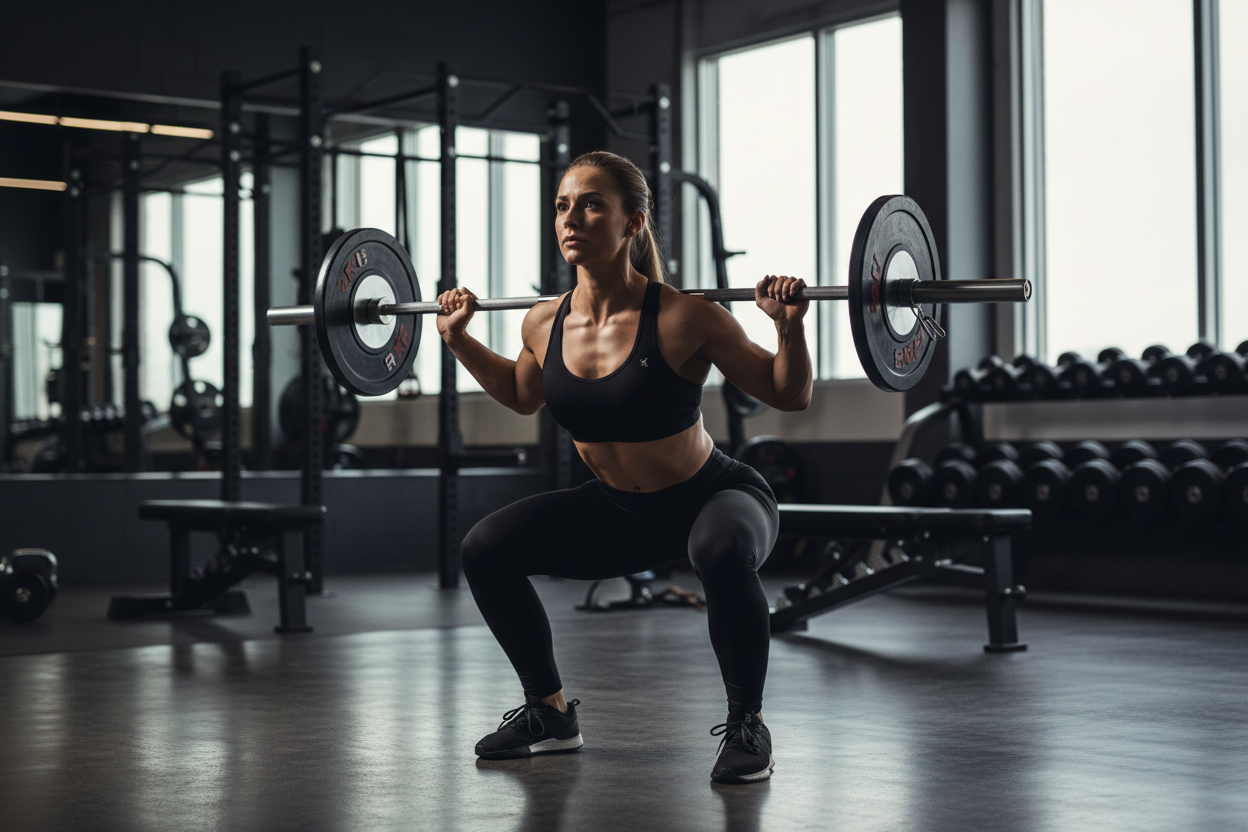
You cannot discuss essential leg workouts without starting at the squat rack. However, the variation you choose depends on your biomechanics.
Back Squat vs. Front Squat
The low-bar back squat allows you to move the most weight, engaging the posterior chain heavily. However, if you want pure quad isolation and have the thoracic mobility for it, the front squat is superior. It forces an upright torso, which reduces shear force on the lumbar spine while placing massive tension on the quadriceps.
Coach's Tip: Don't obsess over "ass to grass" if your lower back rounds (butt wink). Squat to the point where your hips break parallel while maintaining a neutral spine.
2. The Hinge: Bulletproofing the Backside
Many gym-goers suffer from "quad dominance," leading to knee pain and poor posture. The hinge pattern is the antidote. This is where the Romanian Deadlift (RDL) shines.
Why the RDL is Non-Negotiable
Unlike a conventional deadlift, which starts from a dead stop, the RDL focuses on the eccentric (lowering) portion of the lift. This stretches the hamstrings under load, creating significant micro-tears necessary for hypertrophy. It teaches you to dissociate hip movement from lumbar movement—a critical skill for injury prevention.
3. Unilateral Work: Fixing the Weak Links
Bilateral movements (using both legs) are great for total load, but they hide asymmetries. If your right leg is 10% stronger than your left, your barbell squat will never fix it. It will only make the gap wider.
The Lunge and Split Squat
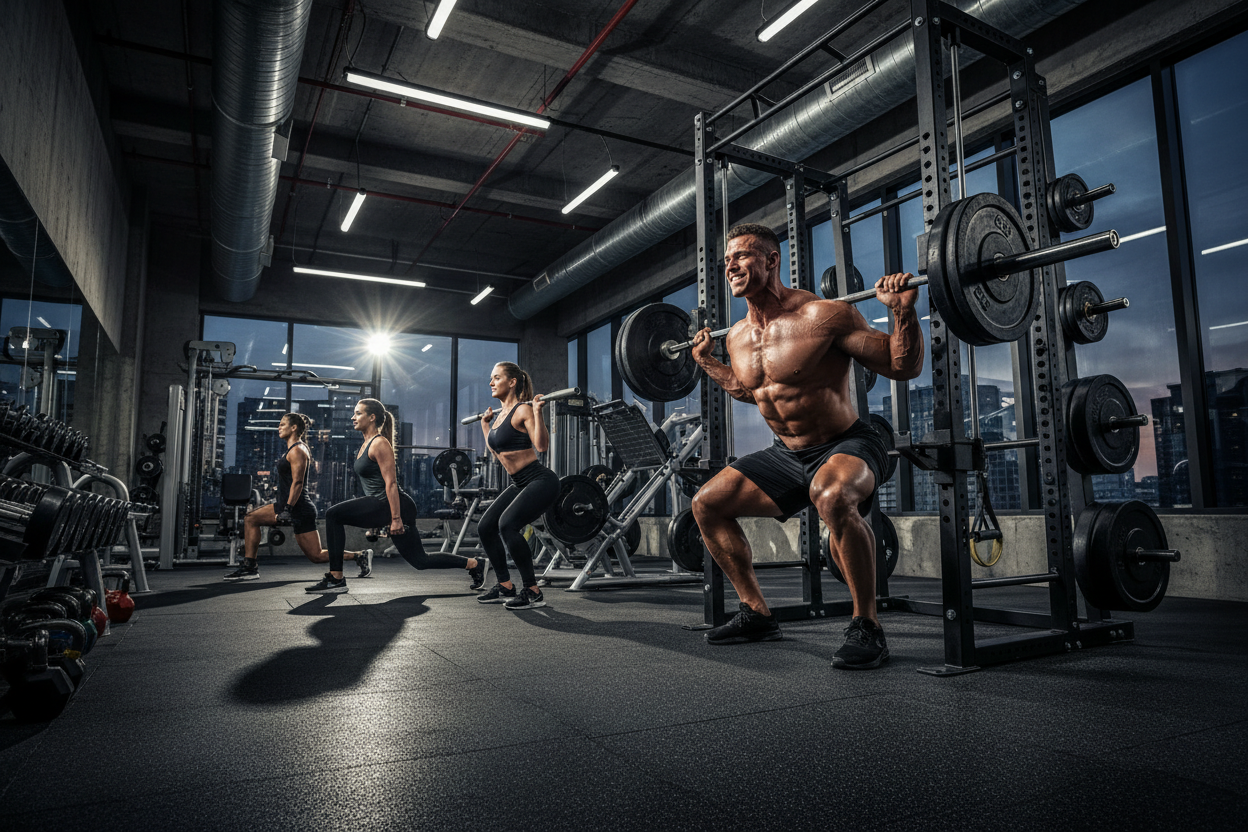
Walking lunges or Bulgarian Split Squats are often the most dreaded part of a workout because they are metabolic crushers. They require stability, balance, and raw strength. Incorporating these ensures that your dominant side doesn't take over, leading to a more aesthetic and functional physique.
My Training Log: Real Talk
I want to be honest about what incorporating these movements actually feels like. I remember the first time I swapped my leg press routine for high-volume walking lunges. It wasn't just muscle soreness; it was a systemic shock.
The specific thing nobody tells you about heavy lunges is the grip failure. I remember holding 50lb dumbbells, and about twelve steps in, the knurling was digging into my palms so hard I wanted to drop them before my legs actually quit. There's also a very specific, wobbly nausea that hits you when you finish a set of Bulgarian Split Squats—that moment where you have to sit on a bench for two minutes just to get your vision to stop vibrating. That is the feeling of effective training. If you walk out of the gym with a perfectly dry shirt and a steady heart rate, you didn't hit the essentials hard enough.
Conclusion
Stop looking for the magic machine that will grow your legs without effort. It doesn't exist. By focusing on these essential leg exercises—squatting, hinging, and lunging—you build a physique that is as strong as it looks. Prioritize form, chase progressive overload, and embrace the discomfort.
Frequently Asked Questions
How often should I perform these essential leg exercises?
For most natural lifters, hitting legs twice a week is optimal. This allows you to split the volume, perhaps focusing on squat patterns one day and hinge patterns the next, ensuring adequate recovery.
Can I build big legs with just dumbbells?
Absolutely. While barbells are easier for maximum loading, movements like Bulgarian Split Squats and Goblet Squats can generate massive hypertrophy with dumbbells if you control the tempo and keep rest periods short.
What if I have bad knees?
If you have knee issues, focus on the posterior chain (hamstrings/glutes) first to support the joint. For quads, reverse lunges are generally more knee-friendly than forward lunges because the shin stays vertical, reducing shear force on the knee.