Walking Is Optional: The Leg Crusher Workout That Actually Builds Mass
You know you’ve done a proper leg session when the simple act of sitting down on the toilet becomes a controlled fall. A true leg crusher workout isn't just about moving weight from point A to point B; it is a systematic attack on the quadriceps, hamstrings, and glutes designed to force hypertrophy through high volume and intensity. If you are looking to add serious mass to your lower body, you have to push past the point where your mind tells you to stop.
Most gym-goers coast through leg day. They do a few sets of squats, maybe hit the leg extension machine while scrolling through their phone, and call it a day. That approach maintains what you have, but it won't change your physique. To trigger new muscle growth, you need to introduce significant metabolic stress and mechanical tension. This routine focuses on pre-exhaustion, compound movements, and high-rep finishers that leave your legs shaking.
The Psychology of the Leg Crusher
Before we even touch a barbell, we need to address the mental aspect. Training legs with genuine intensity is uncomfortable. Your heart rate spikes, nausea is a real possibility, and every instinct screams at you to rack the weight. I remember a specific session a few years ago where I decided to end my workout with walking lunges across a parking lot. Halfway through, my legs simply stopped listening to my brain. I wasn't injured; I was just completely tapped out neurologically and physically. I had to sit on the curb for ten minutes before I could trust my legs enough to drive home. That session, however, was the turning point for my quad development. You have to learn to love that specific type of misery if you want the results.
Warm-Up: Don't Skip the Prep
Jumping under a heavy bar with cold hips is a one-way ticket to a lower back injury. We aren't just doing static stretches here. You need to get blood into the knees and open up the hips.
Start with five minutes on a stationary bike or an incline walk. Follow this with dynamic movements: leg swings, bodyweight squats, and glute bridges. The goal is to lubricate the joints and activate the posterior chain so your glutes fire correctly during the heavy lifts. If your glutes are asleep, your lower back takes the load, and that’s not what we want.
The Workout Breakdown
1. Heavy Barbell Squats (The Foundation)
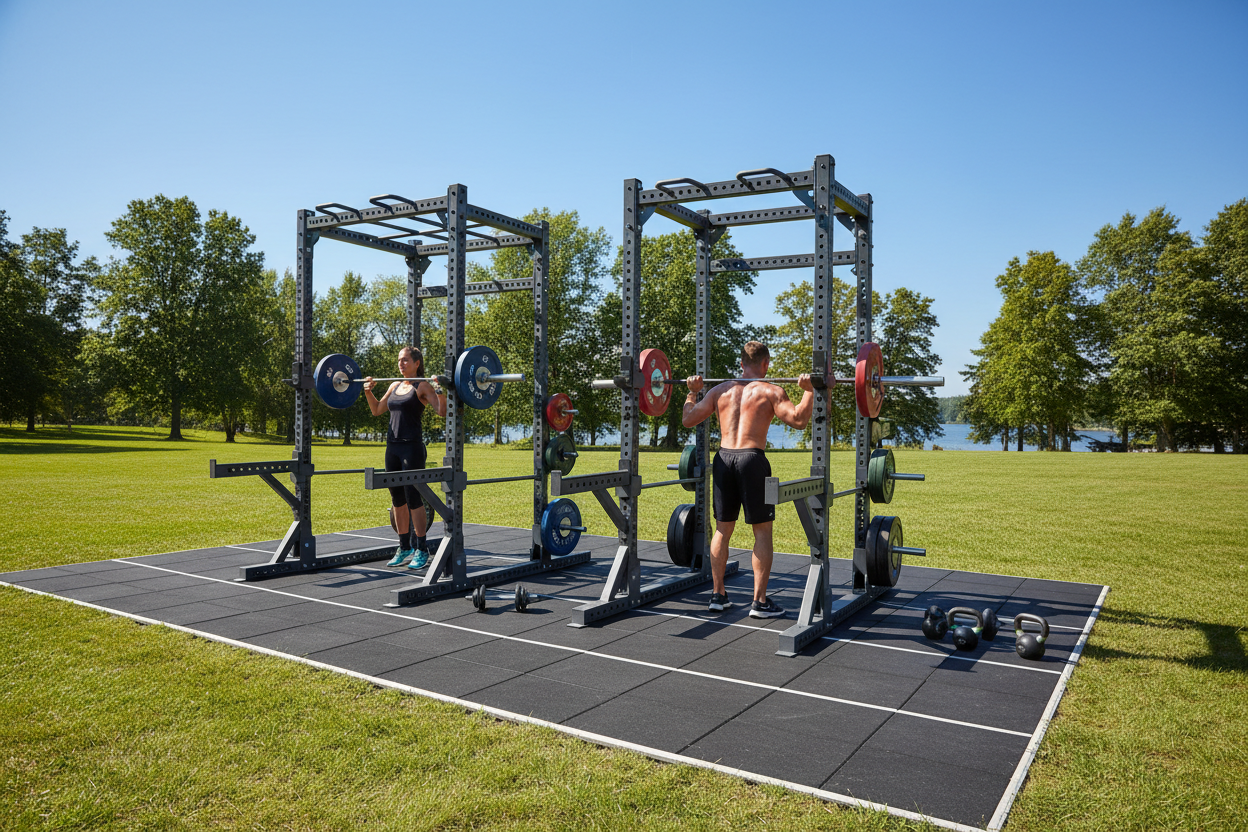
We start with the king of leg exercises while your central nervous system is fresh. The focus here is mechanical tension. You want a weight that allows you to hit 6 to 8 reps with perfect form, leaving maybe one rep in the tank.
Perform 4 sets. Rest for 2 to 3 minutes between these sets. Focus on controlling the eccentric (lowering) phase. Don't just drop into the hole; pull yourself down, pause for a split second, and explode up. This control prevents injury and increases the time under tension for the quads.
2. Leg Press with Drop Sets
Now that the heavy stabilization work is done, we move to the leg press to safely overload the muscles without worrying about balancing a bar. This is where the volume kicks in. Load the machine with a weight you can lift for 12 reps.
Complete your 12 reps, then immediately strip a plate off each side and do as many as you can. Strip another plate and go again. Do this for 3 total rounds (sets). The burn here will be intense. This technique floods the muscle with blood and lactate, a key driver for growth.
3. Bulgarian Split Squats (The Soul Stealer)
If there is one movement that defines a leg crusher workout, it is the Bulgarian Split Squat. It isolates each leg, fixes imbalances, and torches the glutes and quads simultaneously. Most people hate these because they are hard, which is exactly why you need to do them.
Grab a pair of dumbbells. Place one foot on a bench behind you. Lower your hips until your back knee almost touches the floor. Keep your torso slightly leaned forward to engage the glutes or upright to target the quads. Do 3 sets of 10 reps per leg. Do not take long breaks between legs; the non-working leg is technically resting while the other works.
Posterior Chain Focus
A great lower body isn't just about the quads. You need hanging hamstrings to complete the look and stabilize the knee joint.
4. Romanian Deadlifts (RDLs)
Using dumbbells or a barbell, perform 3 sets of 10 to 12 reps. The cue here is to push your hips back as if you are trying to close a car door with your butt. Keep a slight bend in the knees but do not turn this into a squat. You should feel a deep stretch in the hamstrings at the bottom. Squeeze your glutes to bring the weight back up.
5. Seated or Lying Leg Curls
This isolates the hamstrings completely. Perform 3 sets of 15 reps. Focus on the squeeze at the peak of the contraction. Many lifters use momentum to swing the weight up; avoid this. Move the weight with intention. If you control the negative portion of the rep, you will get significantly more out of lighter weights.
The Finisher: Walking Lunges
We finish with the movement that creates the "waddle" walk. Grab a moderate pair of dumbbells or just use body weight if you are already shaking. Find a stretch of open floor.
Perform 3 sets of 20 steps (10 per leg). This is purely a mental game at this point. Your legs are exhausted, your fuel stores are depleted, and you just want to stop. Keep moving. This final push depletes the remaining glycogen in the muscle, signaling your body that it needs to adapt by building more tissue and storing more fuel for next time.
Recovery and Nutrition
You cannot train like this every day. The damage caused by a leg crusher workout requires substantial resources to repair. Immediately post-workout, focus on getting protein and carbohydrates into your system to stop muscle breakdown and kickstart recovery.
Sleep is non-negotiable. Growth hormone is released primarily during deep sleep cycles. If you smash your legs but only sleep five hours a night, you are short-changing your gains. Expect Delayed Onset Muscle Soreness (DOMS) to set in regarding 24 to 48 hours later. Active recovery, like light walking or swimming, can help flush out metabolic waste products and reduce stiffness more effectively than sitting on the couch.
Common Mistakes to Avoid
Ego lifting is the enemy of leg development. Loading up the leg press with every plate in the gym and moving the sled two inches does nothing for your muscles and everything for your knee cartilage. Full range of motion trumps weight every single time. If you can't hit depth, lower the weight.
Another issue is consistency. You might be tempted to skip the next leg day because the memory of the pain is too fresh. Don't. The body adapts quickly. The soreness will decrease as you get conditioned to the volume, but the effort required must remain high. This workout is a tool. Use it wisely, feed your body, and watch your legs grow.
Frequently Asked Questions
How often should I perform this leg crusher workout?
Due to the high volume and intensity, performing this routine once every 5 to 7 days is usually sufficient for most natural lifters. If you recover quickly, you might be able to hit a second, lighter leg day later in the week, but give yourself at least 72 hours of rest between sessions.
Can I do this workout if I have bad knees?
You should proceed with caution. Swap out heavy barbell squats for goblet squats or box squats to reduce spinal loading and knee sheer. Always focus on a slow tempo and perfect form rather than heavy weight; if pain persists, consult a physical therapist before continuing.
What should I do if I get dizzy during the workout?
Dizziness often comes from a drop in blood sugar or blood pressure during heavy compound lifts. Ensure you have eaten a meal with complex carbs 1-2 hours before training and stay hydrated; taking longer rest periods between the heavy compound sets can also help stabilize your system.