Wait, What Actually Counts as Weight Lifting Gear?
I remember the first time some guy at the local iron pit asked me if I was 'using gear' while I was tightening my lever belt. I looked at my 10mm leather and nodded, only to realize he was asking about my testosterone levels, not my accessories. It was an awkward five seconds. People throw the term around constantly, and if you are new to the platform, it is easy to get lost in the jargon.
When we talk about weight lifting gear, we are usually talking about one of three things: supportive accessories, specialized powerlifting suits, or the stuff that comes in a vial. Since I am an equipment guy and not a pharmacist, we are going to focus on the hardware. My garage is currently overflowing with sleeves, wraps, and belts that have seen more sweat than a sauna, and I have learned the hard way that most of what is marketed to you is pure fluff.
Quick Takeaways
- Slang Check: 'Gear' can mean PEDs, equipped powerlifting suits, or just your gym bag essentials.
- Equipped vs. Raw: Most people lift 'raw,' meaning they use sleeves and belts, not multi-ply suits.
- The Essentials: You really only need three things: a solid belt, knee sleeves, and lifting straps.
- Budget First: Buy a high-quality rack and bench before spending $200 on a custom belt.
The Elephant in the Room: What is 'Gear' Lifting?
Let's clear the air. If you hear someone ask 'what is gear lifting?' in a hardcore bodybuilding gym, they are probably talking about performance-enhancing drugs. It is a common euphemism. However, in the world of competitive strength sports, it has a very different, technical meaning. In that context, 'gear' refers to supportive equipment that actually moves weight for you.
When someone asks 'what is gear in weightlifting' or powerlifting, they are usually referring to 'equipped' lifting. This involves specialized suits and shirts made of rigid materials like polyester or canvas. These are designed to store elastic energy. When you squat down in a squat suit, the fabric resists the stretch so hard it practically launches you back up. It is a specific skill set that is entirely different from the 'raw' lifting most of us do in our garages.
Supportive Suits vs. Raw: What is Gear in Weightlifting?
In the technical sense, 'gear' is the divide between two different sports. Raw lifting allows for a belt, wrist wraps, and knee sleeves. Equipped lifting brings in the heavy artillery: squat suits, bench shirts, and knee wraps. A bench shirt is so stiff that you might need 400 lbs on the bar just to get the weight to touch your chest. Without the weight, your arms are stuck straight out like a Frankenstein monster.
I have seen lifters get into heated arguments over which style is 'real' lifting. Honestly, it is a waste of energy. Getting bogged down in the weightlifting or weight lifting debate is a distraction from the actual work. Whether you are wearing a canvas suit or just a pair of gym shorts, the gravity doesn't change. The goal is to move the iron from point A to point B without ending up in the physical therapist's office.
The 3 Pieces of Everyday Lifting Gear You Actually Need
For the 99% of us who aren't trying to break world records in a squat suit, weightlifting gear should be about safety and stability. I have tested dozens of brands, and most of the 'beginner kits' you see online are trash. You don't need a 12-piece accessory set. You need three things that won't fail when the load gets heavy.
First is a real belt. Skip the tapered foam belts with Velcro. You want a 10mm or 13mm leather belt with a steel lever or a double-prong buckle. Second, get a pair of 7mm neoprene knee sleeves. They keep the joints warm and provide a bit of compression that makes 315 lbs feel a lot less 'crunchy.' Third, get a pair of cotton or nylon lifting straps for your heavy pulls. Your back shouldn't stop working just because your grip gave out.
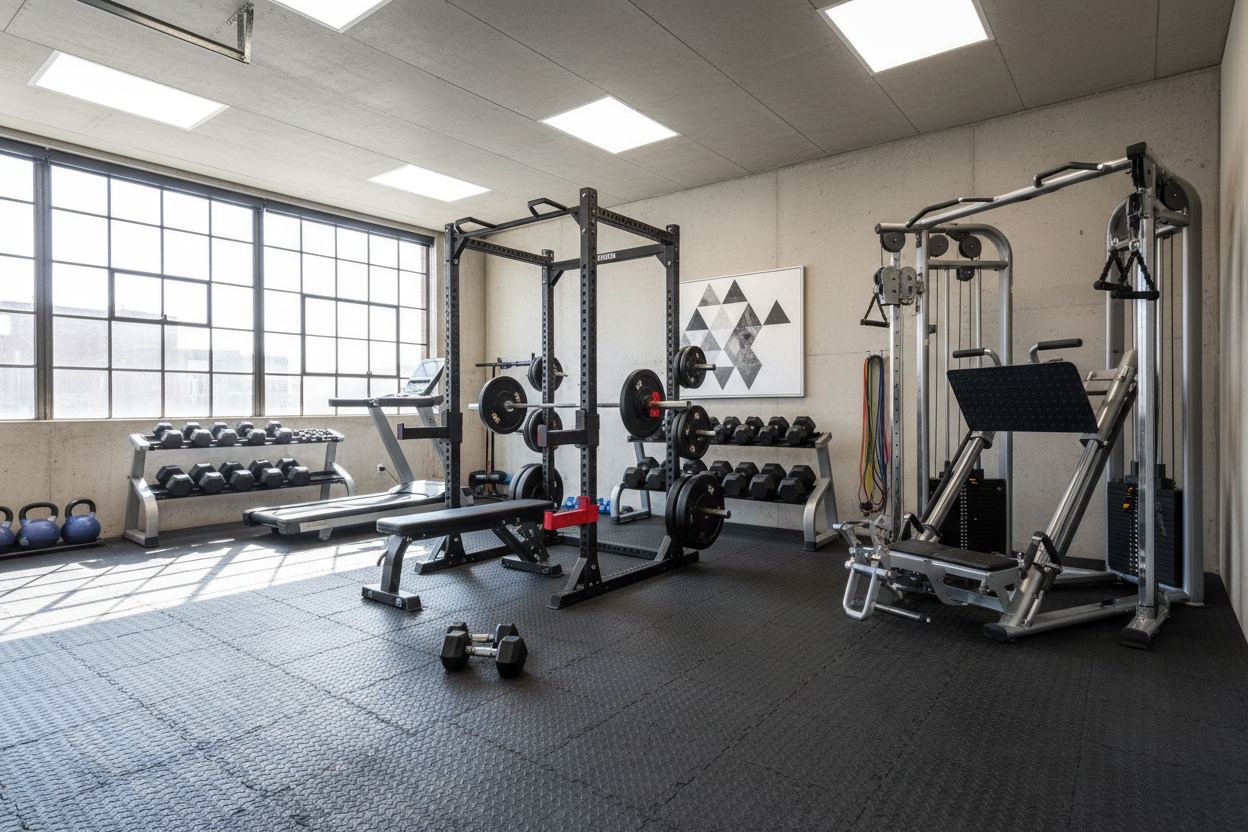
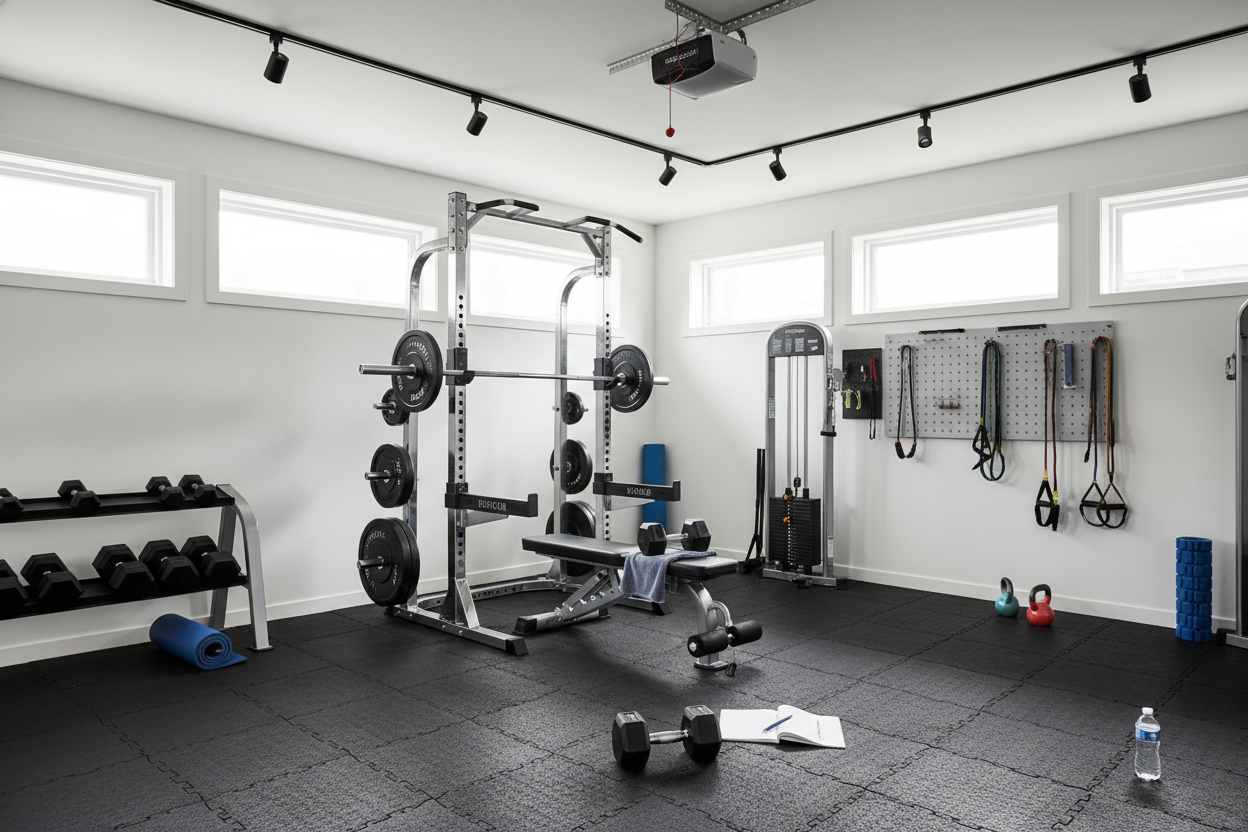
Also, remember that gear is a supplement to your environment. No amount of expensive supportive gear matters if you are pressing off a wobbly surface instead of a rock-solid Gxmmat Adjustable Weight Bench. Stability starts with the floor and the bench, not the stuff you wrap around your wrists.
Are You Masking Weakness With Too Many Accessories?
I see it every day: guys walking into the gym looking like the Michelin Man. They have elbow sleeves, wrist wraps, a belt for bicep curls, and ankle straps. Using too many weight lifting gears can actually be a red flag. If you can't squat 135 lbs without your knees screaming for sleeves, you don't need gear; you need better form or a doctor.
Gear should be used to push your limits, not to hide a lack of foundational strength. I'm also wary of the cheap stuff. I've seen people trust weight lifting Walmart gear during a max-effort deadlift, only to have a cheap buckle snap or a wrap tear. If you are moving heavy weight, your gear is a safety device. You wouldn't buy a discount parachute, so don't buy a discount lifting belt.
Stop Buying Wearables Before Upgrading Your Iron
My biggest mistake when I started my home gym was spending $500 on 'cool' accessories while I was still lifting on a rack that shook every time I racked the bar. I had the best knee sleeves money could buy, but my plates were inconsistent and my bar had the whip of a wet noodle. It was a classic case of misplaced priorities.
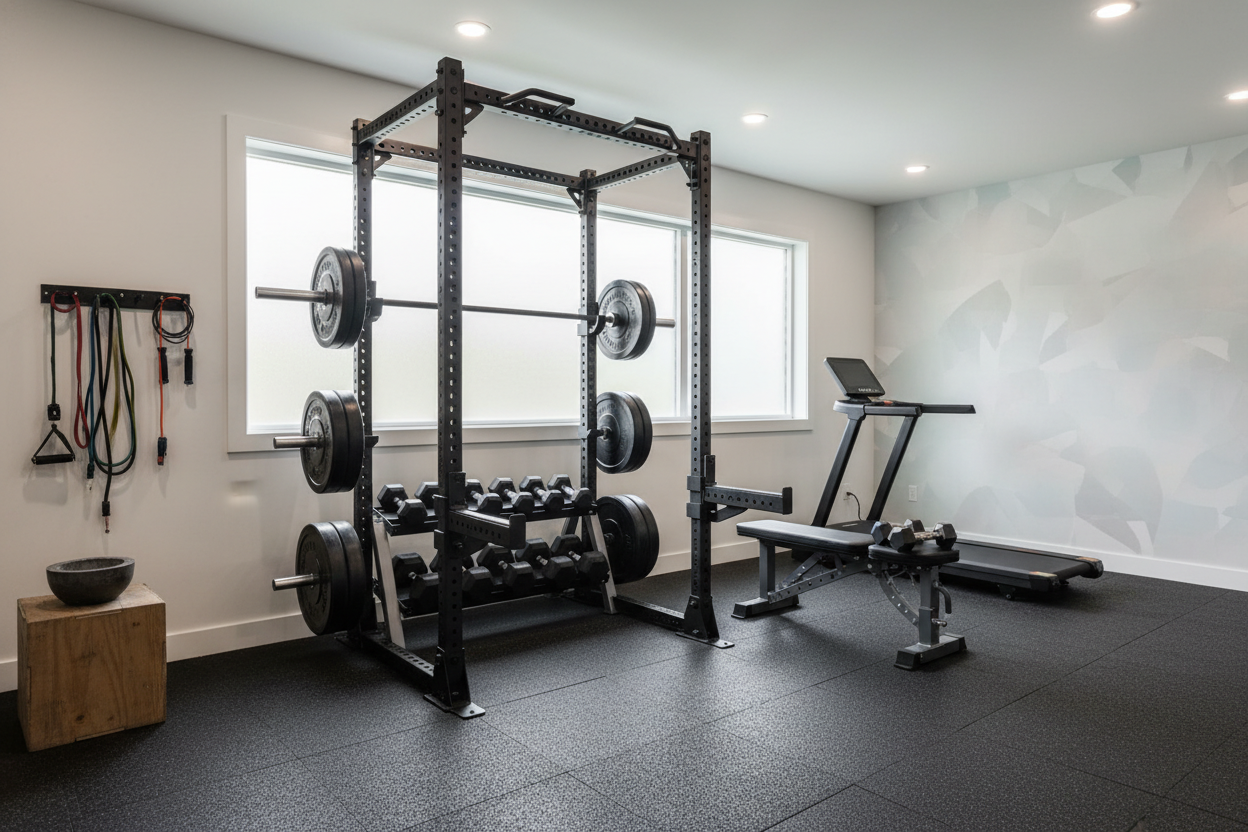
If you have a limited budget, put your cash toward a foundational setup like the Gxmmat X6 Power Rack Weight Bench Package before blowing cash on specialized wearable accessories. A solid rack and a high-quality barbell will do more for your total than a fancy pair of shoes or a custom-embroidered belt ever will. Gear is the icing; the rack and the iron are the cake.
Personal Experience: The $30 Lesson
Early in my training, I bought a 'heavy-duty' belt from a big-box sporting goods store. It looked the part—thick leather and a shiny buckle. During a 405-lb squat attempt, the prong didn't just slip; it sheared through the leather hole. The sudden loss of intra-abdominal pressure caused me to fold forward instantly. I was lucky the safeties were set high, or I’d be writing this from a hospital bed. That was the day I realized that high-quality equipment isn't about ego; it's about not breaking your spine.
FAQ
What does 'raw' mean in lifting?
In powerlifting, 'raw' means you are lifting without the help of supportive suits or bench shirts. Usually, a belt, knee sleeves, and wrist wraps are still allowed in the raw category.
When should I start using a lifting belt?
There is no magic weight number. You should start using a belt when you have mastered your form and are moving weights that feel taxing to your core stability—usually around 1.5x your bodyweight for squats and deadlifts.
Do I need lifting shoes?
If you have poor ankle mobility and struggle to stay upright in a squat, a heeled weightlifting shoe can help. Otherwise, a flat, stable shoe like a Chuck Taylor or even lifting barefoot is perfectly fine for most people.