The Unspoken Rule for Mixing Machines and weightlifting exercises
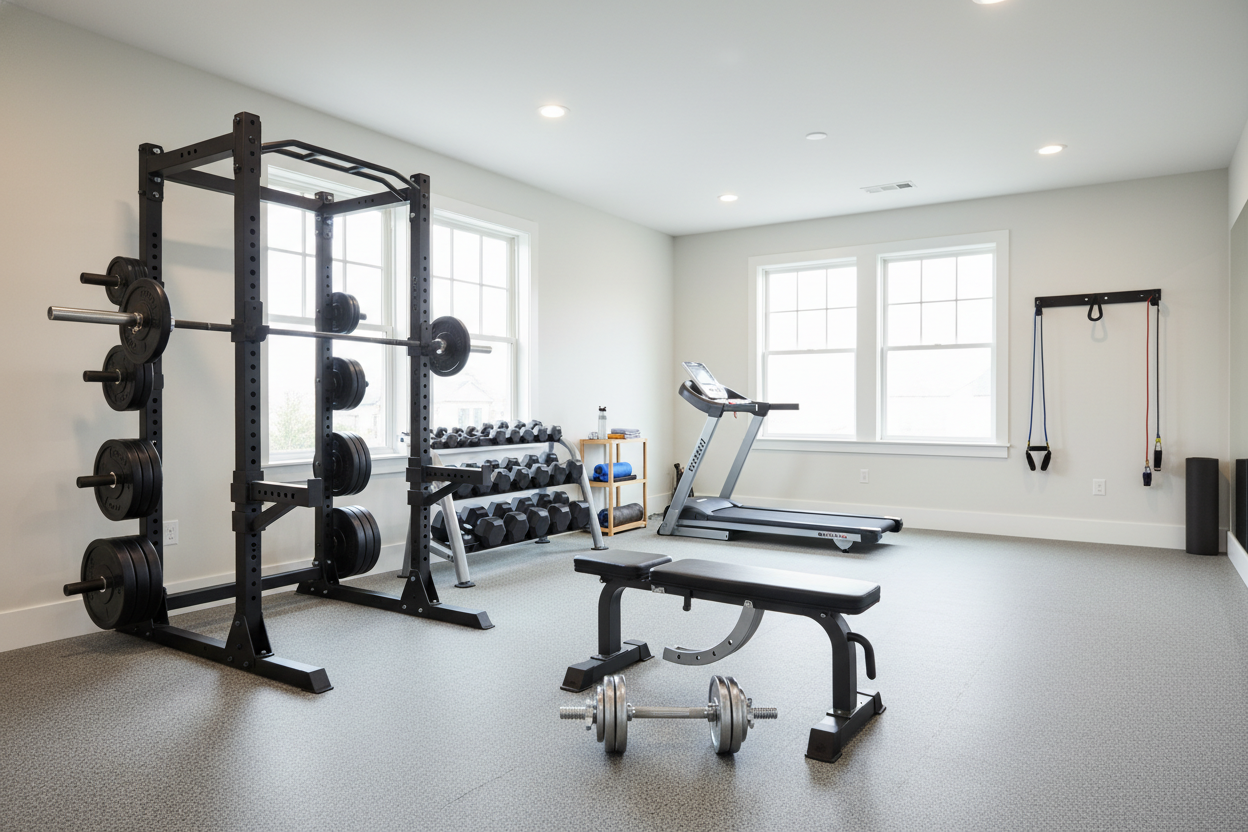
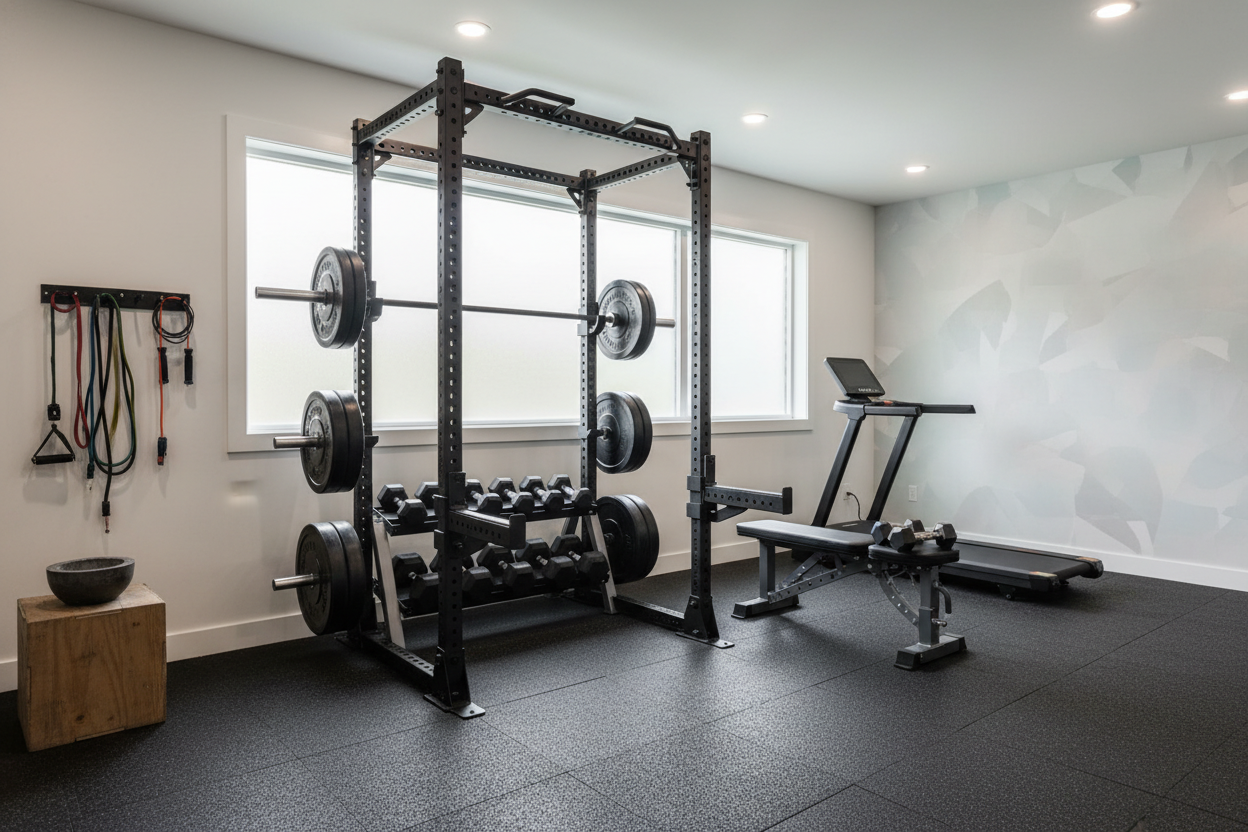
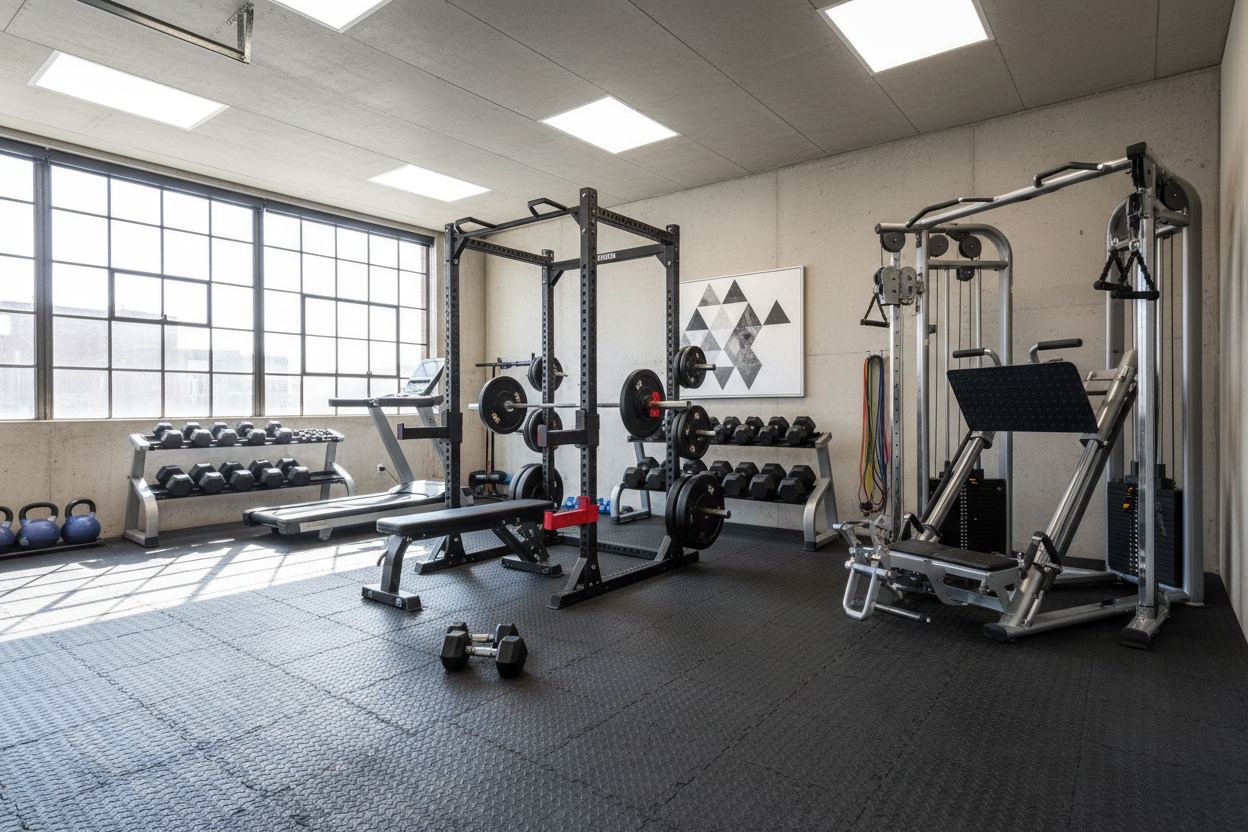
I remember the first time I tried to fit a commercial-grade leg press into my 400-square-foot garage. I spent three hours rearranging racks and moving 45-pound plates just to realize I’d prioritized a single-function machine over my power rack. It was a rookie mistake. We often treat weightlifting exercises like a binary choice: you’re either a barbell purist or a machine junkie. But if you want to grow without spending your weekends icing your knees, you need to stop picking sides and start understanding the sequence.
Quick Takeaways
- Always perform high-skill lifting exercises while your central nervous system is fresh.
- Machines are for mechanical failure; free weights are for structural strength.
- Sequence your workout from 'unsupported' to 'fully supported.'
- Use machines to bypass joint pain without losing training volume.
The Free Weight vs. Machine Tug-of-War
The internet is full of barbell zealots who claim machines are 'cheating' because they remove the stabilization component. Then you have the hypertrophy crowd who says barbells are too fatiguing for the amount of muscle they actually build. They’re both right, and they’re both missing the point. Muscle doesn’t have eyes; it only knows tension and fatigue.
In my experience, the best-built guys in the gym aren't just doing one or the other. They use the barbell to build the engine and machines to redline it. If you only do free weights, your stabilizers often give out before the target muscle is actually cooked. If you only use machines, you end up with the functional strength of a wet noodle. You need both to build a physique that actually works.
Why Sequencing Your weightlifting exercises Actually Matters
Your brain is the governor of your strength. When you perform complex lifting exercises like a snatch or a heavy back squat, your Central Nervous System (CNS) is firing on all cylinders to keep you from folding like a lawn chair. This requires massive coordination. If you try to do these after you've already fried your legs on a hack squat, your technique will fail before your muscles do.
I’ve seen guys try to hit heavy triples on deadlifts at the end of a session. It’s a recipe for a herniated disc. By the time you’ve done your accessory work, your smaller stabilizing muscles are shot. Always put the movements that require the most balance and 'fear factor' at the very beginning. Your brain has a limited battery; don't waste it on a seated row when you still have heavy sets of squats on the menu.
The 'Heavy to Supported' Blueprint for body lifting exercises
The logic is simple: start with the most 'dangerous' movements and move toward the safest. I call this the 'Heavy to Supported' blueprint. You begin with body lifting exercises that require you to stand on your own two feet and stabilize a load. This builds the foundational trunk stability that translates to real-world power.
Once you’ve finished your primary compound lifts, you move to movements with more external support. This allows you to keep the intensity high while your coordination drops. If you follow a solid blueprint for lower body strength, you'll notice the heavy lifting happens early, and the 'pumping' happens late. This protects your spine while ensuring every muscle fiber gets its paycheck.
How to Program Weight Lifting Machines for True Failure
The biggest perk of weight lifting machines is the safety net. When I’m under a 400-pound barbell, I’m not training to absolute failure because I don't want to die. I’m training to technical failure—the point where my form starts to crack. That’s great for strength, but it leaves some muscle growth on the table.
Machines allow you to push past that point. You can take a set of chest presses to the point where the handles literally won't move another inch, and you don't have to worry about a bar crushing your windpipe. Use machines for your high-rep finishers. Aim for sets of 12-20 reps where the goal is maximum blood flow and metabolic stress. This is where the actual 'size' happens for most lifters.
Protecting Your Joints When Going Heavy
Let’s be real: after a decade of training, things start to creak. I used to think I had to barbell overhead press every week to have big shoulders. All I got was a nagging ache in my right AC joint that made sleeping impossible. Learning to swap movements is a survival skill for the long-term lifter.
If you find your upper body when shoulders ache is holding back your progress, stop forcing the barbell. A high-quality plate-loaded press provides a fixed path that can be much kinder to your rotator cuffs. You can still move heavy weight, but the machine handles the stabilization that your beat-up joints can no longer manage. It’s not 'wimping out'—it’s being smart enough to keep training for another twenty years.
A Sample Leg Day Combining Both Worlds
Here is how I actually program this in my own garage. We start with the high-stakes iron and move to the tracks. It’s a four-movement punch that covers all the bases without requiring a trip to the chiropractor.
- Back Squats: 3 sets of 5 reps. This is your CNS-heavy power movement.
- Romanian Deadlifts: 3 sets of 8-10 reps. Still free weights, but slightly higher volume.
- Leg Press: 3 sets of 15-20 reps. Now we use a lower body strength machine to chase the pump without worrying about balance.
- Leg Curls: 2 sets of 20 reps. Finish the hamstrings with total isolation.
Personal Experience: The 500lb Ego Trip
A few years back, I decided I was too 'hardcore' for machines. I tried to do an entire leg block using only a barbell and a pair of 100-pound dumbbells. By week six, my lower back was so fried from stabilizing every single rep that my squat numbers actually started going down. I was 'strong' but I was exhausted. I swapped the lunges for a seated leg press and my recovery improved almost overnight. Don't let your ego dictate your equipment choice.
FAQ
Should beginners use machines or free weights?
Both. Beginners need free weights to learn how to move, but machines help them build the initial muscle base needed to actually hold a barbell correctly.
Can I build a pro-level physique with just machines?
Technically, yes. But you'll likely have weak stabilizers and a higher risk of injury if you ever have to lift something heavy in the real world.
When should I use a weight belt?
Save the belt for your top sets of free weight lifting exercises. You don't need a belt for machine work because the machine is doing the stabilizing for you.