Wait, Is a Push-Up Actually an Exercise of Muscular Strength?
I remember hitting a milestone of 50 consecutive push-ups in my garage and feeling like a total beast. Then I went to a local gym, hopped under a 225-lb barbell for a bench press, and barely squeezed out two reps. It was a wake-up call. I was fit, sure, but I wasn't actually strong in the way I thought I was. The reality is that a exercise of muscular strength requires a specific type of tension that most high-rep bodyweight moves just can't provide once you've moved past the beginner stage.
Quick Takeaways
- Strength is about maximum force production, not how much you sweat.
- If you can do more than 12 reps, you are training endurance, not raw power.
- True strength training requires external resistance and long rest periods.
- Neurological adaptation is just as important as muscle size for lifting heavy.
The Trap of the 'Hard Workout'
We've all been there: finishing a session drenched in sweat, heart pounding, feeling like we've conquered the world. But feeling 'gassed' is often a sign of systemic fatigue, not muscular tension. If you're chasing that 'burn,' you're likely working on metabolic conditioning rather than a true workout muscular strength. Strength isn't about how much you can suffer; it's about how much force your fibers can generate in a single go.
Too many people clutter their routines with a massive list of muscular strength exercises that aren't actually building strength. They do three types of curls, four types of lateral raises, and endless burpees. That's just fluff. If you want to move heavy weight, you need to stop confusing 'being tired' with 'getting stronger.' Real strength work should leave your nervous system fried, not your lungs.
What Makes a Lift an Actual Exercise of Muscular Strength?
To qualify as one of the genuine exercises muscular strength, a movement must challenge your ability to recruit motor units. This usually happens in the 1-6 rep range. If you're lifting a weight you can move 15 times, your body isn't forced to adapt its 'max power' settings. It's just getting better at clearing lactic acid. You need heavy loads—usually 80% or more of your one-rep max.
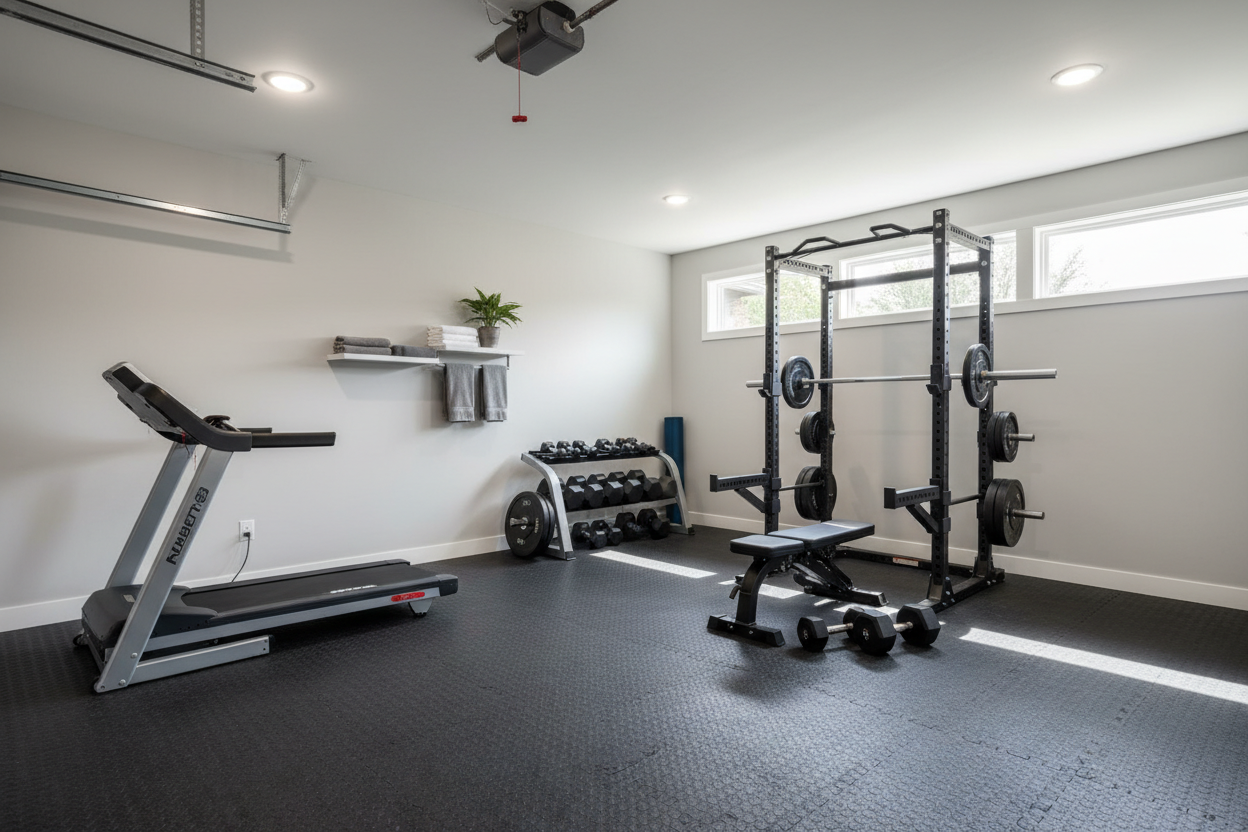
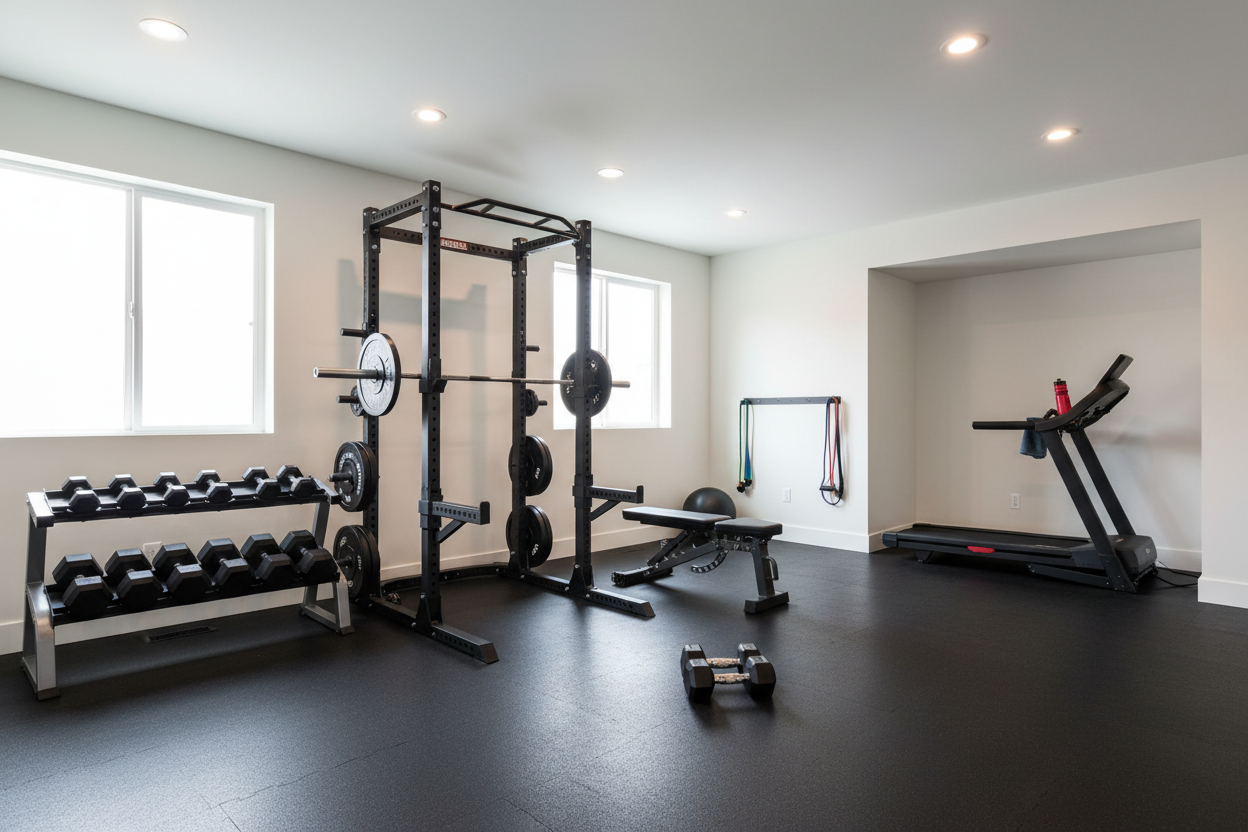
You also need rest. I’m talking three to five minutes between sets. If you're jumping back under the bar after 30 seconds, your ATP stores haven't recovered, and your next set won't be heavy enough to force a strength adaptation. Eventually, you have to graduate from bodyweight movements and invest in real strength equipment like a solid power rack and a barbell that doesn't whip like a pool noodle when you load it up.
Why Your Push-Ups Eventually Turn Into Cardio
The push-up is the classic example of a move that 'expires.' For a total novice, it’s a legitimate strength builder. But once you can knock out 20 or 30 reps, the resistance (your body weight) is no longer high enough to trigger new strength gains. At that point, you're just doing slow-motion cardio on the floor. So, what exercises improve muscular strength once you hit that ceiling?
You have to add external load. I used to do push-ups on a bare concrete floor until I realized my wrists were screaming. I grabbed a thick exercise mat yoga mat gym flooring to save my joints and started wearing a weighted vest. If you can't add weight, you have to change the leverage, like moving to one-arm variations. But honestly? Nothing beats a heavy press or a deadlift for raw force production.
How to Program a Workout for Muscular Strength at Home
A real workout for muscular strength at home doesn't need twenty different moves. It needs four: a squat, a hinge, a push, and a pull. Focus on high intensity and low volume. If you're doing five sets of five reps (the classic 5x5), you're on the right track. The goal is to move the weight with explosive intent, even if the bar is moving slowly because it's so heavy.
Don't fall into the trap of grinding out every single set until your form breaks. You should actually stop chasing failure on every lift. Leaving one or two reps in the tank (training at an RPE of 8 or 9) allows you to recover faster and train more frequently. Consistency with heavy loads beats a once-a-month 'max out' every single time.
Small Gear Tweaks That Force Heavier Loads
Sometimes your big muscles are ready for more weight, but your smaller 'link' muscles—like your grip—give out first. This is where you stop being a purist and start being practical. Using basic strength training accessories like lifting straps or a 10mm lever belt can help you bypass those bottlenecks. If your grip is the reason you can't deadlift 400 lbs, your posterior chain isn't getting the strength stimulus it deserves. Wrap those wrists and pull the weight.
Personal Experience: My 'Ego Lifting' Phase
Years ago, I bought a cheap 300-lb weight set from a big-box store. The bar was rated for 300 lbs, and I decided to test it with exactly 300 lbs on a deadlift. The bar stayed bent after the first rep. I learned two things that day: quality steel matters, and I wasn't as strong as I thought because my form was trash. I spent three months stripping the weight back and focusing on 'grinding' reps rather than 'surviving' them. My strength actually exploded once I stopped trying to look cool and started training with intent.
FAQ
How many reps is 'strength' training?
Generally, 1 to 6 reps is the sweet spot for strength. Anything above 12 is primarily for endurance, and the 8-12 range is the 'hypertrophy' zone for muscle size.
Can I build strength without a gym?
Yes, but it's harder. You have to use difficult bodyweight progressions (like pistol squats or handstand push-ups) or find heavy things to lift, like sandbags or water jugs.
How long should I rest between sets?
For true strength, rest 3 to 5 minutes. You want your central nervous system to fully recover so you can produce maximum force on the next set.