Vinyl Fitness Mat: The Definitive Guide to Heavy-Duty Flooring
You have likely been there before. You finish a heavy set of deadlifts or a high-intensity interval session, look down, and see your floor covering shredding into tiny foam confetti. It is the hallmark of a rookie home gym setup. If you are tired of replacing cheap mats every six months, it is time to look at the professional standard: the vinyl fitness mat.
This isn't about aesthetics; it is about biomechanics and longevity. Most generic mats absorb sweat like a sponge and compress under load, destabilizing your lifts. A proper vinyl-encased mat changes the dynamic of your training space entirely. Let's break down why this specific piece of gear is the foundation—literally—of a serious training environment.
Key Takeaways
- Superior Durability: Unlike EVA foam, a vinyl exercise mat encased in 18oz vinyl won't tear under the friction of sneakers or dropped weights.
- Hygiene Control: The non-porous surface prevents sweat absorption, stopping bacteria and mold growth dead in its tracks.
- Force Transfer: High-density foam cores wrapped in vinyl provide stability for heavy lifting, preventing the "sinking" feeling of softer mats.
- Versatility: Ideal for MMA, tumbling, and heavy equipment, offering protection that standard yoga mats cannot match.
Why the "Gym Mat Vinyl" Composition Matters
When we talk about these mats, we aren't talking about a thin sheet of plastic. We are discussing a composite structure usually consisting of a high-density cross-linked polyethylene foam core encased in heavy-duty vinyl (often 18oz knife-coated vinyl).
The Science of Surface Tension
Cheap foam mats rely on the foam itself to provide grip. The problem? Foam tears. A gym mat vinyl covering provides a high tensile strength surface. This allows you to generate lateral force—think skaters or lateral lunges—without the material buckling or ripping underneath you. The vinyl acts as a shield, taking the abuse while the foam interior handles the impact absorption.
Moisture Barrier and Longevity
Open-cell foam mats are essentially bacteria traps. Once sweat enters the pores, you cannot clean it out. A vinyl casing is completely non-porous. You can sanitize it with hospital-grade cleaners without degrading the material. This is why you see vinyl mats in wrestling rooms and commercial facilities; they are the only option that survives rigorous daily sanitation.
Selecting the Right Vinyl Exercise Mat
Not all vinyl is created equal. If you buy the wrong specs, you will end up with a slippery surface that is dangerous for dynamic movements.
Texture and Grip
Look for a "tatami" or slightly textured surface. Smooth vinyl becomes an ice rink once you start sweating. The texture increases the surface area for friction, keeping your hands and feet planted during downward dogs or heavy squats. If the product description doesn't mention texture, skip it.
Thickness and Density
For general fitness, a 1-3/8 inch thickness is standard. However, pay attention to the foam density inside the vinyl. You want a firm rating (often measured in lbs/cubic foot). If the foam is too soft, you will bottom out when you jump, meaning your joints take the hit rather than the mat. A quality vinyl exercise mat should feel firm to the touch, not like a pillow.
My Training Log: Real Talk
I want to be transparent about my transition to a vinyl setup. For years, I used those interlocking puzzle tiles in my garage. I remember specifically doing a set of mountain climbers during a humid July session. Halfway through the set, the seam of the puzzle tile caught my toe, ripped apart, and I slid knee-first into the concrete.
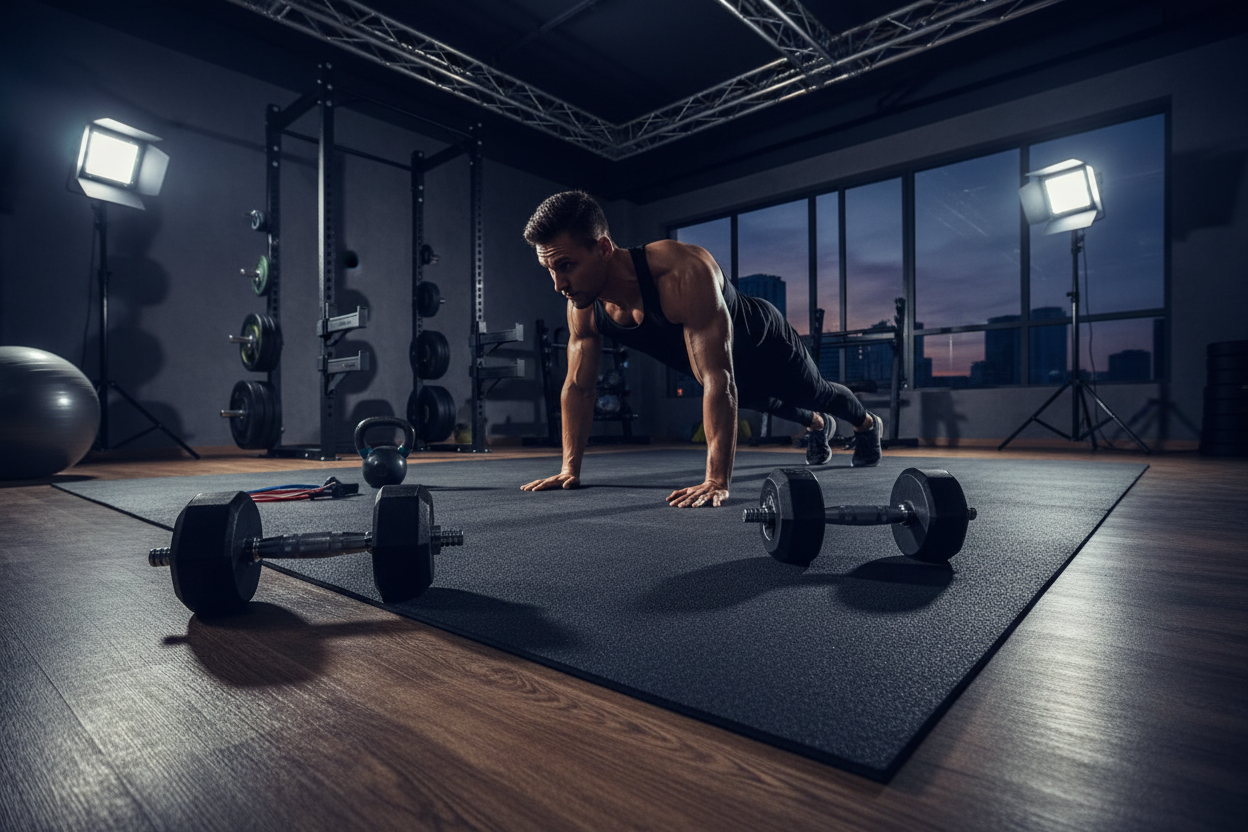
I switched to a 5x10 folding vinyl mat the next week. The first thing I noticed wasn't the cushion; it was the sound. When I landed a box jump, there was a solid thud rather than a squish. But here is the unpolished reality: Vinyl gets slick if you don't manage it. During a particularly grueling HIIT session, I created a literal puddle of sweat that sat right on top of the vinyl because it didn't absorb.
I had to keep a towel nearby to wipe it down between rounds. That might sound annoying, but I realized that on my old mats, that sweat was soaking into the floor. The cleanup took five seconds, and my gym didn't smell like a locker room the next day. The trade-off of wiping down a puddle versus living with a stinking mat is one I will take every single time.
Conclusion
Upgrading to a vinyl fitness mat is an investment in safety and sanitation. While the upfront cost is higher than generic foam options, the lifespan of heavy-duty vinyl is measured in decades, not months. Stop training on surfaces that fight against you and get a foundation that supports your work.
Frequently Asked Questions
Can I drop heavy barbells on a vinyl fitness mat?
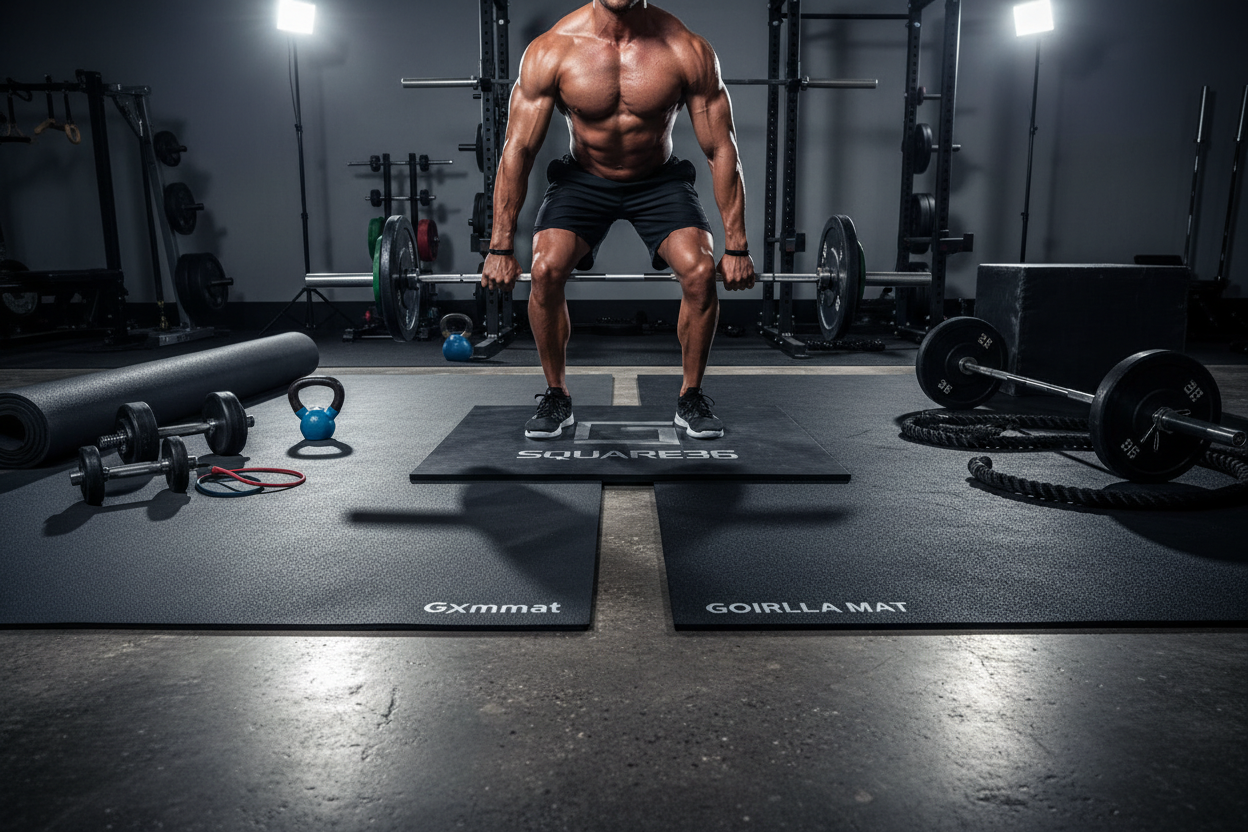
Yes, but with a caveat. While the vinyl casing is tough, the foam core needs to be high-density to protect your subfloor. For deadlifts over 300lbs, it is recommended to use the mat for your body positioning and place the plates on specific rubber stall mats or a lifting platform.
Is a vinyl mat too slippery for yoga?
It can be. Vinyl is designed for durability and easy cleaning, which can make it slicker than open-cell natural rubber yoga mats. If you are using a vinyl exercise mat for yoga, ensure it has a textured finish or use a yoga towel over the top for grip.
How do I clean a gym mat with vinyl coating?
This is the easiest part of owning one. Use a mixture of warm water and mild dish soap, or a dedicated vinyl disinfectant. Avoid bleach or abrasive scrubbers, as these can dry out the vinyl over time, leading to cracks.