Understanding Chest Anatomy and How to Train Each Part Effectively
The human chest is a central and highly active area of the body, both in terms of physical function and aesthetic appeal. Whether your goal is to increase strength, enhance posture, or build muscle definition, knowing the different parts of the chest is essential for creating a balanced workout program. By understanding how many parts of the chest there are and how they work together, you can better target specific regions during training for optimal results.
Breaking Down the Chest Anatomy
In anatomy, the chest refers to the area on the front of the body between the neck and the abdomen, protected by the rib cage. The chest is primarily composed of muscles, bones, and connective tissues, as well as key internal organs such as the heart and lungs. For exercise purposes, the focus is often on the pectoral muscles, which play a major role in arm movement and upper body strength.
Main Parts of the Chest
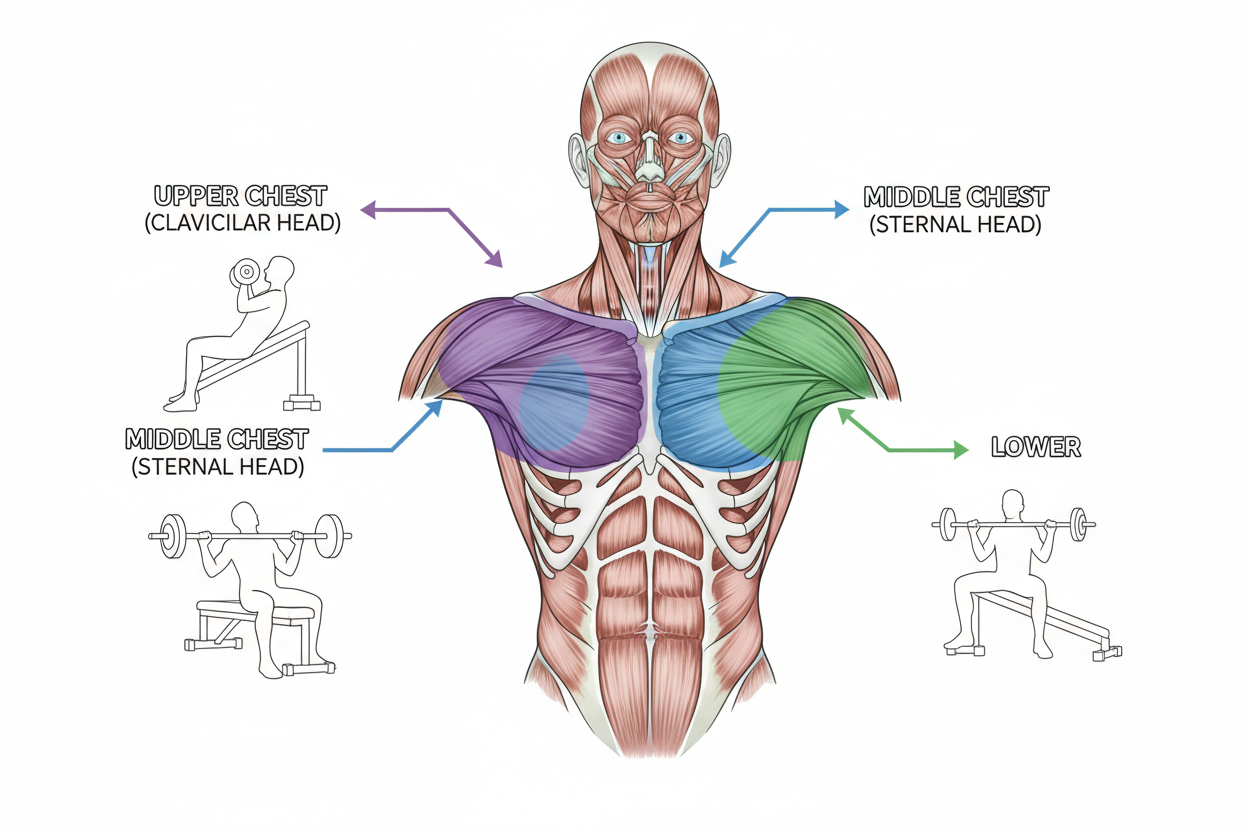
When discussing different parts of the chest, we’re usually referring to the pectoralis major and the pectoralis minor. However, in workout contexts, trainers often divide the chest into sections for more precise training:
- Upper Chest: This section involves the clavicular head of the pectoralis major. Exercises targeting the upper chest include incline bench presses and incline dumbbell flyes.
- Middle Chest: The sternal head of the pectoralis major forms the bulk of the chest. Flat bench presses and push-ups are effective for this area.
- Lower Chest: This section focuses on the lower fibers of the pectoralis major. Decline bench presses and dips work well here.
- Chest Heads Concept: Though anatomically the pectoralis major is a single muscle, the term "chest heads" is sometimes used in bodybuilding to refer to various emphasis points during workouts.
How Many Parts of the Chest Are There?
From a strict anatomical perspective, the chest muscles are mainly the pectoralis major and minor, supported by surrounding muscles like the serratus anterior and intercostals. However, for training purposes, many athletes divide the chest into upper, middle, and lower parts to address muscle fibers' different angles and workloads.
Parts of Chest to Workout
Knowing which parts of the chest to workout depends on individual goals. Balanced development is important not only for aesthetics but also for functional strength. Here are some evidence-based recommendations:
- Upper Chest Training: Use incline angles between 30° and 45° to maximize activation of the clavicular head.
- Middle Chest Workouts: Keep bench press at a flat angle to target the sternal head of the pectoralis major evenly.
- Lower Chest Focus: Utilize decline press and bodyweight dips to emphasize the lower fibers.
Muscle Function and Importance
The chest muscles are responsible for pushing, lifting, and stabilizing movements. They assist in actions like pushing open a door, swimming strokes, and many athletic activities. Well-developed chest muscles improve upper body power and can also reduce strain on the shoulders.
Supportive Structures in the Chest Area
Besides the pectoral muscles, the chest houses important bones like the sternum and ribs. The intercostal muscles between the ribs aid in breathing, while connective tissues maintain the chest's structural integrity. Understanding the structural parts of the chest can help avoid injury during intense training sessions.
Personal Experience with Targeted Chest Training
In my experience, shifting from a general upper body routine to targeted workouts for specific chest parts significantly improved my results. By dedicating sessions to the upper, middle, and lower chest separately, I noticed balanced muscle growth and reduced muscular imbalances. This approach also improved my pressing strength across different angles, benefiting both gym performance and functional tasks outside the gym.
Tips for Balanced Chest Development
Train your chest twice per week with sessions that incorporate different angles and forms of resistance. Always focus on proper technique to ensure each chest part receives adequate stimulation and to avoid overtraining. Include bodyweight exercises alongside free weights for improved muscle activation and joint health.
Conclusion
Understanding the chest’s anatomy and identifying its different parts is crucial for effective training. While the chest may seem like one large muscle group, knowing how many parts of the chest there are from both anatomical and workout perspectives can help design a balanced, safe, and efficient training program. Whether you aim to maximize strength, enhance physique, or improve performance, targeted training of the upper, middle, and lower chest can lead to optimal results.