
Types of Workouts Explained: Stop Wasting Time in Your Home Gym
You have built the home gym, bought the rack, and loaded up on plates. But if you are doing the exact same routine every week, you are going to hit a wall. One of the biggest mistakes we see in the home fitness community is a lack of programming variety. Understanding the fundamental types of workouts available to you is the fastest way to break through plateaus, prevent overuse injuries, and keep your daily training fresh.
Whether you are working with a massive two-car garage setup or a compact apartment corner, knowing how to apply different workout types dictates what equipment you actually need. From heavy strength phases to high-intensity metabolic conditioning, let's break down the different types of exercise routines so you can optimize both your floor space and your physical results.
Key Takeaways
- Strength Training builds power: Low reps and heavy weights require sturdy, commercial-grade racks and barbells.
- Hypertrophy focuses on muscle size: Moderate weight and higher volume benefit from adjustable dumbbells and functional trainers.
- HIIT maximizes time: High-intensity interval training requires minimal equipment but demands maximum effort.
- Mobility prevents injury: Often overlooked, flexibility routines are essential for long-term joint health and recovery.
- Match gear to your goals: Do not buy equipment until you know what kinds of workouts you plan to prioritize.
Structuring Your Routine Around Your Goals
When people ask, 'what kinds of workouts are there?', they are usually overwhelmed by fitness jargon. In reality, almost all fitness methods fall into a few primary categories. Understanding these muscle training types will help you structure a balanced week.
Strength vs. Hypertrophy
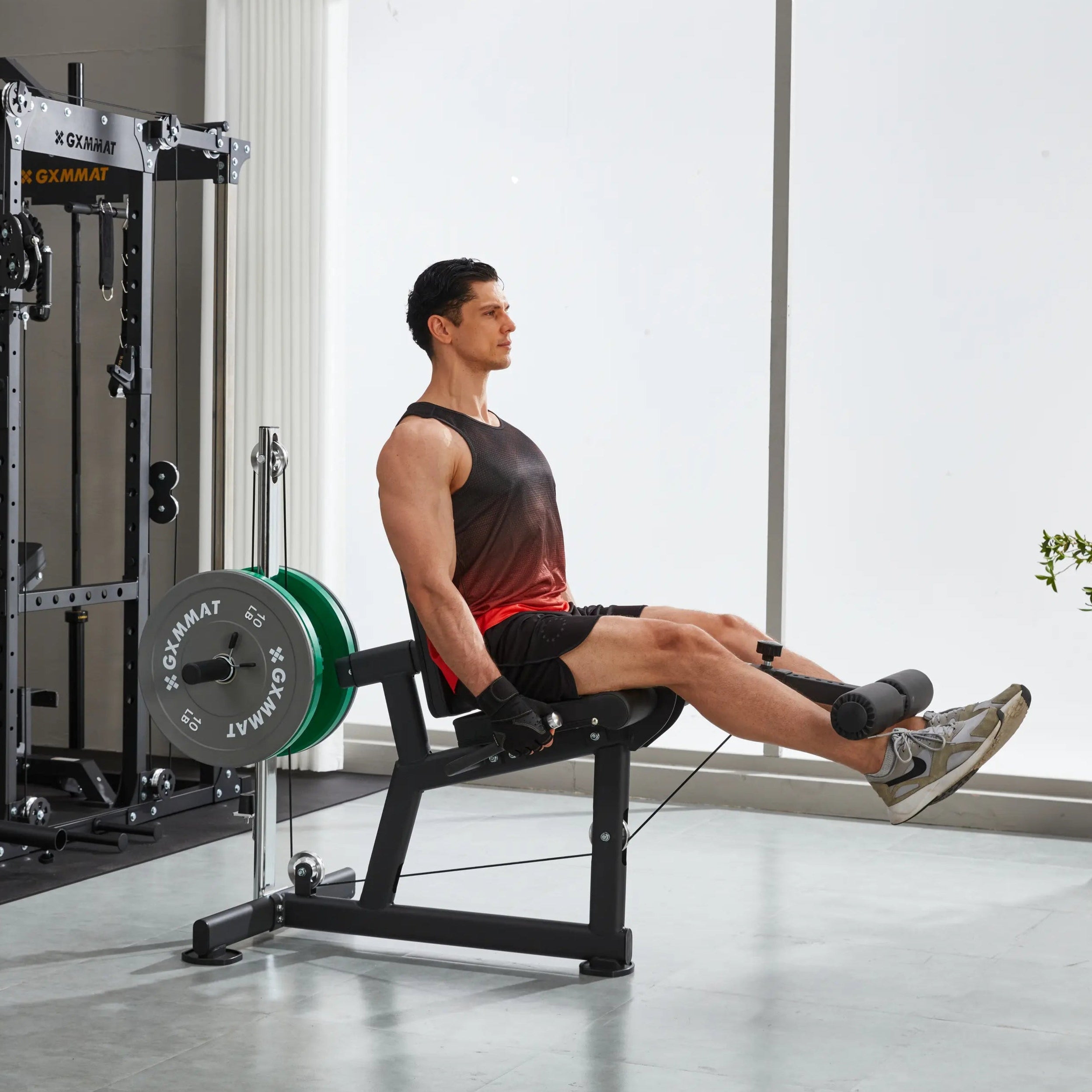
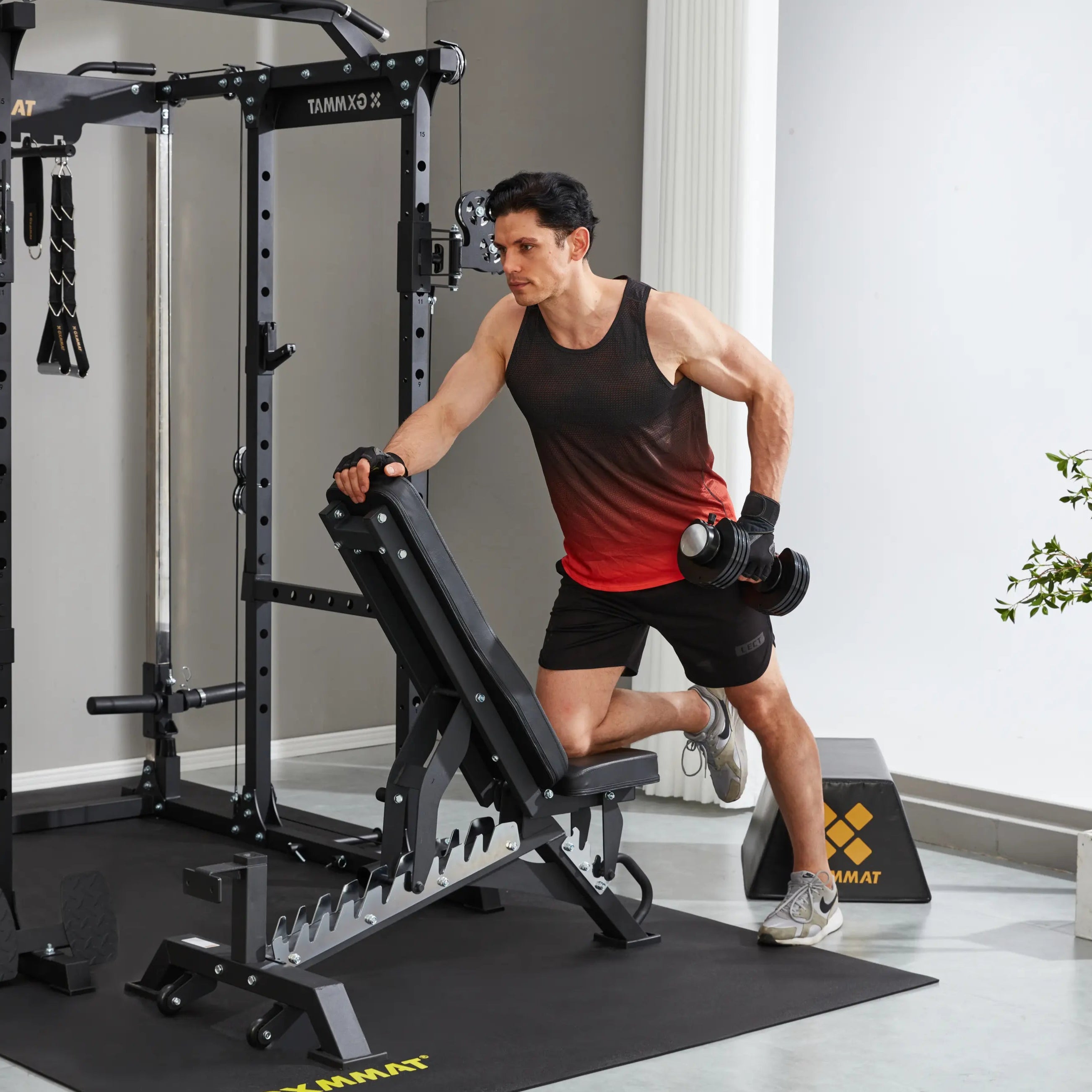
While often grouped together, strength training and hypertrophy are different types of workout routines. Strength training is about raw power—moving the maximum amount of weight for 1-5 reps. This requires heavy-duty equipment like thick-gauge power racks and high-capacity Olympic bars. Hypertrophy, on the other hand, is designed to increase muscle size. It uses moderate weights for 8-12 reps, making adjustable dumbbells, resistance bands, and cable machines highly effective for targeting specific muscle groups.
Cardiovascular and Metabolic Conditioning
If your goal is endurance and fat loss, your physical training types need to shift toward cardiovascular work. You do not necessarily need a treadmill for this. High-Intensity Interval Training (HIIT) uses short bursts of intense exercise followed by brief rest. Kettlebell swings, battle ropes, and plyometric boxes are perfect for these different types of training exercise, offering a massive calorie burn without taking up half your garage.
Equipping Your Space for Different Workout Types
Your home gym layout should directly reflect the types of fitness training you enjoy most. Buying a massive functional trainer makes no sense if your primary focus is heavy powerlifting.
The Minimalist Setup for Functional Training
If you prefer functional fitness methods—workouts that mimic daily movement patterns—you can save a ton of space. A set of competition kettlebells, a suspension trainer, and a high-quality plyo box can facilitate an endless variety of workouts. This setup is ideal for apartment dwellers who need to keep noise levels down and maximize a small footprint.
Heavy Duty Racks for Powerlifting
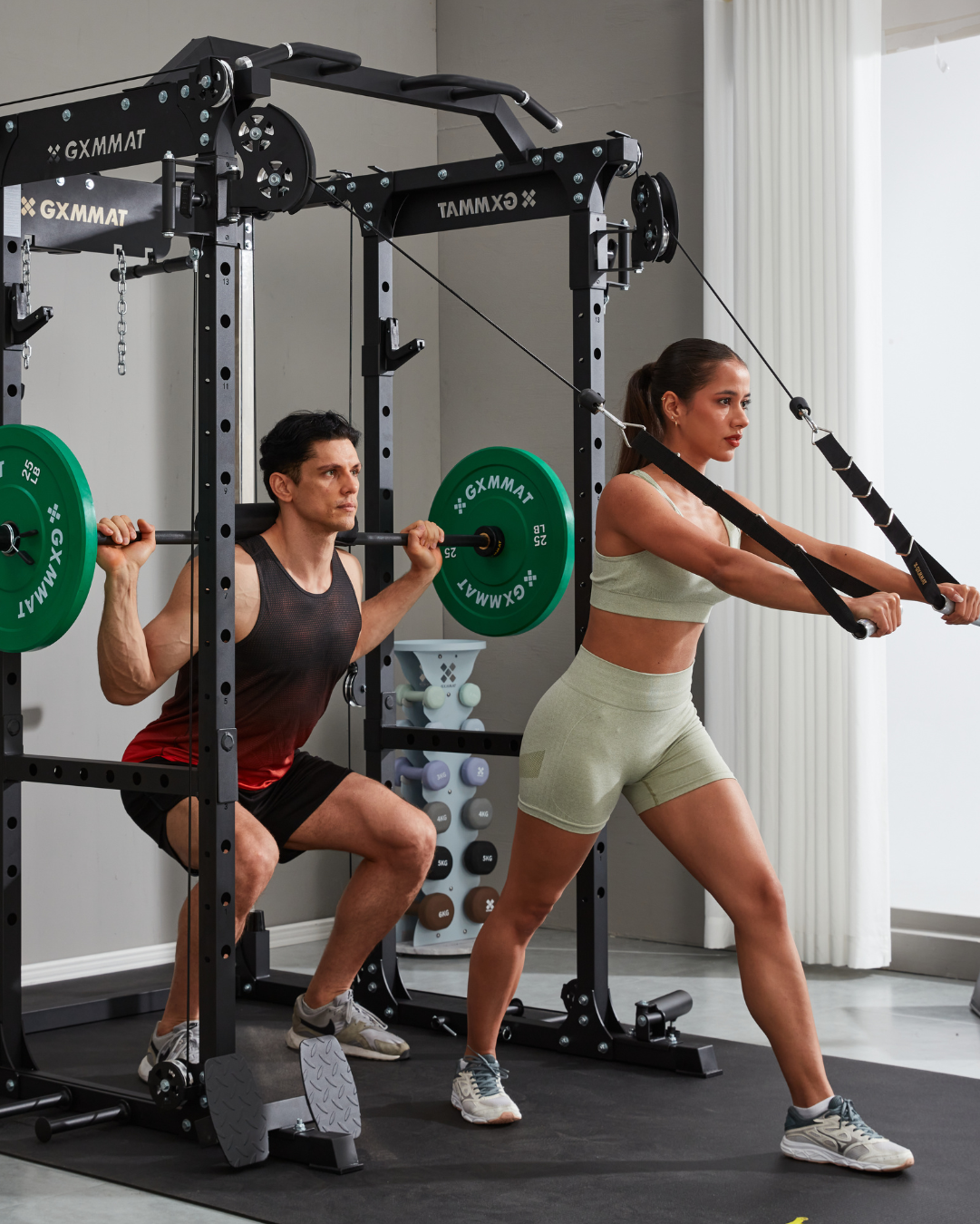
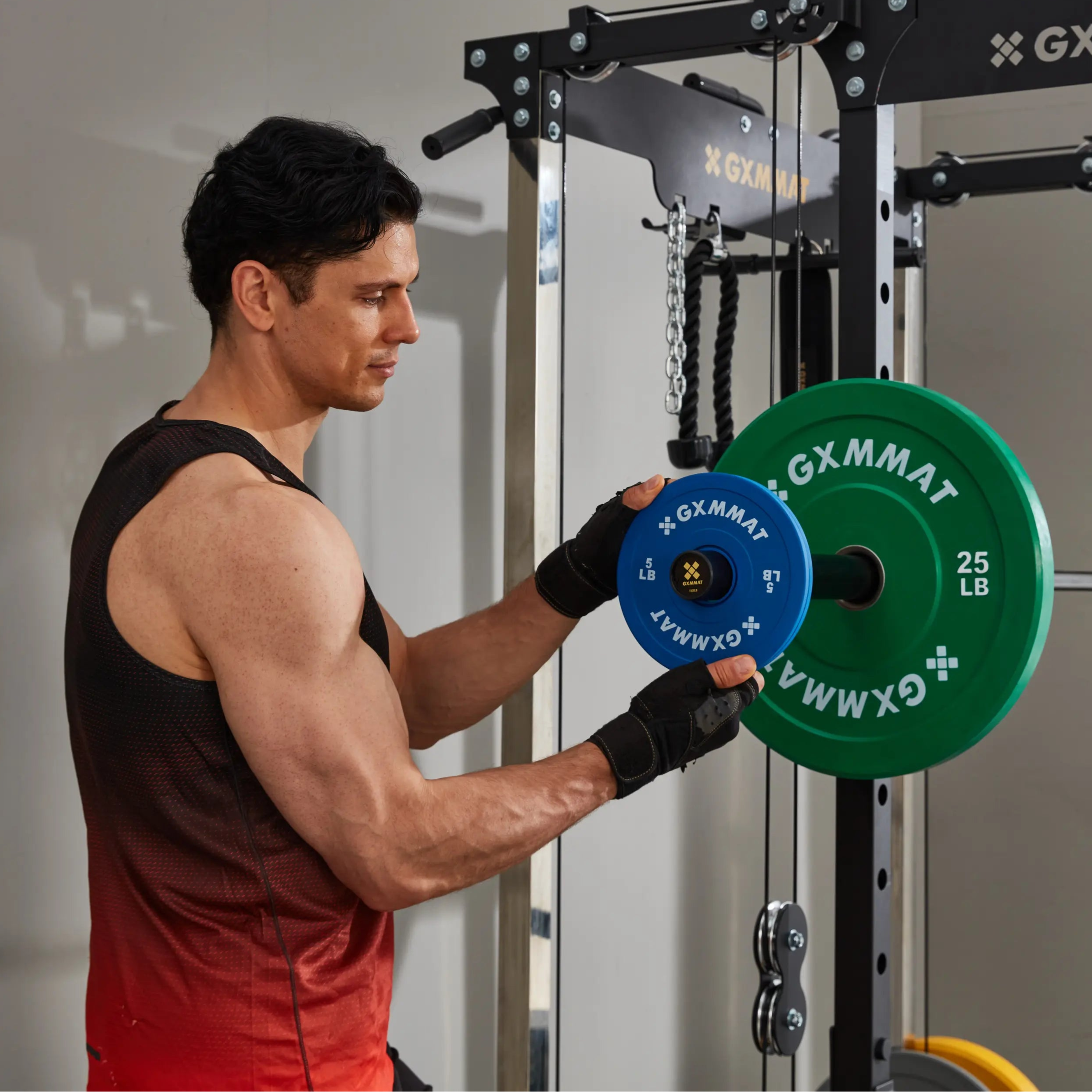
For those focused on traditional gym training types like squats, deadlifts, and bench presses, the power rack is the centerpiece of your gym. Look for 3x3-inch 11-gauge steel uprights. When you are pushing your physical limits alone at home, having reliable safety spotter arms and a rock-solid barbell is non-negotiable.
From Our Gym: Honest Take
In my own garage gym, I spent years rigidly sticking to heavy barbell strength training. I thought 'cardio' was a dirty word and mobility work was a waste of time. Unsurprisingly, my joints ached, and my lifts plateaued. The game changed when I started exploring different types of workouts for the body. I dedicated two days a week to kettlebell flows and EMOM (Every Minute on the Minute) conditioning. The specific detail that blew my mind? When I finally added 15 minutes of high-intensity kettlebell work on my rubber stall mats, my hip mobility skyrocketed and my heavy squat actually improved. The caveat is that it took my ego a few weeks to adjust to lifting lighter weights, but diversifying my exercise training types was the best investment I made in my long-term fitness.
Frequently Asked Questions
What are the different types of workout routines I should do weekly?
For a well-rounded routine, aim to combine resistance training (strength or hypertrophy) 3-4 times a week, cardiovascular work 1-2 times a week, and dedicated mobility or active recovery at least once a week.
Do I need different equipment for all types of workouts?
Not necessarily. Highly versatile equipment like adjustable dumbbells, kettlebells, and a power rack can accommodate almost all types of training in the gym. You can perform strength, hypertrophy, and even HIIT conditioning with just a barbell and plates if you program it correctly.
How do I choose between different types of workout plans?
Start with your primary goal. If you want to get stronger, choose a linear progression strength plan. If you want to lose weight and save time, look into HIIT or circuit training. The best different types of exercise programs are the ones you can consistently stick to.