Types of Fitness Equipment: Stop Buying the Wrong Gear
It is the classic home gym trap: you want to get in shape, so you buy a treadmill, a random set of dumbbells, and a bench. Six months later, they have magically transformed into expensive clothing racks. Navigating the sheer volume of types of fitness equipment on the market today is overwhelming, especially when you are trying to maximize a limited budget and precious square footage.
Whether you are converting a spacious two-car garage or carving out a dedicated training corner in a basement apartment, understanding the core categories of gear is crucial. This guide will help you cut through the marketing noise, identify exactly what you need for your specific goals, and stop wasting money on gear that does not serve your training style.
Key Takeaways
- Free Weights: Offer the highest return on investment for strength training and require minimal space.
- Cardio Machines: Excellent for cardiovascular health but demand significant floor space and regular maintenance.
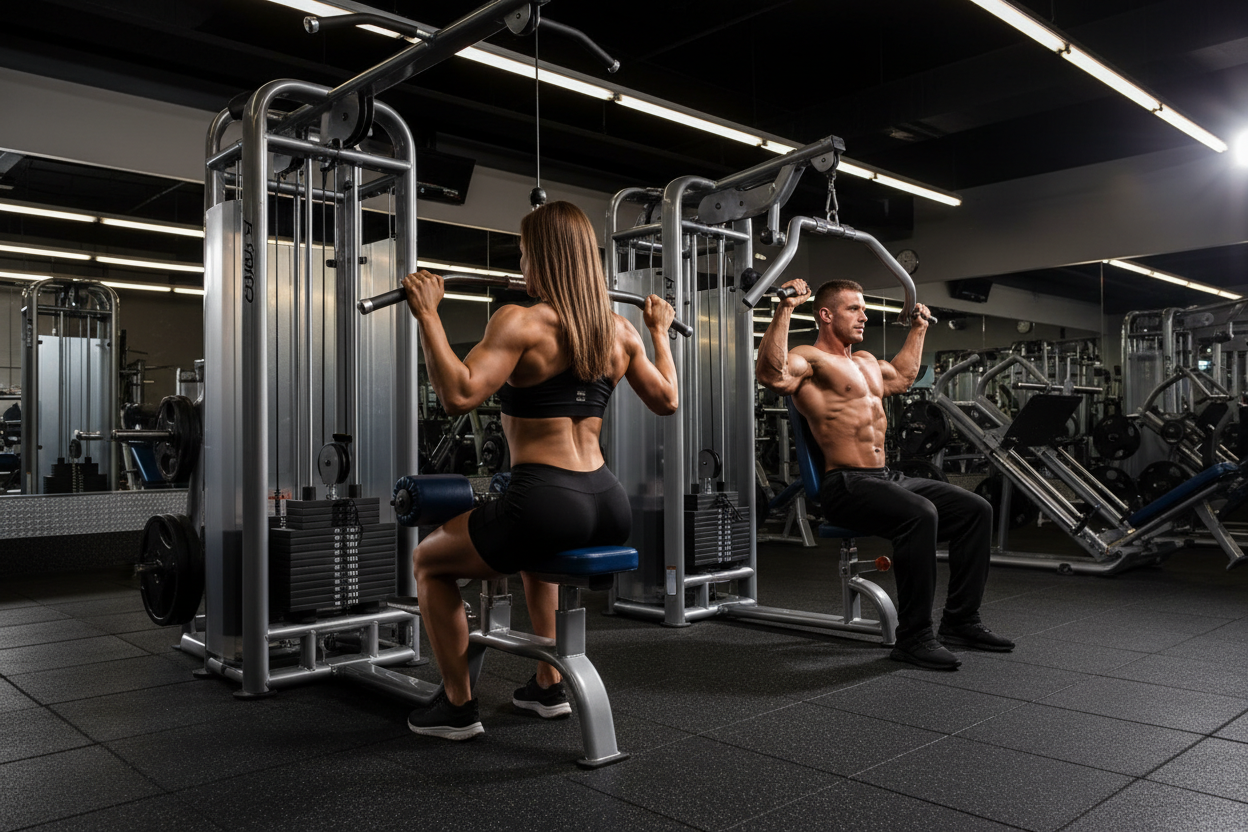
- Cable & Plate-Loaded Machines: Great for isolation work and injury rehab, though often overkill for beginner home setups.
- Resistance Bands & Bodyweight Gear: The ultimate budget-friendly, portable options for small apartments and frequent travelers.
Strength vs. Cardio: Defining Your Core Needs
Before pulling out your credit card, you need to categorize your goals. The different types of workout equipment generally fall into two main buckets: strength and cardiovascular conditioning.
Free Weights and Resistance
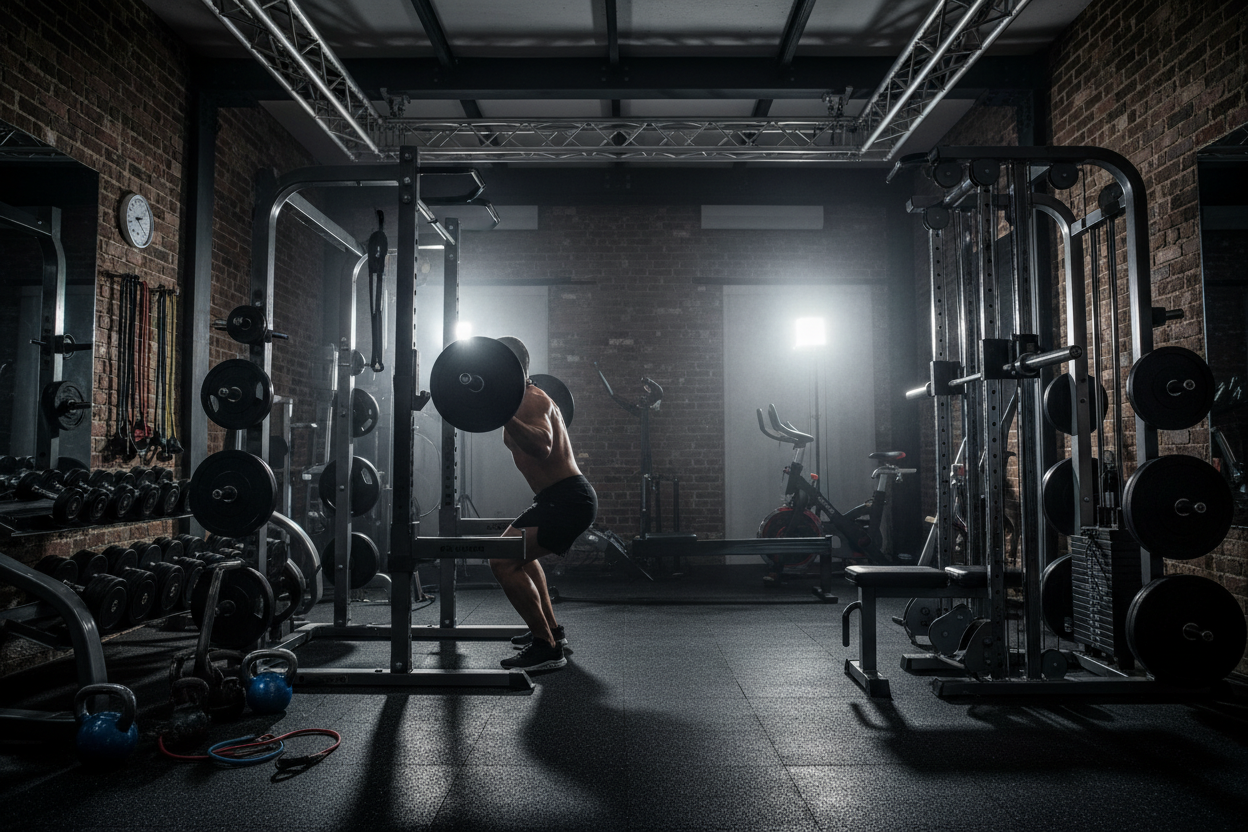
Dumbbells, barbells, kettlebells, and squat racks form the foundation of any serious strength setup. Free weights force your body to stabilize the load, recruiting more muscle fibers than fixed-path machines. If your goal is hypertrophy (muscle growth) or raw power, this is where the bulk of your budget should go.
Cardiovascular Machines
Treadmills, rowing machines, air bikes, and ellipticals are staples for building an aerobic base. When comparing these, pay close attention to the footprint and the noise level. A chain-driven air bike might be perfect for a detached garage, but it will quickly become a nightmare in a second-floor apartment.
Space Planning for North American Homes
Your environment dictates your equipment choices just as much as your fitness goals. A common mistake is buying gear without measuring operational clearance.
Garage Gyms vs. Apartment Corners
If you have a standard garage with 8-foot to 9-foot ceilings, a full power rack (typically 80 to 90 inches tall) fits perfectly. However, if you are in a condo, you will want to look at adjustable dumbbells and a foldable flat-incline-decline (FID) bench. These give you access to dozens of exercises while occupying less than 10 square feet of floor space when stored vertically.
The Value Equation: Where to Spend vs. Save
You do not need commercial-grade everything. Understanding the nuances between the different types of fitness equipment helps you allocate funds wisely.
Investing in the Essentials
Never cheap out on things that separate you from the floor or hold heavy weight above your head. Spend your money on a high-quality barbell with good knurling and a heavy-duty bench with a high weight capacity (look for 800+ lbs ratings). Conversely, you can save money by buying cast-iron plates instead of premium urethane bumper plates if you are not doing Olympic weightlifting drops.
From Our Gym: Honest Take
When I first started outfitting my own garage gym, I thought I needed an all-in-one functional trainer to replicate the commercial gym experience. I spent nearly $2,500 on a dual-pulley system. While it is incredibly smooth for tricep pushdowns and face pulls, I quickly realized it took up a massive 60-inch by 60-inch footprint and gathered dust on heavy leg days.
If I had to start over, I would have invested that money into a heavy-duty 3x3-inch steel power rack and a premium set of adjustable dumbbells. The functional trainer is great, but the maintenance on the cables and the sheer space it demands makes it a luxury, not a necessity. Keep it simple first.
Frequently Asked Questions
What type of fitness equipment is best for a beginner?
For most beginners, a high-quality set of adjustable dumbbells and a sturdy adjustable bench offer the best starting point. This combination allows you to perform full-body workouts safely while taking up minimal space.
How much space do I need for a home gym?
A basic setup (adjustable bench and dumbbells) requires about 30 to 50 square feet. A comprehensive setup with a power rack, barbell, and a cardio machine will comfortably require 120 to 150 square feet, which is roughly the size of a standard one-car garage bay.
Are all-in-one home gyms worth the money?
It depends on your goals. For general fitness and circuit training, they offer great convenience. However, for serious strength training, they often have limited weight capacities and fixed ranges of motion that cannot compete with a standard barbell and rack setup.