Torch Your Quads: The Only Upper Leg Routine You Actually Need
Building powerful, sculpted legs requires more than just hopping on a treadmill or doing a few casual squats. To truly transform your lower body, you need a strategy that targets the quadriceps, hamstrings, and adductors with sufficient intensity and volume. The most effective approach combines heavy compound movements to build raw mass with targeted isolation exercises to carve out definition. By focusing on progressive overload—gradually increasing the weight or tension over time—you force the muscle fibers in your upper legs to adapt and grow.
Many people struggle with leg training because they either neglect the intensity required or stick to comfortable machines that don't recruit stabilizing muscles. If you want results, you have to embrace the burn. This guide breaks down the mechanics of a proper leg day, ensuring every rep contributes to stronger, more defined thighs.
Why Most Leg Workouts Fail
I remember hitting a frustrating plateau a few years back. My squat numbers were stagnant, and despite spending hours in the gym, my leg development seemed to halt. My hips felt tight, and my knees were shaky under heavy loads. It wasn't until I shifted my focus from ego-lifting to unilateral movements—specifically the Bulgarian split squat—that things changed. That single adjustment fixed muscle imbalances I didn't even know I had. Suddenly, my stability improved, my main lifts skyrocketed, and I finally saw the definition I was chasing. That experience taught me that the best workout for upper legs isn't always about the heaviest weight; it is about proper muscle engagement and addressing weaknesses.
Foundational Movements for Mass
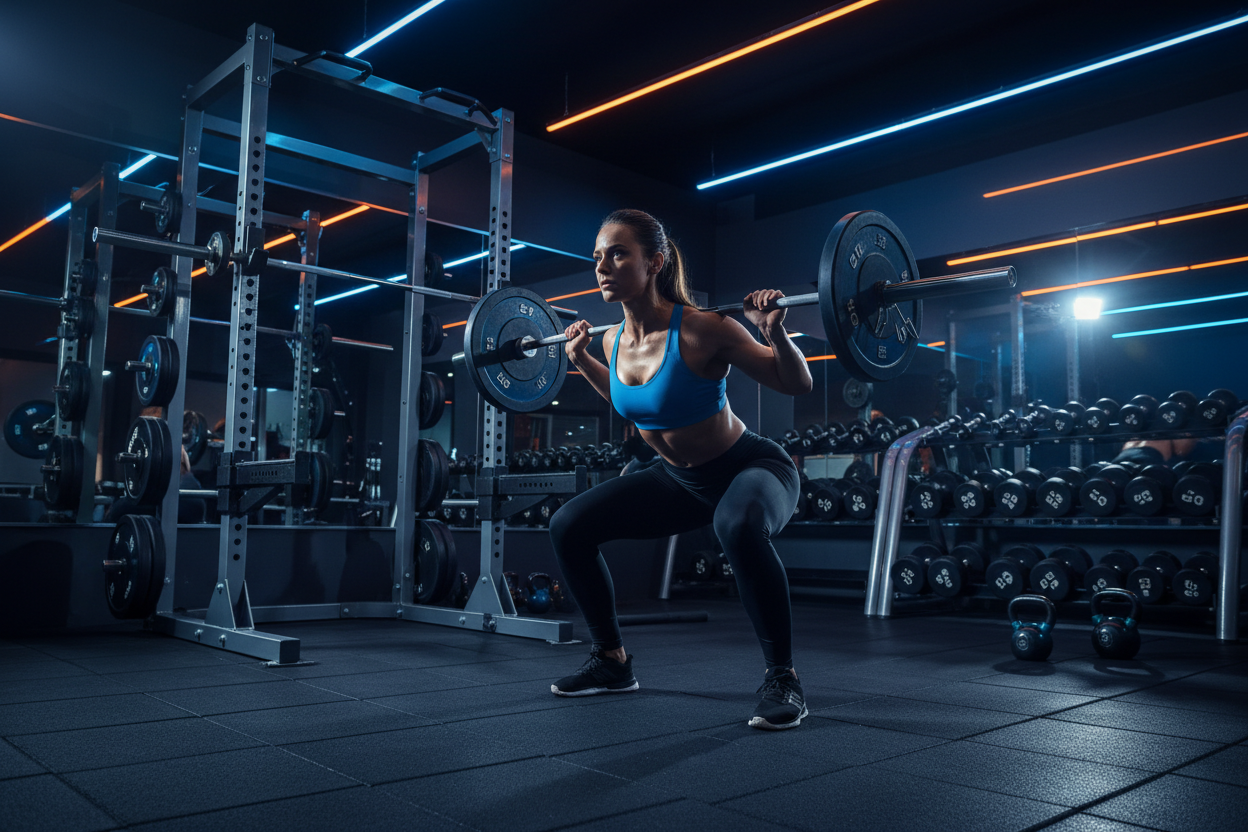
You cannot build a house without a foundation, and you cannot build legs without compound lifts. These are multi-joint movements that recruit the maximum amount of muscle fiber. When designing a thigh workout exercise plan, the barbell back squat remains the king. It engages the entire posterior chain and the quads simultaneously. However, foot placement matters. A narrower stance will shift more focus to the outer quad, while a wider stance engages the adductors and glutes more heavily.
The leg press is another staple exercise for upper leg development, especially if you have lower back issues that prevent heavy spinal loading. It allows you to overload the quads safely. To make this an effective upper leg workout, ensure you are using a full range of motion. Lower the platform until your knees are close to your chest (without your lower back lifting off the pad) to get a deep stretch in the muscle.
The Unilateral Advantage
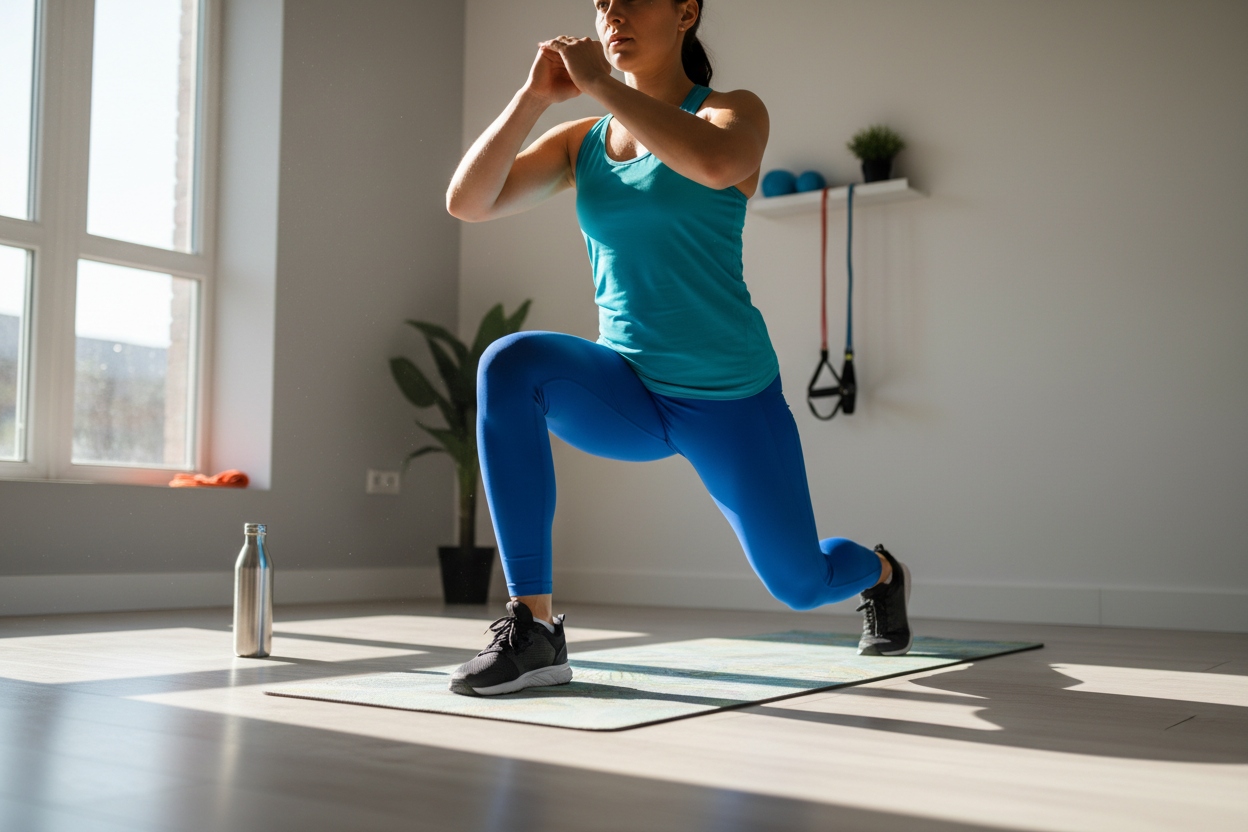
As mentioned earlier, single-leg work is non-negotiable. Lunges are essential upper legs exercises because they force each leg to work independently, exposing strength discrepancies. Walking lunges, in particular, provide a metabolic conditioning effect while torching the muscle fibers. If you want a workout for upper thighs that challenges your balance and core simultaneously, reverse lunges are a safer bet for knee health compared to forward lunges, as they place less shear force on the joint.
Targeting the Top of the Thighs
Many lifters ask about the best exercise for top of legs—specifically that area near the hip flexor which creates the separation between the thigh and the torso. This area is primarily the rectus femoris, the only quad muscle that crosses the hip joint. To target this, you need movements that challenge the leg while the hip is extended or flexed.
The leg extension is often dismissed, but it is arguably the best upper leg exercises for isolating the rectus femoris. The trick is to lean back slightly on the seat, which stretches the muscle at the hip, allowing for a stronger contraction at the top. Squeeze hard at the peak of the movement. Another fantastic exercise for upper thigh definition is the step-up. Using a box that is knee-height or higher, drive through the heel of the working leg to lift your body. Control the descent; do not just drop back down. This slow eccentric phase is where the growth happens.
Training at Home Without Weights
You do not need a gym membership to get a good burn. Upper thigh exercises at home can be incredibly effective if you manipulate leverage and tempo. The bodyweight squat is the entry point, but it becomes too easy quickly. To progress, try the sissy squat (holding onto a doorframe for balance). This is a phenomenal exercise for upper thigh isolation that stretches the quads under tension.
For a complete upper thigh workout in your living room, master the pistol squat. It requires immense mobility and strength. If that is too advanced, the Bulgarian split squat with your rear foot elevated on a couch creates a workout for upper legs that rivals any machine. Keep your torso upright to bias the quads, or lean forward to engage the glutes. High repetitions are your friend here; since you lack heavy external load, aim for sets of 20 to 30 reps to reach muscular failure.
Structuring the Ultimate Routine
Knowing how to exercise thighs is one thing; putting it into a cohesive plan is another. A scattered approach leads to scattered results. The best upper leg workout follows a logical sequence: warm-up, heavy compounds, unilateral work, and metabolic isolation.
Start your session with a dynamic warm-up to lubricate the knee joints. Move into your heavy squats or leg press, aiming for 3 to 4 sets in the 6 to 10 rep range. Follow this with a leg thigh exercise like lunges or split squats for 3 sets of 10 to 12 reps per leg. Finish with high-rep leg extensions or sissy squats to flush blood into the muscle. This structure ensures you hit all the necessary mechanisms for hypertrophy: mechanical tension, muscle damage, and metabolic stress.
Common Mistakes to Avoid
Even the best upper thigh workout will fail if your execution is poor. The most common error is half-repping. Partial reps result in partial development. If you cannot control the weight through a full range of motion, lighten the load. Another issue is neglecting the eccentric (lowering) portion of the lift. Dropping the weight quickly robs you of half the muscle-building potential. Control the weight on the way down, pause for a split second, and explode up.
Finally, do not ignore the posterior chain. While this article focuses on the upper thigh exercises (quads), the hamstrings act as the brakes for your knees. Imbalances between the front and back of the leg are a primary cause of knee injuries. Ensure your week includes deadlift variations or leg curls to keep the leg musculature balanced.
FAQ
How often should I train my upper legs?
For most people, training legs twice a week is optimal for growth. This frequency allows you to split the volume, perhaps focusing one day on heavy compounds and another on higher-rep isolation, while still providing enough recovery time (48-72 hours) between sessions.
Can I build big thighs with just bodyweight exercises?
Yes, but it requires high intensity and volume. You must use difficult variations like pistol squats, sissy squats, or explosive jump squats to provide enough stimulus. Eventually, adding external resistance (even a backpack with books) will be necessary to continue progressing.
What should I do if my knees hurt during lunges?
Knee pain during lunges often stems from poor hip stability or allowing the front knee to cave inward. Try switching to reverse lunges, which place less shear force on the knee, and focus on keeping your weight in the heel of the front foot rather than the toes.