Torch Your Quads in 20 Minutes: The Ultimate Guide to Express Leg Training
You do not need an hour in the squat rack to build impressive lower body strength. In fact, if you are resting five minutes between sets while scrolling through your phone, you might be wasting more time than you are building muscle. The most effective leg training often boils down to density, not duration. By cutting down rest times and focusing on compound movements, you can trigger hypertrophy and strength gains in a fraction of the time usually reserved for "leg day."
Many lifters fall into the trap of thinking volume equals value. They skip training altogether if they can't dedicate a full sixty minutes to the gym. This all-or-nothing mindset is the enemy of progress. A quick leg day executed with high intensity is infinitely better than a skipped workout. The secret lies in selecting exercises that offer the most "bang for your buck"—movements that recruit multiple muscle groups simultaneously and spike your heart rate.
The Reality of Short Workouts
I learned the hard way that consistency trumps perfection. A few years ago, my schedule shifted drastically, leaving me with a strict 30-minute window during my lunch break to train. For weeks, I skipped legs entirely because I couldn't fit my usual 10-exercise routine into that slot. My strength plateaued, and frankly, my knees started aching from the lack of stability work. I decided to strip everything back. I stopped isolating every small muscle and focused purely on movement patterns. I switched to a circuit style quick leg day workout consisting of just three heavy movements. Surprisingly, my squat numbers went up, not down. The intensity required to finish in 20 minutes forced my body to adapt faster than the leisurely hour-long sessions ever did.
Why Intensity Matters More Than Time
Muscles do not own a stopwatch. They respond to tension and metabolic stress. When you condense your training, you are essentially doing more work in less time, which increases training density. This approach ramps up EPOC (Excess Post-exercise Oxygen Consumption), meaning you burn calories long after you leave the gym. Quick leg workouts rely on minimizing rest. Instead of sitting for three minutes, you rest for 45 seconds or use supersets. This keeps the blood in the muscle and the heart rate elevated.
To make this work, you must prioritize compound lifts. A leg extension is fine for polish, but it won't wreck your legs in 15 minutes the way a Bulgarian Split Squat will. You need movements that demand energy.
The Bodyweight Blitz: No Equipment Needed
If you are traveling or stuck at home, you can still wreck your quads without iron. The key here is volume and tempo. Since you lack external load, you must increase the time under tension.
Here is a circuit of quick leg exercises designed to be done back-to-back with zero rest:
- Prisoner Squats (20 reps): Hands behind your head to engage the upper back. Drop deep and explode up.
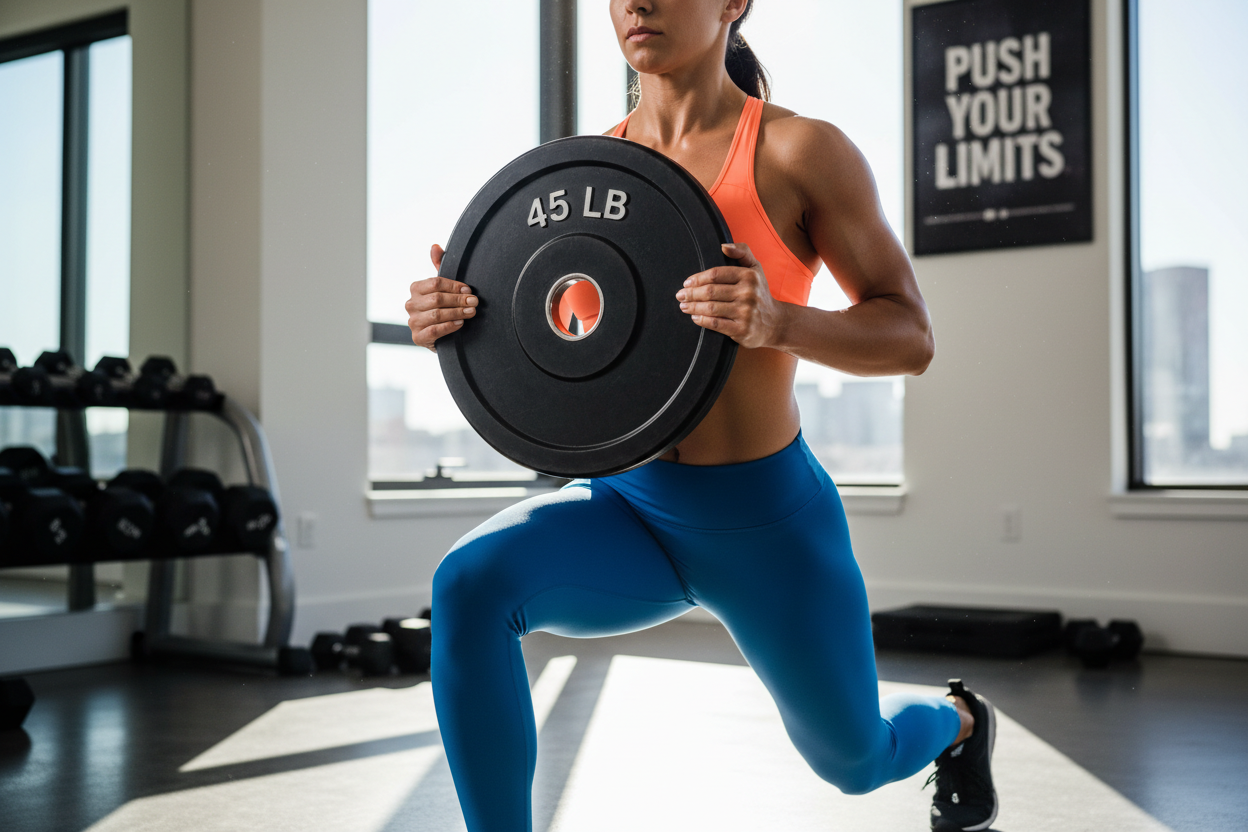
- Reverse Lunges (15 reps per leg): Step back, keeping the front shin vertical. This protects the knees while hammering the glutes.
- Glute Bridges (20 reps): Squeeze hard at the top for a full second.
- Jump Squats (15 reps): Finish with explosive power to activate fast-twitch fibers.
Rest for 90 seconds after the jump squats, then repeat for four rounds. This entire sequence takes less than 20 minutes but leaves you walking funny the next day.
The Dumbbell Demolition: A Quick Workout for Legs
When you have access to a pair of dumbbells, the game changes. You can induce mechanical tension, which is a primary driver of muscle growth. This routine focuses on the "push-pull" mechanic of the lower body—knee-dominant movements for quads and hip-dominant movements for hamstrings.
1. Goblet Squats
Hold a single heavy dumbbell against your chest. This position forces you to keep your torso upright, engaging the core while allowing for significant depth. Perform 4 sets of 10-12 reps. Control the descent for three seconds, then drive up. The anterior load acts as a counterweight, often allowing people with poor mobility to squat deeper safely.
2. Dumbbell Romanian Deadlifts (RDLs)
Immediately after the squats, move to RDLs. Keep a slight bend in your knees and hinge at the hips, pushing your glutes back as if trying to close a car door with your butt. Lower the weights until you feel a deep stretch in your hamstrings, then snap your hips forward. Do 4 sets of 12 reps.
3. Walking Lunges
Grab both dumbbells and find a stretch of floor. Walking lunges add a dynamic stability component that static lunges lack. Aim for 20 total steps (10 per leg). If your grip gives out before your legs do, use straps or just hold the weights at your sides.
Advanced Techniques for Speed
To get the most out of quick leg workouts, you can employ intensity techniques that exhaust the muscle without requiring heavy absolute loads. My favorite method is the "drop set." On your last set of goblet squats, perform as many reps as you can with your working weight. Immediately drop the weight (or switch to bodyweight) and continue rep out until failure. This ensures you have fully fatigued the muscle fibers.
Another method is the EMOM (Every Minute on the Minute). Set a timer for 10 minutes. At the start of every minute, perform 12 squats. Rest for the remainder of the minute. By minute seven or eight, that rest period feels incredibly short. This forces you to maintain form under fatigue, which builds tremendous mental grit alongside physical strength.
The Importance of the Warm-Up
Just because you are in a rush does not mean you skip the warm-up. Jumping into heavy compound movements cold is a recipe for injury, which will sideline you much longer than a skipped workout. However, your warm-up does not need to be a 15-minute treadmill slog.
Spend three minutes doing dynamic mobility work. Leg swings (front-to-back and side-to-side) loosen the hips. Bodyweight squats with a pause at the bottom open up the ankles. A few "world's greatest stretches" will prepare your thoracic spine and hip flexors. Once you break a light sweat, you are ready to go. This efficiency is central to a successful quick workout for legs.
Programming Your Week
You might wonder how to fit this into a weekly split. Because these sessions are shorter, they induce slightly less systemic fatigue than a high-volume, two-hour leg day. This actually allows for higher frequency. You could perform a quick leg day workout twice or even three times a week, varying the focus. One session could be quad-focused (squats/lunges), and the next could be posterior chain-focused (hinges/bridges).
Frequency often yields better technique mastery than volume. Doing a movement perfectly for three sets, three times a week, is often better for motor learning than doing nine sloppy sets once a week.
Common Pitfalls to Avoid
Speed should never compromise safety. The biggest mistake people make during short workouts is rushing the repetition tempo. They bounce out of the bottom of a squat or jerk the weight up during a deadlift to finish faster. This removes tension from the muscle and places it on the joints.
Maintain a controlled eccentric (lowering) phase. Even if you only have 20 minutes, make every rep count. If you rush, you utilize momentum rather than muscle, defeating the purpose of the workout. Also, ensure you are breathing. High-density training creates a massive oxygen demand. Take deep breaths into your belly between reps to stabilize your core.
Maximizing your lower body development doesn't require living in the gym. By focusing on intensity, compound movements, and strict rest periods, you can build strong, athletic legs in the time it takes most people to drive to the gym. Stop overthinking the duration and start focusing on the effort.
Frequently Asked Questions
Can I really build muscle with only 20 minutes of leg training?
Yes, provided the intensity is high enough. Muscle growth is triggered by mechanical tension and metabolic stress, both of which can be achieved in short timeframes if you reduce rest periods and push close to failure.
How often should I do a quick leg day?
Because the volume per session is lower than a traditional bodybuilding workout, you can typically train legs 2 to 3 times per week. This increased frequency helps compensate for the shorter duration of each individual session.
Do I need heavy weights for a quick workout?
Not necessarily. While weights help with progressive overload, you can increase difficulty with bodyweight exercises by adjusting tempo (slowing down), increasing reps, or decreasing rest times to keep the workout challenging.