Things in a Gym: What You Actually Need for Your Home Setup
Stepping onto the floor of a massive commercial fitness center can be intimidating. You are instantly surrounded by endless rows of steel, cables, and digital displays. If you are planning to build your own personal workout sanctuary, trying to replicate all the things in a gym is a surefire way to blow your budget and clutter your floor plan.
But if you take a step back and analyze what is in a gym, you will notice that 80% of your results come from 20% of the equipment. This guide will help you identify the essential gear so you can build a highly effective, space-efficient home setup without the commercial-grade clutter.
Key Takeaways
- Focus on versatility: Prioritize equipment like power racks and adjustable dumbbells that support multiple movement patterns.
- Cardio doesn't require a fleet: One high-quality cardio machine (like a rower or air bike) is often enough for a home setup.
- Space dictates selection: Always measure your ceiling height and floor space before buying bulky machines.
- Accessories matter: Resistance bands, high-density mats, and a solid bench are the unsung heroes of any fitness space.
Decoding the Iron: Core Strength Equipment
When you categorize the things you would find in a gym, strength equipment usually takes up the largest footprint. For a home setup, versatility is your best friend.
Racks, Benches, and Free Weights
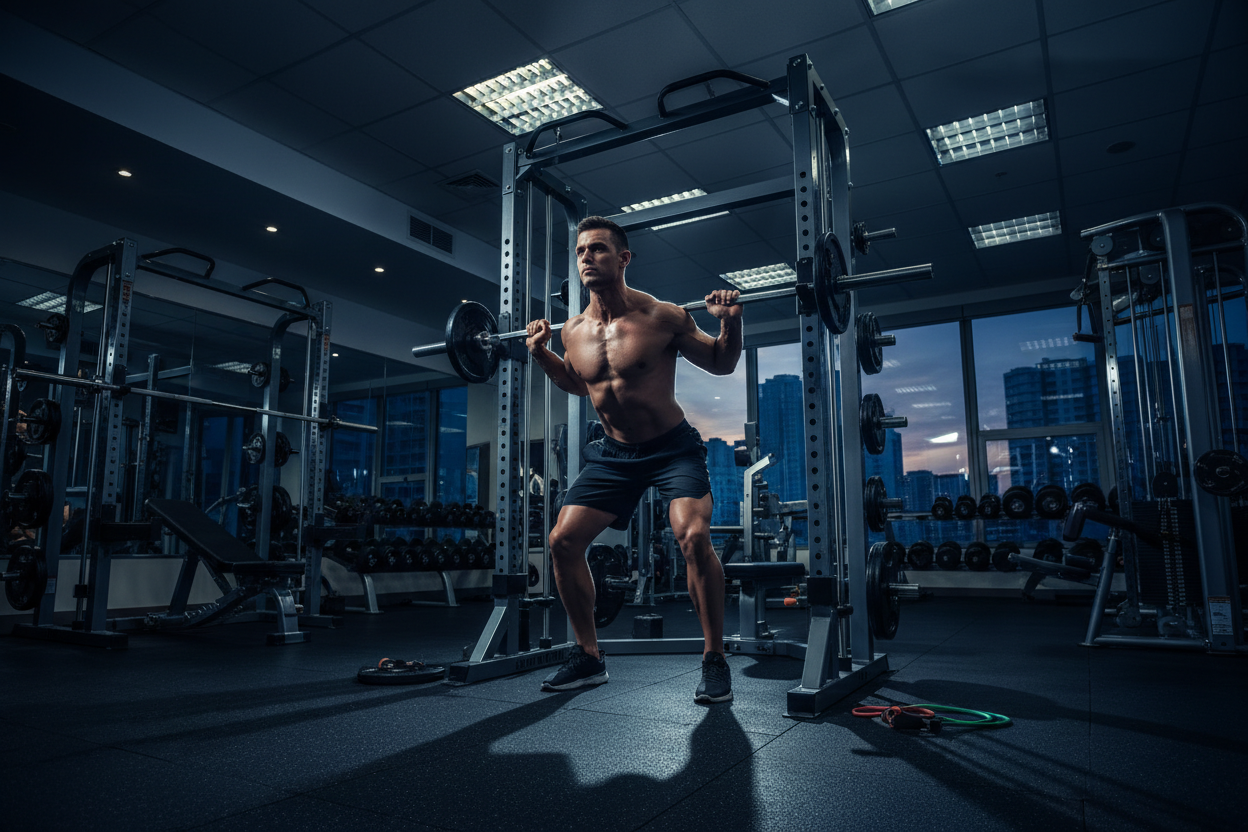
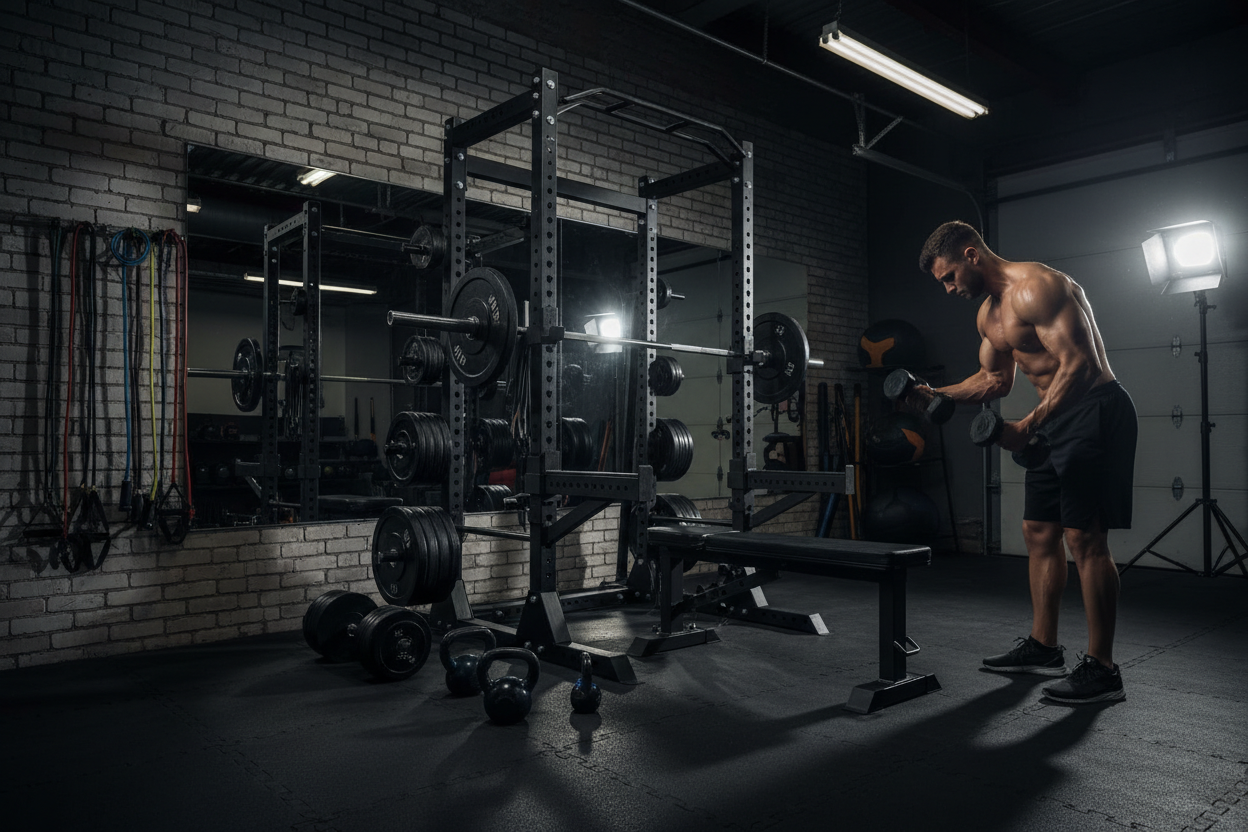
The cornerstone of any serious strength space is a power rack or half rack. Paired with an adjustable flat-to-incline bench, a rack allows you to safely execute heavy squats, bench presses, and overhead work. Instead of buying a dozen fixed-weight dumbbells, invest in a premium set of adjustable dumbbells. They replace an entire rack of weights, saving you precious square footage while offering the exact same muscle-building stimulus.
The Cardio Corner: Machines That Matter
Commercial facilities dedicate massive square footage to treadmills, ellipticals, and stair climbers. When looking at these things in the gym, it is easy to think you need one of each to get a good workout.
Choosing Your Engine
For home gyms, we recommend selecting one primary cardio machine that fits your training style. A concept-style rower or an air bike offers full-body conditioning with a relatively small footprint. If you prefer running, look for a folding treadmill with a durable deck and a motor rated for at least 3.0 CHP to ensure it withstands daily abuse without eating up your entire room.
Space Planning: Fitting It All In
You might love all the specialized things you find in a gym, like dedicated leg press machines or seated calf raises, but space is the ultimate luxury at home.
Garage vs. Spare Bedroom Setups
A standard two-car garage offers roughly 400 square feet, which is plenty of room for a power rack, deadlift platform, and a cardio piece. However, if you are working with a 10x10 spare bedroom, you need to think vertically. Wall-mounted folding racks and compact functional trainers can give you a commercial-grade workout without permanently sacrificing your guest room. Always account for at least 24 inches of clearance around your primary lifting zones.
From Our Gym: Honest Take
When I first started outfitting my own two-car garage, I made the classic mistake of trying to replicate every single machine from my local big-box club. I bought a massive, fixed-cable crossover that ended up eating a third of my floor space. It looked impressive, but I found myself constantly bumping into it while trying to load my barbell for squats.
After six months, I sold it and replaced it with a plate-loaded functional trainer that sits flush against the wall. The lesson? Don't buy gear just because it looks cool. Buy gear that serves multiple purposes and fits your actual daily training routine. My current setup is built around a heavy-duty 3x3-inch steel power rack, and I haven't missed the commercial gym once.
Frequently Asked Questions
What are the most essential things in a gym setup?
The absolute essentials include a power rack, an adjustable bench, a high-quality barbell with bumper plates, and a set of adjustable dumbbells. These core pieces allow you to train every major muscle group safely and effectively.
How much space do I need for a basic home gym?
You can build a highly functional home gym in as little as 100 to 150 square feet (about the size of a small bedroom). This provides enough room for a squat rack, a bench, and a small area for floor work or a single cardio machine.
Is commercial gym equipment better than home gym gear?
Not necessarily. While commercial gear is built to withstand thousands of users a week, high-end home gym equipment is often made with the exact same 11-gauge steel and heavy-duty upholstery. For a single user or family, premium home gym gear will easily last a lifetime.