The Workout Schedule Beginner Guide to Gym Zones
Imagine walking into a packed commercial gym at 5:30 PM. The free weight area is a chaotic mess of dropping plates, the cardio deck is humming loudly, and you are just trying to figure out where to stand without getting in someone's way. I have seen countless clients freeze in this exact scenario. When you are just starting out, the anxiety of simply navigating the floor can completely derail your progress. That is why creating a solid workout schedule beginner routine isn't just about picking the right exercises; it is about managing your physical space.
Instead of a traditional routine that bounces you from a treadmill to a dumbbell rack and over to a cable tower, I teach a method called 'Zone-Blocking'. We pick one physical area of the gym, and you stay there. It builds confidence, eliminates wandering, and lets you focus entirely on the movement.
Quick Takeaways for Zone-Blocking
- Eliminate transit time: Staying in one area prevents the anxiety of walking across a crowded gym floor.
- Master the machines first: Fixed paths allow you to learn muscle engagement safely.
- Define your home space: Even a 6x6 foot area with a mat is enough to build a permanent workout zone.
- Stick to a 3-day split: Rest days are crucial for your nervous system to adapt to new stimuli.
The Real Reason Your First Gym Routine Feels Overwhelming
Most standard beginner workout plans for the gym are written by people who forgot what it feels like to be new. They will tell you to do a barbell squat, immediately superset it with a lat pulldown, and then finish with a dumbbell lunge. Do you know what that requires? Claiming three different pieces of equipment across 3,000 square feet of crowded gym floor.
Effective gym planning for beginners has to account for environmental intimidation. When you are forced to cross the room five times, you feel like everyone is watching you. You waste time searching for 15-pound dumbbells while your heart rate drops, and the mental load of remembering seat settings and form cues becomes too much. The 'pinball effect' of bouncing between machines and free weights is the number one reason my new clients used to quit after two weeks.
By eliminating the transit time, you eliminate the anxiety. You need a setup that respects your mental bandwidth. When you don't have to worry about navigating a maze of benches and mirrors, you can actually focus on the physical work.
Understanding the Zone-Blocking Method
Zone-blocking is exactly what it sounds like. We map your beginner program gym routine to specific square footage in the facility. If it is Machine Day, you don't touch a free weight. If it is Mat Day, you don't look at a machine. This approach creates strict physical boundaries that protect your focus.
When you walk through the doors, you know exactly where you are heading. You don't have to scan the entire room to see what is available. A successful program in gym beginner stages relies heavily on habit formation and micro-environments. When your brain associates a specific physical space with a specific task, the friction of starting your workout drops to near zero.
Think of it like setting up a home office. You wouldn't scatter your laptop, printer, and files across three different rooms. You consolidate them so you can sit down and work. Your gym routine should operate with that exact same efficiency. You step into your zone, you execute your sets, and you leave feeling accomplished instead of flustered.
Defining Your Workout Areas
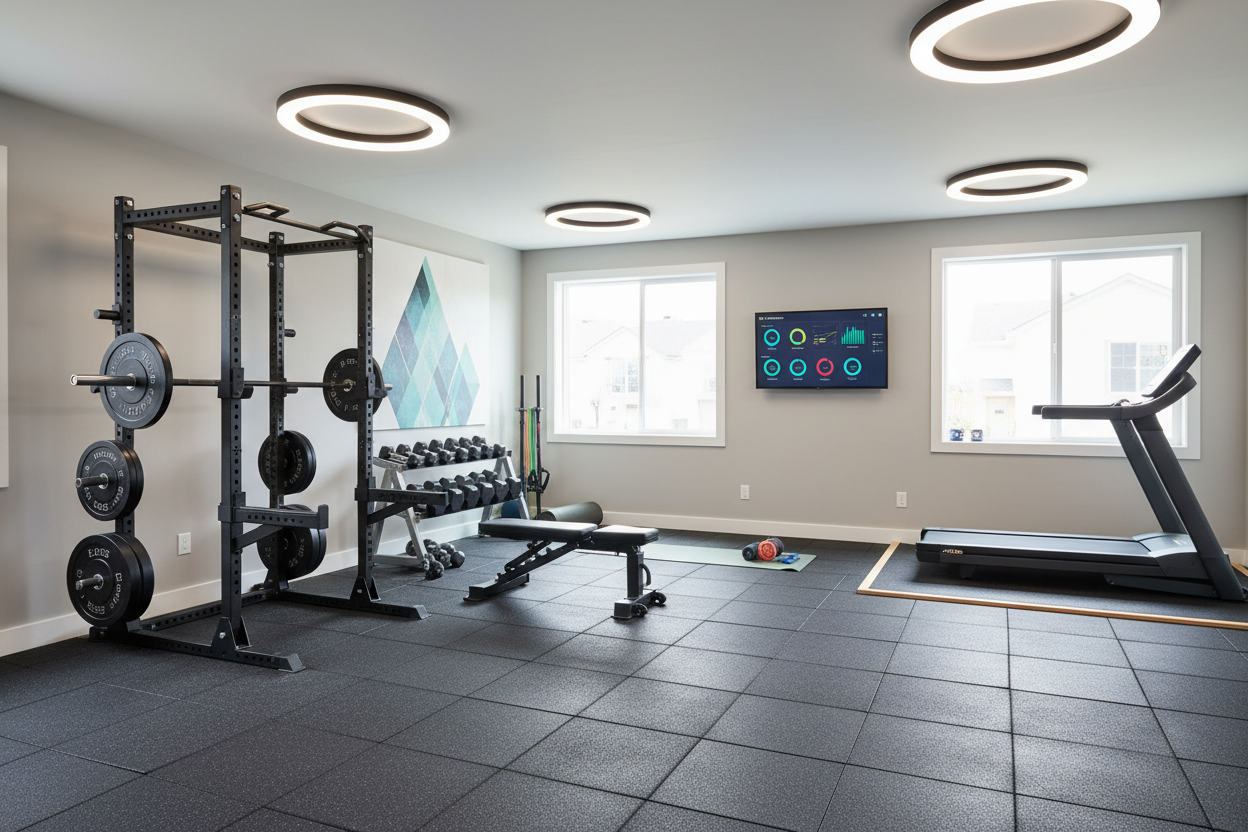
Every facility, whether it is a massive commercial chain or a two-car garage setup, can be broken down into distinct zones. For a standard gym fitness program for beginners, we focus on three main areas: the Machine Zone, the Floor Zone, and the Free Weight Zone.
The Machine Zone is your anchor. These selectorized stations guide your movement path, meaning you don't have to worry about balancing the weight while you learn how to engage your muscles. I always have clients start by mastering beginner gym workout machines because it provides a safe, controlled environment for applying tension. You adjust the seat, pull the pin to select 30 pounds, and push. There is no guesswork involved.
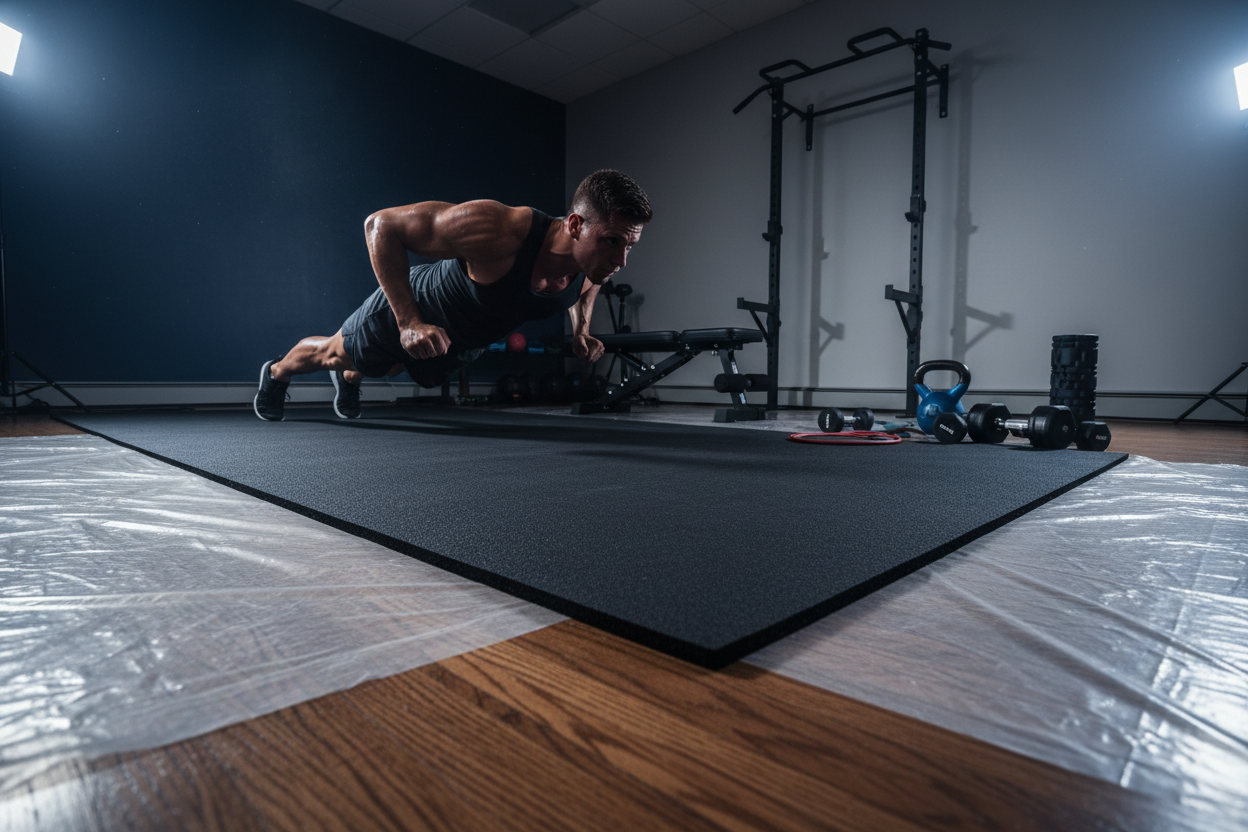
Next is the Floor Zone. This is where you handle core work, mobility, and bodyweight stability. If you are building a home setup, you don't need a massive footprint for this. A dedicated 6x6 foot space is plenty. I always recommend laying down a large exercise mat to define this area permanently. Having that dedicated, high-density flooring signals to your brain that it is time to work, even if you are just doing bodyweight glute bridges in your living room.
Finally, there is the Free Weight Zone. This area is usually the most intimidating, filled with adjustable benches and dumbbell racks ranging from 5 to 100 pounds. We only integrate this zone once you own the movements in the first two areas, ensuring you enter it with confidence and mechanical control.
The 3-Day Workout Schedule Beginner Routine
To put this into practice, I have structured a three-day gym beginner workout plan that keeps you locked into specific zones. This prevents the dreaded gym wandering and ensures you hit every major muscle group efficiently. Run this schedule with at least one rest day between sessions, like a Monday, Wednesday, and Friday split.
Day 1: The Machine Zone
Your first day is entirely machine-based. This program for gym workout beginner clients focuses on compound movements with zero balance requirements. You will stay in the machine circuit for about 40 minutes, moving systematically from station to station.
A solid beginner gym machine workout looks like this:
- Seated Leg Press: 3 sets of 10-12 reps (Rest 60 seconds)
- Chest Press Machine: 3 sets of 10-12 reps
- Seated Cable Row: 3 sets of 12 reps
- Leg Extension: 3 sets of 15 reps
Keep the weight moderate. If the stack goes up to 200 lbs, start at 30 or 40 lbs. The goal is feeling the target muscle stretch and contract, not heaving the entire stack.
Day 2: The Floor and Core Zone
Day two gives your joints a break from heavy loading and focuses on stability. For this gym workout guide for beginners, you only need a mat and your own body weight. You will stay entirely on the floor.
These beginner gym sets are designed to build core endurance and hip stability:
- Bird-Dogs: 3 sets of 10 reps per side
- Glute Bridges: 3 sets of 15 reps (hold at the top for 2 seconds)
- Modified Plank: 3 sets of 20-30 second holds
- Dead Bugs: 3 sets of 10 reps per side
If you are doing this at home, a 6x4ft exercise mat provides enough surface area so your knees and elbows never hit the hard floor during transitions.
Day 3: The Integration Zone
On the third day, we bridge the gap. This session of your beginners gym training program combines safe machine work with light, isolated free weights.
- Goblet Squat (using a single 10-15 lb dumbbell): 3 sets of 10 reps
- Lat Pulldown Machine: 3 sets of 12 reps
- Dumbbell Romanian Deadlift (using two 10 lb dumbbells): 3 sets of 10 reps
- Overhead Machine Press: 3 sets of 10 reps
You grab your dumbbells, bring them to your machine station, and stay put. No wandering required.
How to Advance Your Schedule After Four Weeks
After four weeks of executing this gym exercise program for beginners, your nervous system will adapt. The 30-pound chest press will feel light, and your planks will feel rock solid. That is exactly when you need to evolve your gym training programme for beginners.
You advance by increasing the resistance through progressive overload or by migrating exercises into the free weight zone. For example, you might swap the machine chest press for a dumbbell flat bench press using 15-pound weights. The zone-blocking rule still applies, but your designated zones simply shift to accommodate your new strength levels.
My Experience Testing Zone-Blocking Equipment
I have built dozens of garage and basement gyms for clients, and I always test the gear myself. Recently, I set up a client's Floor Zone using a set of 5-52.5 lb adjustable dumbbells and a thick, high-density mat. The dumbbells were a massive space saver for a 10x10 spare bedroom, but I will be honest about the downside: the locking mechanism on the adjustable handles rattles slightly during fast movements like goblet squats. It is a minor annoyance, but the trade-off for saving rack space is completely worth it. By keeping her entirely on that mat for Day 2 and Day 3 workouts, her consistency skyrocketed because the setup was frictionless.
Final Thoughts on Building Your Gym Habit
Commit to this zone-blocked gym workout routine beginner schedule for exactly four weeks. Do not add extra arm days. Do not throw in random exercises you saw on social media. Stick to the zones, log your weights, and focus purely on showing up. Consistency in a small, defined area will always outperform a complex routine you abandon after a week.
Frequently Asked Questions
How long should a beginner's workout last?
Keep your sessions between 35 and 45 minutes. Anything longer usually leads to central nervous system fatigue, sloppy form, and burnout. The zone-blocking method helps you stay within this timeframe by cutting out the time wasted walking around.
Should I do cardio before or after my zone workouts?
Always do your heavy lifting or core work first when your energy reserves are highest. Save the treadmill or stationary bike for 10-15 minutes at the end of your session.
What if someone is using the machine I need in my zone?
Have one backup machine ready in your head. If the seated leg press is taken, pivot immediately to the leg extension machine. Staying in your zone means adapting to what is immediately available within arm's reach.