The Underrated Beachbody Mat Feature Saving Your Knees
You are three rounds into a high-intensity interval session. Your lungs are burning, but that isn't the problem. The problem is your tailbone grinding against the hardwood floor during boat pose, or your knees screaming every time you drop into a modified push-up. This is where the right gear stops being a luxury and becomes a necessity. Specifically, the beachbody mat.
Many home fitness enthusiasts assume a standard yoga mat covers all bases. That is a mistake. If you are following programs like P90X, Insanity, or 21 Day Fix, standard mats often lack the density required for high-impact plyometrics or the specific cushioning needed for repetitive core work. Let’s break down why this specific piece of equipment might be the missing link in your recovery and performance.
Key Takeaways: Quick Summary
- Not a Standard Yoga Mat: Beachbody mats, specifically the Core Comfort Mat, are significantly thicker (approx. 1.5 cm) than standard 3mm yoga mats to protect vertebrae.
- Impact Absorption: The larger Beachbody workout mat (Jump Mat) is designed to reduce joint strain during plyometric movements, not just for stretching.
- Portability vs. Stability: The "minimat" is designed to slide away easily, making it perfect for hybrid workouts where you switch between standing and floor moves rapidly.
- Durability: These mats are engineered to withstand sneakers and lateral friction, unlike yoga mats that tear under cross-training stress.
Why Your Yoga Mat Isn't Cutting It
There is a fundamental difference between a beachbody yoga mat and the specialized mats designed for HIIT and calisthenics. Yoga mats are designed for grip and proprioception (feeling the floor). They are usually thin and sticky.
However, when you are doing "Ab Ripper X" or hundreds of crunches, a thin mat offers zero protection for your lumbar spine. This leads to bruising and, eventually, poor form because you are subconsciously adjusting your body to avoid pain rather than engaging the muscle.
The Core Comfort Mat Advantage
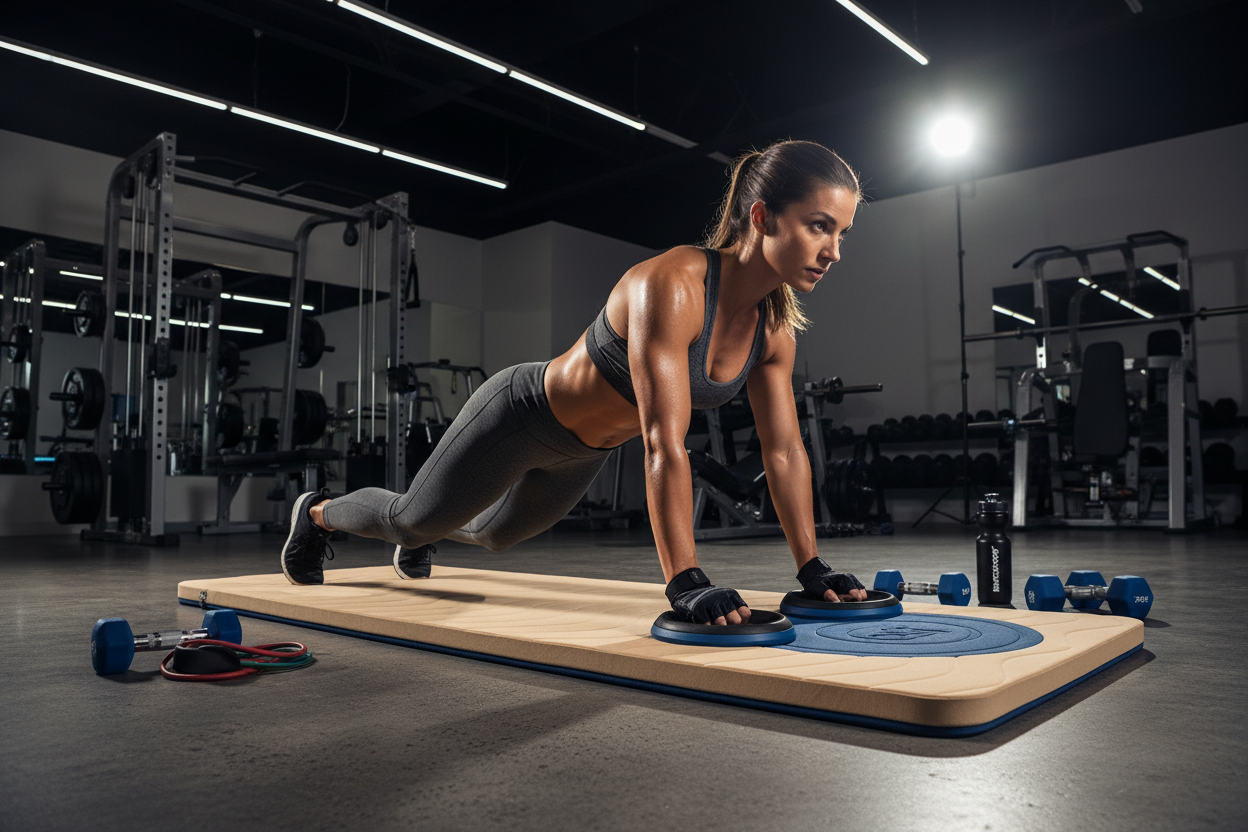
The beachbody core comfort mat (often referred to by veterans as the beachbody minimat) addresses this specific gap. It is not full length. It is a dense, high-grade foam pad roughly the size of your torso.
The science here is density over surface area. By concentrating the cushioning only where your hips and spine contact the floor, you maintain stability in your hands and feet (which remain on the stable floor) while protecting your skeletal structure. This isolation allows you to push harder during core movements because the pain variable is removed.
The "Jump Mat" Factor
On the other end of the spectrum is the full-sized beachbody workout mat, often called a Jump Mat. If you are training on concrete (garage gym) or tile, this is non-negotiable.
High-impact jumping creates shockwaves that travel up the tibia to the knee. A proper shock-absorbent mat dissipates that energy. Unlike a squishy Pilates mat, a Jump Mat is firm. This firmness prevents your ankle from rolling during lateral movements—a common injury risk when doing cardio on too-soft surfaces.
Common Mistakes When Choosing a Mat
Don't fall into the trap of buying the thickest mat you can find. A 1-inch thick generic foam mat feels nice to lie on, but it is terrible for balance. If you try to stand on one leg or do a squat on a super-thick mat, the instability forces your ankles to overcompensate.
The core comfort mat hits the sweet spot: thick enough to stop the floor from hurting your spine, but dense enough that you don't sink into it like a memory foam mattress.
My Training Log: Real Talk
I want to share my personal experience with the beachbody mat, specifically the Core Comfort version. I bought my first one years ago when I was struggling through the second month of a heavy cardio program. I was using a folded-up towel for back support, which was a disaster—it kept sliding out from under me during V-ups.
When I finally got the official mat, the first thing I noticed wasn't just the cushioning—it was the texture. It has this ribbed surface that feels a bit weird against bare skin at first, almost too grippy. But once the sweat started pouring, I understood why. It doesn't become a slip-and-slide like smooth foam does.
However, I have to be honest about one annoyance: the "minimat" is light. If you catch it with your sneaker during a mountain climber, you will kick it across the room. I learned the hard way that you have to place it precisely before dropping down. But the trade-off? I stopped having that bruised sensation on my tailbone that used to linger for two days after a workout. That alone made it worth the investment.
Conclusion
Investing in a proper beachbody mat isn't about brand loyalty; it's about biomechanics. Whether you need the core comfort mat to save your spine during crunches or a full-sized mat for plyometrics, matching the gear to the activity extends your longevity in the fitness game. Stop modifying your workouts to avoid floor pain and start using the right foundation.
Frequently Asked Questions
Can I use the Core Comfort Mat for Yoga?
Not really. The core comfort mat is too short for a full yoga flow (your head or feet would hang off) and too thick for balancing poses. It is strictly a specialized tool for floor-based core work and stretching.
How do I clean my Beachbody workout mat?
Because these mats have a textured surface, sweat can get trapped in the ridges. Use a mixture of water and a small amount of mild dish soap. Wipe it down and let it air dry completely. Avoid harsh chemicals that can break down the density of the foam.
Is the Beachbody mat better than a generic thick foam mat?
Generally, yes, due to material density. Generic "thick" mats often compress too easily, meaning you hit the floor anyway once you put weight on them. The Beachbody version maintains its structural integrity under pressure, providing consistent protection.