The Ultimate Leg Day Blueprint: Building Balanced Quads, Glutes, Hamstrings, and Calves
Leg training is often oversimplified into just squatting heavy and going home. While the squat is king, building a truly aesthetic and functional lower body requires a more calculated approach. You need to target the entire musculature of the leg, ensuring structural balance between the anterior (front) and posterior (back) chains. A complete lower body session must address the quads glutes hamstrings and calves with equal intensity to prevent injury and maximize growth.
To answer the core question of how to train these muscles effectively: you need a mix of compound movements for mass and isolation exercises for detail. A balanced routine typically starts with a heavy knee-dominant movement (like squats), moves to a hip-dominant movement (like deadlifts), and finishes with isolation work for the hamstrings and calves. Neglecting any one of these areas leads to the classic "chicken leg" syndrome or, worse, knee and lower back pain caused by muscle imbalances.
Understanding the Anatomy of a Perfect Leg Day
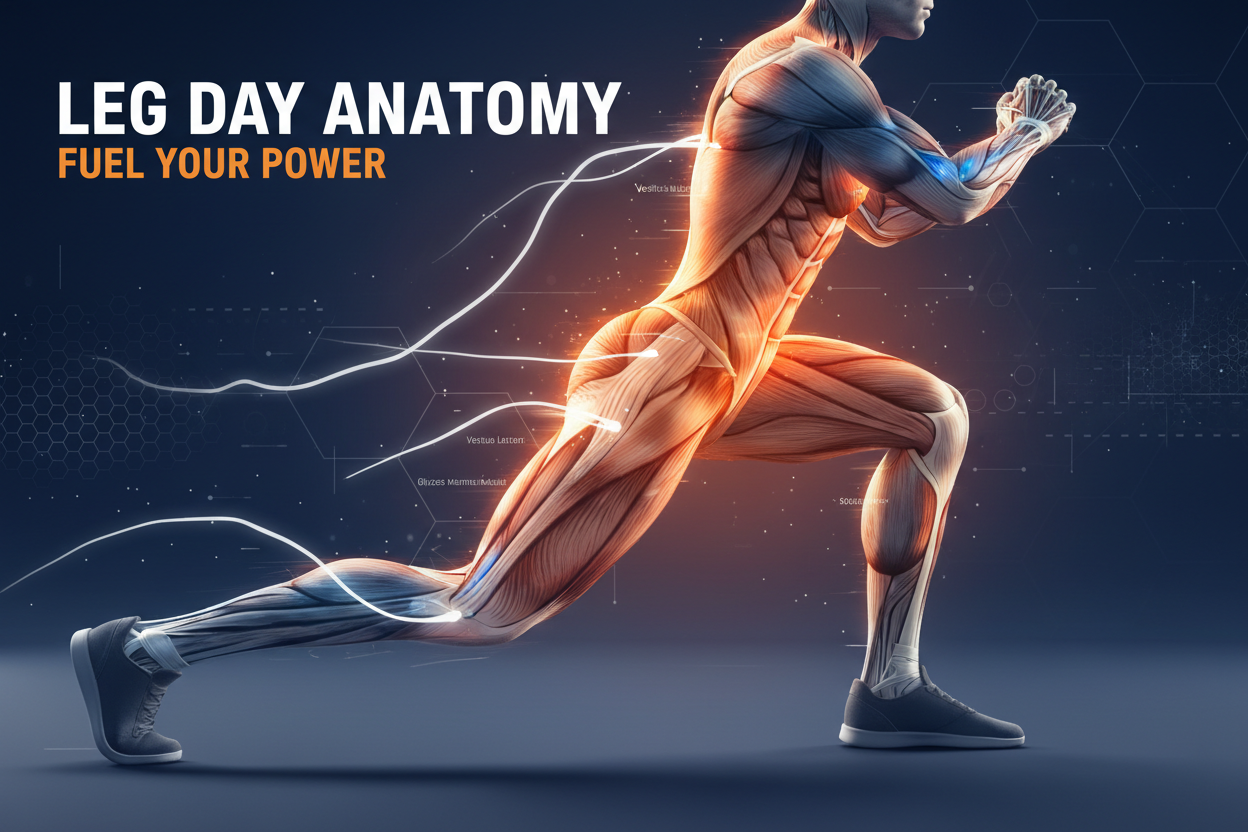
Before jumping into the sets and reps, it helps to know what you are actually trying to stimulate. The quadriceps are the large muscles on the front of the thigh, responsible for extending the knee. The hamstrings, located on the back, are responsible for knee flexion and hip extension. The glutes are the powerhouse of the hips, driving movement, while the calves (gastrocnemius and soleus) handle ankle mobility and stability.
Most people are quad-dominant because everyday life involves a lot of walking and standing, which naturally engages the front of the leg. This is why a well-structured glutes quads hamstrings and calves workout needs to prioritize the posterior chain—the back of the legs—just as much as the front. If your quads are overpowering your hamstrings, you put tremendous shear force on your ACL and knee joints.
The Heavy Hitter: Gym-Based Full Leg Routine
If you have access to a gym, you have the advantage of incremental loading. This routine hits every major muscle group. The goal here is mechanical tension.
1. Barbell Back Squat
This is the foundation. While primarily a quad exercise, going to parallel or below activates the glutes significantly. Keep your chest up and drive through the mid-foot.
2. Romanian Deadlifts (RDLs)
This is arguably the best movement for the posterior chain. It stretches the hamstrings under load and builds the glutes. Keep a slight bend in the knees and push your hips back as far as possible.
3. Walking Lunges
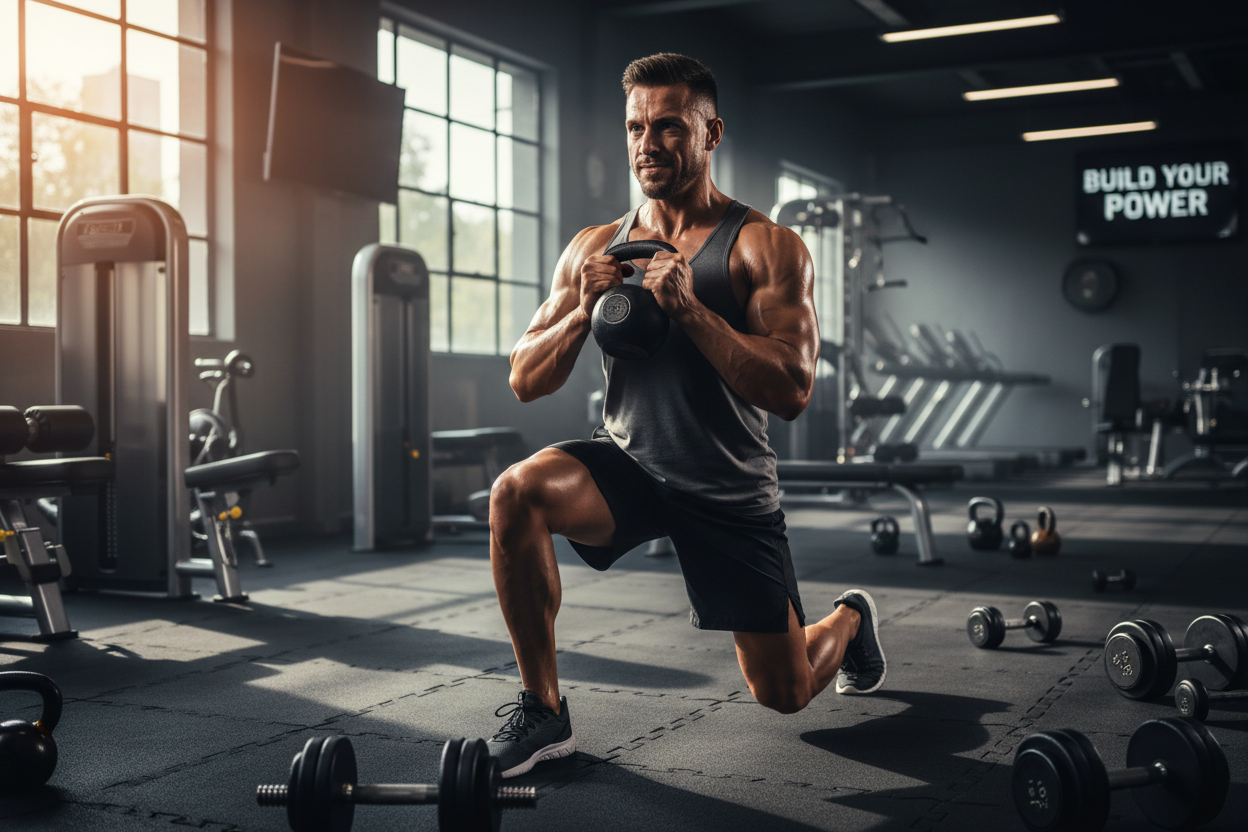
Lunges are excellent for uncovering imbalances between your left and right sides. They function as a comprehensive quads glutes hamstrings and calves exercise depending on your step length. A longer stride targets the glutes and hams; a shorter stride torches the quads.
4. Seated or Lying Leg Curls
You cannot build complete hamstrings with hip hinging alone; you need knee flexion. Squeeze hard at the contraction point.
5. Standing Calf Raises
Don't bounce. A full stretch at the bottom and a hard contraction at the top are vital for calf growth.
No Gym? No Problem: The Home Variation
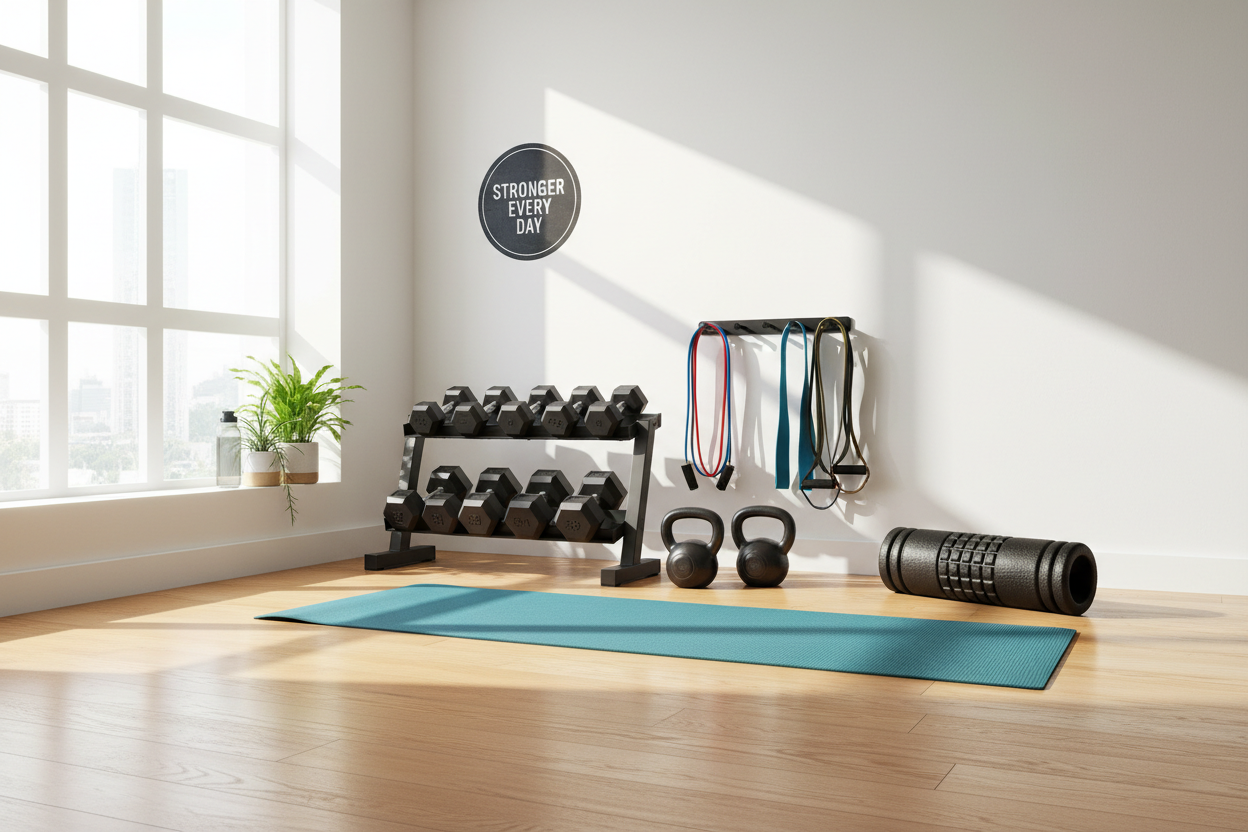
You do not need a squat rack to see progress. A glutes quads hamstrings and calves workout at home relies on high volume, time under tension, and unilateral (single-leg) training to increase intensity without heavy iron.
Start with Bulgarian Split Squats. This exercise is humble but brutal. By elevating your rear foot on a couch or chair, you place the entire load on the front leg. It engages the stabilizers in the glutes and quads intensely. If you lean your torso forward slightly, you will feel more glute activation; stay upright to bias the quads.
Follow this with Single-Leg Glute Bridges. Lie on your back, one foot flat on the floor, the other in the air. Drive your hips up. This isolates the glutes and hamstrings without putting pressure on the lower back. For the calves, do single-leg calf raises on a stair step. Because you are only lifting body weight, aim for higher reps—20 to 25 per leg—focusing on a slow tempo.
Targeting the Posterior Chain
Sometimes your quads are already well-developed, but the back of your legs is lagging. In this case, you might want a specialized glutes hamstrings and calves workout that puts the quads on the back burner. This is often necessary for desk workers who suffer from "glute amnesia" (weak glutes from sitting all day) and tight hip flexors.
For this focus, swap out the squats for Hip Thrusts. The hip thrust allows for maximum glute contraction at the top of the movement without being limited by lower back strength. Follow this with Nordic Hamstring Curls or Swiss Ball Curls. These exercises are incredibly challenging and bulletproof the hamstrings against tears. Finish with seated calf raises to target the soleus muscle, which sits underneath the larger calf muscle and adds width to the lower leg.
A Lesson Learned the Hard Way
Early in my training, I was obsessed with how much weight I could push on the leg press. My quads were huge, but my hamstrings were virtually non-existent. I didn't realize the imbalance until I strained a hamstring while sprinting to catch a bus. It was a minor athletic movement, but my body couldn't handle the force absorption. That injury forced me to completely rethink my programming.
I spent the next six months prioritizing what I couldn't see in the mirror. I started every leg session with hamstring curls to pre-exhaust the back of my legs before touching a squat rack. This shift not only fixed my knee pain but actually improved my squat numbers because my base of support was stronger. Balancing the strength ratio between the front and back of the leg isn't just about looks; it is the primary insurance policy against lower body injuries.
The Athletic Approach: Speed and Stability
Athletes often require a different stimulus than bodybuilders. An athletic quads hamstrings and calves workout focuses less on maximum hypertrophy and more on explosive power and joint stiffness (the good kind that aids running). Glutes are obviously involved, but the focus shifts to how the leg interacts with the ground.
Plyometrics are essential here. Box Jumps and Jump Squats teach the quads and glutes to fire rapidly. For the lower leg, Pogo Hops (jumping using only ankle flexion) condition the calves and Achilles tendon to act like springs. This type of training improves your vertical jump and sprinting speed, making your legs functional rather than just decorative.
Programming and Recovery
Leg training is taxing on the central nervous system. Because the legs house the largest muscle groups in the body, they require significant fuel to recover. If you are hitting a full glutes quads hamstrings and calves workout with high intensity, you likely only need to do it twice a week. This frequency allows for 48 to 72 hours of recovery between sessions, which is the sweet spot for protein synthesis.
Don't ignore mobility. Tight ankles can ruin your squat depth, and tight hip flexors can shut down your glutes. Incorporate dynamic stretching before you lift and static stretching after you are done. Foam rolling the quads and IT bands can also help alleviate the knee tension that often comes with high-volume leg training.
Frequently Asked Questions
Should I train calves every day to make them grow?
While calves recover quickly, training them every day is usually overkill and can lead to Achilles tendonitis. A better approach is to train them 3-4 times a week with higher volume and a focus on a deep stretch at the bottom of every rep.
Can I build big legs with just bodyweight exercises?
Yes, but you will eventually hit a plateau if you don't increase the difficulty. To continue growing without weights, you must use progressive overload techniques like increasing reps, decreasing rest times, performing single-leg variations, or slowing down the tempo of each rep.
Why do I feel squats only in my quads and not my glutes?
This is often due to stance width and depth. A narrow stance biases the quads, while a wider stance recruits more glutes. Additionally, if you aren't squatting to at least parallel, your glutes aren't being fully engaged; try widening your feet slightly and focusing on sitting "back" rather than just down.