Stop Splitting Days: The Ultimate Guide to a Killer Legs and Core Workout
Most people treat their midsection and their legs as two completely different projects. You have your heavy leg day on Tuesday, and maybe you throw in a quick ab circuit on Friday if you have time. But biomechanically, separating these muscle groups is a mistake. Your core is the transmission engine for your lower body. Without a stiff, strong trunk, your legs cannot generate maximum force, and your lower body lifts will suffer. Combining these areas into a single session isn't just about saving time; it is about training your body the way it was designed to move.
Integrating a legs and core workout creates a metabolic demand that torches calories while building functional strength. When you force your abs to stabilize a heavy load while your legs drive the movement, you create a stimulus that isolation exercises simply cannot match. If you are looking for the most efficient way to build power, improve balance, and develop a lean physique, merging your lower body and abs workout into one cohesive routine is the answer.
Why Your Legs Need Your Abs (and Vice Versa)
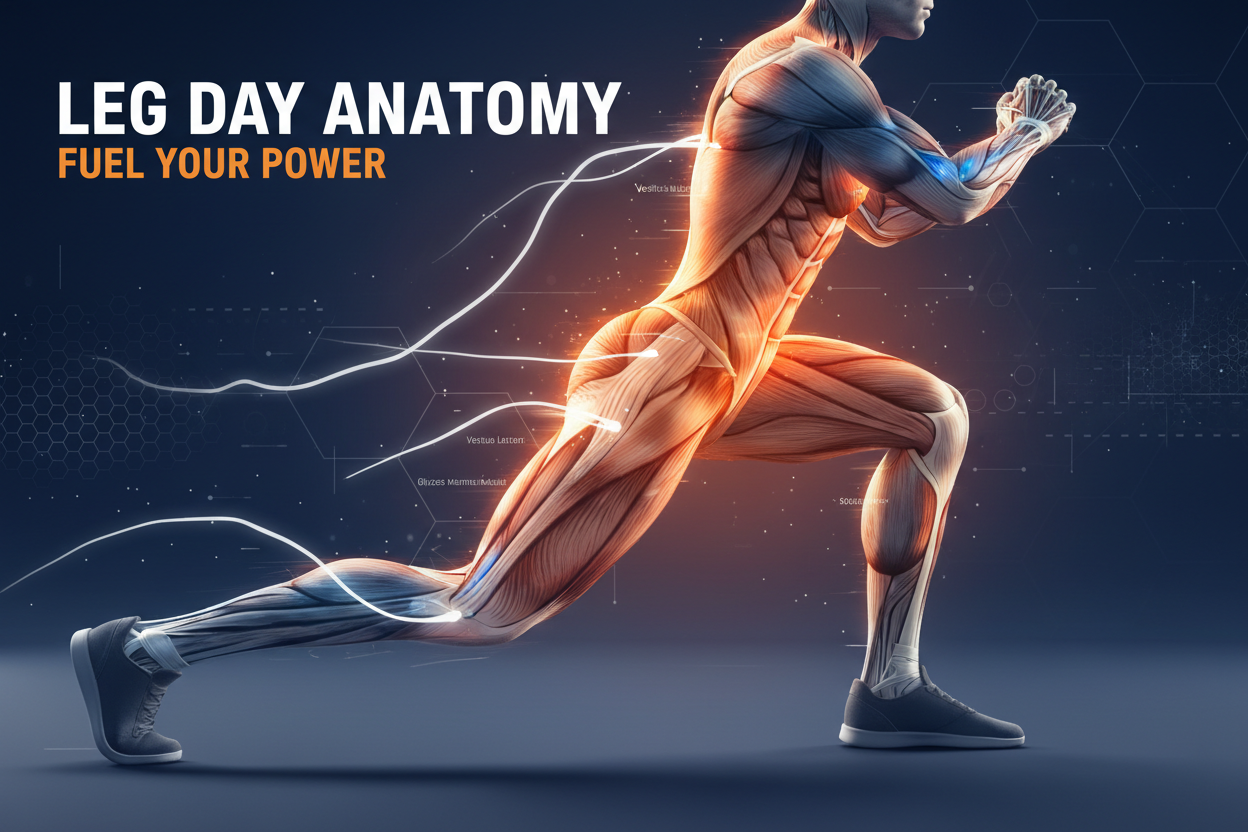
Think of your body as a kinetic chain. Energy generated from the ground up—through your feet, ankles, knees, and hips—must pass through your core to be useful. If your core is weak, that energy leaks, leading to poor performance and a higher risk of injury. Good leg and core workouts acknowledge this relationship. When you squat, your abs and spinal erectors fight to keep your torso upright. When you lunge, your obliques prevent you from tipping over. These are essentially core exercises for legs, meaning the core works to facilitate leg movement.
I learned this lesson the hard way a few years ago. I was chasing a new personal best on my back squat. I had the leg strength to move the weight, but every time I hit the bottom of the movement, my chest would collapse forward. My legs weren't the failure point; my core was. I shifted my training philosophy entirely, moving away from machines and toward free-weight core and leg exercises that demanded total body tension. Within six weeks, my squat numbers shot up, but more importantly, my chronic lower back nagging disappeared. That experience cemented my belief that a lower body core workout is superior to isolation training for general population athletes.
The Best Compound Movements for Core and Legs
You don't need to invent complicated movements to hit these areas. The most effective exercises for core and legs are likely already in your library, but you might need to tweak how you perform them to maximize engagement.
The Goblet Squat
This is arguably the king of core leg workout moves. By holding a kettlebell or dumbbell at chest height, you force your anterior core (your six-pack muscles) to work overtime to prevent your torso from falling forward. It turns a standard leg movement into a massive abdominal challenge.
Unilateral Romanian Deadlifts (RDL)
Single-leg work is non-negotiable for a complete lower body and ab workout. When you take one leg off the ground, your stabilizers fire up instantly. The single-leg RDL targets the hamstrings and glutes while forcing the deep core muscles to fight rotational forces. It is one of the premier thigh and core workouts for runners and hikers.
Walking Lunges with Overhead Carry
If you want to feel your entire midsection light up, take a heavy dumbbell, press it overhead, and start lunging. This variation raises your center of gravity, making stability much harder to maintain. It is a brutal but effective core and lower body workout finisher.
Designing Your Core Leg Workout Routine
To get the most out of this training style, structure your session to alternate between heavy compound lifts and stability-focused movements. This keeps the heart rate high and ensures you aren't fatigued for the big lifts. Here is a sample workout for core and legs designed for intermediate lifters.
The Circuit Structure
Perform the following exercises in a circuit or super-set fashion. Rest for 60 seconds between rounds. Aim for 3 to 4 rounds total.
- 1. Front Squats or Goblet Squats: 8-10 reps. The front-loaded weight acts as a counterbalance but requires immense abdominal bracing. This is a foundational core leg exercise.
- 2. Hanging Leg Raises: 10-12 reps. Immediately after compressing the spine with squats, decompress it by hanging from a bar. Lift your legs using your abs, not momentum. This directly targets the lower abs and hip flexors.
- 3. Reverse Lunges with Twist: 12 reps per side. Hold a medicine ball or weight plate. Step back into a lunge and rotate your torso over the front leg. This integrates rotational power into your core and lower body exercises.
- 4. Plank Drag-Throughs: 10 reps per side. Get into a high plank position with a sandbag or dumbbell to your side. Reach under your body with the opposite hand and drag the weight across. This anti-rotational movement is excellent for lower body and abs stability.
Advanced Integration: Lower Body and Abs
Once you master the basics, you can start blending movements even more aggressively. Thrusters (a deep squat into an overhead press) or kettlebell swings are fantastic core lower body exercises that rely on explosive power. The key with these dynamic movements is breathing. You must learn to brace your core before you move and exhale on the exertion. This internal pressure protects your spine during intense legs core sessions.
Another often overlooked aspect is the role of the adductors (inner thigh muscles) in core activation. Squeezing your legs together activates the pelvic floor and deep abdominal wall. You can utilize this by placing a yoga block or foam roller between your thighs during planks or leg lowers. This small adjustment turns a standard ab move into a comprehensive core and lower body workout.
Common Mistakes to Avoid
When combining these muscle groups, fatigue management becomes critical. Since your core stabilizes your spine, if your abs give out before your legs do, you risk injury. Always perform your heaviest, most dangerous lifts (like heavy barbell squats or deadlifts) at the start of the workout when your core is fresh. Save the direct high-repetition ab work for the end of the session.
Additionally, avoid using momentum. In many core exercises for legs, such as leg raises or mountain climbers, it is easy to swing the body to achieve the rep count. This bypasses the muscle tissue you are trying to build. Slow down. Control the eccentric (lowering) phase of the movement. The magic of a lower body core workout happens under tension, not speed.
Consistency is Key
Building a body that is connected and functional takes time. You might find that your weights drop slightly when you first switch to strict form that emphasizes core engagement. That is normal. You are trading ego lifting for actual structural integrity. Over time, your numbers on the big lifts will surpass your previous bests because you have eliminated the weak link in the chain. Whether you call it a core leg workout or a functional stability session, the goal remains the same: a stronger, more resilient body capable of handling whatever physical challenges life throws at it.
Frequently Asked Questions
Can I train legs and core together every day?
No, you should not train these muscle groups with high intensity every day. Legs are large muscle groups that require 48 to 72 hours to fully recover after a heavy session. You can do light mobility or core activation daily, but heavy compound lifting should be spaced out to prevent overtraining.
Will heavy squats make my waist look blocky?
This is a common myth, but heavy compound lifts generally increase the density and strength of the core musculature rather than adding excessive girth to the waistline. A thick waist is usually the result of body fat levels, not muscle hypertrophy from squats or deadlifts. Proper diet combined with this training will lead to a leaner appearance.
Is this type of workout safe if I have lower back pain?
While a strong core is the best defense against back pain, you must be careful if you are currently injured. Consult a physician first. Once cleared, focusing on proper bracing during core and lower body exercises usually helps alleviate chronic back pain by teaching the muscles to support the spine correctly.