
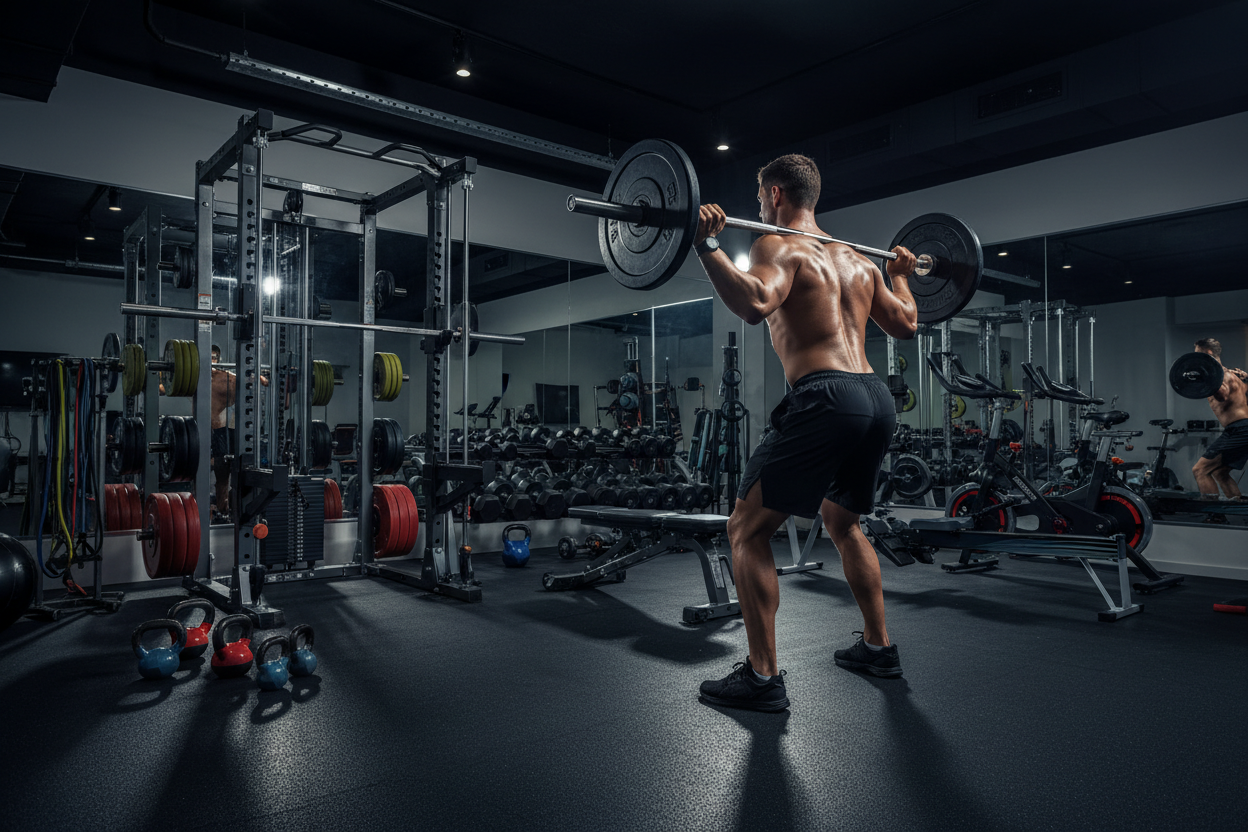
The Ultimate Exercise Equipment List: Your Complete Guide
Walking onto a gym floor or browsing an online fitness store can feel like trying to read a map in a foreign language. You see pulleys, iron plates, oddly shaped handles, and digital interfaces everywhere. You know you want to get fit, but you aren't exactly sure which tool does the job.
You are not alone in that confusion. Whether you are building a home garage setup or trying to navigate a commercial facility, having a clear exercise equipment list is the difference between a focused workout and aimless wandering. This guide cuts through the marketing noise to categorize the gear that actually matters for your physiology and performance.
Quick Summary: The Essentials
If you are looking for a rapid breakdown of what you need to know, here is the core categorization of modern fitness gear:
- Free Weights (The Builders): Barbells, dumbbells, and kettlebells for compound strength and stabilizer muscle activation.
- Resistance Machines (The Isolators): Leg press, cable towers, and chest press machines for safe, targeted muscle growth.
- Cardio Units (The Engine): Rowers, treadmills, and air bikes for metabolic conditioning.
- Functional Gear (The Movers): Medicine balls, plyo boxes, and TRX straps for mobility and athleticism.
- Support Gear (The Protectors): Belts, straps, and sleeves to prevent injury during heavy loads.
The Foundation: Free Weights
When compiling a comprehensive gym equipment list, free weights always sit at the top. They are non-negotiable for anyone serious about strength.
The Barbell
This is the king of the weight room. A standard Olympic barbell weighs 45lbs (20kg) and allows for heavy loading on squats, deadlifts, and bench presses. The science here is simple: because the bar is a single object moving through space, your body must recruit secondary muscles just to keep it balanced. That equals more total muscle activation per rep.
Dumbbells
Dumbbells address muscle imbalances. If your right arm is stronger than your left, a barbell might hide that. Dumbbells won't. They force each side of your body to carry its own load, ensuring symmetry.
Kettlebells
Often overlooked on a standard workout equipment list, kettlebells offer a distinct center of gravity. Because the weight hangs below the handle, they create a drag that forces your core to work overtime, making them superior for ballistic movements like swings.
The Machines: Isolation and Safety
Free weights require skill; machines provide stability. When asking what gym equipment is best for hypertrophy (muscle growth) with lower injury risk, machines are the answer.
The Cable Tower
Unlike free weights, where gravity only pulls down, cables provide constant tension at every angle. This is crucial for muscles like the rear deltoids or triceps, where the "strength curve" drops off with dumbbells. A dual-pulley cable station is arguably the most versatile tool in any gym.
The Leg Press
This allows you to load the legs with massive weight without compressing the spine. It removes the balance factor of the squat, letting you take the quadriceps to absolute failure safely.
Cardio and Conditioning Tools
Not all cardio machines are created equal. The best all gym tools lists distinguish between steady-state and high-intensity gear.
The Assault Bike (or Air Bike) is the gold standard for conditioning. Since the resistance increases the harder you pedal, it is self-limiting but brutally effective. The Rower is another powerhouse, engaging the posterior chain (back and hamstrings) while spiking your heart rate.
My Training Log: Real Talk
Let's step away from the technical definitions for a second. I want to share a specific experience regarding the "quality" of equipment.
Years ago, I tried to save money by buying a cheap, unbranded barbell for my garage. It looked fine in the photos. But the first time I tried to clean-and-jerk heavy weight, I almost snapped my wrist.
Why? The "sleeves" (the ends where the plates go) didn't spin. On a quality bar, the sleeves rotate so the plates don't spin the bar in your hands. On this cheap bar, the inertia of the spinning plates torqued the bar right out of my grip. Furthermore, the knurling (the grip texture) was so passive it felt like holding a wet pipe once I started sweating.
I learned the hard way that a generic list isn't enough. You need to know the feel of the gear. If the bench wobbles when you lie on it, you won't press as much weight because your nervous system senses instability and throttles your power output. Gear matters.
Conclusion
Building the perfect physique doesn't require you to use every single item in the facility. A solid routine usually revolves around 5 to 10 key pieces of equipment. Focus on the tools that align with your biomechanics and goals, and ignore the rest.
Frequently Asked Questions
What gym equipment is essential for a home gym?
For a basic home setup, prioritize a power rack, an adjustable bench, a barbell with plates, and a set of adjustable dumbbells. This covers 90% of movement patterns needed for strength and fitness.
Is machine training better than free weights?
Neither is "better"; they serve different purposes. Free weights are superior for functional strength and coordination, while machines are better for isolating specific muscles and training safely to failure without a spotter.
What is the best equipment for losing weight?
While cardio machines like treadmills burn calories during use, strength training equipment (barbells/dumbbells) builds muscle. Muscle tissue burns more calories at rest, making strength training highly effective for long-term weight management.


